Opinion: 'Sanctions against Georgian government members are more realistic now than before'






Diplomat Valeri Chechelashvili has responded to the European Parliament’s latest resolution on Georgia, saying that the tougher tone adopted by the parliament comes as no surprise, as the attitude of Georgia‘s various branches of government towards European institutions has also become increasingly confrontational throughout this period.
Regarding possible sanctions against members of the Georgian government, Chechelashvili said that the fact that 436 MEPs backed the resolution demonstrates that a very solid majority has formed in support of such measures.
Chechelashvili added that relations with the European Union have reached such a deep impasse that they are unlikely to improve until ties with the United States begin to recover.
On 17 June, the European Parliament adopted a resolution on Georgia stating that the country’s EU accession process has effectively been suspended and that the ruling Georgian Dream party bears full responsibility for this.
According to the resolution, Georgia has failed to fulfil the nine priorities set by the European Union as a prerequisite for granting candidate status. As a result, the authors of the resolution argue that Georgia is an EU candidate country “only on paper”.
The resolution calls on the European Union to impose targeted sanctions on Georgian Dream founder Bidzina Ivanishvili, members of his family and his close associates.
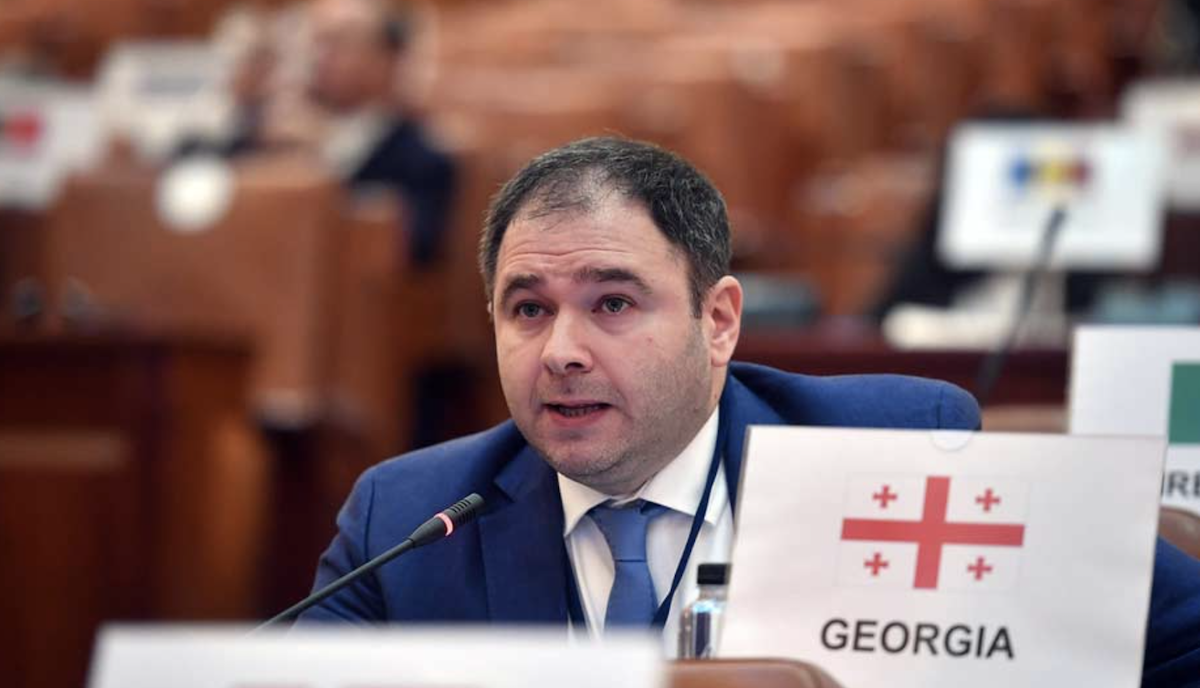
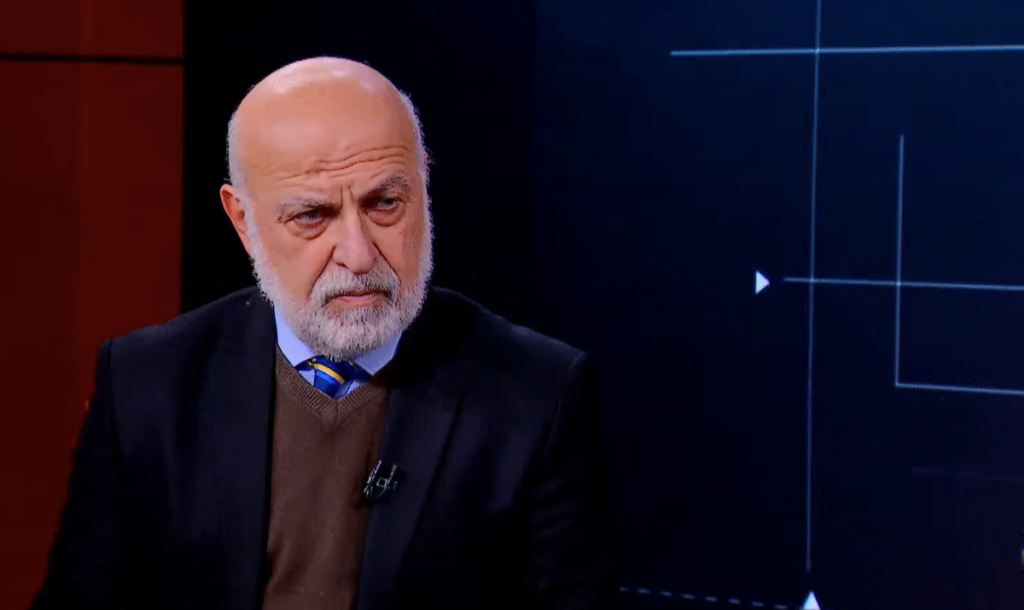
Valeri Chechelashvili: “Several conclusions can be drawn. First, this is indeed a very comprehensive report, and it shows that the European Parliament has a very good understanding of the details of what is happening in Georgia today. Second, the fact that the tone of the report has become tougher is not surprising, since throughout this period the attitude of Georgia’s various branches of government towards European institutions has also become increasingly harsh and confrontational.
I think it was a very important message to Georgian Dream that the European Parliament explicitly stated in one section of the resolution that the EU’s sanctions policy should be synchronised with the approaches of the UK and the US. It is clear that decision-making in the European Union is much more complicated because it involves 27 member states, but the direction and intent have been clearly articulated.
It is also important that 436 MEPs supported the resolution. This shows that a very solid majority has formed in support of such approaches. It is also noteworthy that the European Parliament continues to emphasise that the government is one thing and the people are another.
In addition, Bidzina Ivanishvili is specifically mentioned in the context of sanctions. A number of institutions are also named, including judges, prosecutors and others. This is a very concrete call to action for the European Commission.”
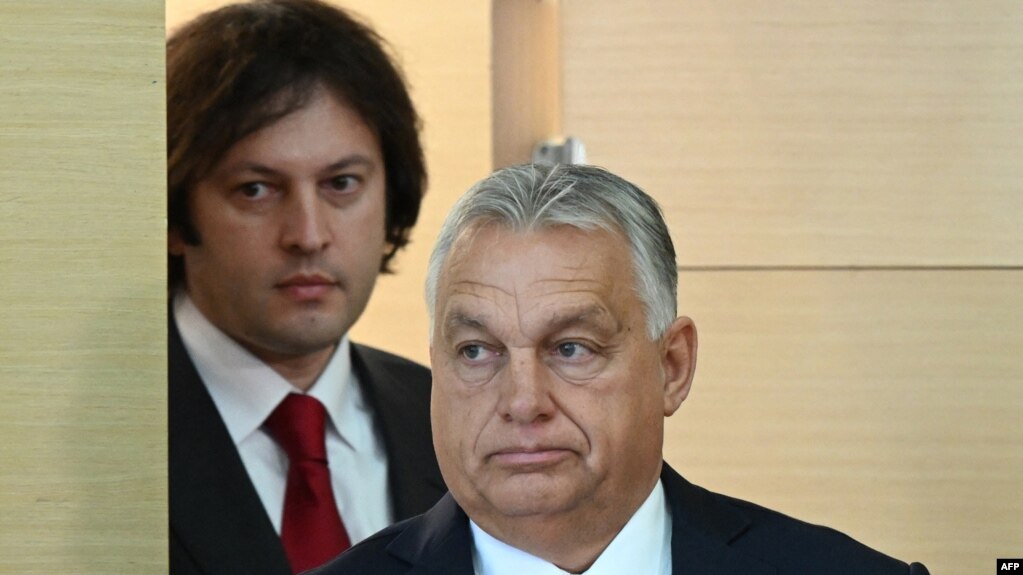
“As long as Viktor Orban was Hungary’s prime minister, he consistently defended the interests of Georgian Dream representatives and blocked any decisions directed against them. In theory, Slovakia or the Czech Republic could now play a similar role, but I do not think they are driven by the same level of principle on this issue. It is far more important for them to remain part of European solidarity. Accordingly, I believe that the threat of sanctions against members of Georgian Dream is now much more realistic.
At the same time, I do not think Brussels will reject the dialogue proposed by the Georgian authorities, and I would like to see this as a small glimmer of opportunity. As a sign that Georgian Dream has realised the threat facing not only the party but also Georgia itself, although, to be honest, I do not have much hope for that.
I think our relations with the European Union have reached such a deep impasse that only an improvement in relations with the United States could help change the situation. If ties with Washington begin to improve, then something may also improve with Europe. Until then, I find it unlikely.”