'Legal segregation': Brussels initiative sparks backlash in Tbilisi






EU safeguard mechanisms
A new initiative being discussed in Brussels, which could limit veto powers and introduce “safeguard mechanisms” for future EU members, has triggered a sharp political reaction in Georgia. Parliament Speaker Shalva Papuashvili accused the bloc of “legal segregation” and argued that accession under such conditions would be incompatible with the country’s constitution.
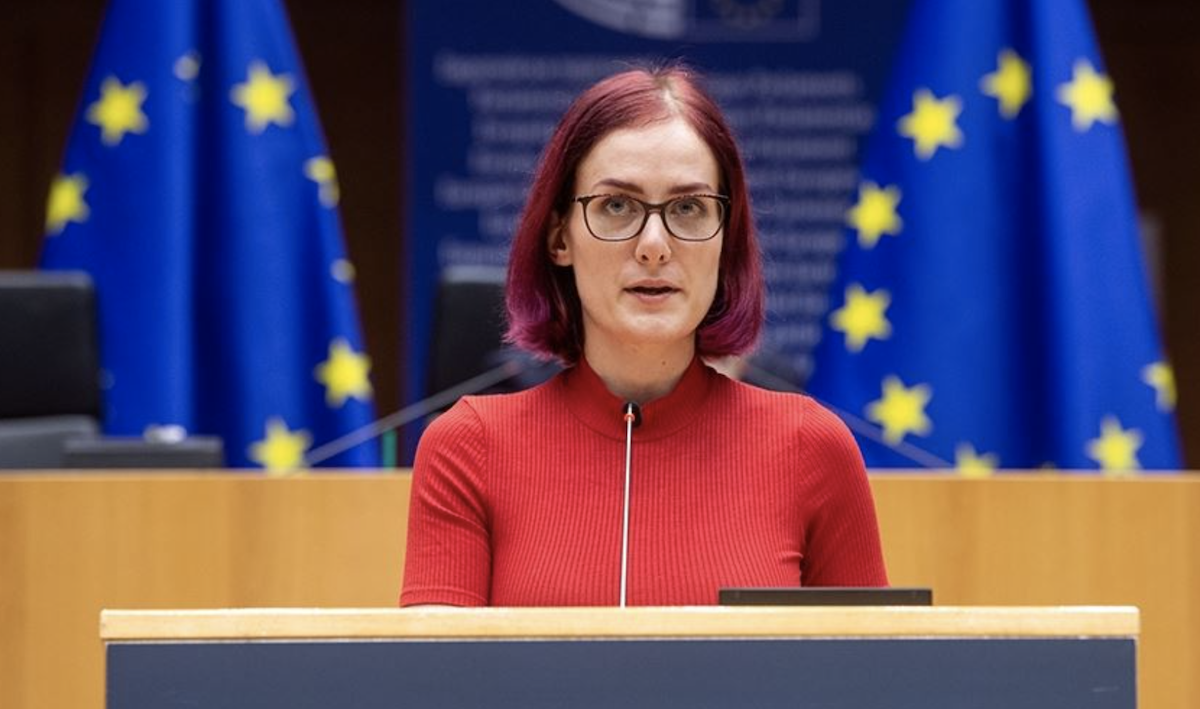
Marta Kos said the proposed reform was intended to protect the European Union from possible democratic backsliding by future members rather than discriminate against them. However, Papuashvili likened the proposal to the model once used by the Soviet Union.
What happened
The debate in Brussels intensified after the EU formally opened accession negotiations with Ukraine and Moldova on 15 June. During a meeting in Luxembourg, journalists asked Marta Kos how the bloc intended to ensure that future members, including Ukraine, would not abuse veto powers or paralyse the EU’s foreign policy.
Kos confirmed that accession treaties to be signed with Montenegro and subsequent candidate countries would be “next-generation” agreements.
“We will have safeguard mechanisms that ensure new member states continue to comply with European rules even five, 10 or 15 years after accession. If a new member state follows the rules, nothing will happen. But if it does not, these mechanisms will be activated very firmly,” Kos said.
Reaction in Georgia
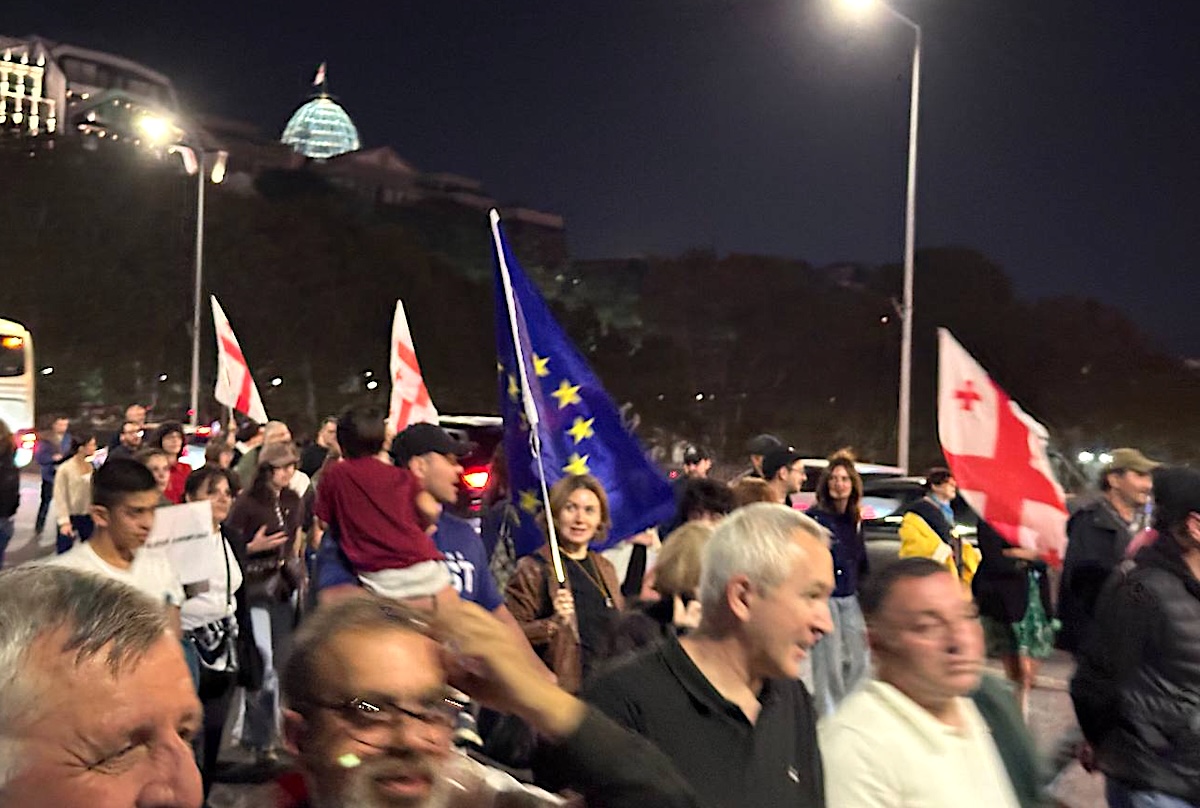
The response in Georgia was swift and sharply critical. Shalva Papuashvili published a lengthy social media post arguing that the proposal would effectively turn the European Union into a union of “first-class” and “second-class” nations.
“In practice, this means that the European Union would be able to make decisions on issues of vital importance to Georgia’s national interests without Georgia’s participation. We already have 70 years of experience of belonging to a nominal and unequal union, and we have no intention of repeating it,” Papuashvili said.
Ukraine’s case
Brussels argues that such reforms are unavoidable, largely because of its long-running experience with Hungary. During the tenure of former prime minister Viktor Orban, Budapest repeatedly used its veto power to block aid for Ukraine and sanctions against Russia, prompting the EU to freeze Hungarian funds. France and Germany have long argued that further enlargement should be accompanied by mechanisms preventing the emergence of a “second Hungary”.
German Chancellor Friedrich Merz has proposed an alternative model under which Ukraine would receive a form of “associate membership”, granting representation in EU institutions without voting rights.
However, both Volodymyr Zelenskyy and Enlargement Commissioner Marta Kos have firmly rejected the idea. Kos said there is no such thing as “half-membership” and that full integration can only take place once all accession criteria have been met.
The opening of the first negotiating cluster with Ukraine and Moldova became possible after Peter Magyar came to power following elections in Hungary, easing Budapest’s previously hard-line position and allowing the bloc to move forward.