Armenia launches support programme for exporters in response to Russian restrictions






Armenia launches support programme for exporters
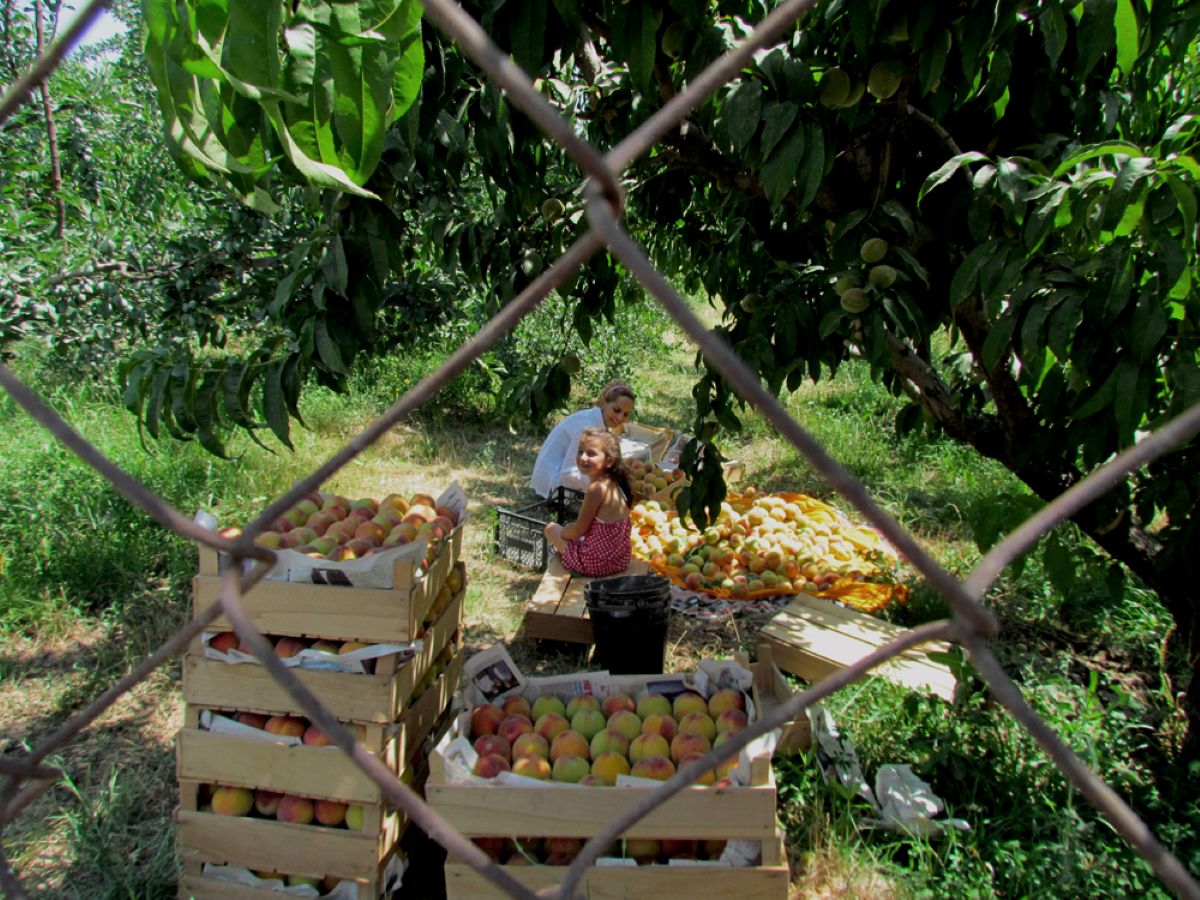
In response to restrictions imposed by Russia on imports of Armenian goods, the Armenian government has urgently approved support measures for exports of greenhouse-grown fresh fruit, vegetables and flowers. The aim is to make Armenian products more competitive.
Under the programme, the government will provide financial compensation to Armenian companies for exported products.
“We have set compensation at 770 drams ($2.1) per kilogram of strawberries. We will pay 275 drams (75 cents) per kilogram of tomatoes and 400 drams ($1.10) per kilogram of peppers. We will also provide 37 drams (10 cents) for each flower,” Deputy Economy Minister Arman Khojoyan told a government meeting.
A day earlier, Economy Minister Gevorg Papoyan announced that the government would also reimburse Armenian companies for customs duties paid on exports of fresh fruit, vegetables and flowers to the European Union.
He added that the government would later introduce a separate programme to subsidise fruit exports.
Ahead of Armenia’s parliamentary elections on 7 June, Russia imposed restrictions on imports of fruit and vegetables from the country. Moscow also banned imports of flowers, Jermuk mineral water, certain alcoholic beverages and fish products from Armenia. Russian authorities said the measures were necessary because the products did not meet quality standards.
However, many experts in Armenia and members of the government believe the dispute is linked to the election campaign. Most expect the issue to ease after the vote.
Prime Minister Nikol Pashinyan also reported a telephone conversation with Russian President Vladimir Putin. Putin called him on 1 June to wish him a happy birthday.
“We agreed that I will visit again after the elections. We will meet and resolve all outstanding issues,” Pashinyan said.
Meanwhile, the European Union has pledged support for Armenia.
Ursula von der Leyen said the EU is preparing a special assistance package for the country. The package will include more than €50m in immediate financial support. The bloc will also take steps to make it easier to sell certain Armenian products on European markets.
“A shipment of 10,000 flowers will arrive in Latvia tomorrow. More deliveries will follow,” she said.
- ‘We are not inclined to create tension’ – Yerevan responds to Moscow’s claims of ‘unfriendly steps’
- Russian intelligence operatives sent to ‘target Pashinyan’: The Insider investigation
- Leak reveals secret documents on Russia’s hybrid attacks against Armenia
- What’s behind Russia’s hostile response to Armenia’s deepening ties with EU?
Programme details: who can receive support
Only legal entities, sole proprietors and individuals who are residents of the Republic of Armenia are eligible for support under the programme for exports of fresh fruit, vegetables and flowers.
Companies must export the products between 1 June and 1 July 2026.
“Our analysis of export trends shows that exporters will ship more than 4,250 tonnes of vegetables and strawberries, as well as around 10 million flowers, during June under this programme,” Deputy Economy Minister Arman Khojoyan said.
He added that the government may revise the duration of the programme if necessary.
To receive compensation, companies must submit an application in electronic or paper form after 1 July. Applicants must attach:
- a transit declaration or copies of customs declarations;
- an invoice or other payment document.
The government also approved amendments to its Export Promotion Programme on the same day. Authorities introduced the programme in February 2025.
Under the scheme, the government supports companies that export goods to the European Union, the United Kingdom and Canada.
Until now, the programme covered only processed industrial products. The amendments extend support to agricultural goods, including fresh fruit, vegetables and flowers.
Under the programme, the government reimburses exporters for customs duties they have paid.
A public exchange between Yerevan and Moscow
Russian deputy prime minister: “We are not imposing any restrictions on imports from Armenia”
“We are not imposing any restrictions on Armenian imports at all. This is a normal process linked to the arrival of a new harvest and new products. Naturally, certain issues emerge during inspections,” Russian Deputy Prime Minister Alexey Overchuk told RIA Novosti.
According to Overchuk, the measures Russia has taken are part of routine control procedures. He insisted that the inspections aim to protect consumers and prevent potential risks.
“We must protect consumers in Russia. A new harvest has arrived, so we need to examine the products entering our market. We need to check for pests, diseases and anything that could threaten consumers or domestic production. Obviously, inspectors found something,” he said.
In a separate interview, Overchuk stressed that Russia continues to honour its commitments to Armenia within the framework of the Eurasian Economic Union, the Russia-led economic bloc.
In recent months, Russian officials have issued increasingly critical statements about the possibility of Armenia leaving the EAEU and seeking membership of the European Union. Against this backdrop, Overchuk warned that Moscow could reconsider some of its obligations if Armenia decides to move closer to the EU.
At the same time, Russian presidential envoy Boris Titov raised the prospect of replacing Armenian products on the Russian market.
“We will replace what we lose from Armenia. Of course, we can replace it with products from Azerbaijan,” Titov said.
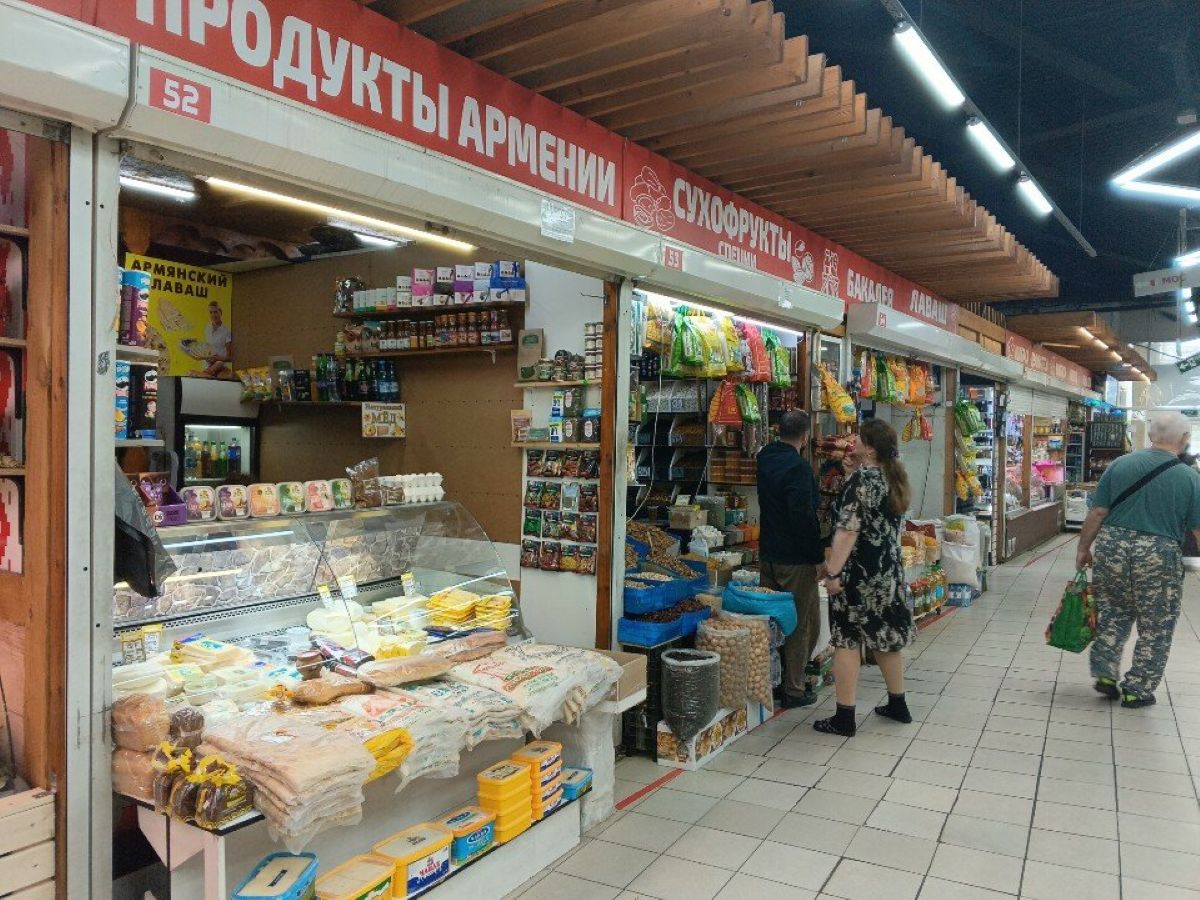
Pashinyan: ‘Three-headed war party is creating problems for Armenia within EAEU’
During an election campaign event in the town of Martuni, Armenian Prime Minister Nikol Pashinyan accused what he called the “three-headed war party” of creating difficulties for Armenia.
Pashinyan and his team use this term to describe three political forces competing in the upcoming parliamentary elections:
- the Armenia Alliance bloc led by former president Robert Kocharyan;
- the Strong Armenia party of Russian-Armenian businessman Samvel Karapetyan;
- the Prosperous Armenia party led by businessman Gagik Tsarukyan.
The government refers to them as a “war party” because they advocate revising the peace arrangements established with Azerbaijan. The ruling majority argues that such a course would inevitably lead to renewed conflict. All three political forces also support a pro-Russian foreign policy orientation.
Pashinyan claimed that the “three-headed war party” has been using its connections within the structures of the Eurasian Economic Union to create problems for Armenia ahead of the elections.
“Realising that they have already lost the election and face a crushing defeat, they are making calls, holding meetings and doing everything possible within the EAEU framework to create difficulties for our country,” he said.
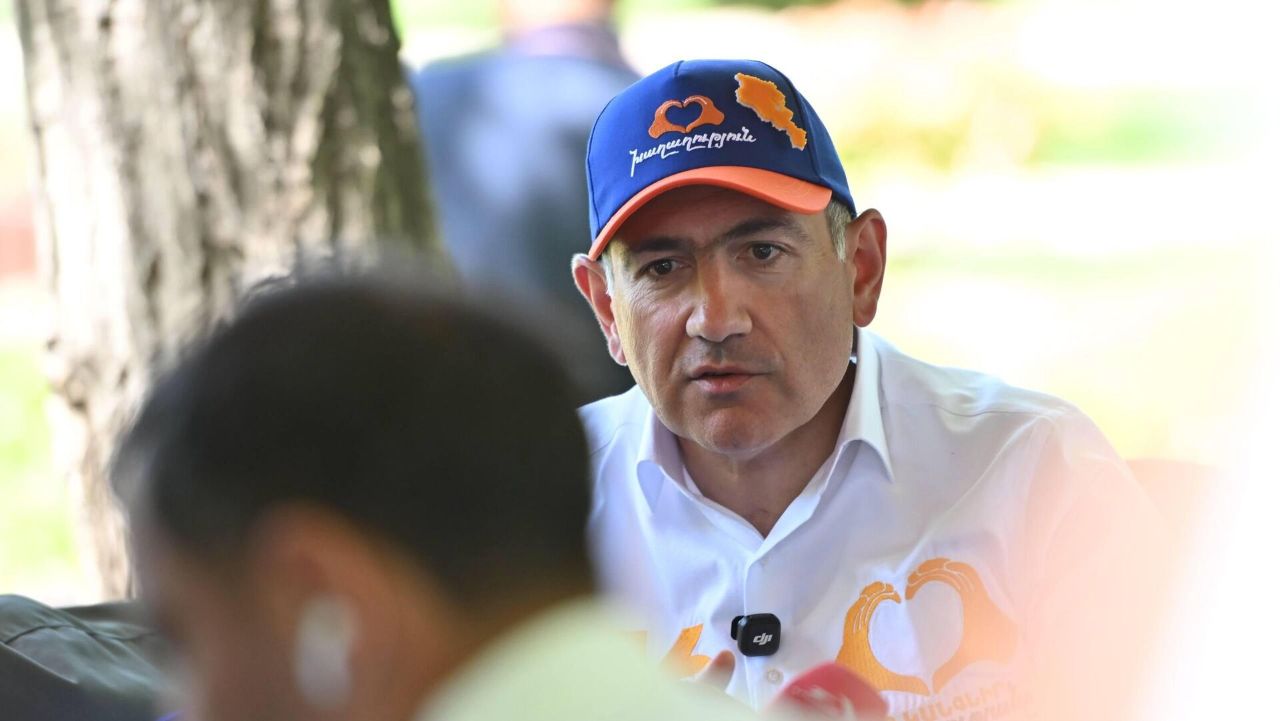
‘People say they will not give up their independence for strawberries’ – Armenia’s foreign minister
Armenian Foreign Minister Ararat Mirzoyan described the reasons behind Russia’s import restrictions as “unclear and unjustified”.
“We will address these issues with our Russian partners in a constructive and cooperative atmosphere through working-level discussions,” he said.
At the same time, Mirzoyan argued that the situation had opened new opportunities for Armenian producers to enter alternative markets. He said the government would announce newly reached agreements once the relevant documents had been signed.
“Many partners from EU countries, Arab states and Turkey have expressed interest in working with our producers. A shipment of flowers has already reached a completely new market and is being sold there.”
He also assured citizens that the government would support them and help overcome the current difficulties.
Mirzoyan went on to describe how ordinary Armenians had reacted to the situation:
“A strawberry farmer approached me and said: ‘Mr Mirzoyan, we will not give up our independence for the sake of strawberries.’ I admire the wisdom, courage and strength of our people.”
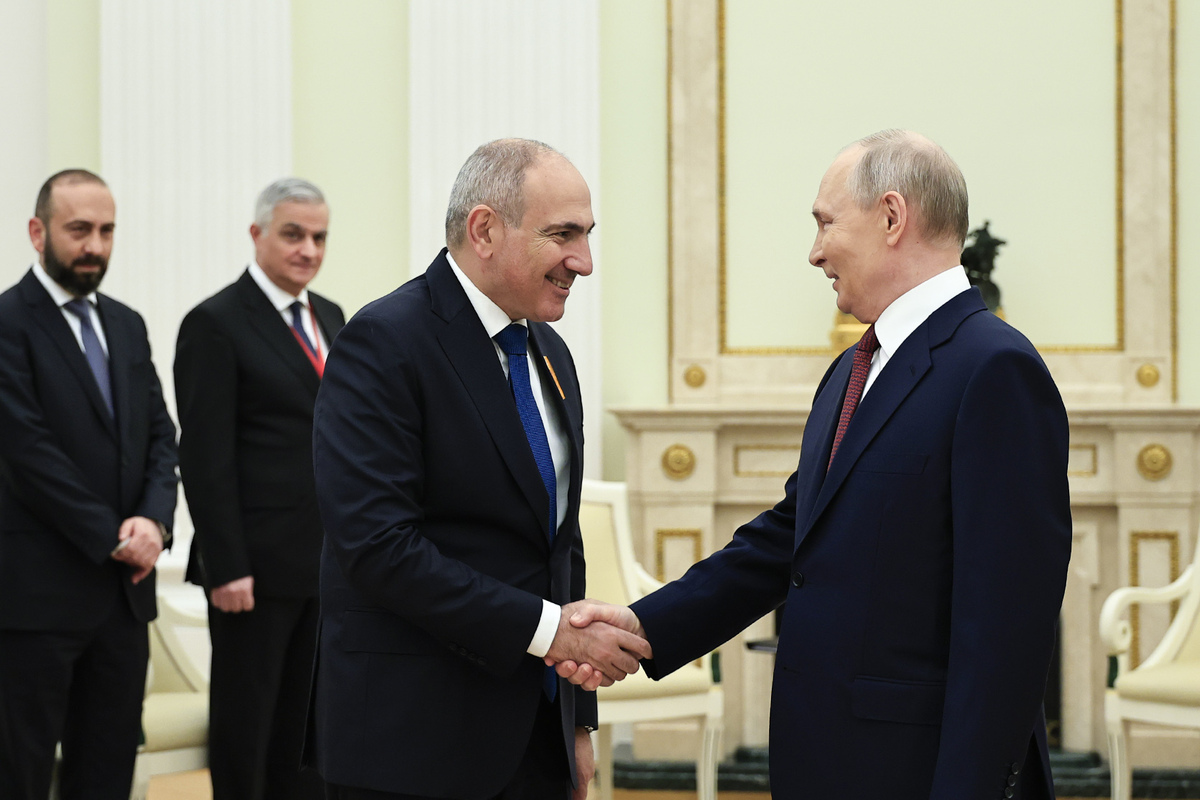
Armenia launches support programme for exporters