‘Russia continues annexation in Georgia while West applies double standards,’ Georgian MoFA tells Council of Europe






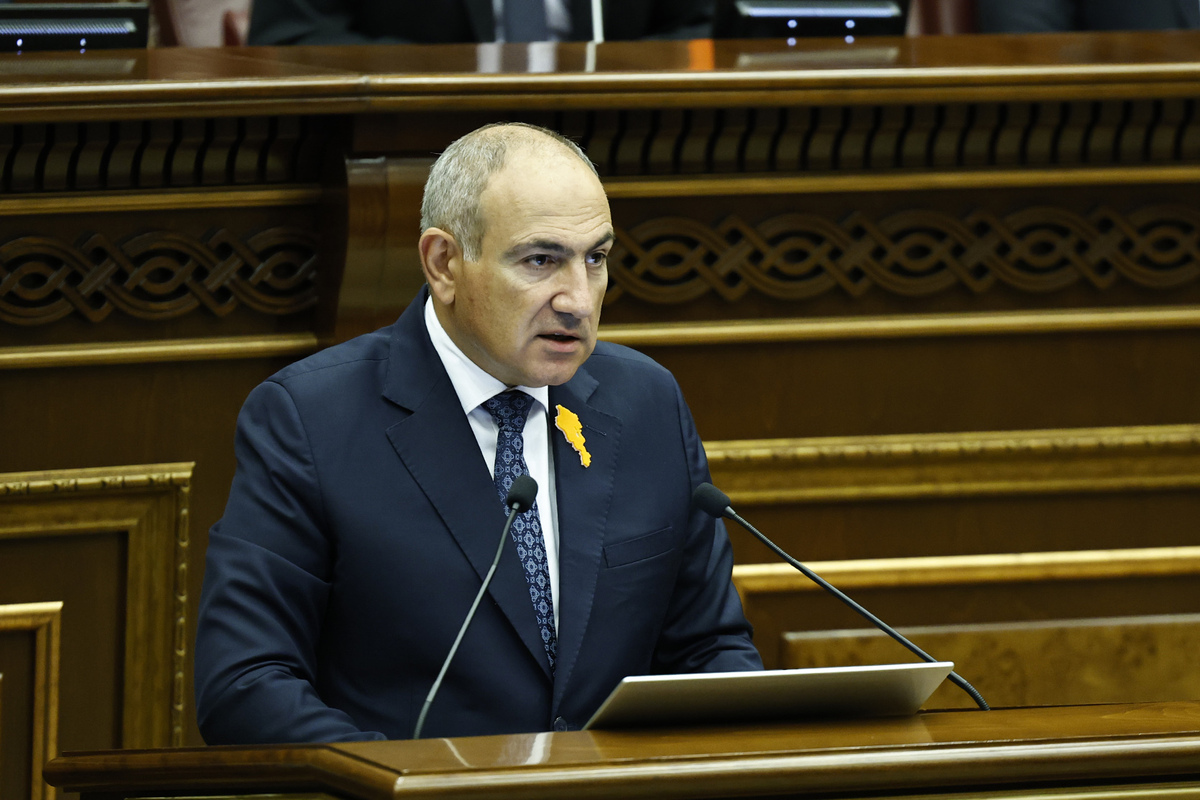
Georgia’s foreign ministry at the Council of Europe
Speaking at the 135th session of the Council of Europe’s Committee of Ministers, Maka Botchorishvili, a member of the ruling Georgian Dream party, described a new agreement signed between Russia and the Russian-occupied Tskhinvali region as another step towards the annexation of Georgian territories.
At the same time, she accused Western partners of applying double standards over measures taken against pro-government media outlets.
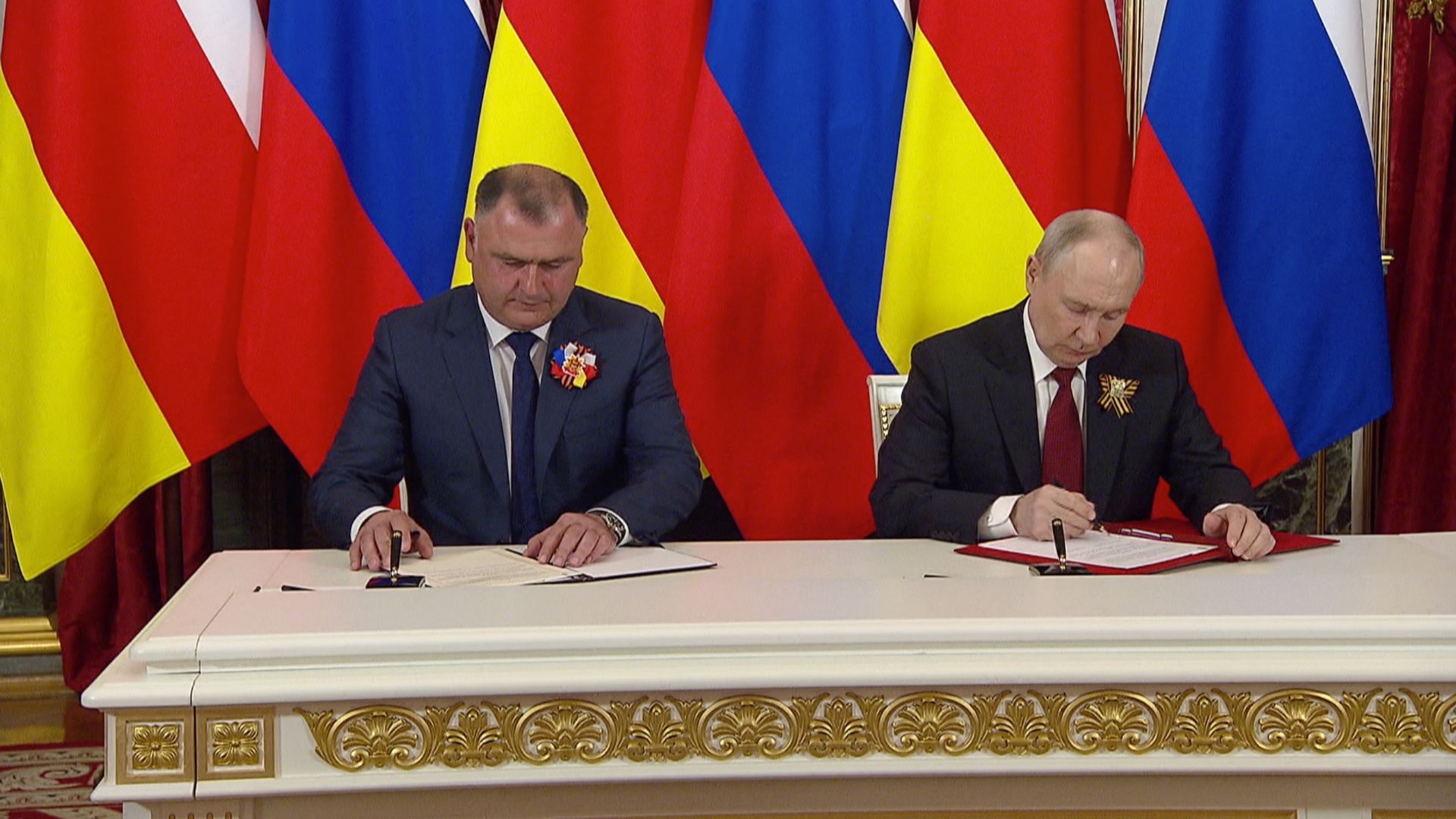
On the new agreement with Tskhinvali
According to Maka Botchorishvili, the so-called “Agreement on Deepening Allied Cooperation between the Russian Federation and the Republic of South Ossetia”, signed in Moscow and Tskhinvali on 9 May 2026, further demonstrates that Russia is ignoring its international obligations and seeking to integrate Georgia’s occupied regions more deeply into its political and military space.
The minister said a number of international legal bodies, including the European Court of Human Rights, had already confirmed Russia’s responsibility for the occupation and serious human rights violations. Despite this, she said, Moscow continued to take steps against Georgia’s territorial integrity.
Botchorishvili also linked her remarks to the ongoing war in Ukraine, arguing that European security is impossible if international law applies “selectively” and occupation gradually becomes “the new normal”.
“We know the cost of war all too well and understand that peace is not simply the absence of military escalation; it is a responsibility towards our own society, our region and our shared European future,” Botchorishvili said.
On the West’s “double standards”
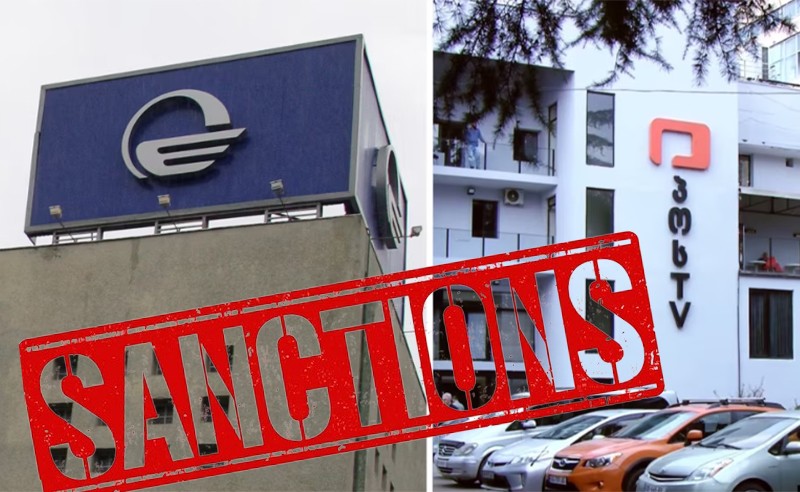
The minister’s speech did not focus solely on criticism of Russian policy. She also highlighted a decision by the Moldovan government to bar journalists from Georgian pro-government broadcasters Imedi TV, Rustavi 2 and PosTV from entering the country and working there as journalists.
Maka Botchorishvili described the decision as a “selective interpretation” of press freedom. She argued that statements by European institutions about democratic values contradicted the approach they had taken towards Georgia’s current government.
She called claims about democratic decline in Georgia “hypocritical”, as well as support for political groups that do not recognise the results of the country’s parliamentary elections.
In the same context, the minister criticised Western partners’ approach to the Georgian government, saying declarations of “support for the Georgian people” were incompatible with what she described as a deliberate distancing from a government elected by those same people.
Georgia’s foreign ministry at the Council of Europe