Georgia removed from the Open Government Partnership (OGP)






On 13 April 2026, the Open Government Partnership (OGP) decided to suspend Georgia’s membership, a move that ultimately led to the country’s removal from the platform.

What is the Open Government Partnership (OGP), and why does it matter?
The OGP is an international initiative that brings together governments committed to strengthening transparency, accountability and public participation. For years, Georgia was often cited as a success story in this area — a country that had implemented reforms and moved closer to international standards.
Against that backdrop, leaving the OGP is more than a loss of formal status. It means stepping away from a platform where governments and civil society work together to reduce corruption and improve institutional transparency. It also signals the end of a process closely tied to the country’s broader democratic transformation.

The path to removal
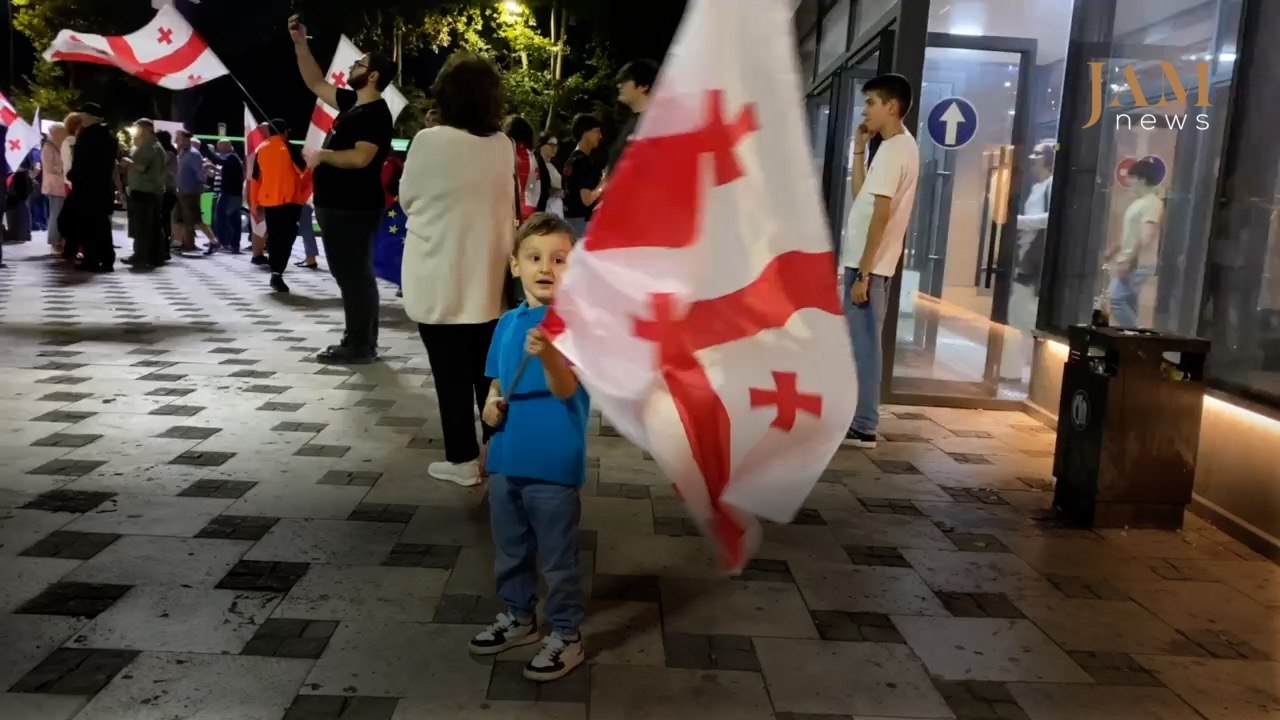
Georgia’s removal was preceded by rising tensions that began in 2023, when increased pressure by the authorities on civil society and the media raised concerns among international partners.
Against this backdrop, the Open Government Partnership (OGP) temporarily suspended the country’s membership and set out clear conditions: by the end of 2025, laws restricting civic space were to be repealed, and protections for freedom of expression and assembly ensured.
However, according to the organisation’s assessment, the situation deteriorated further instead of improving. Democratic backsliding continued, restrictions on fundamental rights deepened, and additional regulations were introduced that made it more difficult for civil society and the media to operate.
As a result, civil society organisations involved in the OGP process withdrew from cooperation with the authorities, effectively undermining one of the platform’s core principles — partnership between government and society.
Why this matters for every citizen
Georgia’s removal from the Open Government Partnership (OGP) is not just a matter of foreign policy. It has direct implications for the domestic environment — including how well freedom of speech is protected, how independently the media can operate, and the extent to which society can hold those in power to account.
According to the organisation’s own explanation, the decision points to a systemic problem: the weakening of democratic institutions and a shrinking space for public participation. Ultimately, this means that the public’s voice carries less weight in shaping state policy — a shift that most clearly defines the country’s current trajectory.
Conclusion
In these circumstances, the Open Government Partnership (OGP) concluded that the minimum conditions required for open and accountable governance no longer exist in the country. This assessment ultimately led to the decision to terminate Georgia’s membership.
In effect, the move amounts to an international acknowledgement that the country has departed from the standards it had itself committed to uphold. As a result, Georgia is losing not only a specific platform, but also a significant degree of trust that is critical to the process of democratic development.
Georgia removed from the OGP