

Rabies quarantine introduced in two regions of Georgia






Rabies quarantine in Georgia
Laboratory tests have confirmed rabies in a dog that bit several people in the village of Bandza in western Georgia’s Martvili municipality. The village and surrounding areas have been placed under quarantine.
This is the second rabies-related quarantine in the country in the past two weeks. Last week, authorities also introduced quarantine measures in Tsalka, in the Kvemo Kartli region, where four stray dogs attacked a rabid fox.
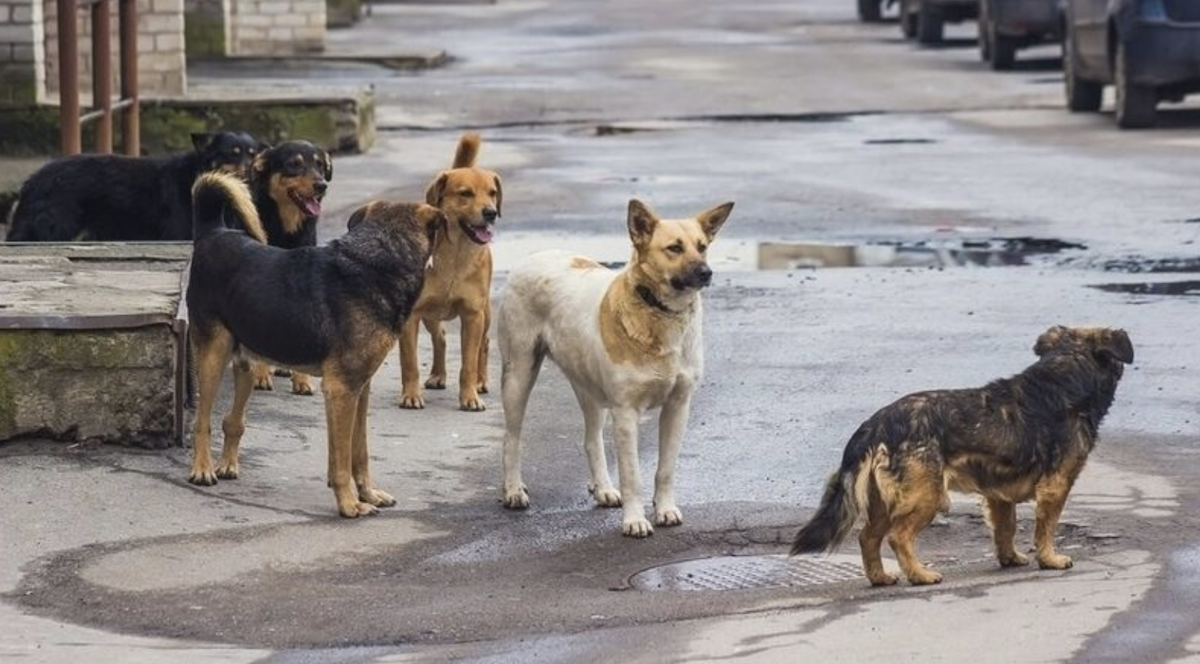
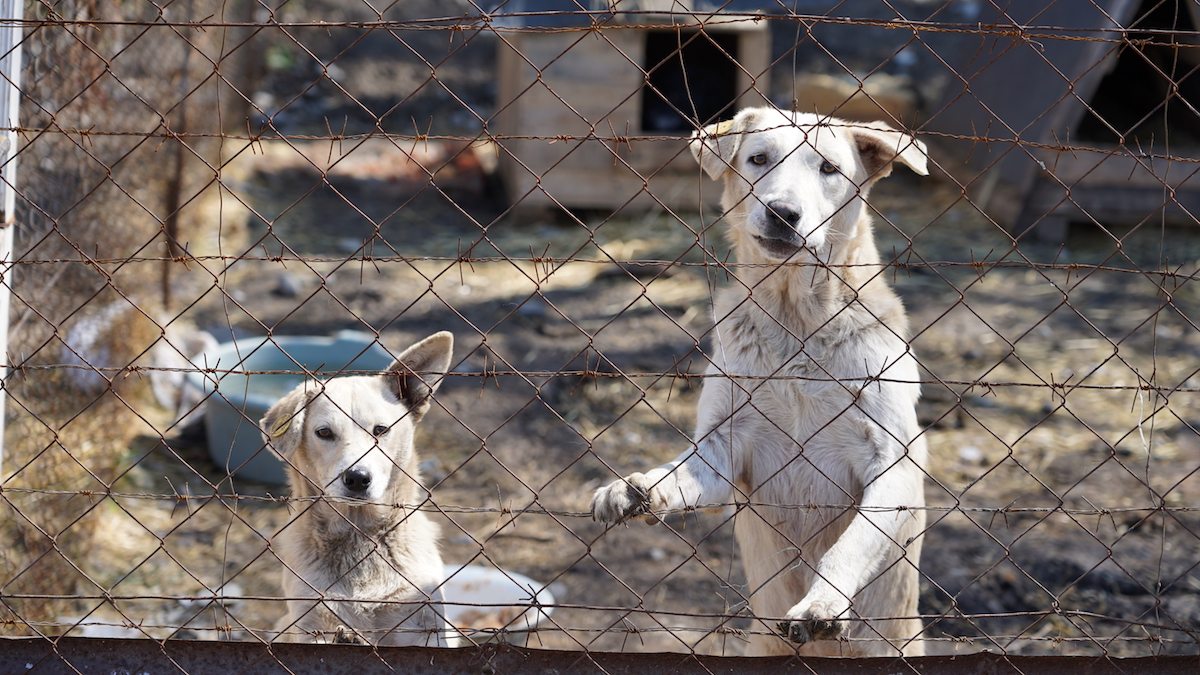
Over the past month, the authorities have carried out periodic raids under the stated aim of reducing the population of stray animals in the country. Officials capture dogs on the streets and take them to shelters for vaccination and sterilisation. However, not all of the captured animals return to the streets. As a result, animal rights advocates view the process with suspicion. Reports of what appear to be more frequent rabies cases have also raised concerns. Some remain sceptical and question whether this information is being spread deliberately to justify the state’s actions.
What do we know about the confirmed cases, how dangerous is rabies, and what should you do if a suspected animal bites you? A brief guide.
Martvili, village of Bandza
Georgia’s National Food Agency reported a confirmed case of rabies in the village of Bandza on 14 April.
According to the agency, rabies was confirmed in a stray dog that had been taken to a shelter in Kutaisi. Staff isolated the animal and placed it under observation on suspicion of the disease.
The agency also published an inspection report alongside the announcement. This appears to reflect growing distrust towards the agency and the authorities more broadly, particularly over their handling of stray animals.
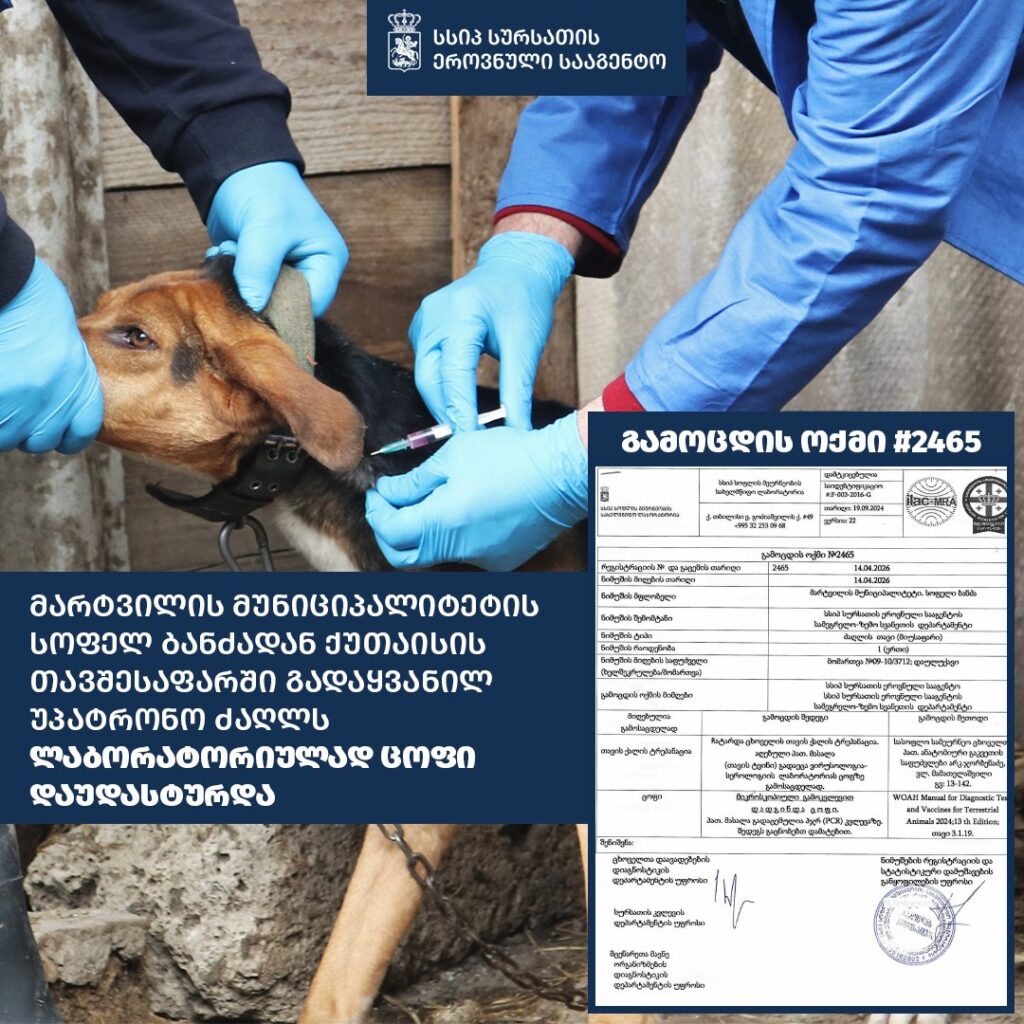
According to the same report, the National Food Agency notified all relevant authorities about the incident. Officials have launched rabies control measures, and declared a quarantine in the affected area. They carried out disinfection, including at the animal shelter. Authorities have begun vaccinating animals that may carry the virus and are monitoring their health.
The agency has urged anyone who had contact with the stray dog near the “Ori Nabiji” shop in the village of Bandza, Martvili municipality, to seek vaccination immediately and contact the relevant services.
Tsalka, a rabid fox
A week before the Martvili case, on 6 April, the same agency reported another case of rabies in Kvemo Kartli. The situation there was different.
According to the agency, laboratory analysis confirmed rabies in a wild animal. It was a fox that stray animals had bitten.
As in Martvili, the National Food Agency introduced quarantine measures in Tsalka and began taking the necessary steps.
Public distrust
“This was probably invented by people who hate dogs. Most residents of Tsalka want to get rid of dogs on the streets. You probably wanted that too — it would be easier for you.”
“Why were these animals not vaccinated against rabies? This programme has existed for a long time. Who is responsible?”
“This is a lie to create panic and justify the disappearance and killing of animals.”
“Creating hype around rabies is a very bad idea.”
These are just some of the comments posted by citizens on the National Food Agency’s social media page.
Following the incident in Tsalka, the National Food Agency also appears to have published a protocol confirming rabies in Martvili.
According to the agency, laboratory tests have confirmed three rabies cases across the country so far this year.
What is rabies?
Rabies is a deadly disease if left untreated before symptoms appear.
According to the US Centers for Disease Control and Prevention (CDC), tens of thousands of people die from rabies worldwide each year. Most cases occur in countries where animal vaccination is less widespread.
The disease is caused by the rabies virus. The CDC says the virus spreads through direct contact with the saliva or brain and nervous system tissue of an infected animal. The risk arises when the virus enters through broken skin or mucous membranes.
Around 99% of human rabies cases are linked to contact with infected dogs.
Transmission through routes other than bites and scratches is extremely rare. Inhalation of the virus is possible, but this risk mainly applies to laboratory workers.
What should you do if a suspected animal bites you?
Once rabies symptoms appear, doctors cannot save the patient. This makes early action critical after a bite or scratch.
The World Health Organization says the key step after possible exposure is to prevent the virus from reaching the central nervous system. Once that happens, treatment becomes impossible.
To reduce the risk, wash the affected area with soap and water for at least 15 minutes. Then seek medical help immediately and get vaccinated.
Rabies in humans is almost always fatal, so vaccination is essential in all cases. Doctors recommend it even for people with underlying conditions, during pregnancy, while breastfeeding, or with weakened immune systems.
Rabies quarantine in Georgia