What Armenian experts’ visit to Azerbaijan means for the region’s peace agenda: a view from Baku






“Bridge of Peace” in Azerbaijan
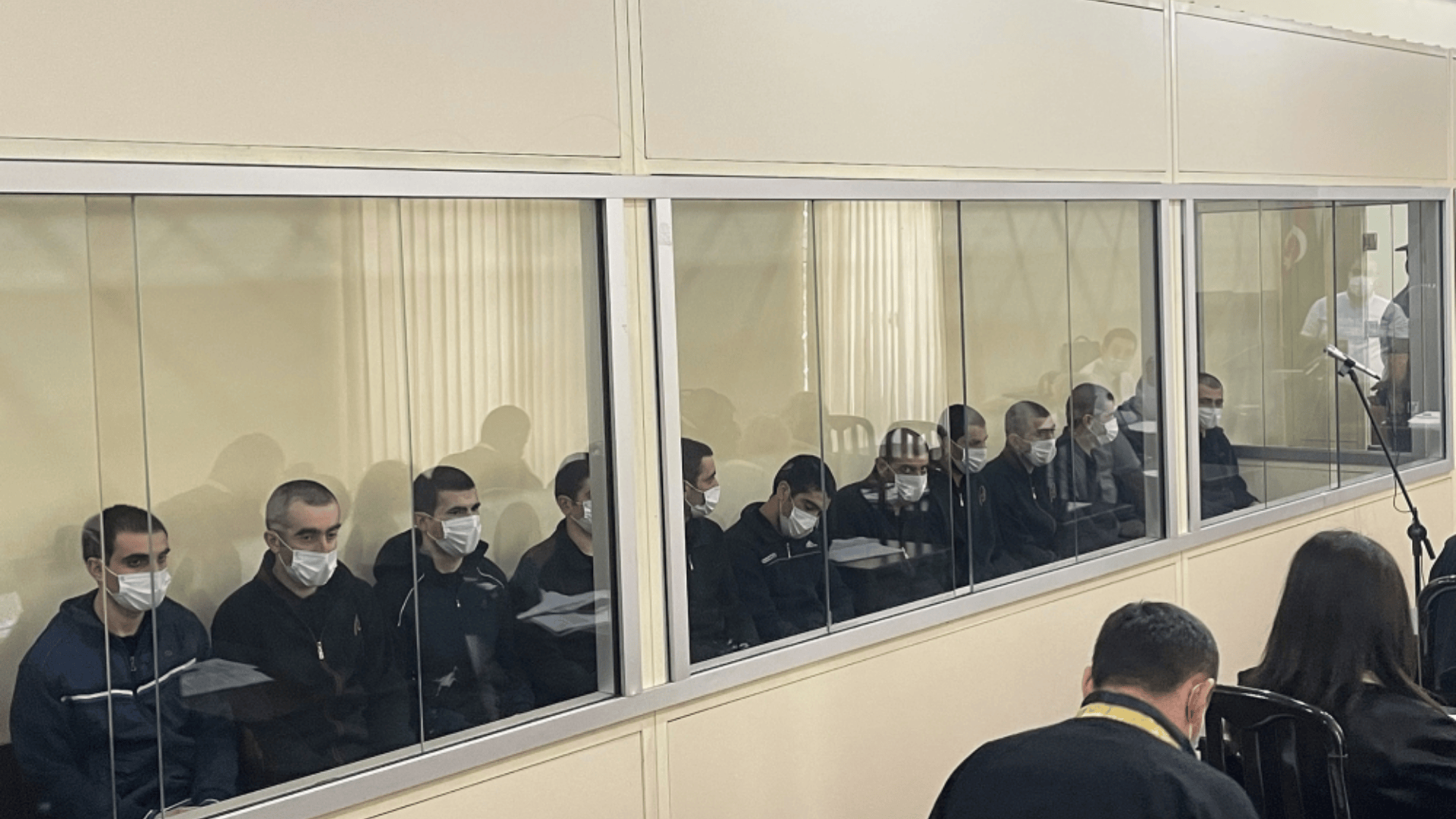
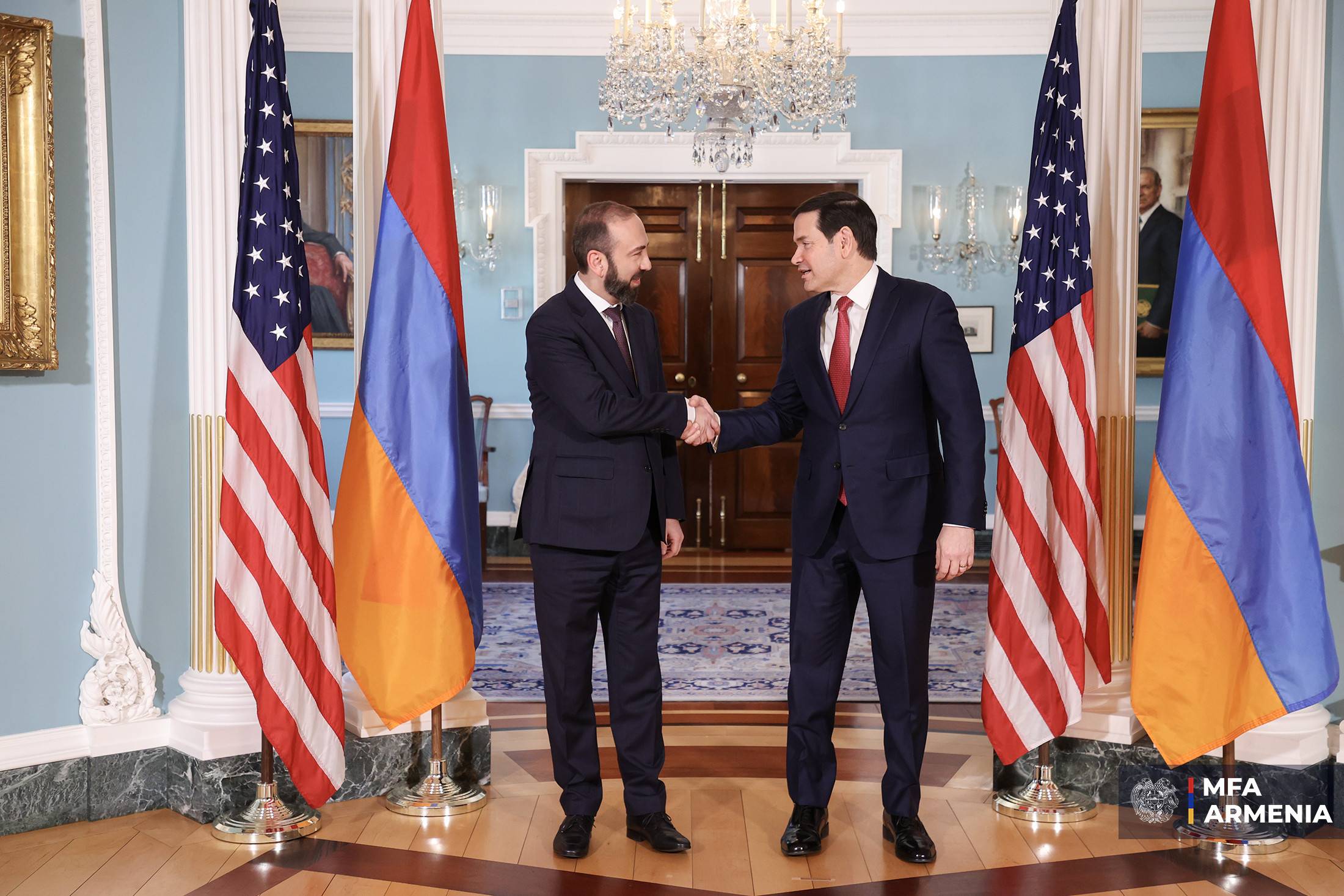
On 10–12 April, the fourth bilateral meeting under the “Bridge of Peace” initiative took place in Gabala.
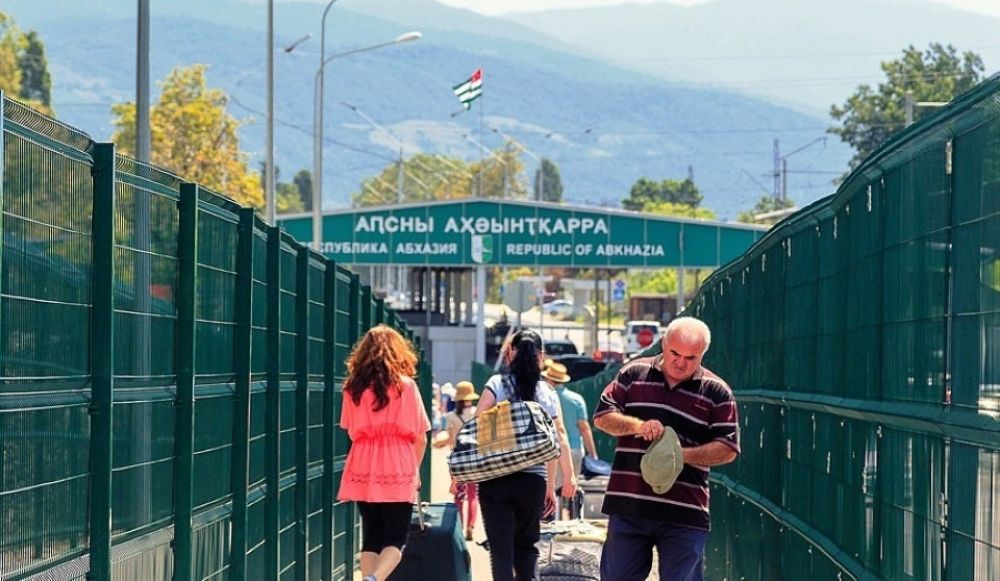
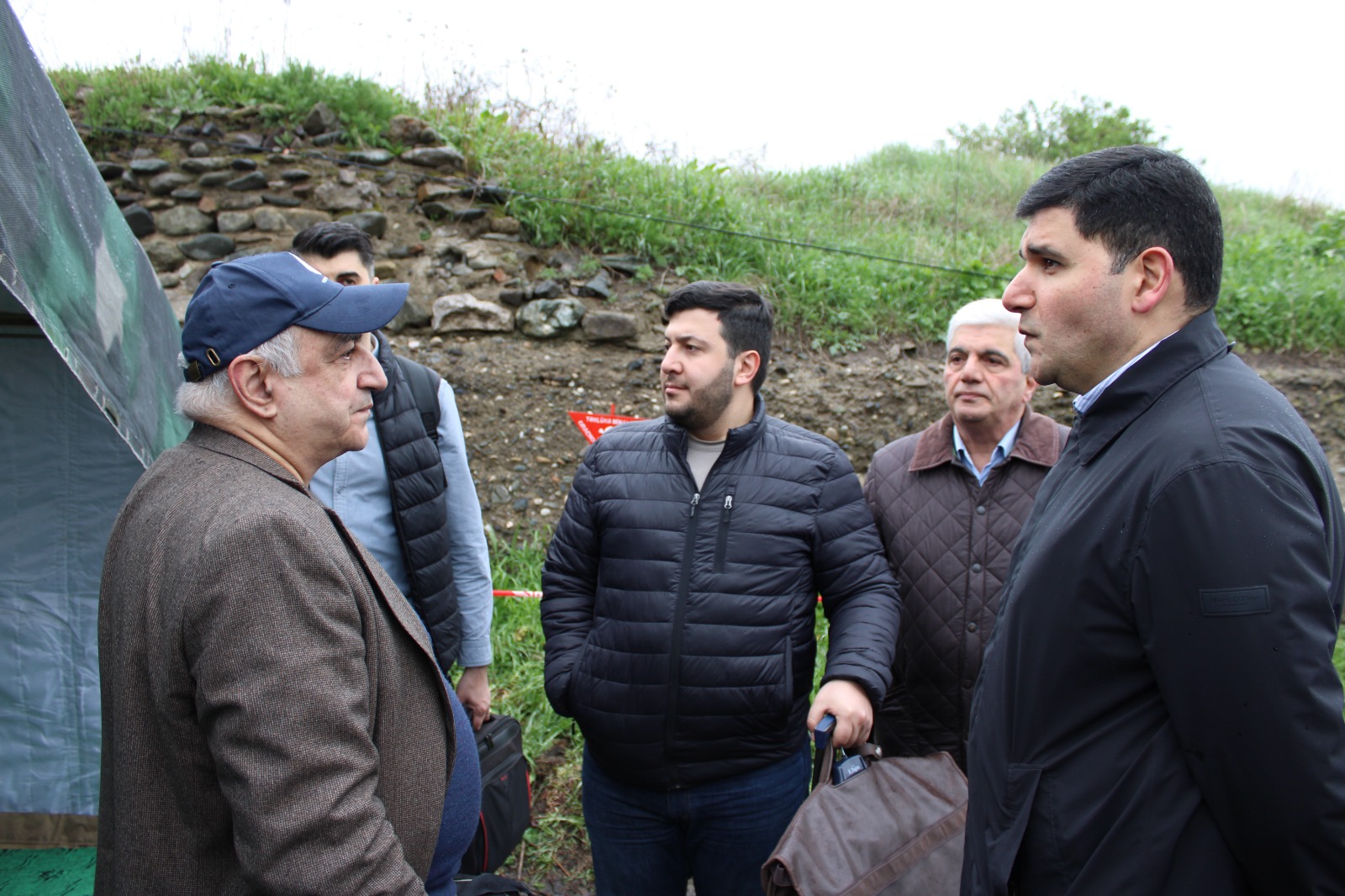
Nineteen experts from Armenia travelled to Azerbaijan, along with representatives of media outlets and NGOs. They crossed a formally delimited and demarcated section of the land border. The delegation also included a cameraman from Armenia’s Public Television.
In the organisers’ press releases, the crossing is described as a technical and procedural step, but also as a symbolic stage in the normalisation process.
This was not just a single event. Coordinators framed the border crossing as evidence of a “reality of peace” — a practical test aimed at restoring a sense of normal, everyday relations after conflict.
In other words, the message is that for political agreements to hold, trust between societies must gradually become part of daily life.
What is the “Bridge of Peace” initiative and how did it begin?
The “Bridge of Peace” is presented as a Track 1.5 dialogue format that does not replace official negotiations but complements them. Within this framework, experts, civil society representatives and media actors engage directly, exchange ideas and help prepare their societies for peace.
In the initiative’s press releases, the dialogue is linked to the peace agenda endorsed at the Azerbaijan–Armenia–United States summit held in Washington on 8 August 2025. Following the meeting, the US State Department announced the publication of the final documents, while both Azerbaijan and Armenia released the text of the joint statement on their official platforms.
The first bilateral roundtable took place in Yerevan on 21–22 October 2025. This was followed by a working visit by Armenian representatives to Azerbaijan on 21–22 November 2025. The third meeting was held on 13–14 February 2026 in an expanded format in the Armenian town of Tsaghkadzor.
The fourth meeting in Gabala: agenda and format
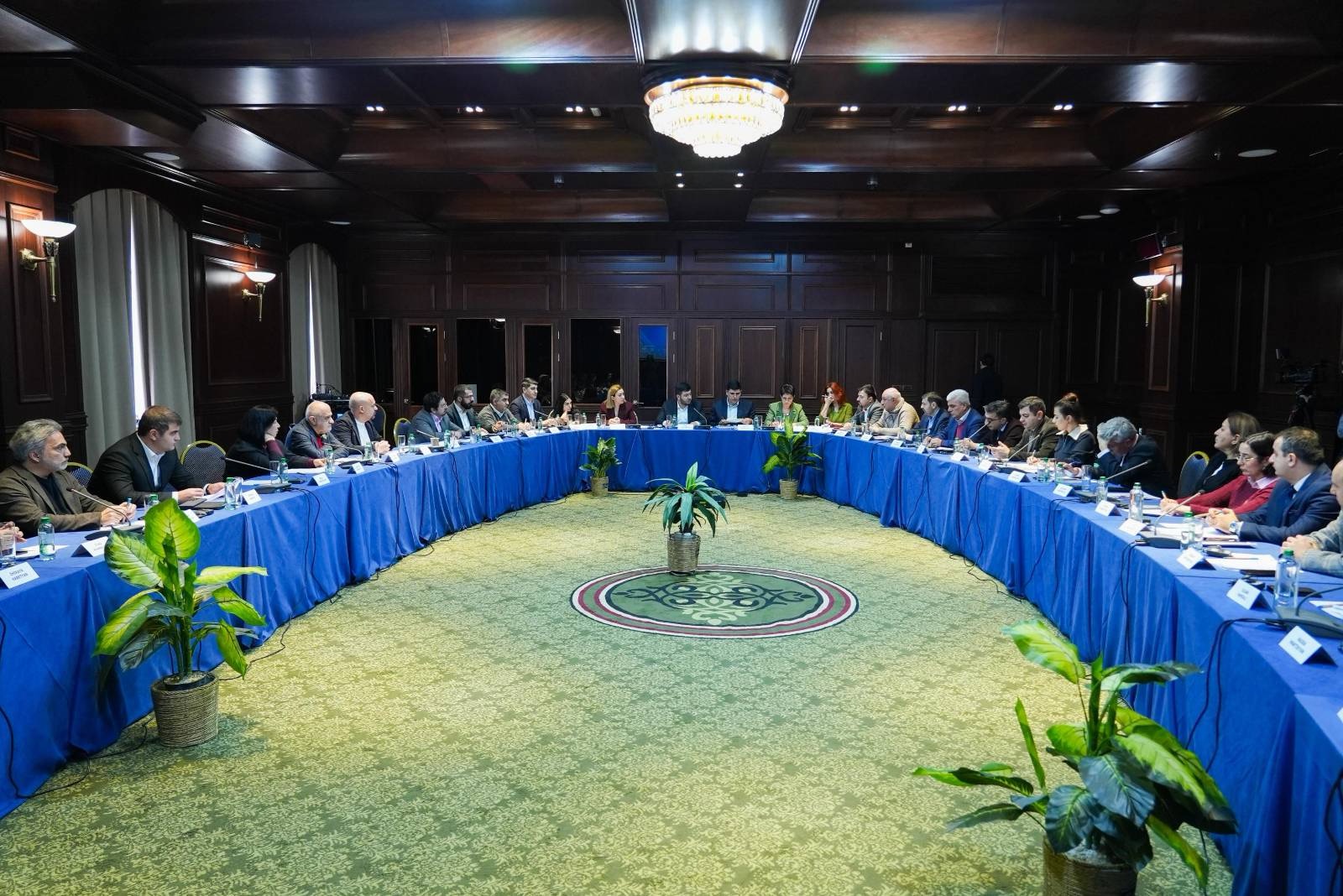
According to official press releases, the meeting held on 10–12 April focused on three main areas:
- the current state of the peace process;
- the activities of participants in both countries and their outcomes;
- the impact of the regional geopolitical situation on the peace process.
Organisers also noted that separate sessions addressed how to promote peace in the public sphere and how to strengthen trust in the next stages.
The outcomes of the meeting were presented at a press conference in Gabala. It was emphasised that some of the four sessions focused on political and geopolitical issues, while others examined the role of civil society and future areas of work.
Particular emphasis was placed on the idea of “dialogue without intermediaries” and on state support. Coordinators stressed that this format differs from platforms of previous years, which involved donors or external mediators.
Official signals and public diplomacy
As part of the visit, participants also met Hikmet Hajiyev, Assistant to the President of Azerbaijan. In a post on X, he said the meeting lasted more than two hours.
He stressed that Azerbaijan is “fully committed to the Washington agenda” and highlighted the need to expand trade, transit links and people-to-people contacts to generate the economic benefits of peace.
In the same post, Hajiyev noted that against the backdrop of regional and global tensions, the importance of a sustainable peace between Azerbaijan and Armenia is growing, while revanchist rhetoric in Armenia’s domestic politics poses risks to stability.
Farhad Mammadov, the Azerbaijani coordinator of the initiative, told Trend that its key feature is “direct communication without intermediaries”. He said that in previous years, dialogue formats were typically built around the involvement of third parties, whereas the current process continues with state support.
Areg Kochinyan, the Armenian coordinator, described the fourth meeting as a “significant achievement” in comments to AZERTAC.
He said the initiative had initially faced criticism and scepticism over its sustainability, but that the continuation of meetings had shown those doubts to be unfounded. Kochinyan also spoke of plans to prepare joint articles and research, and to hold joint events in the near future.
Optimism and caution coexist in Azerbaijan
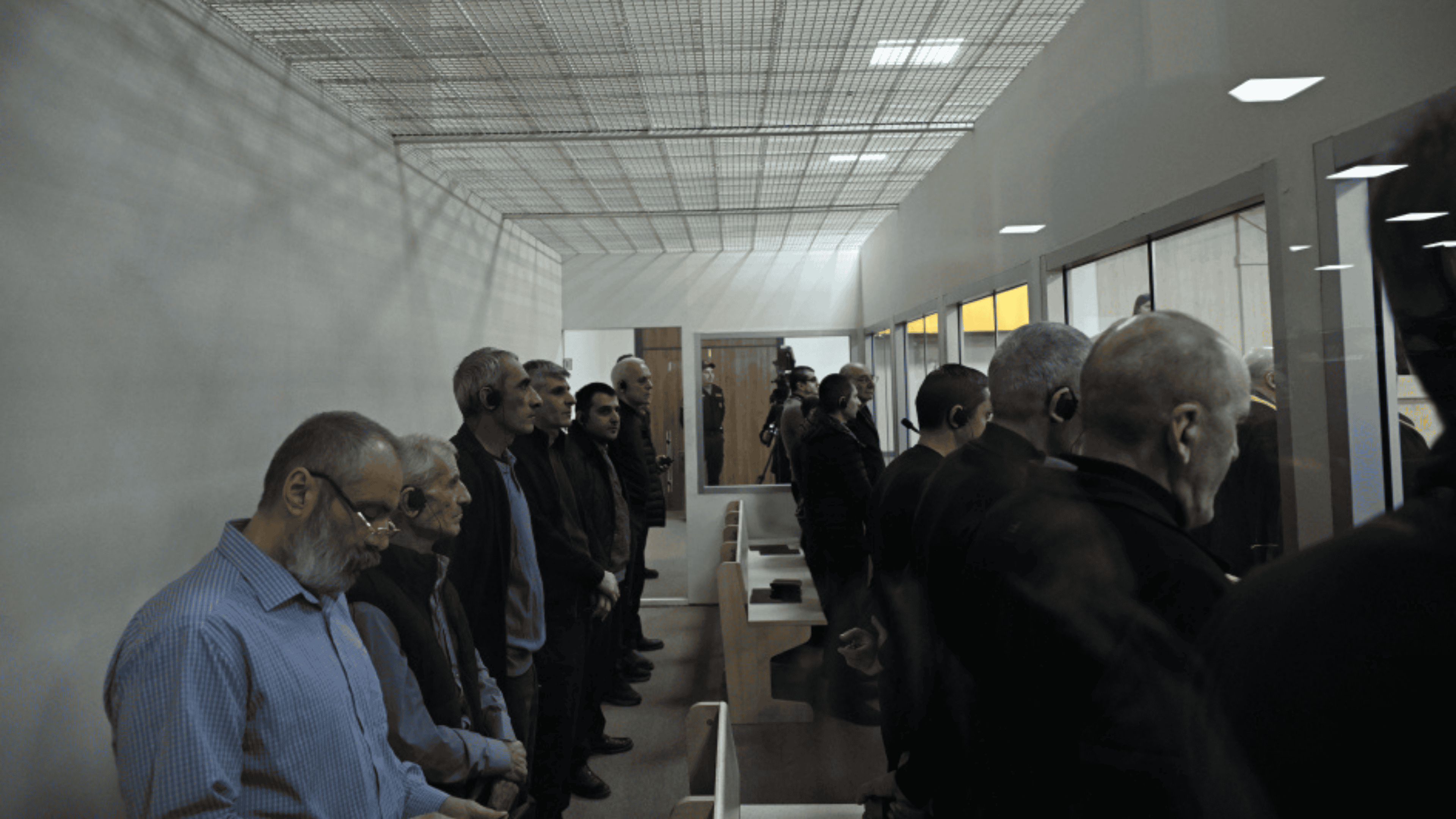
In Azerbaijan’s public discourse, attitudes towards such initiatives are shaped by two contrasting sentiments. On the one hand, there is caution rooted in the memory of conflict; on the other, a pragmatic interest in whether the logic of “peace after war” can prove viable.
The main symbol of the Gabala meeting — the crossing of the land border — can also be seen in this context as a tool of public diplomacy aimed at softening perceptions of the other side as an enemy. Kochinyan’s emphasis on “preparing societies for peace” and Hajiyev’s remarks on people-to-people contacts reinforce this interpretation.
At the same time, the issue of “red lines” for the sustainability of the process remains relevant in Baku. Political volatility in Armenia, the electoral agenda and the constitutional question are viewed as key factors in anchoring peace at an institutional level.
In an interview with 1news.az, Kochinyan pointed to upcoming elections as an indicator of public support. Meanwhile, Armenian analytical sources note that Azerbaijan continues to view amendments to Armenia’s constitution as one of the conditions for concluding a peace agreement; cautious statements from the Azerbaijani side about the “risk of revanchism” are also framed within this context.
What added value does the Gabala meeting bring to the peace process?
The meeting in Gabala does not replace a peace agreement, but it serves three practical functions.
- First, it helps embed trust in everyday practice. The crossing of the border and the functioning of procedures demonstrate what “normal relations” could look like in reality.
- Second, it contributes to public legitimacy. By bringing into discussion the results of debates held within their own societies, participants may help governments gauge public sentiment and identify risks at an early stage.
- Third, it signals a shift towards tangible outputs. Coordinators have announced plans to produce joint articles and research, and to hold joint events, suggesting an effort to move the dialogue beyond discussion and towards materials that could have a real impact.
If these goals are achieved, the idea of expanding the dialogue to a regional level — for example, by involving additional expert platforms with participation from Georgia — may appear more realistic. However, the key condition remains the achievement of basic agreements between Baku and Yerevan.
Overall, the fourth meeting in Gabala can be seen as a cautiously encouraging step.
As independent analysts note, long-term sustainability depends not only on diplomatic documents, but also on the willingness of both societies to move away from conflict-driven narratives, as well as on the direction of domestic political dynamics.
“Bridge of Peace” in Azerbaijan