You can run, but you cannot hide. Bunkers in the 21st century — or where to take shelter in the event of war






Civil Defense
Since Russia launched its war against Ukraine, governments across Eastern Europe have been forced to reconsider the state of their civil defense systems. For Moldova, the urgency is particularly acute. The conflict is unfolding just beyond its borders, prompting a wave of anxious debate: How prepared is the country to protect its civilians? And more specifically, does it have enough shelters to do so?
A partner of JAMnews, the Moldovan publication Ziarul de Gardă examines the current state of civil defense in this post-Soviet country — one that has repeatedly found itself the subject of threats from Russian officials.
Moldova still possesses a network of civil defense structures, most of them built in the Soviet era, from the 1960s through the 1980s, at the height of the Cold War. Designed for the worst-case scenario — an օդ or missile strike, even the use of weapons of mass destruction — these shelters were meant to save tens of thousands of lives. In peacetime, their purpose was more modest: to provide protection from natural disasters and industrial accidents.
Decades have passed. The country has changed, and so has the role of these bunkers. Some have been converted into storage cellars; others have simply fallen into disrepair. Now, against the backdrop of the war in neighboring Ukraine — and repeated violations of Moldova’s airspace by Russian drones and missiles — the question has once again become an urgent and deeply uncomfortable one.
Shelters on Paper, Reality Underground
According to official figures, Moldova has 754 designated protective structures — ranging from large bunkers equipped with sealed doors and ventilation systems to ordinary basements that could, in theory, be adapted for emergency use. But only about 40 percent of these sites are considered functional. Even if they were pressed into service tomorrow, they would be able to accommodate just 3.5 percent of the country’s population.
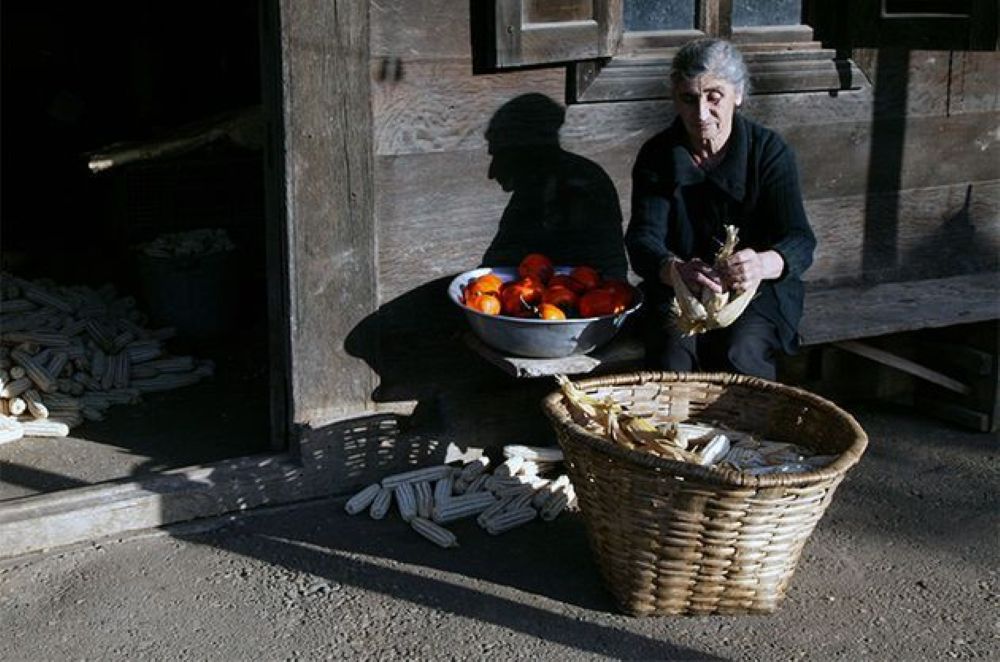
Journalists from Ziarul de Gardă set out to see what these shelters look like today. What they found was bleak: rusted doors, broken staircases, wires hanging from ceilings, debris scattered across the floors. In some bunkers, relics of the Soviet past remain — metal drums, old beds — but more often these spaces have been repurposed as storage for potatoes and preserved foods.
Even in the few shelters that retain a semblance of basic infrastructure — electricity, ventilation, sealed doors — there is little certainty that any of it would function when needed.
How It Came to This
For decades, Moldovan authorities have failed to manage this sector in any systematic way. There is no comprehensive inventory, no clear maintenance protocols, no plans for modernization. “We don’t even know the true condition of these structures or whether they could save lives at all,” experts acknowledge.
Against this backdrop, the statistics are especially тревական. Since the start of the war in Ukraine, more than 20 drones and missiles have violated Moldova’s airspace; ten of them have fallen on its territory.
Lessons From Ukraine
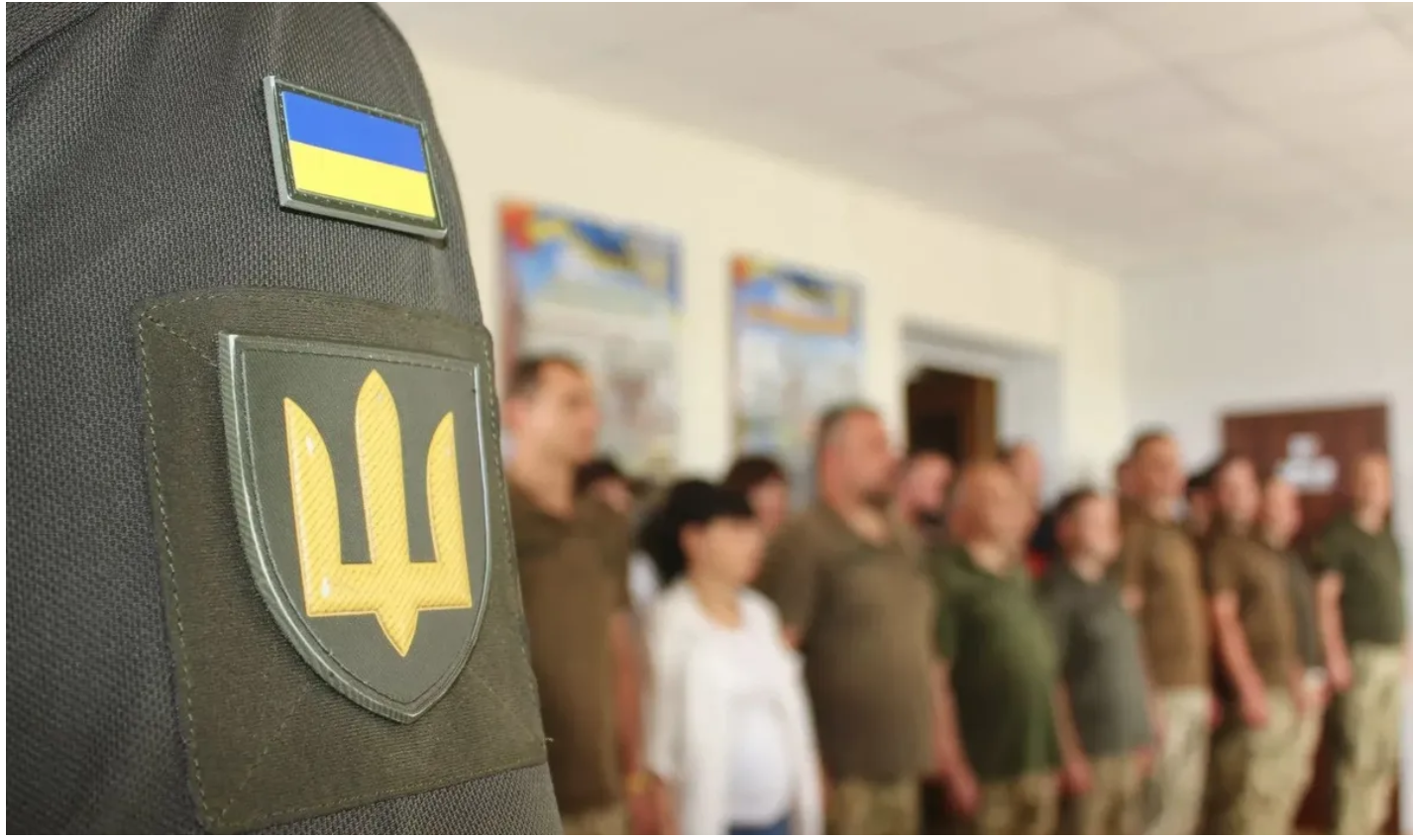
Ukraine’s experience offers a stark lesson: without a clear strategy and sustained investment, a reliable civil defense system cannot be built. Over three and a half years of full-scale war, authorities there have mapped shelter locations, introduced mobile protective structures in frontline cities and begun constructing underground schools for children.
Yet even with these efforts, Ukrainian officials estimate that adequate shelters are available to only about half the population. In areas near the front lines, the situation is more acute still: basements and makeshift refuges offer no guarantee of safety.
Europe: From Disorder to System
The Baltic states, long aware of their exposure to potential threats, have taken a different path. Lithuania, for example, has doubled the number of its shelters in just two years; today, they can accommodate more than half the population. A new law now requires shelters to be built into every new public building and apartment complex.
Finland stands as a model. The country has some 50,500 shelters for a population of 4.8 million. In Helsinki, nearly every neighborhood has access to a bunker, and the largest — such as the Merihaka complex — serve in peacetime as parking garages, sports facilities and community centers. Residents know that, in an emergency, they can rely on up to 72 hours of autonomous protection.
The Caucasus Context
Moldova’s situation bears an uncomfortable resemblance to conditions in other parts of the post-Soviet space, including the South Caucasus. Bunkers and basements built during the Soviet period still exist on official inventories, yet in many cases their condition has not been properly inspected for decades.
In Georgia, for example, civil protection only returns to the public agenda after military escalations or natural disasters. There are no large-scale drills, no publicly accessible maps of shelters, and no sustained information campaigns for the population. Many people simply do not know how they would be expected to respond in the event of an emergency.
What Comes Next
Moldovan experts are unanimous: there is no time left for hesitation. They call for a full audit of all protective structures, the modernization of at least the major facilities in urban areas, publicly available shelter maps, and systematic civil defense training for the population.
For now, however, the response remains limited to discussions and occasional inspections. Against the backdrop of war in a neighboring country, drones in the skies, and growing geopolitical instability, the situation feels increasingly precarious.
The story of Moldova’s bunkers is not only about the past, frozen in Soviet-era concrete. It is also a reflection of inaction — one that could prove costly if the sirens ever sound for real.
With support from Mediaset
exchange