'What will we choose: hostility or good neighbourly relations?' View from Abkhazia on Georgian-Abkhaz relations






Abkhaz public figure Akhra Bzhania reflects on the prospects for Georgian-Abkhaz relations.
While criticising the Georgian side for what he sees as its refusal to recognise Abkhaz identity, he nevertheless believes the two sides can reach an understanding — if they are willing to do so.
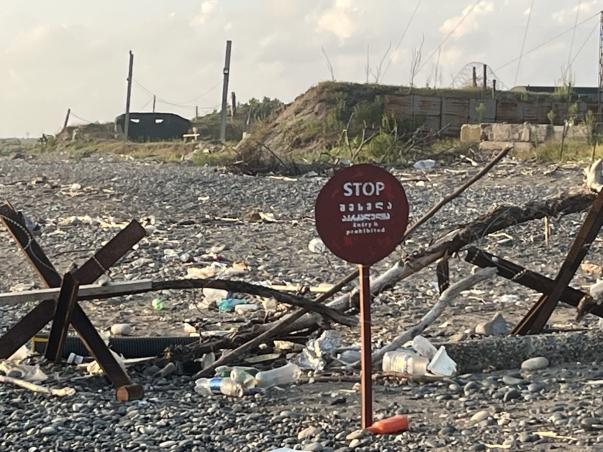
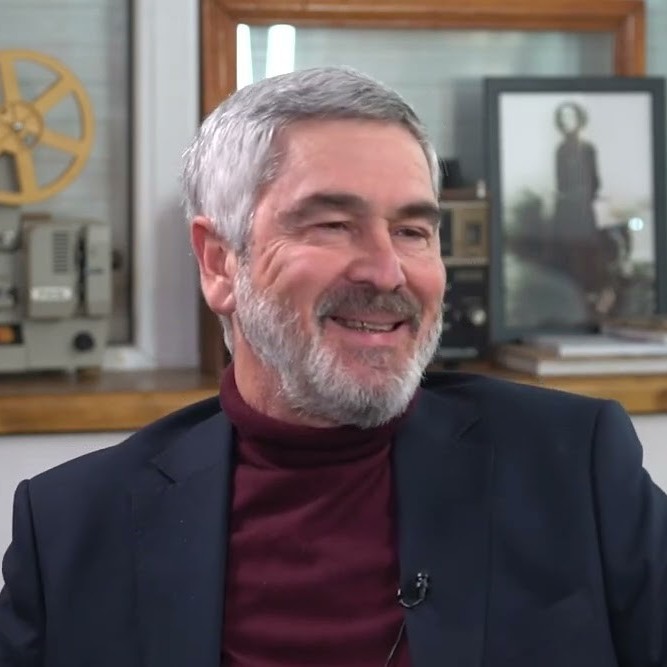
Akhra Bzhania: “Georgian online media constantly promote the narrative of pseudo-democracy in Abkhazia and its total political dependence on Russia. But let me remind you that in 2024, Abkhazia refused to ratify an investment agreement with Russia because it was considered discriminatory. There have been many such examples during the 18 years since Moscow recognised Abkhazia’s independence.
Yes, we want greater freedom of action, and we want to govern the country more effectively. In fact, there are many things we would like to learn from Georgia in that respect. But Georgia is hardly in a position to criticise us over dependence and the decline of democratic institutions. Few in the world would now describe Georgia as a country that successfully transitioned from dictatorship to democracy. A slide towards authoritarianism, however, is a different matter. The sanctions imposed by the United States and several other countries on leaders of the ruling party only reinforce that perception.
Democratic values must be demonstrated in practice, not just proclaimed. That means not imprisoning political opponents, not falsifying elections, not adopting laws that restrict citizens’ rights and undermine their dignity, and not benefiting from parallel imports while publicly championing European integration. I am not condemning anyone. It is understandable that the Georgian government pursues such policies because it needs to keep the economy afloat. But if that is the case, then it should not accuse us of dependence.
What angers me most, however, is the arrogance with which some Georgian political activists question the self-identification of the Abkhaz people, denying their historical and cultural connection to their homeland.
And after that, we are told that we should live together in a single state. One can only imagine what the attitude towards Abkhaz people would be in such a confederation. Then again, there is no need to imagine it. We already experienced it during the Soviet period, and we have no intention of returning to it.”
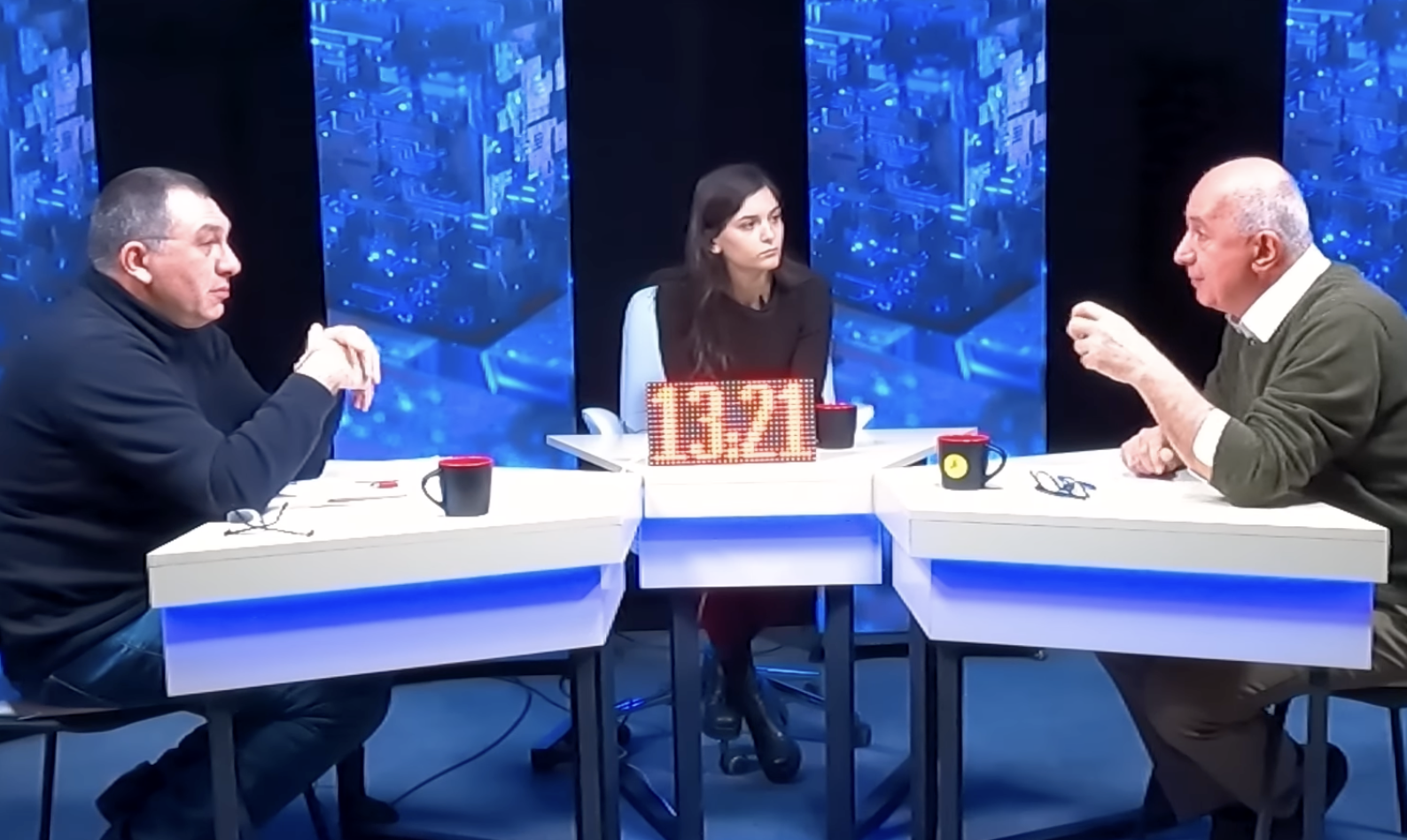
“Nevertheless, we must make plans for the future based on the realities of today. Of course, we can go on cursing each other indefinitely and threatening one another with dire consequences, but will that produce any results in the present? I do not think so.
This raises the question of whether direct, official dialogue between Abkhazia and Georgia is necessary and possible. At the moment, it does not seem realistic. Yet our world is driven by interests. If we assume that, despite all the barriers, mistrust and mutual grievances, steps towards rapprochement could provide a new boost to both economies and strengthen the positions of our countries, then perhaps there is something worth considering.
Before any of that, however, it seems to me that the president of Abkhazia should bypass all official barriers and address the people of Georgia directly, urging them not to dwell on the past but to think about the future. He should remind them that there is not a single Abkhaz family that did not lose someone as a result of the war between our peoples. He should demand respect for our choice, because even enemies are respected in the Caucasus.
Neither war nor blockade has affected, nor will they ever affect, our determination to remain an independent state. You call us an occupied territory, while your former friends describe you as an authoritarian country under Russia’s political influence. Perhaps the time has come to abandon ideological labels and simply call each other Abkhazia and Georgia?”
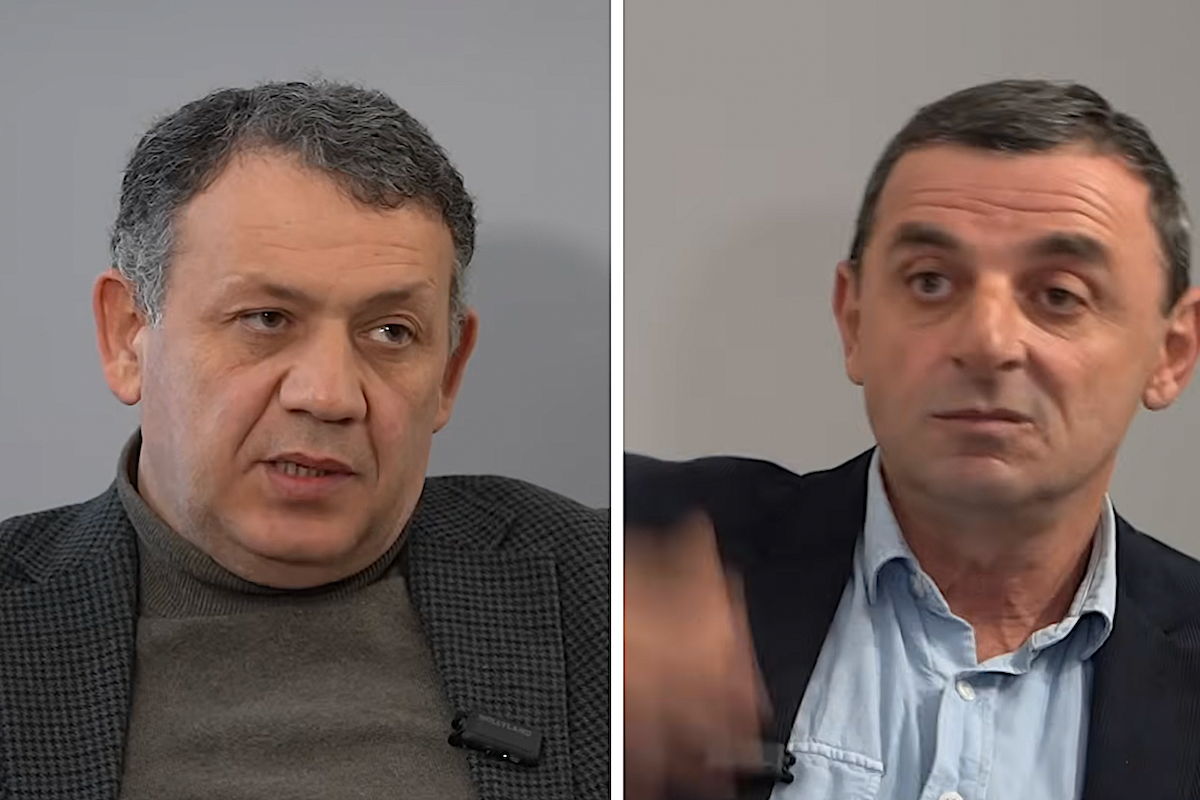
“We are a peace-loving people, and there are no eternal enemies in history. International logistics, energy, agribusiness, recreation and tourism are only a small part of what could receive a powerful boost in both countries if our differences were resolved.
What will we choose: to leave hostility as an inheritance to our children, or to build good neighbourly relations for the benefit of our countries and the entire Caucasus?”
The terminology, place names and views expressed in this article are those of the author and do not necessarily reflect the editorial position of this website.
Prospects for Georgian-Abkhaz relations