Two teenagers arrested in Tbilisi over alleged plot to attack school: what we know


School attack plot in Georgia
Two 14-year-olds have been arrested in Tbilisi on suspicion of planning an attack on a school and acts of violence against pupils. They attend different schools and communicated with each other through social media.
According to the prosecutor’s office, the teenagers had already chosen a specific school and planned their actions.
- Sixteen neo-Nazi group members arrested in Georgia
- 13 supporters of neo-Nazi groups and fascist ideology have been arrested in Georgia
- Opinion: New law on offenders under 14 could violate children’s rights in Georgia
One of the teenagers has already been remanded in custody. The court is due to hold a hearing on the second suspect today.
What we know about the case
The Georgian outlet Sando Tskaro was the first to report the teenagers’ arrests. According to its report, police detained 14-year-old S.T. on the afternoon of Thursday, 22 October.
The following day, 23 October, police arrested the second teenager at his home. The first suspect exercised his right to remain silent, while the second denies the charges against him.
Police searched both teenagers’ homes. They seized a number of items, including a starter pistol, ammunition, pepper spray, gloves, a helmet and a knife.
The father of the first suspect, S.T., told Sando Tskaro that he did not know who the teenager was with whom his son had allegedly planned to commit the crime.
According to the father, the teenagers communicated through video calls on Telegram and TikTok.
He said they had discussed the 2011 terrorist attacks in Oslo. They had also talked about films based on real events that depicted acts of violence.
The prosecutor’s office has largely confirmed this account. It issued an official statement only after the information had already appeared in the media.
According to the statement, the teenagers met in April and May 2026. They chose a specific school in Tbilisi, studied its layout and began preparing an attack.
The prosecutor’s office says the teenagers planned to place a dummy explosive device outside the school. This would have allowed them to enter the building undetected, cause a disturbance and use weapons to injure people inside.
“They acquired various items and created all the necessary conditions to commit the crime. However, they failed to carry out their plan because law enforcement officers uncovered their activities,” the prosecutor’s office said.
Defence lawyer’s position
Gia Darchia, the lawyer representing one of the teenagers, told Radio Liberty that the prosecution had no evidence in the case.
According to Darchia, the case file contains only two days’ worth of messages from October, none of which mentions organising anything.

According to the defence, the items seized from the suspects’ homes as evidence were intended for personal use. They included souvenirs given to them by their parents and ordinary household objects. The lawyers argue that any claims that the teenagers were “preparing to commit a crime” are therefore entirely “unserious”.
“These people did not know each other. They had never even seen each other and had made no attempt to meet. What is more, they had never been to the school they allegedly planned to attack.”
The lawyer says his client would not even recognise the second suspect if someone showed him to him. He notes that his client had never seen a photograph of the other teenager, who used an avatar on social media. He also stresses that the teenagers never communicated via video calls.
The defence lawyer says the investigation began after the second suspect published a social media post calling for violence. However, the case file contains neither a screenshot nor any other visual evidence that the post existed. The lawyer argues that neither the investigative materials nor interviews with the suspects indicate any links between the teenagers and radical groups. Nor had anyone observed any suspicious behaviour on their part.
“They had no intention of blowing anything up or harming anyone. There is no basis for talking about any kind of organised activity,” he says.
The lawyer representing the second suspect has declined to comment to the media at this stage.
Authorities have opened a criminal case under Article 225, parts 1 and 2, of the Criminal Code. The article covers organising group actions involving violence, looting, damage to or destruction of other people’s property, and the use of weapons. It also covers preparing to take part in such actions.
The article provides for a prison sentence of six to nine years.
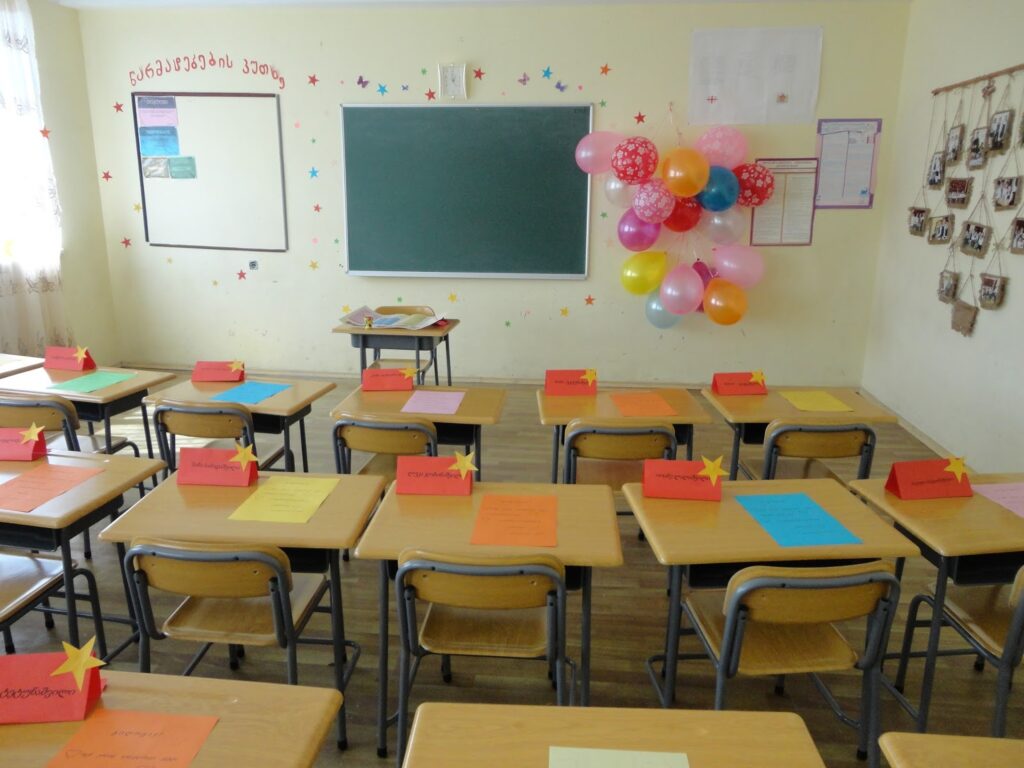
School attack plot in Georgia