Helipad and hotel: how a monastery linked to the Russian Patriarchate lives in Ukraine






The Russian Church in Ukraine
Originally published by Hromadske
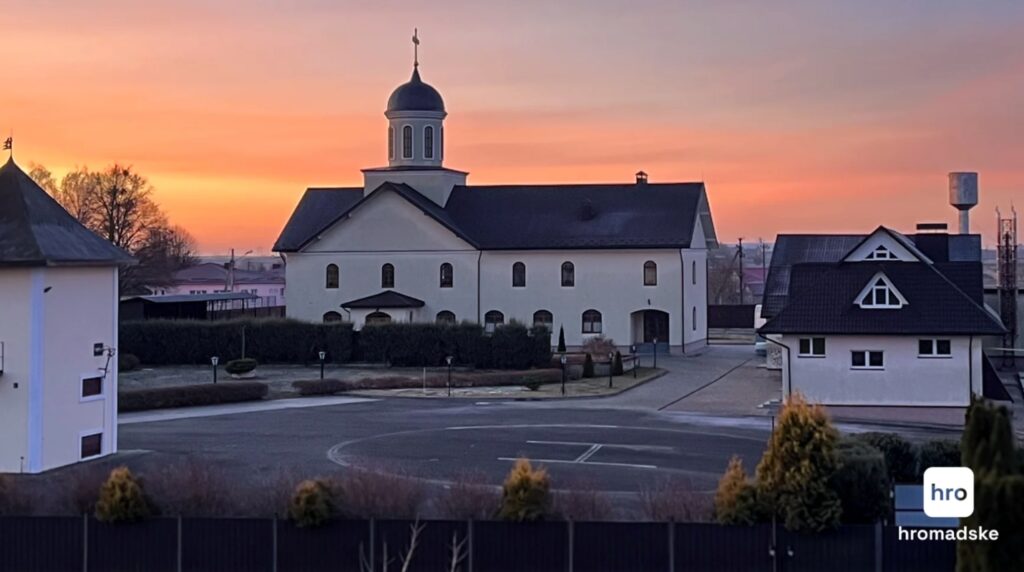
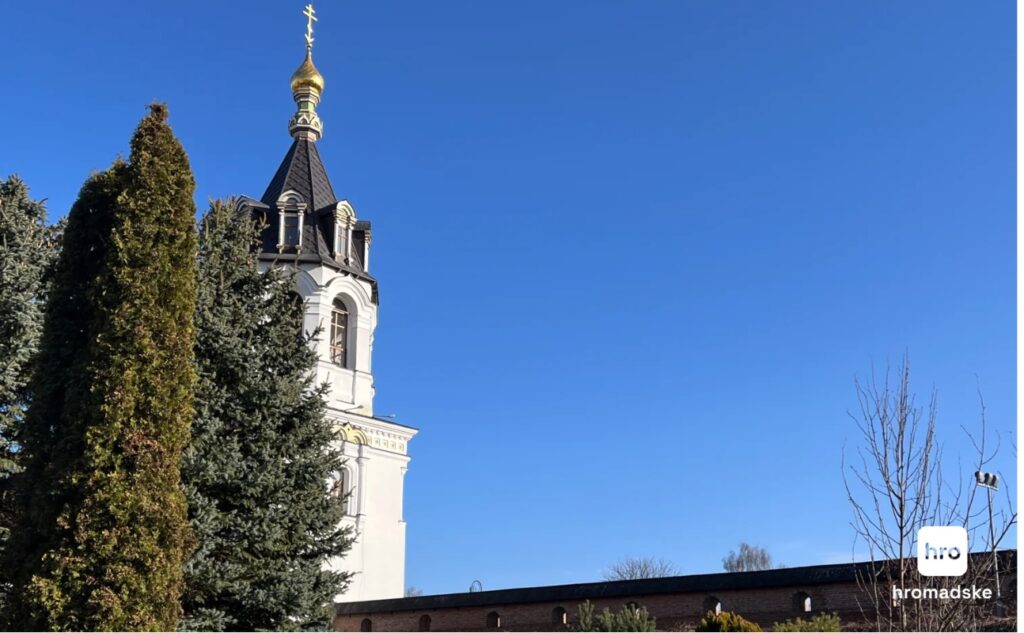
The Zymne Convent in the Volyn region is one of the oldest monasteries in Ukraine and a site of national architectural significance. At the same time, it is the subject of disputes over the activities and influence of religious structures of the Ukrainian Orthodox Church of the Moscow Patriarchate (UOC-MP).
From ruins in 1991 to a modern complex covering more than 16 hectares, with utility buildings, a hotel, and a helipad, the monastery has been rebuilt over decades with the involvement of political elites.
Over the years, former presidents Leonid Kuchma and Viktor Yanukovych have visited the monastery, as well as Patriarch Kirill, representatives of the banned Opposition Platform — For Life, including Viktor Medvedchuk, who is considered the politician most closely linked to the monastery. This connection was also confirmed by the abbess.
“Abbess Stefana, as long as I can remember, was always referred to as Medvedchuk’s godmother,” says journalist Zoryana Bodyalova.
Where are the rumors and where are the facts? What were the results of inspections of the monastery by the Security Service of Ukraine? Is it true that its religious buildings are leased to the UOC until 2069? Journalists from the Ukrainian outlet Hromadske set out to find how the monastery lives and whether it has ties to Russia.
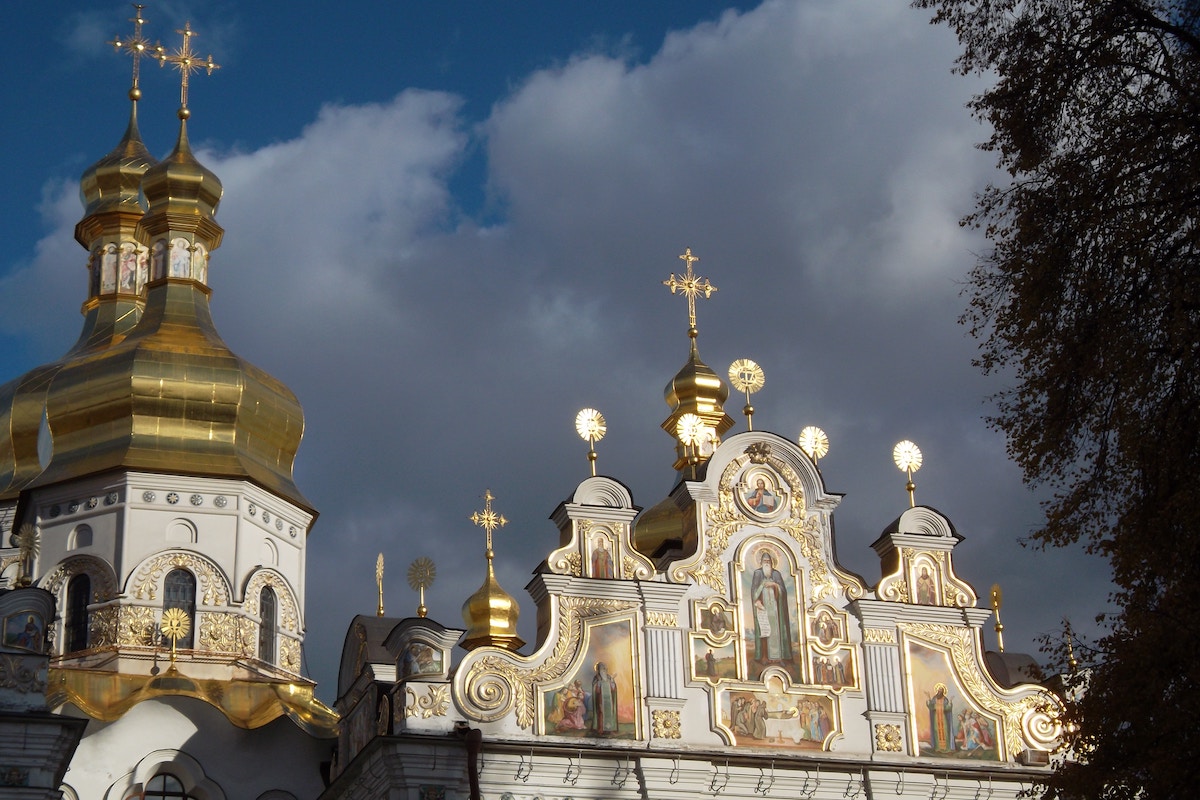
“We revived this monastery. Why destroy it?”
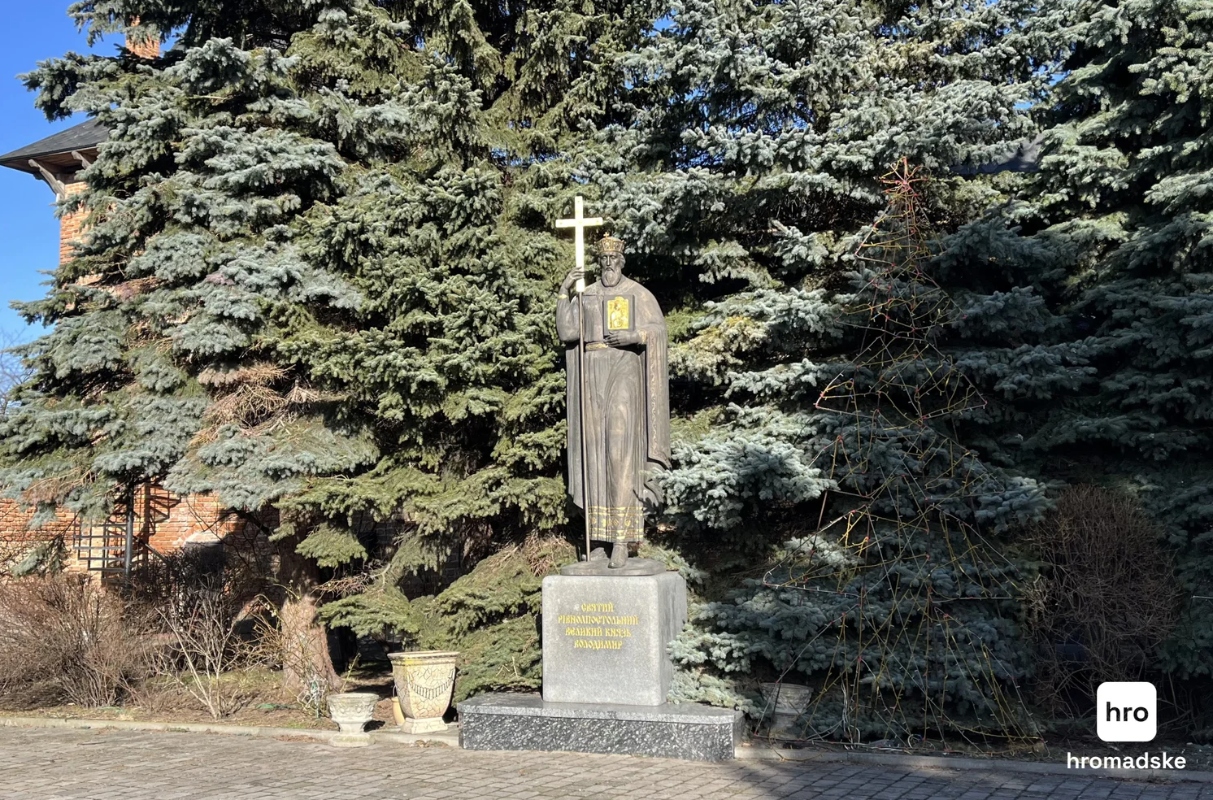
The first written mention of the monastery dates back to the late 11th century. The first Volhynian saints lived here, and Nestor the Chronicler is also said to have visited. According to legend, even earlier the monastery was founded by Vladimir the Great: on a high bank of the Luga River, he built two churches and a winter princely residence, surrounded by fortress walls and defensive ramparts.
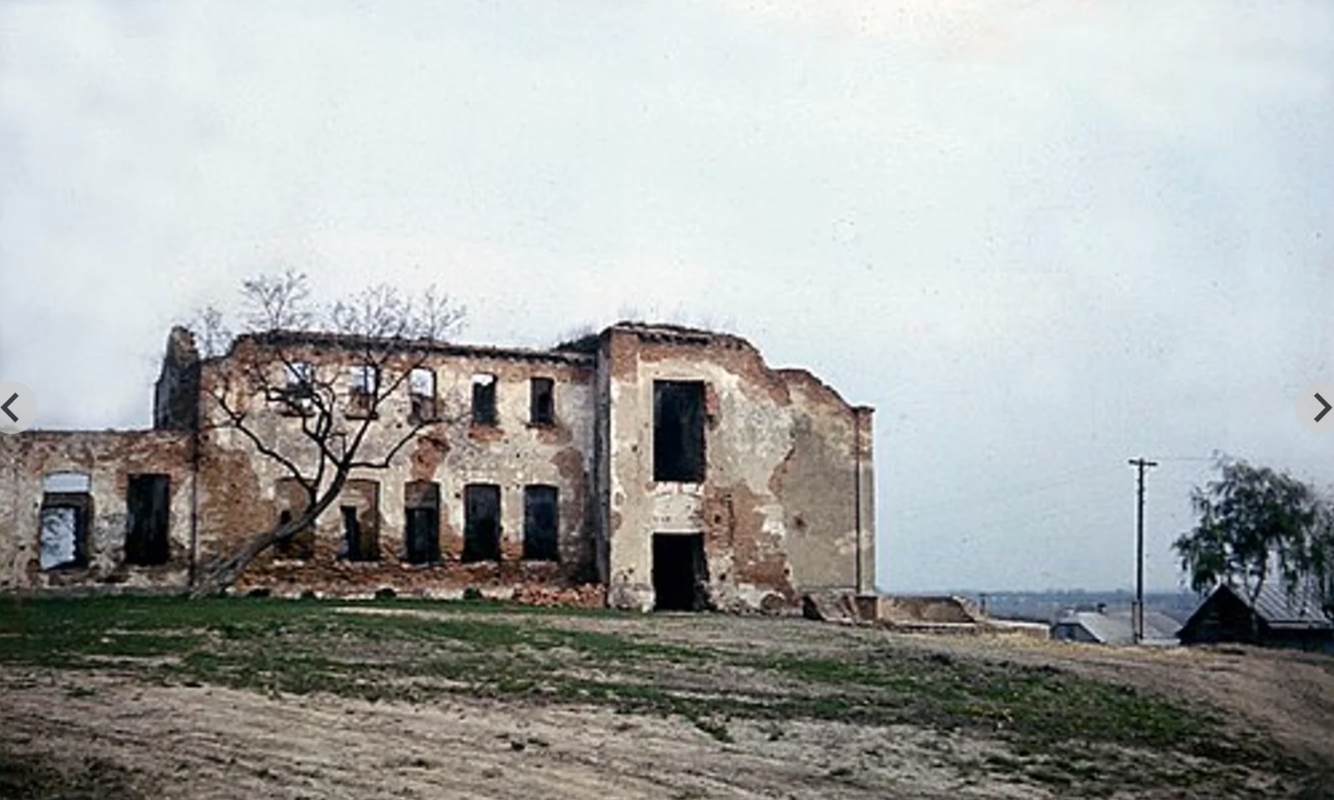
At first, the monastery was a men’s monastery. In the 18th century, it was devastated during the period of Uniate control. A century later, it began to be revived as a convent. In 1939, it was closed by the Soviet authorities. Only in 1991 did the first residents arrive in the village of Zymne (a suburb of Volodymyr), to a monastery that was almost in ruins.
Among them was Stefana, who for 34 years has served as the abbess of the Sviatohirsk Dormition Zymne Convent.
“We came to ruins after the communists. There was not one stone left upon another here, the walls had been dismantled. But we revived this monastery for the Ukrainian people. It’s not Muscovites who come here… And the church flourished. Why destroy it today?” Abbess Stefana said in one of her latest interviews, responding to accusations about the ties of the monastery’s benefactors with Russia.
Two years earlier, she warmly welcomed Oksana Marchenko, the wife of Viktor Medvedchuk, on the monastery grounds. Marchenko was filming another episode of “Pilgrim” in Zymne; the abbess called her “dear mother” and said they had known each other for many years. Mother Stefana was also among the honored guests at the wedding of Medvedchuk and Marchenko back in 2003.
A hotel for 100 hryvnias and few pilgrims
— Do many people come here now?
— Few, very few… — the guard laments.
A four-story hotel opposite the monastery, which can accommodate more than 150 pilgrims in six-person rooms and hosted displaced people at the beginning of the full-scale war, now stands virtually empty. Even though staying here (including meals) costs only 100 hryvnias per day (about $2).
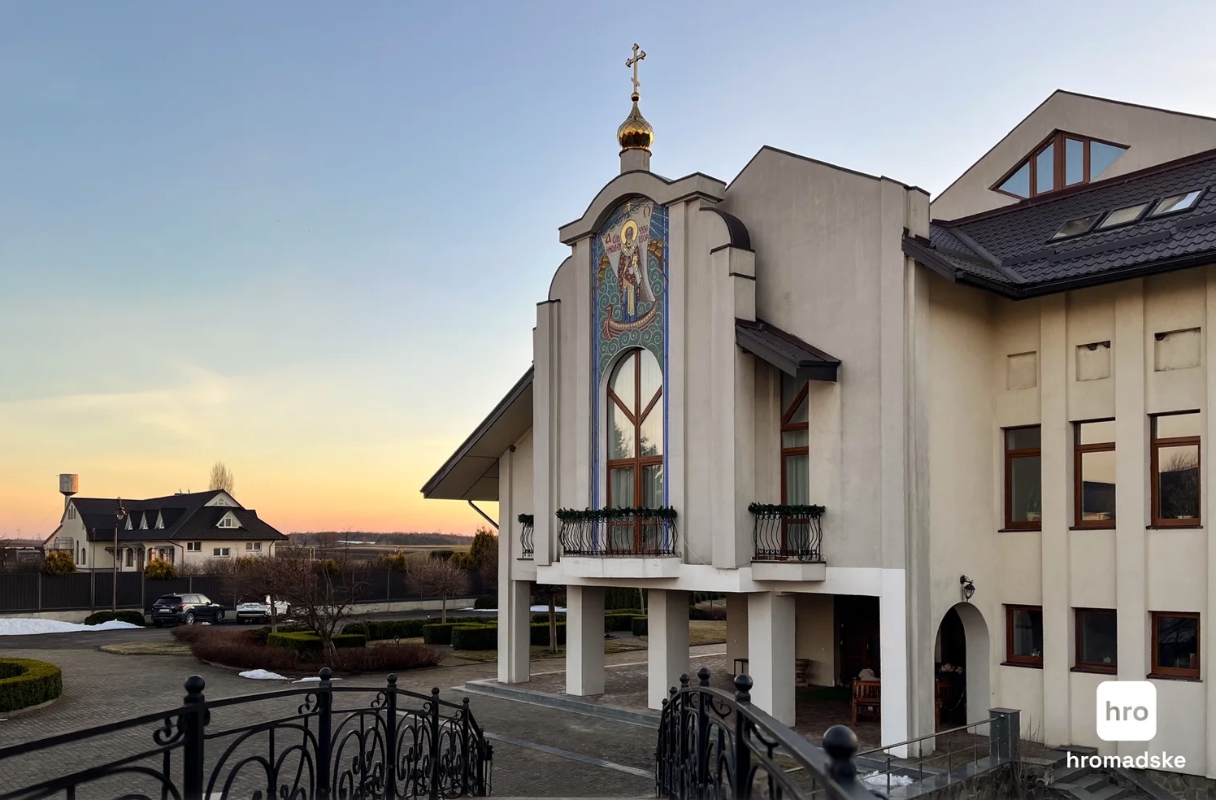
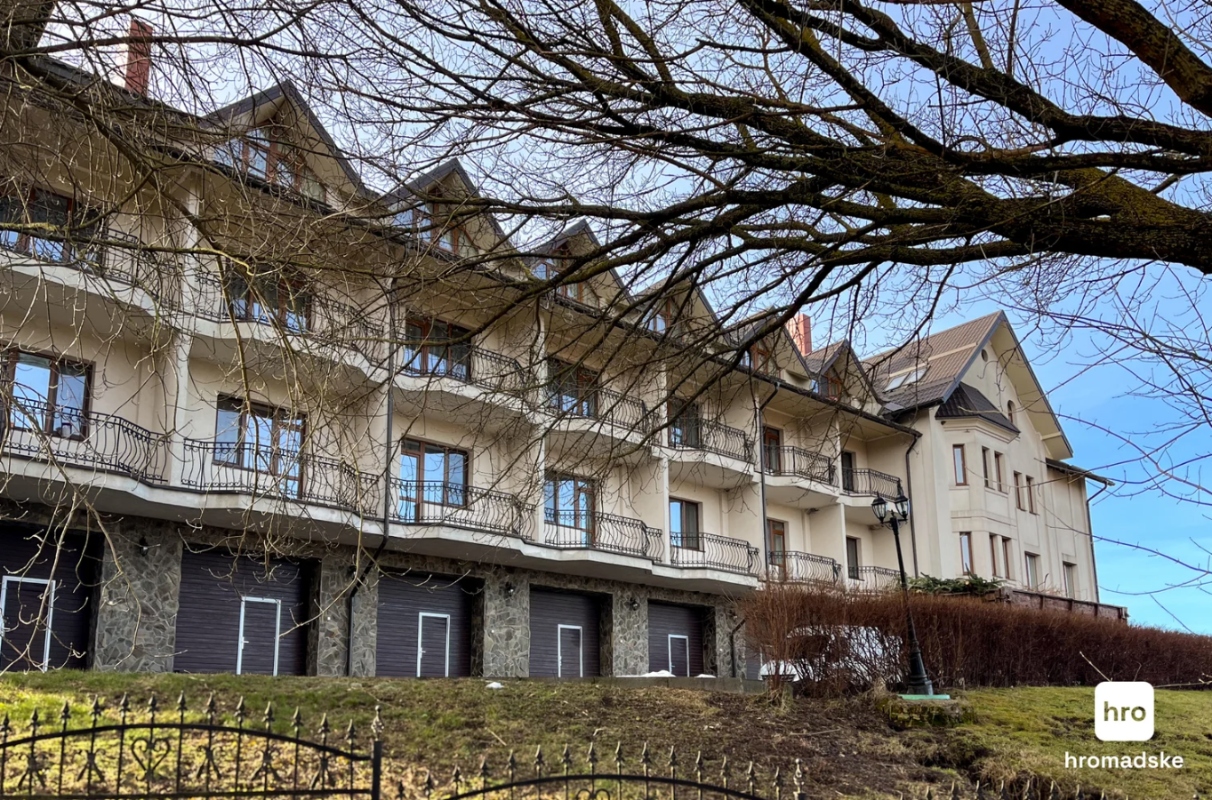
The grounds are well maintained—besides churches, a bell tower, and monastic cells, there is a choir regents’ school, a small dairy farm, garden plots, a refectory, a sewing workshop, and even an ophthalmology center, where a doctor from Lutsk comes every weekend. About a dozen workers take care of the хозяйство (estate).
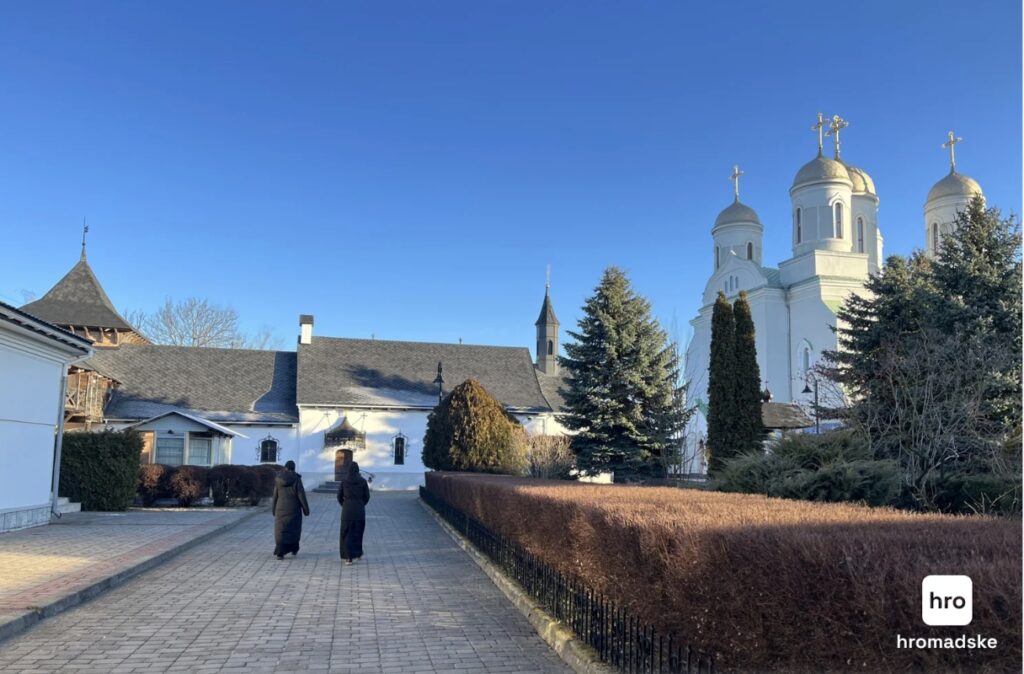
“We remember the soldiers every day. We pray for the fallen and the missing. It is a terrible time now, and prayer is for the war to stop and for the persecution of the Orthodox faith to end,” says one of the nuns. There are about forty of them in the monastery.
A local resident adds that almost every household has someone fighting, killed, or taken prisoner. One of the nuns has a son, an officer, who has been in captivity since the first days of the war. And there are fewer people coming to the monastery now.
“People used to come, but now everything has been stirred up…” she says, referring to the transition of communities from the Ukrainian Orthodox Church (Moscow Patriarchate) to the Orthodox Church of Ukraine.
The nun complains: “People are being incited and divided. They say: ‘these are katsaps, Russians.’ But this has always been the Ukrainian Orthodox Church. It belongs to God and is subordinate to no one. Kirill came—so what? That is already history.”
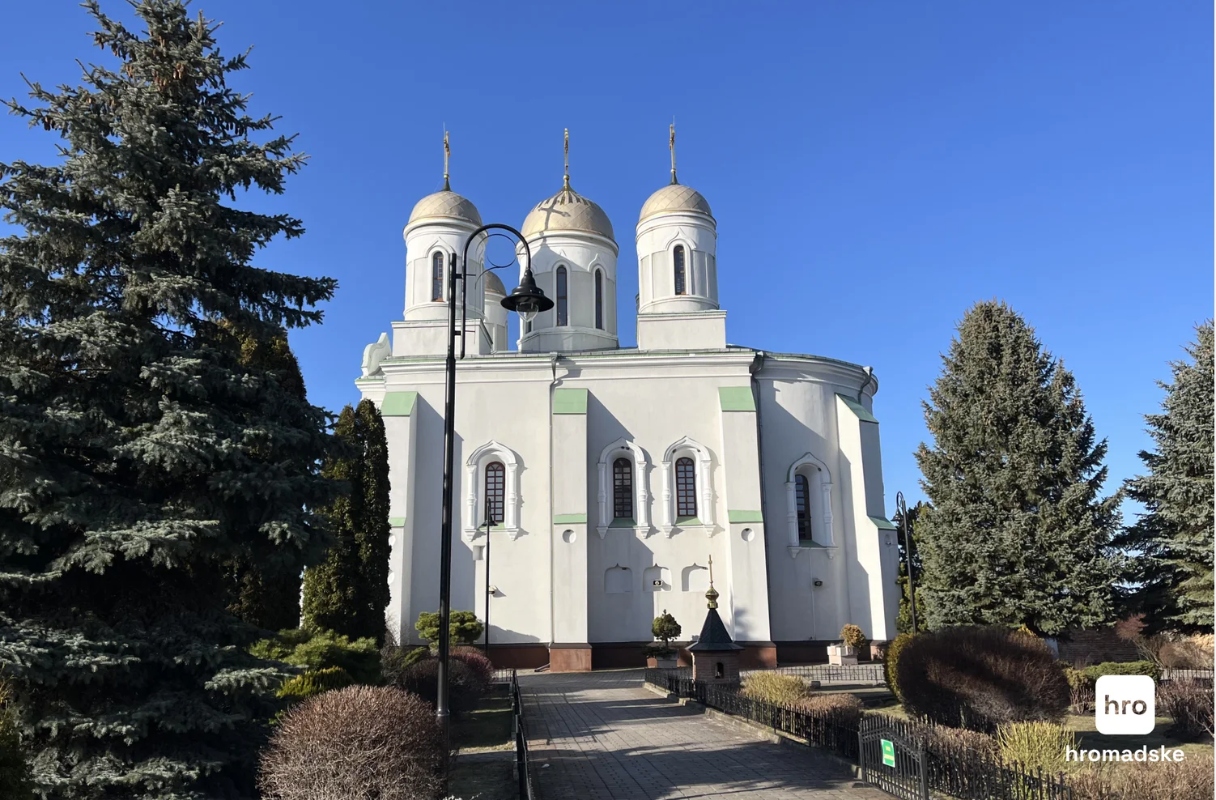
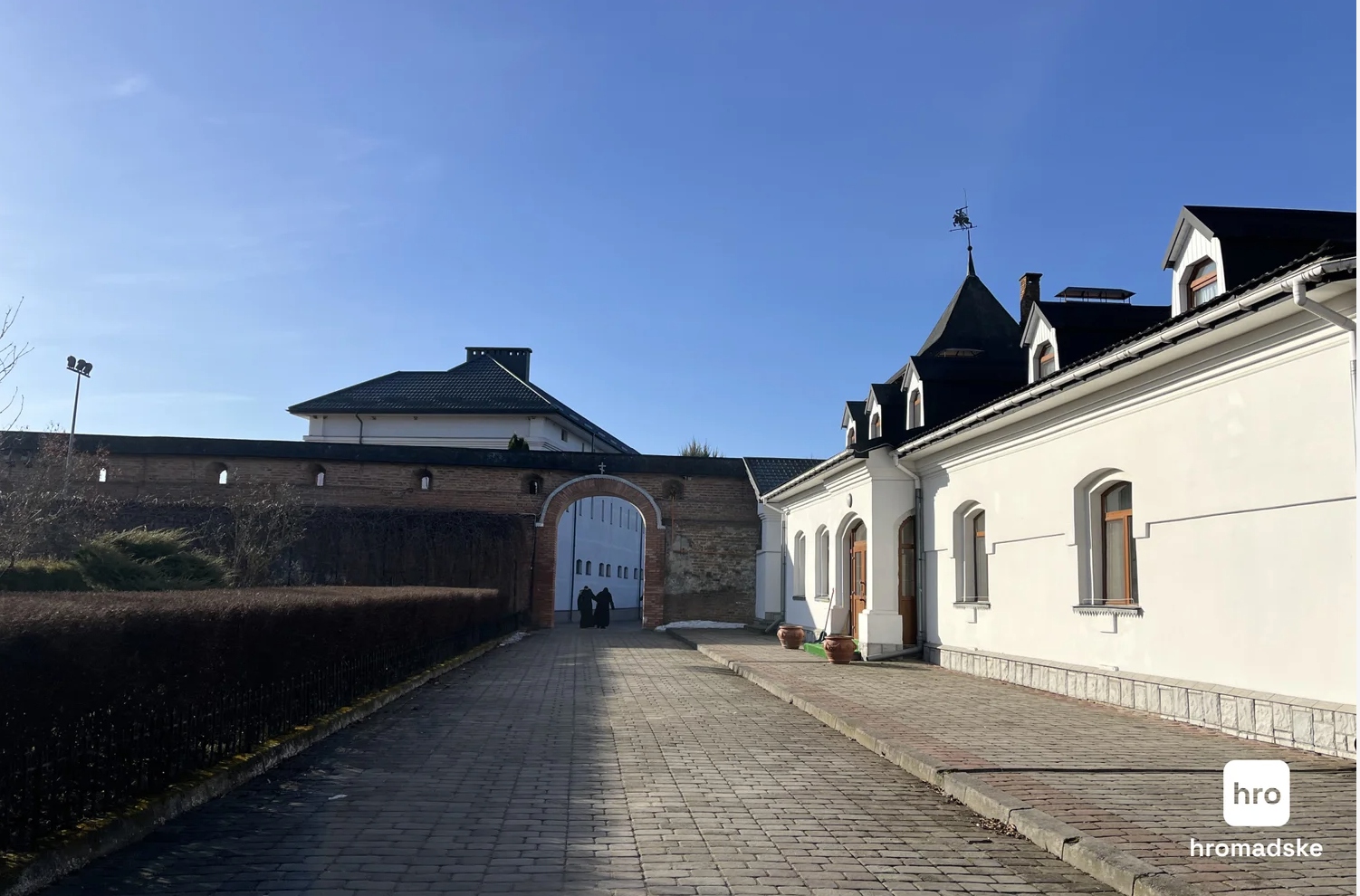
The pilgrimage hotel comes to life when groups arrive. For example, an event for women and children of fallen soldiers has been held here for the third time: workshops, guided tours, psychological sessions, and a meeting with the abbess.
According to the monastery, around 30 women received “spiritual support and consolation.” However, the monastery did not answer questions about how psychologists are selected or where the funding comes from, including for maintaining the complex. Abbess Stefana declined to give an interview.
“There is no connection with the Medvedchuks, but I pray for them”
During several days at the monastery, no openly pro-Russian narratives were observed. It has stavropegial status and is subordinate to the primate of the Ukrainian Orthodox Church (UOC-Moscow Patriarchate), Metropolitan Onuphry, but not directly to the Russian Orthodox Church, unlike, for example, the Korets Monastery. No comments were obtained regarding ties to Medvedchuk or its funding.
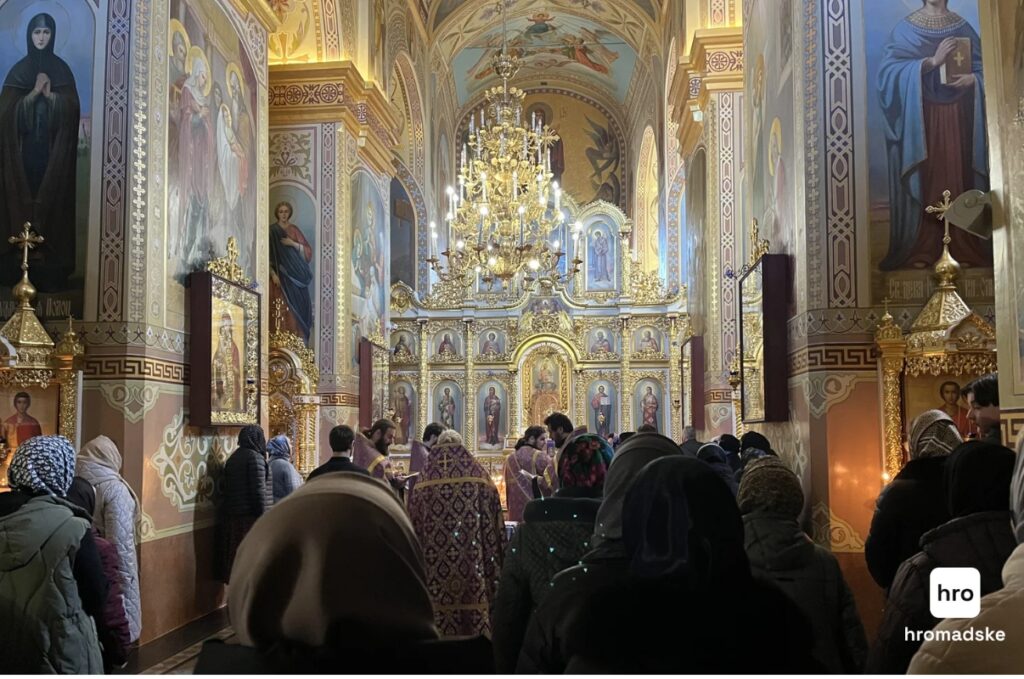
According to a 2023 interview with local journalists, when asked about the monastery’s possible transition to the Orthodox Church of Ukraine (OCU), she replied:
“We are in obedience to our Beatitude Onuphry. Therefore, we do not make decisions ourselves. Our main task is to pray for peace, calm, and prosperity in Ukraine. I pray for everyone, especially for the soldiers—morning and evening,” the abbess said.
She also confirmed that the monastery was financed and had ties to Viktor Medvedchuk. Despite suspicions of high treason and his current stay in Russia, she has not changed her position.
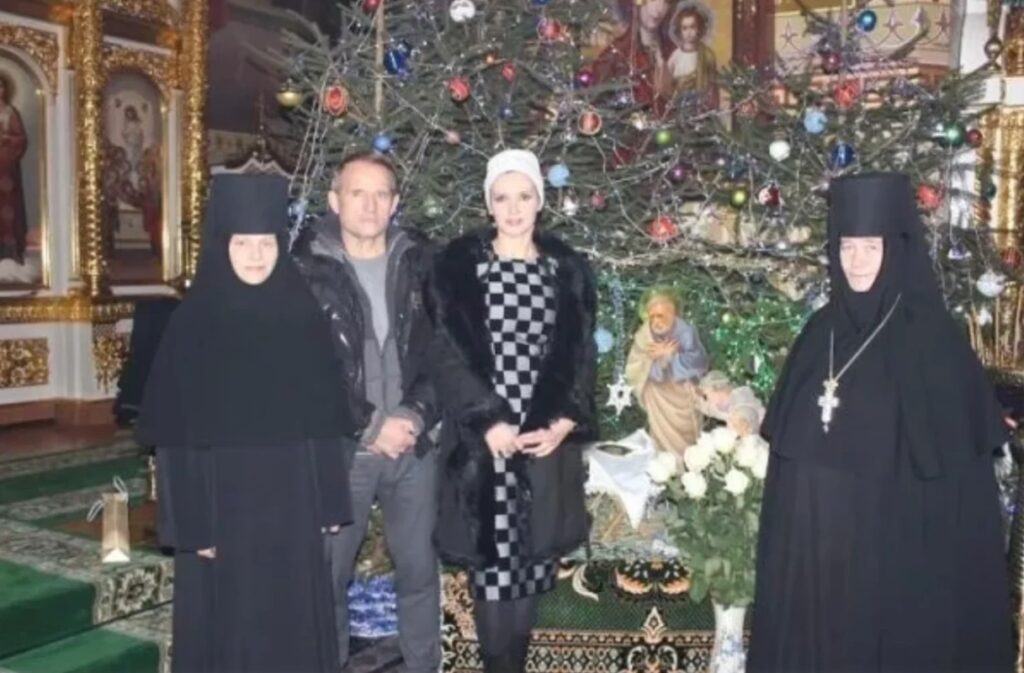
“I do not betray God, and I do not betray people. We have no ties with the Medvedchuk family, but I pray for them every day—they did a lot for the revival of the monastery. He helped personally, not as a politician. I do not interfere in politics. I spoke to him about the church and about history. I know how to live according to the Gospel,” the abbess said.
She added: “Let politicians decide things themselves, but the Church should not be touched. This does not go unpunished. The Church is eternal, God is eternal. It has already been fought against—and it has always lost.”
Question for the Security Service of Ukraine?
From the window of the pilgrimage hotel, a helipad is visible, which was used by Metropolitan Onuphry and Viktor Medvedchuk with Oksana Marchenko.
Right next door, literally across the fence, is the village council. Its head, Vyacheslav Katolik, says he has nothing bad to say about the monastery and, apart from charitable donations, he knows nothing about its funding.
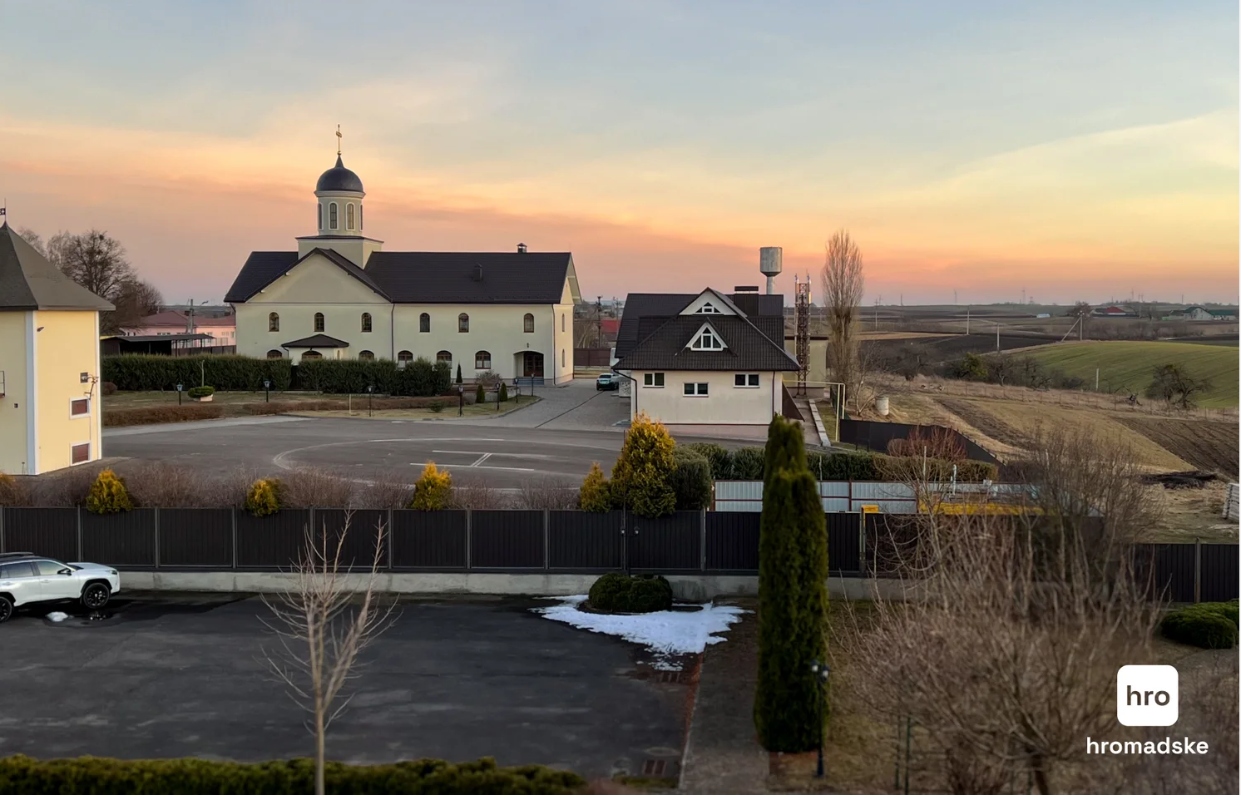
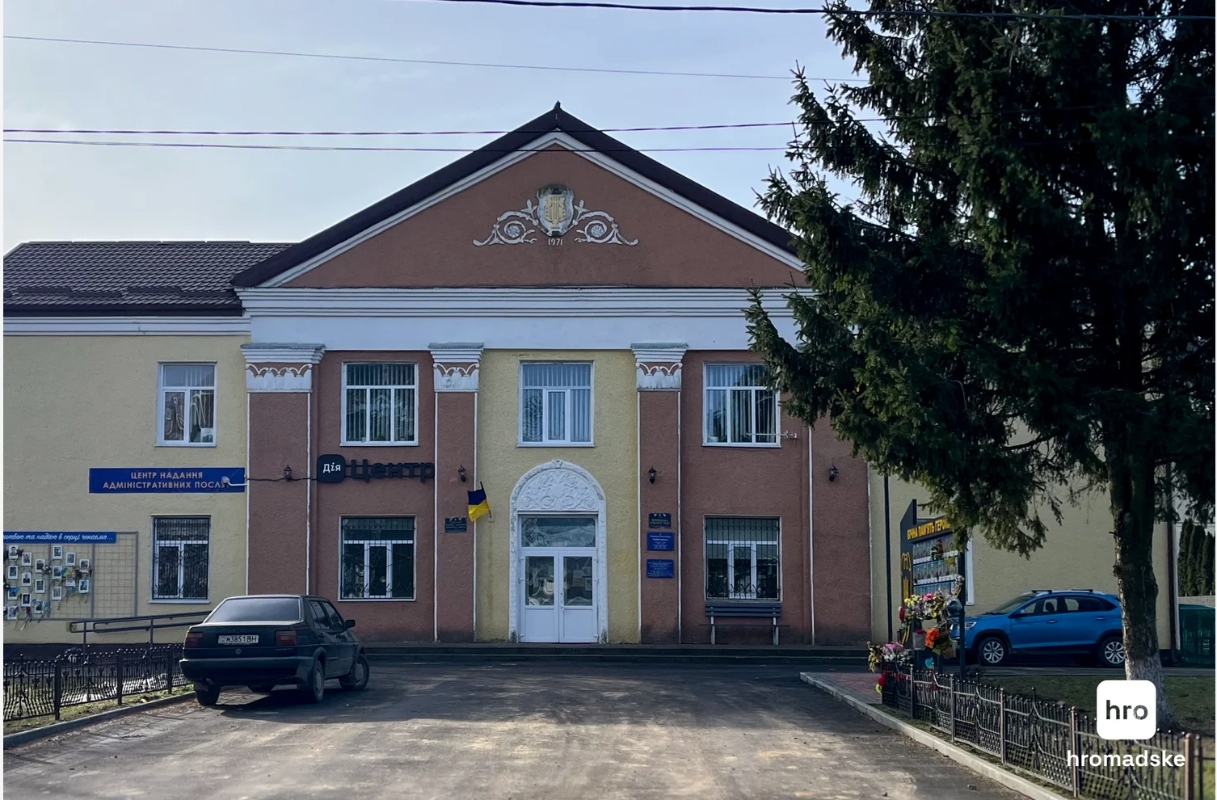
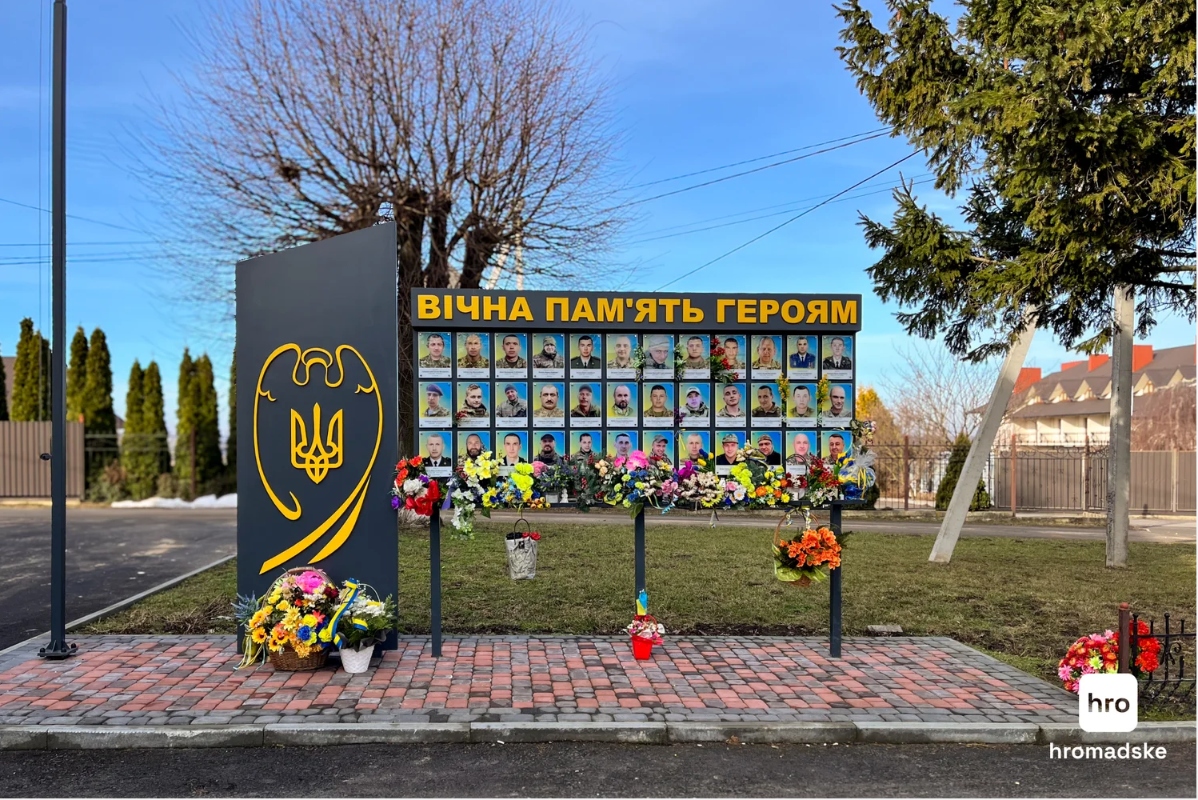
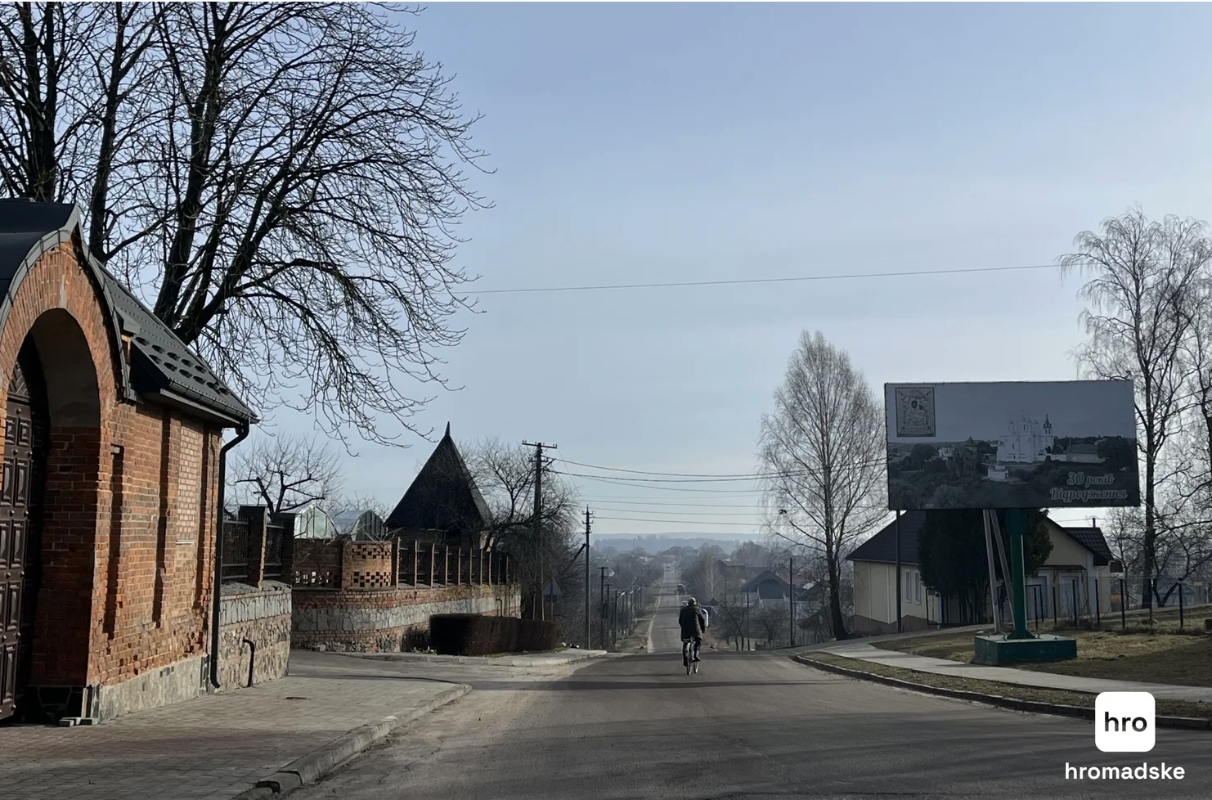
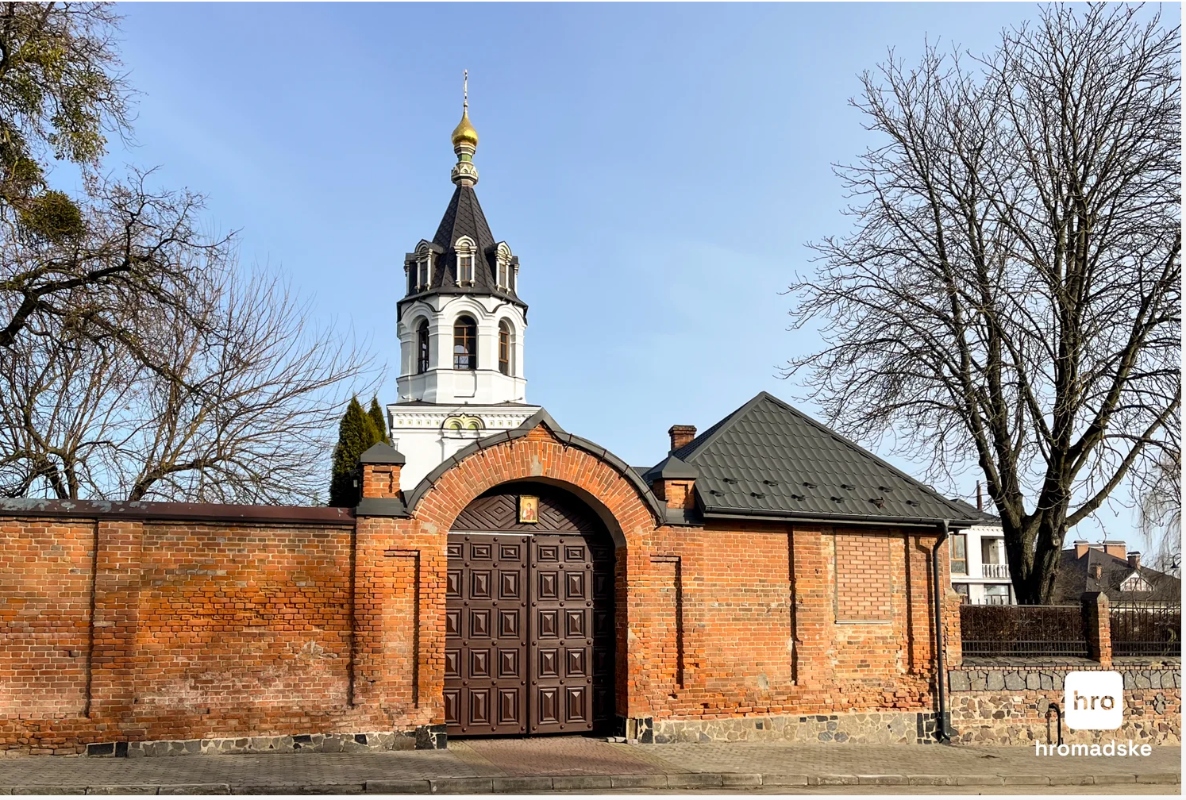
“The helipad is just a parking spot with the letter ‘H’. There is more fiction than reality in that. No one flies there now. And I have never heard anyone in the monastery say anything against Ukraine, the army, or promote pro-Russian views,” says the head.
According to him, the Security Service of Ukraine inspected the monastery in 2022 and found nothing. The question of terminating the lease, despite the law banning religious structures linked to Russia, is not within the competence of the village council.
“First, the decision is made by the church community, and then at the level of the Regional State Administration. I don’t see a problem—this is being blown out of proportion. If there are questions, they are for the SBU. There was an inspection: the area was cordoned off, they searched, but found nothing,” he adds.
After his visit to the monastery, some users were outraged that he is a parishioner of the UOC. He responded that he has attended there since childhood and dreams of the unification of the UOC and the OCU.
A 50-year lease agreement
By decisions of the village council between 1992 and 2021, at least five land plots with a total area of nearly 16 hectares were transferred to the monastery for permanent use.
According to a contract obtained by hromadske, in 2020 the religious buildings, which are state property, were transferred to the monastery for free use for 50 years—until December 31, 2069.
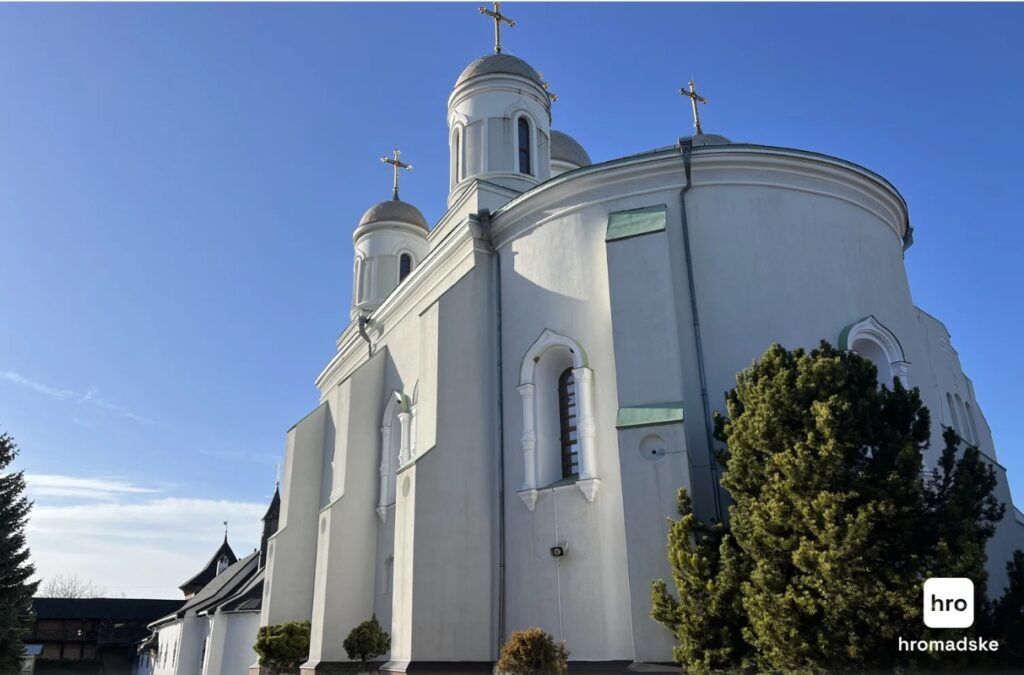
The Volyn Regional State Administration (OVA) can initiate amendments or termination of the agreement, but it is drafted in such a way that unilateral withdrawal is not permitted.
At the same time, the state does have leverage, says Volyn MP Ihor Guz, who appealed to the National Security and Defense Council (NSDC) regarding the monastery. According to him, court decisions and sanctions are possible if there is a threat to national security.
“The state is moving, albeit slowly. But in the event of a threat to national interests, decisions can be made. For certain institutions of the UOC—effectively the ROC in Ukraine—this is possible. Medvedchuk was closely connected here, and it is not so easy to remove that. Trust is only possible if there is a break with the ROC and the UOC, but they are unlikely to agree to that,” said Guz.
The State Service of Ukraine for Ethnopolitics and Freedom of Conscience, which is examining the UOC for ties to the ROC, says that the Zymne Monastery has not yet been inspected. So far, court cases concern only two monasteries—Korets Monastery and Holosiiv Monastery.
“We are studying UOC religious organizations by moving from the top of the hierarchy downward. It is impossible to carry out many inspections at once, because the law requires going to court if an organization does not comply with an order. Therefore, we are limited to the capacity of supporting lawsuits,” noted Vyacheslav Gorshkov.
According to data from the Razumkov Centre, after the start of the full-scale war, the share of believers of the UOC (Moscow Patriarchate) decreased from 13% in 2021 to 5% in 2025.
The highest share of UOC (MP) supporters is in the west (10%), while in the central and eastern regions it is 4% each, and in the south—3%.
The share of supporters of the Orthodox Church of Ukraine (OCU) is highest in the center (53%), followed by the south (40%), the east (37%), and the west (30%).
At the beginning of the war, there were 8,782 Moscow Patriarchate churches operating in Ukraine. Over nearly four years, 934 communities have transferred to the OCU. Some have ceased activity or changed jurisdiction, but most continue to operate, often without indicating their affiliation with the MP. In total, 7,826 churches linked to the aggressor state remain.
The OCU states that it currently has around 9,000 religious communities.
exchange