Mikheil Saakashvili: Orban was Putin’s main envoy to Ivanishvili






Georgia’s imprisoned third president, Mikheil Saakashvili, has published a lengthy Facebook post describing what he calls the political transformation of Hungary’s prime minister, Viktor Orban.
Saakashvili levels serious accusations against Orban.
In the post, he claims that Orban acted as an intermediary between Bidzina Ivanishvili and Vladimir Putin, passing on Putin’s messages to the ruling Georgian Dream party.
The former president also says Orban helped Georgian Dream “manage” relations with the United States and received money from Ivanishvili in return. He further claims that in 2015, when he was governor of Ukraine’s Odesa region, Orban asked him to help build ties with Ukrainian oligarchs and suggested they could “make money together”.
Saakashvili says he had a long-standing friendship with Orban and that “he was a good person”. However, he argues that Hungary took an authoritarian turn after 2015, and that it was after this shift that Orban became acquainted with Ivanishvili.
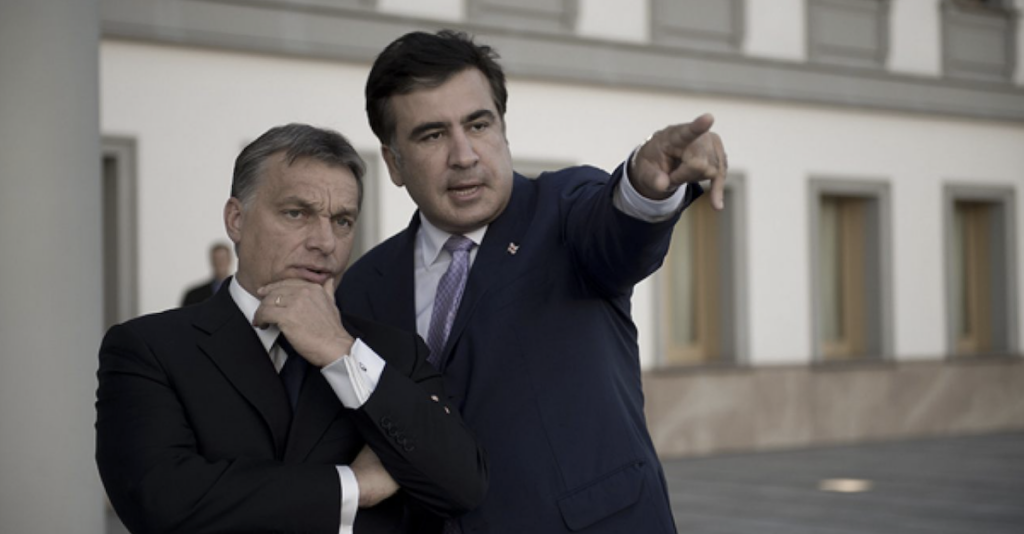
Saakashvili writes that he first met Orban in 1993. At the time, Saakashvili was a student at Columbia University, while Orban was the leader of the Fidesz party.
“He was then a slim, charismatic idealist with burning eyes and a political leader,” Saakashvili writes.
He says Orban later supported the Rose Revolution and spoke highly of reforms in Georgia. In 2012, when power changed in Georgia, Orban even offered Saakashvili and members of his team asylum in Hungary.
“I did not need it, but many left,” Saakashvili writes.
However, the former president says Orban later changed radically.
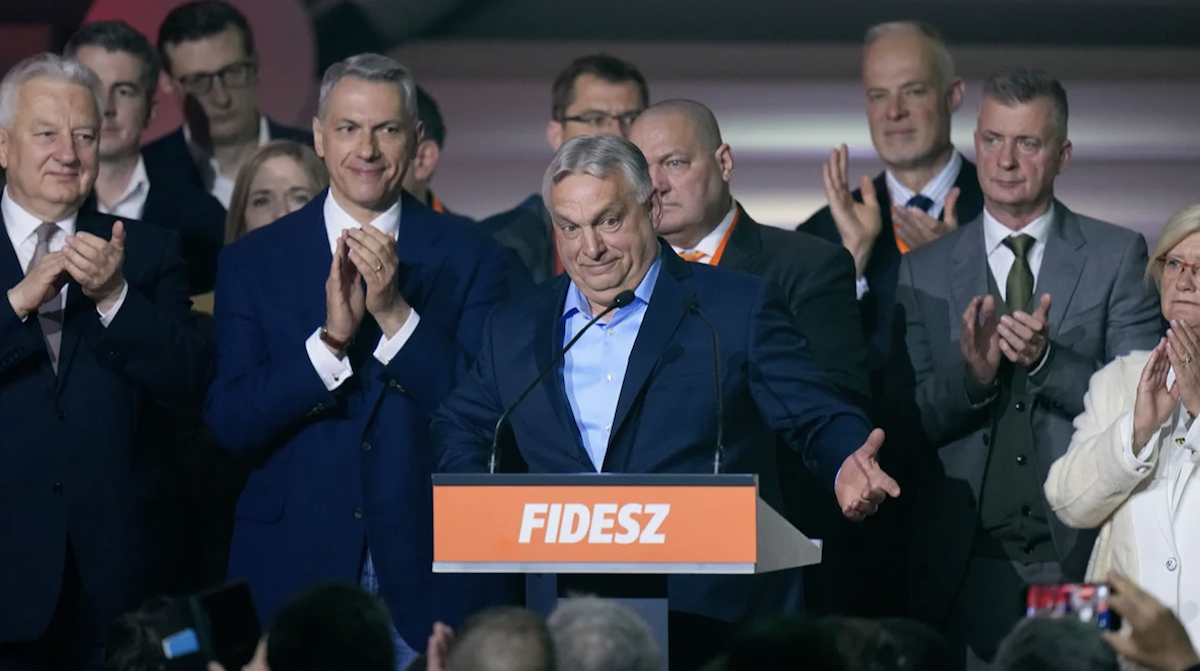
According to Saakashvili, in 2015, when he was governor of Ukraine’s Odesa region, Orban asked him to introduce him to Ukrainian oligarchs and suggested they could “make money together”.
“One of our last meetings in 2015 stuck in my memory. He told me: ‘Misha, introduce me to Ukrainian oligarchs, and we will make money together.’ At the time, I was governor of Odesa and was waging a tough fight against Ukrainian billionaire oligarchs and their media. I have never seen politics as a way to make money. It did not fit my previous perception of Orban, so I hoped he was joking,” the third president of Georgia writes.
Saakashvili says that around the same time Hungary began an authoritarian shift, and that this was when Orban grew closer to Bidzina Ivanishvili and the Georgian Dream party.
“He [Orban] met oligarch Ivanishvili, who became one of his main sponsors. In return, Orban taught Georgian Dream political technologies, helped shape its propaganda slogans, and even showed them how to shut down universities.”
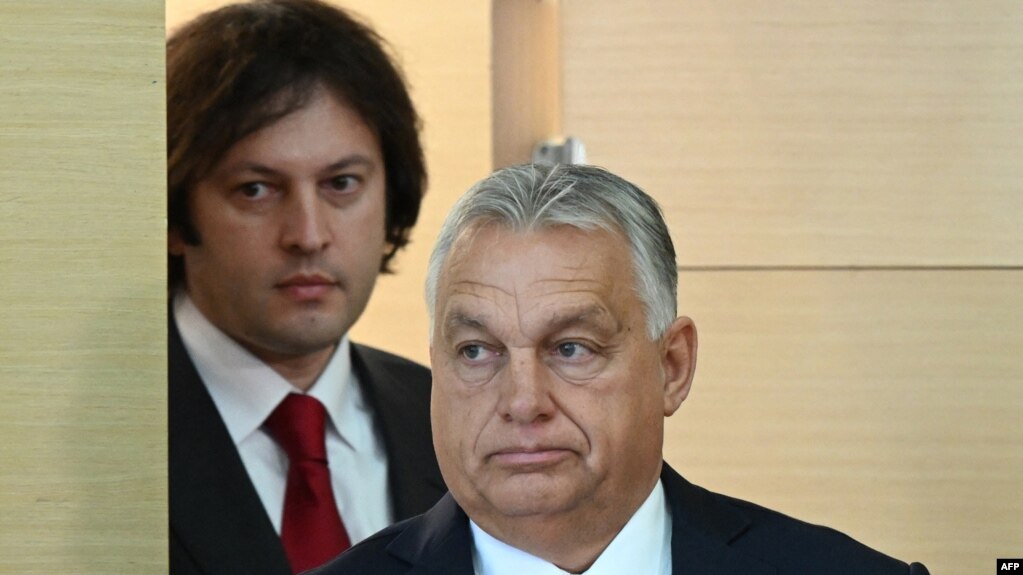
Saakashvili claims that “Orban became Putin’s main envoy to Ivanishvili”.
He alleges that in 2024, after what he describes as “rigged elections” in Georgia, Orban flew in on his private plane to support the ruling Georgian Dream party, and that Ivanishvili paid him $30m for the visit.
“Orban also brought Putin’s demand — to immediately abandon the European Union — which the regime then voiced through Kobakhidze. In addition, Orban became one of Ivanishvili’s channels for ‘managing’ relations with the United States. Of course, not for free.”
Saakashvili says that the fact that Magyar left Orban’s party and became a leading opposition figure prompted Bidzina Ivanishvili to take precautions. He claims Ivanishvili had his ally, former prime minister Irakli Garibashvili, arrested.
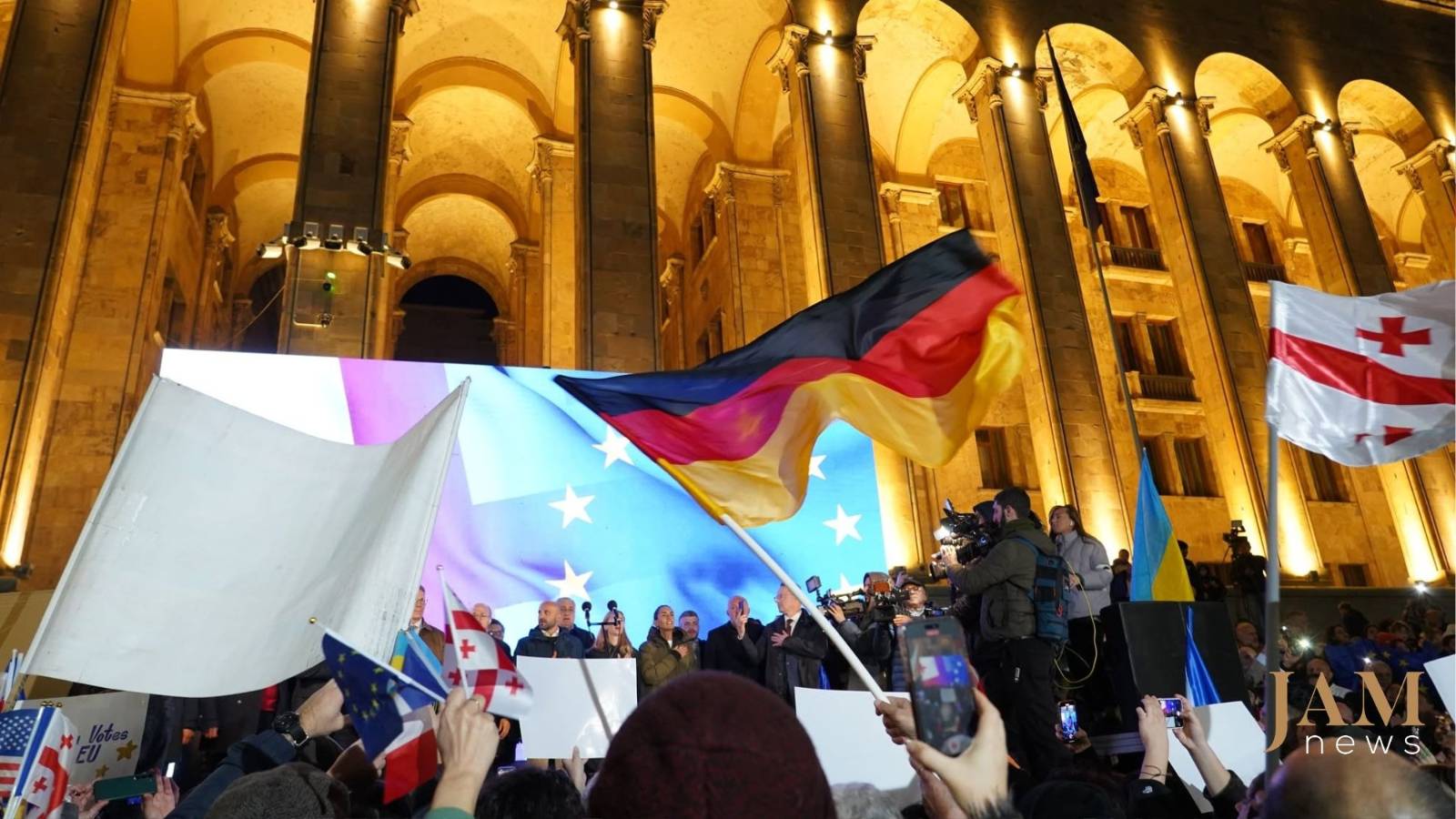
At the end of the post, Saakashvili points to Hungary’s election results as an example for Georgia’s opposition. He says Peter Magyar succeeded because he built direct communication with voters, while traditional opposition forces often remained confined to media and social networks. Saakashvili argues that Georgia’s opposition should draw the same lesson and move “from Facebook, television studios and Rustaveli Avenue” to real engagement with people.
“In 2024, most young people in Georgia did not turn out to vote and therefore did not defend the results. Part of the older population stayed home because they did not believe in victory. Gilauri’s involvement in the elections, the mobilisation of most parties against the National Movement, and constant infighting all had a deeply negative impact on public sentiment,” Saakashvili writes.
Saakashvili accuses Orban