Property prices in Armenia rise again: new wave of emigration from Russia and other factors






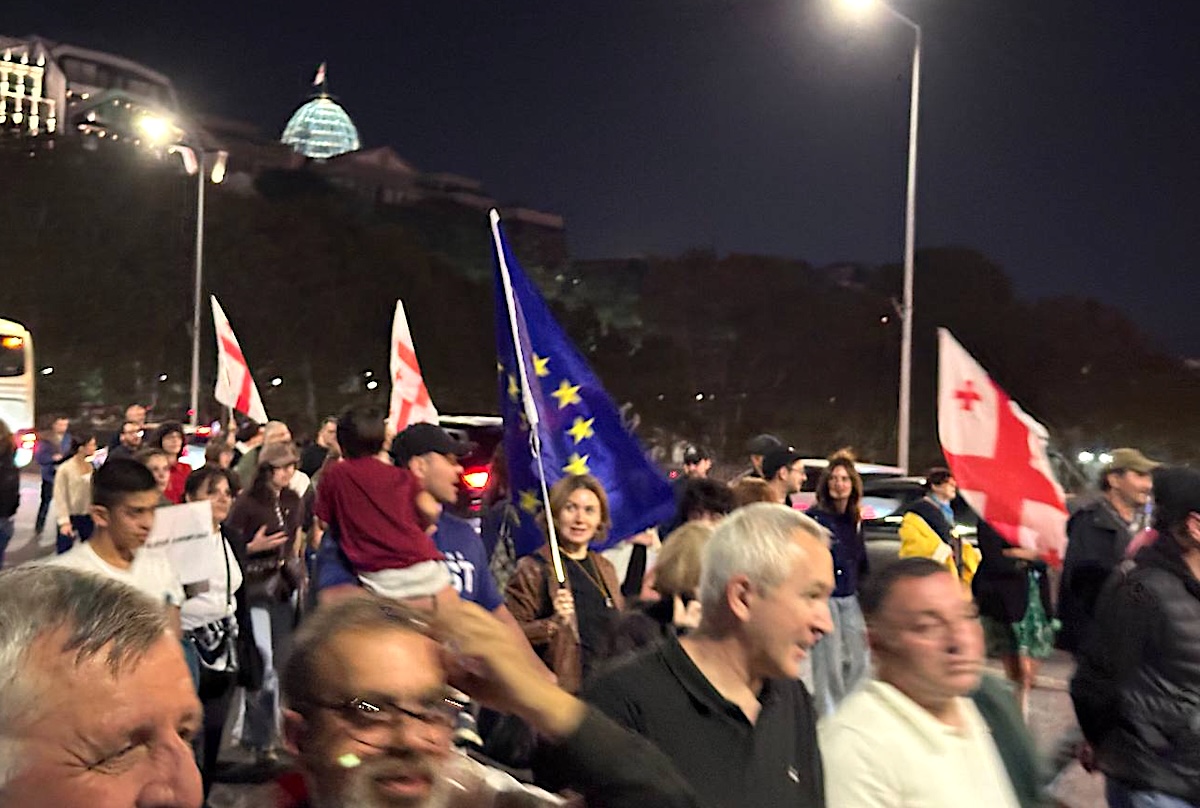
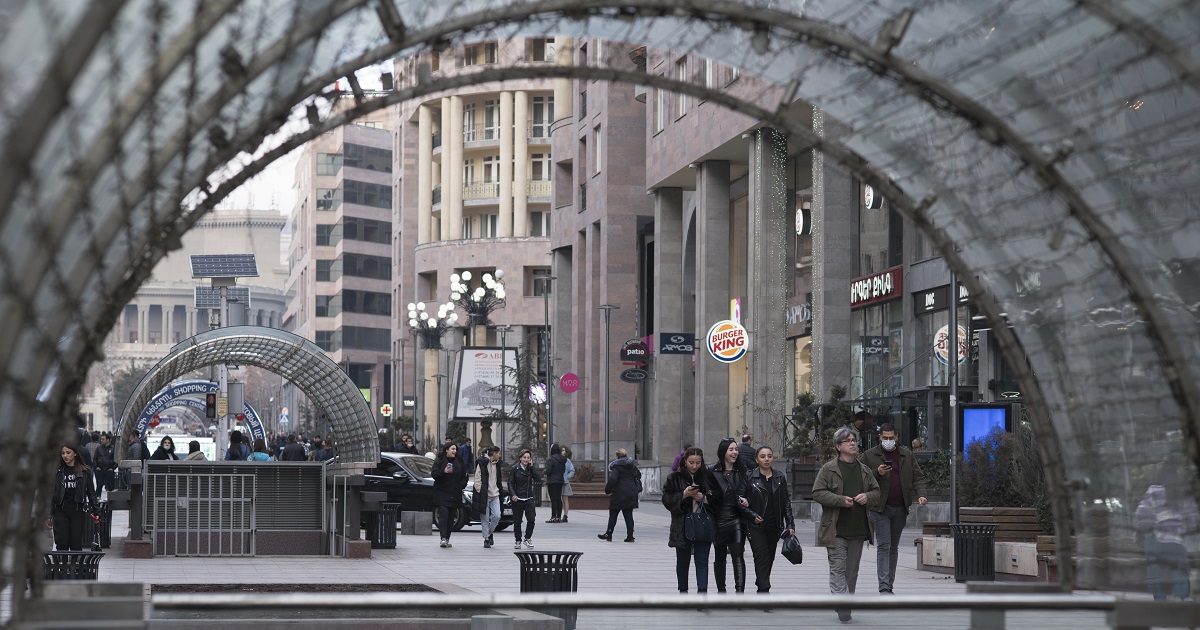
Armenia is seeing another wave of people relocating to the country, amid reports over the past two months of a possible mobilisation in Russia. As a result, both rents and property prices have risen again. On average, prices for rentals and properties for sale have increased by 20%.
At one point, prices were rising almost every day. This was evident from listings on popular online property sales and rental platforms. The biggest boom has been in the rental market. Activity is also increasing in cities near Yerevan, including Abovyan, Masis and Nor Hachn.
Most of those arriving are Armenians who had been living in Russia. They say they are moving to avoid being called up for military service and because of the uncertainty they have faced in recent months.
Amid the large influx, it has become difficult to find affordable and mid-range rental properties. This is also linked to students from the regions moving to the capital as the new academic year begins.
- Modernization of old buildings in Armenia: energy savings and modern design
- Foreign interest in Armenia’s real estate market declines: Analysis
- Benefits of solar energy in Armenia: three examples
A Russian man found a job but cannot find a flat
Dmitry Popov arrived in Armenia with friends three weeks ago. They first stayed in Yerevan, then moved to Lori Province, where they found jobs in the towns of Alaverdi and Tumanyan.
He decided to stay in Yerevan, where he has acquaintances who offered him a place to stay. He has already found a job as a courier with one of Yerevan’s companies. He is now negotiating his pay with his employer. Meanwhile, Dmitry has been looking for a one- or two-bedroom flat in the outer districts of the capital. He cannot afford a place in the city centre because rents there are very high.
“At first, I was looking for a place for up to $500. Now I’m looking for one for $700. I still haven’t found anything because I need basic amenities — furniture and household appliances. Even when I find a flat with an average-quality renovation, it turns out there is no fridge, washing machine or comfortable sofa,” the young man explains.
He knows that the latest influx of migrants from Russia is largely driving the rise in prices.
After the initial influx and surge in prices during the first months of the Russia-Ukraine war, the property market began to stabilise. Prices fell slightly as many Russians returned home or moved to other countries. Now they have risen again.
“To be honest, I really like Yerevan. The city has its own rhythm, an interesting cultural scene, good food, friendly people and convenient public transport. I managed to find a job within a few days. Now I just need to find a flat. If I can’t find one in Yerevan, I’ll look in nearby towns. I’m asking local people how public transport works in the suburbs, what rental options are available and how lively those places are,” Dmitry says.
He says he did not have many options: he could either move to Yerevan or Tbilisi:
“I’ve visited both cities many times and had already been considering moving to one of them before the recent tensions in Russia. My friends who have lived in both cities recommended Yerevan, even though it is more expensive than Tbilisi. They said people in Yerevan are friendly, welcoming towards Russians and willing to help. They also said it would be easier to find a job here. By the way, they also suggested moving to other Armenian cities, such as Gyumri, Dilijan and Vanadzor.”
He says relatives in Russia call him to ask whether they should move to Armenia for the long term. He recommends it, although he also tells them about the problems.
He has already decided that if he manages to earn more in the future, he will buy a one-bedroom flat in Yerevan.
Factors affecting prices
Andranik Harutyunyan, director of Silver REA real estate agency, says apartment rents have risen by around 15% compared with last year. This is an average estimate, as prices vary significantly between different parts of the city and types of apartments.
The same applies to the property sales market. According to the estate agent, it is difficult to establish a single rate of price growth and compare it with last year’s figures:
“It is quite difficult to assess price changes in the primary market because developers sell apartments in residential complexes at different prices depending on the stage of construction. The secondary market is also seeing a noticeable increase in demand.”
Harutyunyan notes that members of the Armenian diaspora are showing greater interest in apartments on the secondary market. For them, buying property is a form of business investment. By renting out a property, they can earn a higher annual return than they would by keeping the same amount of money in a bank.
“Those who moved to Armenia after the Russia-Ukraine war began are also active. Some have been living here for about a year and have decided to settle permanently. Another group consists of people who had ties to Armenia in the past but have now decided to move their businesses and families here.
Interest is also being driven by the growing value placed on property assets in Armenia in recent years. As a result, demand for housing remains high in both the primary and secondary markets,” the real estate agency director says.
Apartment price trends by administrative district
According to data from the Cadastre Committee, property prices continued to rise across all of Yerevan’s administrative districts in the second quarter of 2026. However, the pace of growth varied. The biggest increases came in Nork-Marash, Shengavit and Ajapnyak.
Nork-Marash recorded the sharpest increase, with the average price reaching 553,000 drams ($1,527) per square metre. Compared with last year, this represents a 24% rise.
Apartment prices in Shengavit rose by around 19% over the same period, while prices in Ajapnyak increased by 16%. More construction and relatively affordable prices have helped drive demand in these districts.
Price changes were more moderate in other parts of the city. Growth has been relatively slow in the Small Centre and neighbouring Arabkir, largely because prices there were already high.
Overall, property prices in Yerevan continue to rise. However, the strongest growth is occurring in districts with development potential and relatively more affordable prices.
Property prices in Armenia rise again