Pashinyan urges Baku to drop issue of return of Karabakh Armenians and 'Western Azerbaijan'






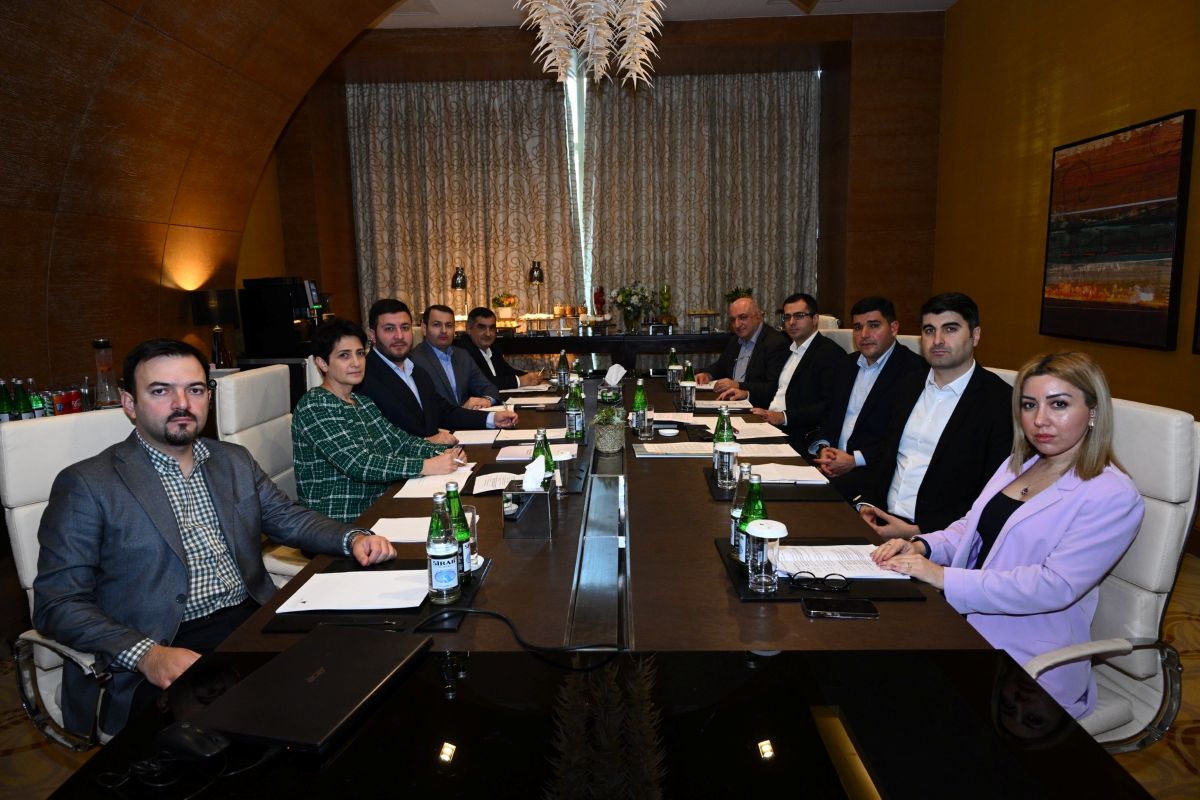
Pashinyan urges Baku to drop repatriation
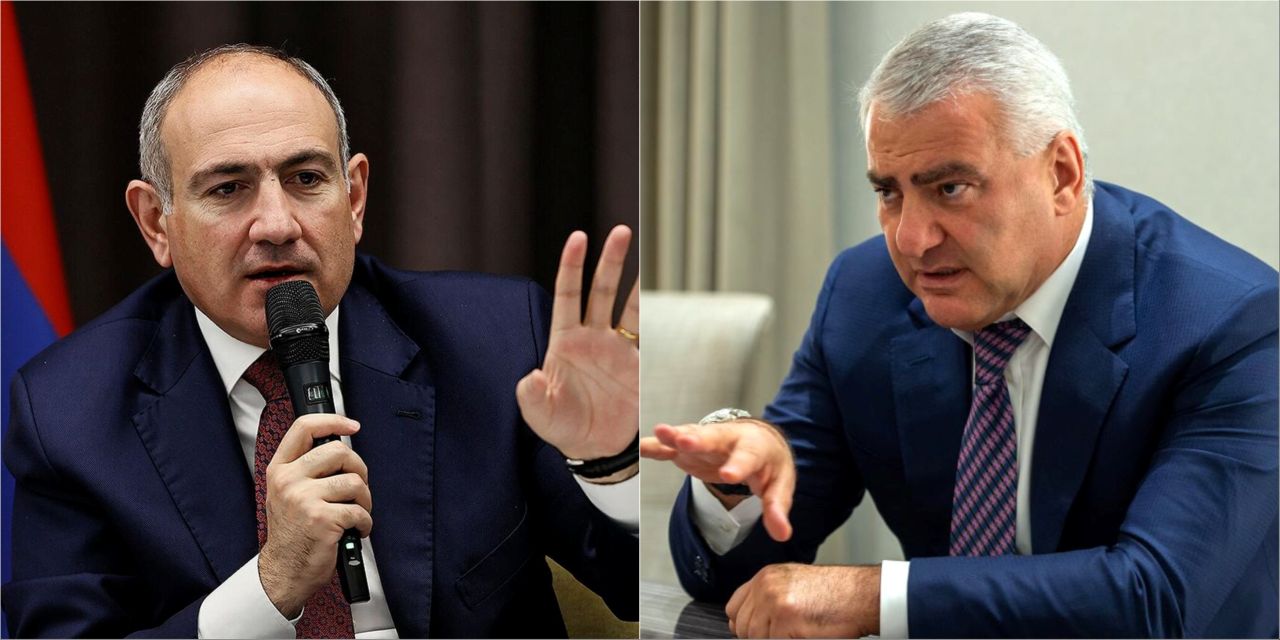
Armenian Prime Minister Nikol Pashinyan has proposed that Azerbaijan jointly develop a roadmap and set aside the issues of the return of Karabakh Armenians and the so-called “Western Azerbaijan.” Since December 2022, Baku has actively promoted the narrative of Azerbaijani returns to “Western Azerbaijan,” referring to almost the entire territory of Armenia.
The Armenian prime minister’s proposal responds to the latest statement from Azerbaijan’s foreign ministry. Baku expressed dissatisfaction with the Armenia-EU strategic partnership document. In particular, Azerbaijan criticized the phrasing “Armenians from Karabakh who became refugees following Azerbaijan’s military actions.”
Pashinyan emphasized that, on one hand, Azerbaijan continues to use the narrative of so-called “Western Azerbaijan,” referring to Armenian territory. On the other hand, it complains about the wording in the Armenia-EU strategic partnership document.
The prime minister reiterated his long-standing position: the issue of Azerbaijani returns to Armenia and Armenian returns to Azerbaijan does not promote peace.
“I now want to openly and publicly offer a solution to Azerbaijan, because we [Armenia], like they do, face problems with these issues—and to the same extent. I propose adopting a joint roadmap to address these two issues in parallel. I have told our Karabakh people that their return is unrealistic. If we continue promoting the idea of their return, it will mean we are restarting the Karabakh movement.
But I have said we must not continue it. The Karabakh movement has ended. Attempts to revive it will not bring any benefit.
On the other hand, in Armenia, we see that Azerbaijan constantly uses the unclear terminology ‘Western Azerbaijan.’ Now we need to understand what is the cause, what is the effect, and what follows from what.
I am now making a direct proposal: let us develop a roadmap to resolve this problem. Its resolution would mean the complete elimination of any conflict in the long-term strategic sense,” Nikol Pashinyan said.
- “Baku does not recognize Armenia’s territory”: opinion on the “West Azerbaijan” narrative
- ‘Ensuring safety at every inch’: demining effort in Armenia
- ‘New stage of Armenia–EU cooperation’: Brussels signs strategic partnership agreement
Background
Since last week, Armenia’s expert community has been discussing the contradictory stance of Azerbaijan’s authorities. Media outlets have published commentary from Armenian analysts on what Baku’s statements about establishing peace while simultaneously pressuring Yerevan through the international community actually mean. Armenian journalists are asking how to interpret the fact that Ilham Aliyev decides to allow transit through Azerbaijani territory for goods bound for Armenia, yet continues to refer to Armenian territory as “Western Azerbaijan.”
Within Armenian society, discussions focus on what Baku is truly preparing for—peace or war.
The latest trigger was a speech by the Azerbaijani president at an international conference held in Baku. Ilham Aliyev once again raised the issue of “returning Azerbaijanis forcibly expelled from Armenia.” In Armenia, such statements from Baku always provoke a strong reaction. Citizens demand that their authorities, in response, raise the question of Armenians returning to Azerbaijan.
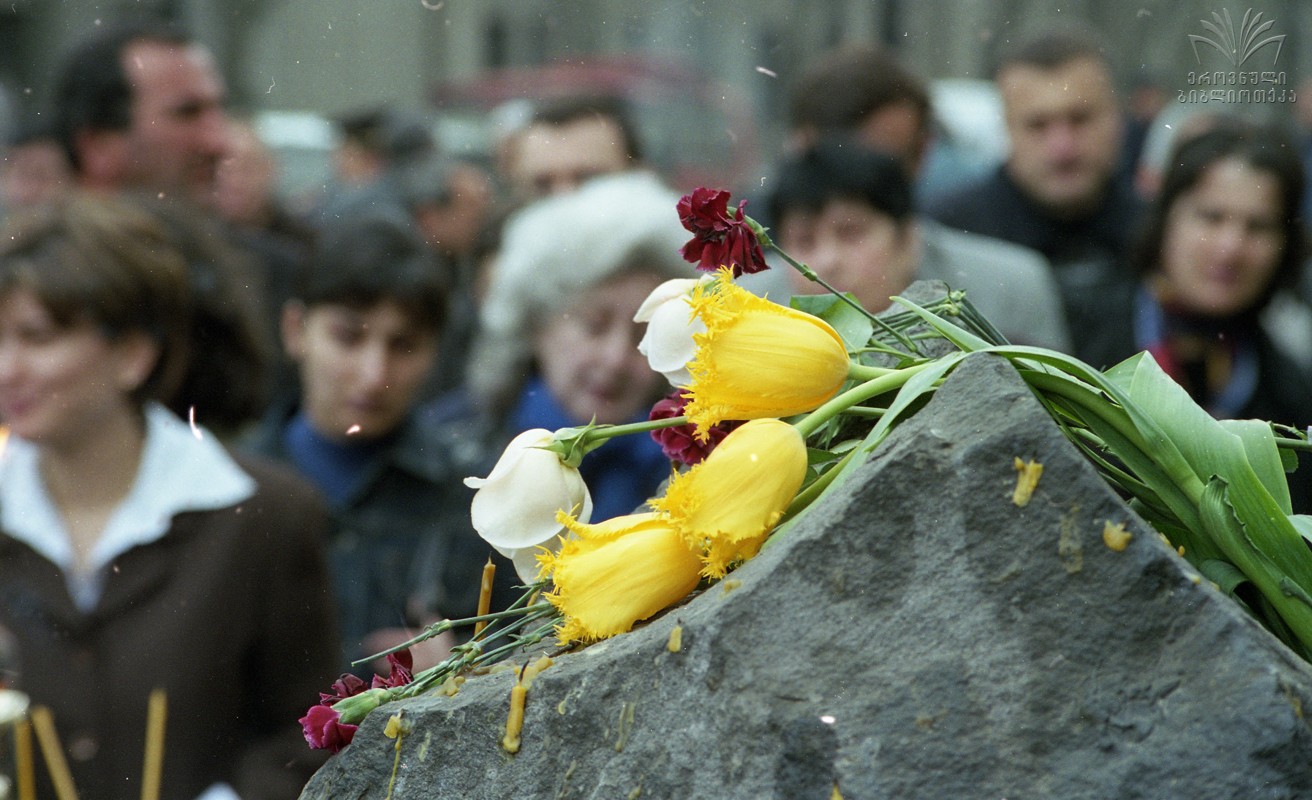
In these cases, Armenian society often recalls that Azerbaijanis who lived in Armenia before the conflict had the opportunity to sell or exchange their homes before leaving. In addition, they received $110 million in compensation from Armenia. Meanwhile, Armenians left Azerbaijan after violent pogroms in Baku and Sumgait, but no compensation was provided. Furthermore, more than 100,000 Karabakh Armenians left their homeland in 2023, losing all their property.
Before the recent proposal, the Armenian prime minister maintained that the issue of people returning—to both Armenia and Azerbaijan—does not contribute to peace, and he suggested postponing its discussion. However, Ilham Aliyev continued to periodically raise the question of Azerbaijani returns “in accordance with international law.”
Some Armenian experts believe Yerevan is wrong to reassure the public that the president’s statements are merely internal propaganda. At the same time, many experts are convinced that Aliyev “is systematically shaping a policy for a new phase of pressure on Armenia.” They point out that the Azerbaijani president advances the demand for Azerbaijani returns by addressing UN structures.
Analysts criticize Armenia’s leadership for failing to make a mirrored demand to protect Armenian rights and preserve Armenian cultural heritage.
They view Baku’s strategic approach as “too deliberate and public to ignore.” Many Armenian political scientists are certain that “Yerevan’s silence will not stop Baku and will create a dangerous illusion of peace among its own population.”

Commentary from political analyst Lilit Dallakyan
Peace cannot be built unilaterally
“Aliyev’s policy is predictable. The Azerbaijani president talks about the ‘return of Azerbaijanis’ on every platform. He creates and funds organisations for this purpose and cites international conventions. In response, the Armenian side prefers ‘not to conflict.’ But peace cannot be built unilaterally.
It is a dangerous self-deception to think that Aliyev has no demands. He has a demand: the return of Azerbaijanis. Any refusal will become a cause for conflict. Then Aliyev will say: ‘We will return by tanks, not by cars.’ Although he recently said the opposite: ‘We will return not by tanks, but by cars.’
External actors cannot make decisions for us. If Armenian leadership does not raise the issue of its people’s rights, including the issue of Artsakh, the West will not pressure Aliyev. Armenia says that peace has arrived, while Europe wonders why it should intervene and disrupt the peace process.”
Time bomb
“The Armenian people will not remain silent when the process of returning Azerbaijanis to Armenia begins. This is a time bomb under Pashinyan’s government. Even those who currently consider Aliyev’s statements as empty words for a domestic audience will not stay silent when the critical moment comes, because this is a matter of national security.
At the same time, we must understand that there is a dangerous asymmetry here. Even if we raise the issue of Armenians returning to Baku, Sumgait, and other cities in Azerbaijan from which they were once expelled, it is clear that no one will actually go back.
Azerbaijanis, however, will come, fully aware that Armenians will not engage in conflict and that there will be no real danger.
Therefore, the demand should focus on the return of Karabakh Armenians. The Artsakh people will return if they receive security guarantees. Aliyev knows very well that, according to international norms, these issues cannot be solved by expelling peoples. Sooner or later, the Artsakh Armenians must return.
This is not about Baku or Sumgait. It is certainly not about Nakhchivan, from where Armenians were also expelled. At that time, the USSR handled these matters, and international law was not yet established. The Bolsheviks colluded with the Turks in a context where the US was absent from the region, often at the expense of Armenian interests. The situation today is different.
This understanding exists globally. Both the West and Russia acknowledge statements and resolutions not out of humanitarian concern but in pursuit of their own interests—to maintain leverage over Azerbaijan. Armenia must gain benefits from this, not hand over the keys to major players. Aliyev fears the return of the Artsakh Armenians: Pashinyan is not permanent, and Russia will always keep the issue in focus, otherwise it would have no reason to act in the region.”
In this context, the Armenian authorities must defend their positions.
No one is talking about the return of Artsakh. But silence on the rights of Karabakh Armenians and their cultural heritage is unacceptable. A few days ago, another church in Artsakh was vandalised.
If Yerevan were actively working with international institutions, it would restrain Baku’s ambitions. But Aliyev sees a lack of resistance—and his demands only increase. The same logic applies to the Russia-Ukraine war: successes on the front lines raise Moscow’s demands, while pushback forces negotiations.
In this context, I condemn the position of the Armenian authorities. I believe Aliyev’s statements are directed both at us—to maintain apathy in Armenia—and at external players. In their case, they serve to show that it does not matter that he visited Washington, where a peace agreement was initialled with Trump’s mediation. With equal success, he could go elsewhere, where his interests would be more fully considered.”
Pre-election situation in Armenia
“The Armenian government’s reliance on the concept that ‘business and trade will bring peace’ raises doubts. The reality is much more complex.
Take the TRIPP project [Trump Route for International Peace and Prosperity—a road connecting Azerbaijan with its Nakhchivan exclave through Armenian territory].
After Trump’s recent statements on Europe and Ukraine, its prospects look uncertain. Will the new US administration take concrete steps against Russia in the South Caucasus? That question remains open.
TRIPP is aimed directly against Russian influence in the region. Moscow may publicly show neutrality, but Foreign Minister Sergey Lavrov has already clearly stated Russia’s position: the project is unrealistic because it does not align with Russia’s interests, as outlined in the trilateral statement of 9 November 2020.”
The signing of this document, mediated by Russia, ended the 44-day war in Karabakh in 2020. It stipulates that control over the road connecting Azerbaijan with Nakhchivan will be carried out by Russia’s FSB border service.
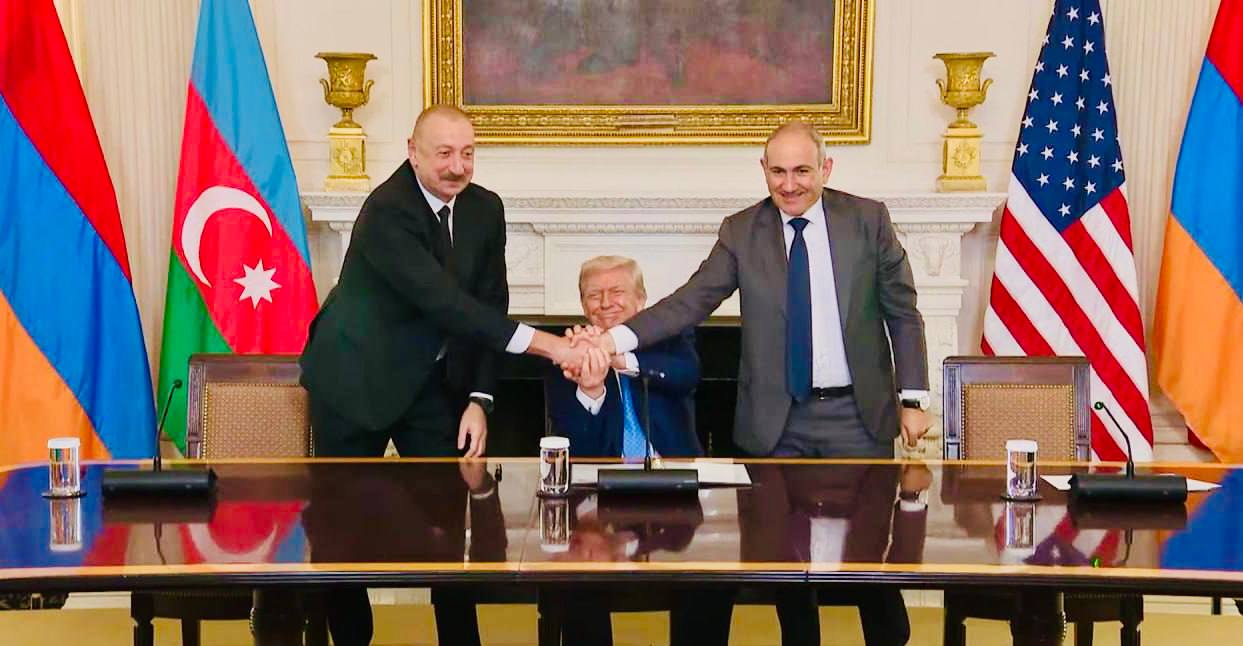
If Pashinyan were confident that the “Washington Declaration” neutralised the 9 November agreement, he would have withdrawn from the Russian-mediated arrangements.
According to the agreements reached by the leaders of Armenia and Azerbaijan with US mediation, the road connecting to Nakhchivan will remain under Armenia’s sovereign control. The US will participate in the unblocking process as a business partner. For this reason, they named the project the “Trump Route,” after the mediator.
But Pashinyan understands the reality: elections are ahead, and he has no agenda beyond fighting the “former” powers and the “church.” He is therefore trying to convince everyone that he has brought peace.
Pashinyan constantly changes his rhetoric. He used to say that Azerbaijan’s constitution contains territorial claims against Armenia. But as the elections approach, he increasingly avoids uncomfortable topics. In the digital age, people cannot hide previous statements, and inconsistency breeds apathy.
This approach will likely lead Pashinyan to lose power. He hopes that external actors will keep Aliyev quiet. Aliyev, considering his assets in Europe, may then limit himself to making statements.
Waiting for Trump
“Pashinyan believes that opening roads and promoting trade will prevent war. Europe thought the same: ‘If there are business interests, war is impossible.’ The events of 2022 proved otherwise [Russia started the war in Ukraine]. You can buy gas and maintain economic ties, but that will not stop ambitions. Europe understood this and is gradually abandoning such illusions.
Armenia must not repeat this mistake. Yes, everyone supports unblocking the roads. Pashinyan hopes that if Azerbaijan becomes a transport hub, it will not engage in conflict.
Aliyev thinks differently. He is confident that he will open the road on his own terms, taking into account that Russia, more influential in the region than the US, shares his views. America only signed a document whose prospects are uncertain, especially considering Trump’s personality.
Opening the road requires delimitation, demarcation, and customs arrangements. Aliyev doubts whether Trump will act against Putin in the South Caucasus. Trump is a businessman. He might agree to a barter arrangement concerning Ukraine and the South Caucasus.
Aliyev is waiting for a resolution and is playing a double game, flirting at times with Putin and at times with Trump, alternating between references to the ‘9 November’ agreement and the ‘Washington arrangements.’”
Pashinyan urges Baku to drop repatriation