Opinion: 'Hungarian elections show it is possible to win in any situation'






Opinion on Hungary’s elections
Hungary’s elections have shown that authoritarianism can be defeated through the ballot box, says Lasha Tugushi, head of the Liberal Academy.
He says Viktor Orban controlled administrative resources and violated the principle of system neutrality, yet still lost the election.
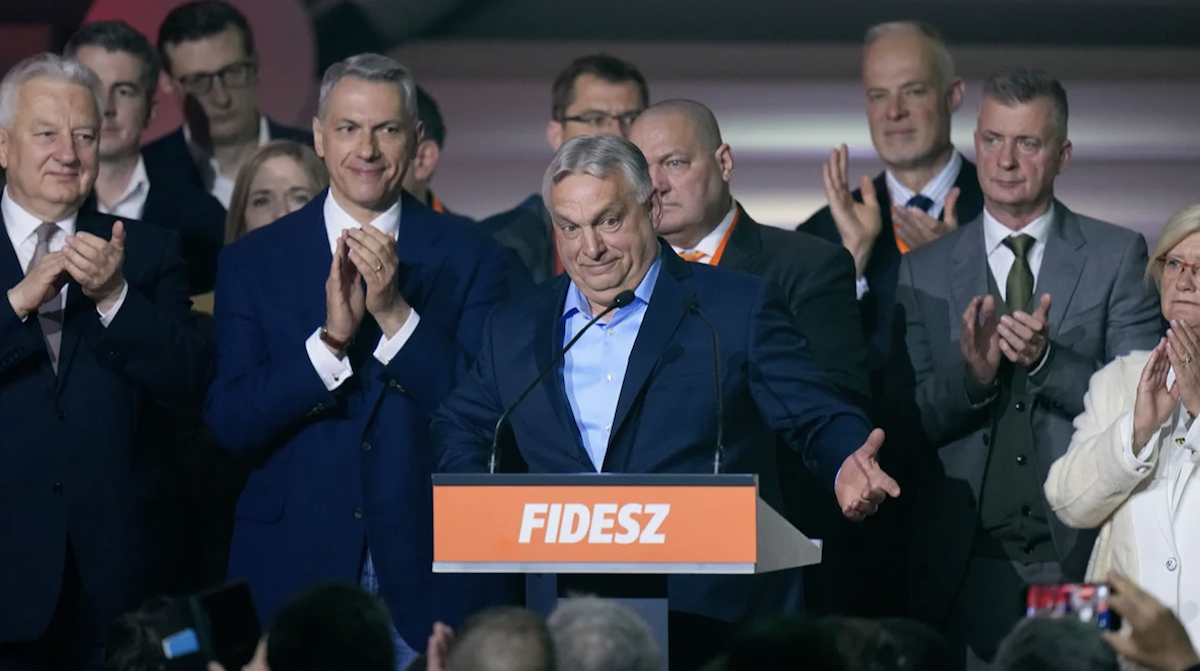
The era of uninterrupted rule by Viktor Orban and his far-right Fidesz party, which began in 2010, has come to an end. During his years in power, Orban reshaped the electoral system in ways that made it harder for the opposition to compete. Nevertheless, the opposition Tisza party secured victory in the parliamentary elections on 12 April 2026. Preliminary results suggest it will win 138 out of 199 seats in parliament.

Lasha Tugushi: “Despite the politicisation of the courts and the prosecutor’s office, the ruling party still failed to win the elections. It had very strong positions in the regions, and the majoritarian system was ‘friendly’ to Orban, yet he lost there as well.
The conclusion should be this: despite everything, it is possible to defeat an authoritarian regime through elections. Hungary offers that lesson. The situation there was very difficult. In fact, the media is more monopolised than in Georgia. Viktor Orban controlled around 400 outlets. This is an extraordinary situation that goes far beyond the usual European reality. It is very similar to Georgia. There are differences, but there are also clear similarities. For me, this is a clear example that, despite everything, victory is possible.
What should opposition forces [in Georgia] do? It is difficult to give advice from the outside, but I would say this modestly: if they share this view, they should start working together in this direction as soon as possible. As many opposition figures and political forces as possible need to decide whether they share this approach. The last 40 days, two months or even six months will not be enough to win.”
“It is important to remember that elections will take place in 2028, and work must begin today. This effort needs to be planned and very intensive. Hungary’s elections also showed how important direct contact with people is. People will trust you if you speak honestly and take their interests into account.
Far-right populist forces have come together, and this has undermined the foundations of the European Union. They have a very different ideological base and a different vision of Europe’s future. In essence, they are eurosceptic and oppose the current order.
Why should my government take part in such a gathering if it goes against the country’s interests? This trend in Hungary will inevitably fade, because Peter Magyar does not represent this political force. Let us also put an end to this bacchanalia that we have witnessed.”
Opinion on Hungary’s elections