Opinion: 'Georgia heads to Washington from weak starting position. Its ties with Russia, China and Iran are major liability'






“Unfortunately, Georgia is heading into this summit, and any future summit in Brussels or the United States, from a weak starting position. The main problem is its foreign policy ties with Russia, China and Iran,” security expert Giorgi Shaishmelashvili said, commenting on Georgian Foreign Minister Maka Bochorishvili’s participation in the ministerial meeting in Washington on “The Renewed Rise of Political Terrorism”.
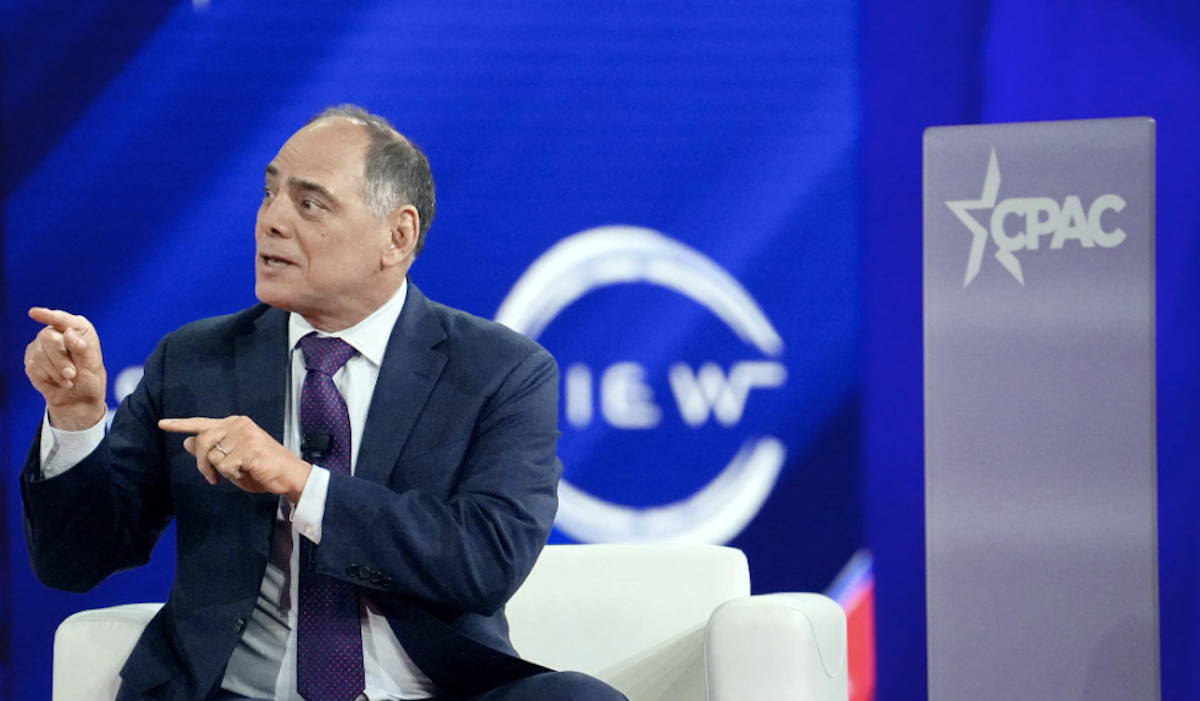
Shaishmelashvili argued that both the domestic and foreign policy positioning of the ruling Georgian Dream party is fundamentally at odds with the theme of the summit.
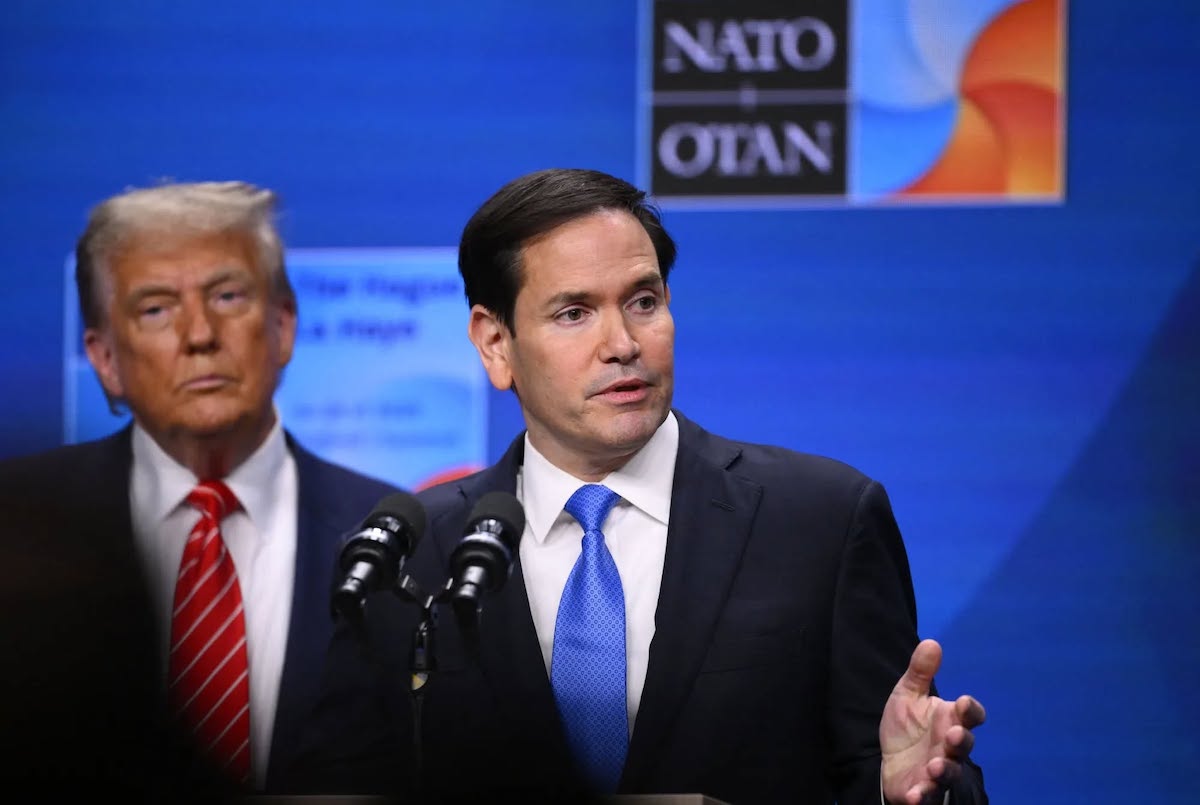
At the invitation of US Secretary of State Marco Rubio, Georgian Foreign Minister Maka Bochorishvili will attend a ministerial meeting in Washington on “The Renewed Rise of Political Terrorism.” Delegations from more than 60 countries are expected to take part.
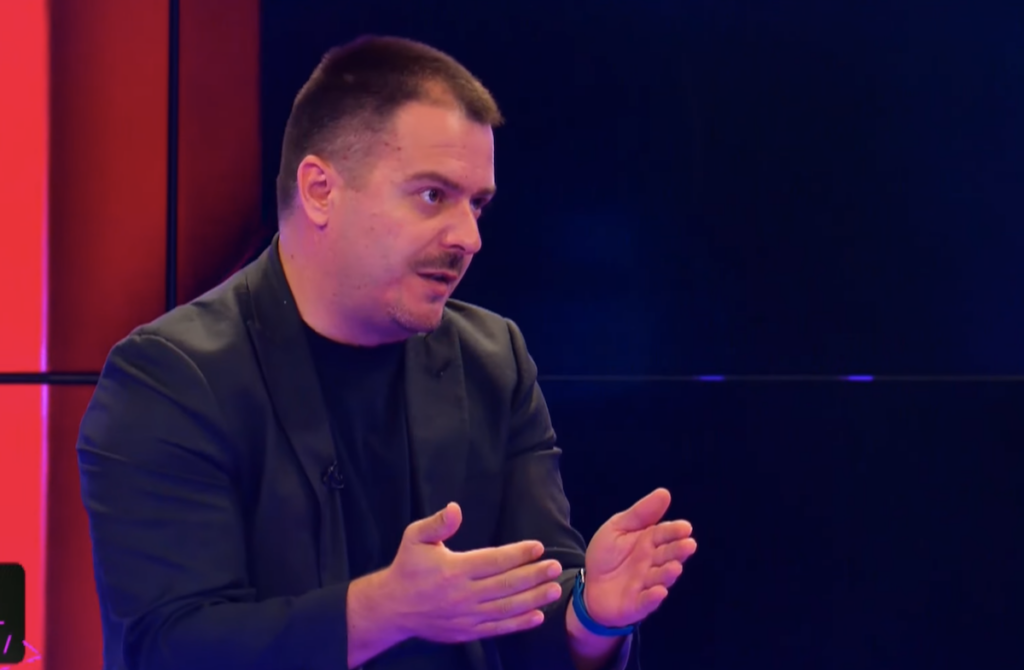
Giorgi Shaishmelashvili said: “Representatives from more than 60 countries will attend this summit. It will focus on strengthening counterterrorism coordination and intelligence sharing between different countries. The summit is, in a way, a continuation of the implementation of the US counterterrorism strategy.
In my view, the very theme of the summit fundamentally contradicts the domestic and foreign policy positioning of Georgian Dream. For Donald Trump and his administration, strengthening coordination against left-wing extremism has become a priority. They often see countries such as China and Russia behind it. We should not forget Georgia’s ties with Iran either.
Unfortunately, Georgia is heading into this summit, and any future summit in Brussels or the United States, from a weak starting position because of its foreign policy ties with Russia, China and Iran. The summit itself is not intended to deepen political dialogue. If Maka Bochorishvili holds any important bilateral meetings behind closed doors on the sidelines, we will learn about them later. At the moment, there is no information suggesting that such meetings are planned.
At the same time, representatives of the US State Department have resumed their visits to Georgia, while the authorities have renewed the political prosecution of opposition leaders. The human rights situation has also deteriorated further in several areas. This shows that the reset in relations with the United States, as presented by Georgian Dream, is not working.”
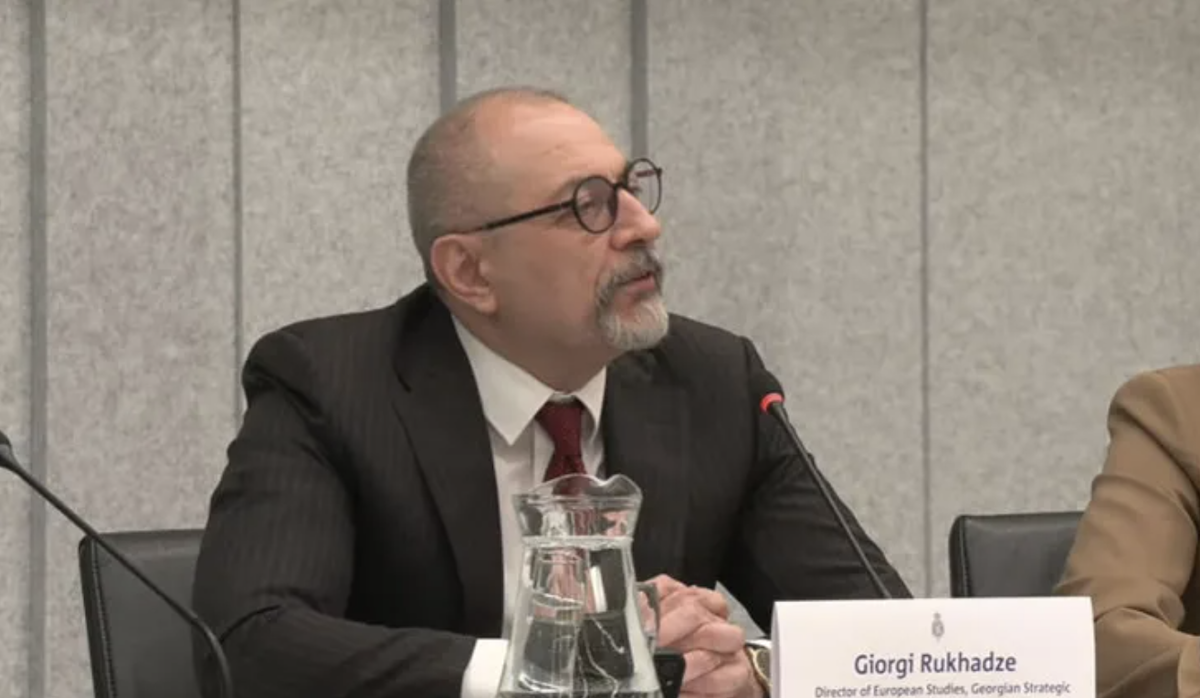
Against this backdrop, the United States is still trying to maintain working relations with Georgia’s de facto authorities to protect its own interests. There are no fools at the negotiating table, and Georgian Dream fully understands that this is one of its bargaining chips. Party leaders have often said publicly that “they need us more than we need them”.
As for who needs whom more — whether the European Union needs Georgia more than Georgia needs the EU — let’s ask Georgian citizens. Where does much of our economy’s income come from? It comes from the money our fellow citizens send home from European countries, not from Russia. Where do they study, seek medical treatment and emigrate? Claims that Georgia and its citizens do not need Europe are simply not serious.
As for the importance of the Middle Corridor, Georgia’s geographic position is undoubtedly significant. But if Georgian Dream continues this course for much longer, the country will miss the major opportunity created by both its geography and the Middle Corridor. Geography alone is not enough — infrastructure matters as well. If that infrastructure bypasses Georgia, the West may have to invest heavily in alternative routes. It could build parallel transport links, develop other corridors and construct deep-water ports elsewhere.
In the end, Georgia could lose much of the historic opportunity offered by the Middle Corridor. Geography alone is not the kind of bargaining chip that would persuade the EU or US administrations to overlook everything else.”
“For the European Union, Georgia is a candidate country for membership. As a result, the EU applies stricter standards when assessing political developments and the human rights situation than the United States does, because Georgia seeks to join the bloc. That is why Europe speaks out more forcefully on these issues.
But that does not mean cooperation with a country that holds political prisoners, continues to prosecute political opponents and threatens them with long prison sentences on what critics describe as fabricated charges is of secondary importance to the United States. Alongside geopolitical issues, these are also matters that are important to the US administration.”
Georgia’s participation in the Washington summit