

Opinion: 'Armenia will restore rail links with Azerbaijan and Turkey – with or without Russia'






What will happen to Armenia’s railway system
Armenia is steadily moving towards unblocking regional transport links. Work is currently under way with the United States on implementing the TRIPP project.
Armenia’s foreign minister, Ararat Mirzoyan, and US Secretary of State Marco Rubio have already agreed on the framework for the project’s implementation. Earlier this week, they signed a joint statement outlining the rights and obligations of the parties and even setting out the distribution of shareholdings between them.
TRIPP (Trump Route for International Peace and Prosperity — “Trump route for international peace and prosperity”) is a road that will link Azerbaijan with its autonomous exclave of Nakhchivan through the territory of Armenia.
For several years, Yerevan and Baku failed to reach an agreement on the issue. Azerbaijan demanded a road it described as the “Zangezur corridor”. Armenian authorities responded that they stood ready to unblock all transport routes. They rejected the term “corridor” because it implied a loss of control. They said it threatened Armenia’s sovereign rights over the territory.
Only on 8 August did the sides reach an agreement in Washington. They agreed that the road would remain under Armenia’s sovereign control. The United States will join the unblocking process as a business partner. As a result, the project took the name “Trump route”, after the mediator.
However, for all routes to become operational, the “Trump route” needs to be extended. This requires the restoration and construction of railway lines leading to the borders with Azerbaijan and Turkey.
The focus lies on three key sections: Yerasx–Nakhchivan railway, Gyumri–Kars railway, and Ijevan–Gazakh railway. Without these sections, Armenia cannot fully unblock its transport connections.
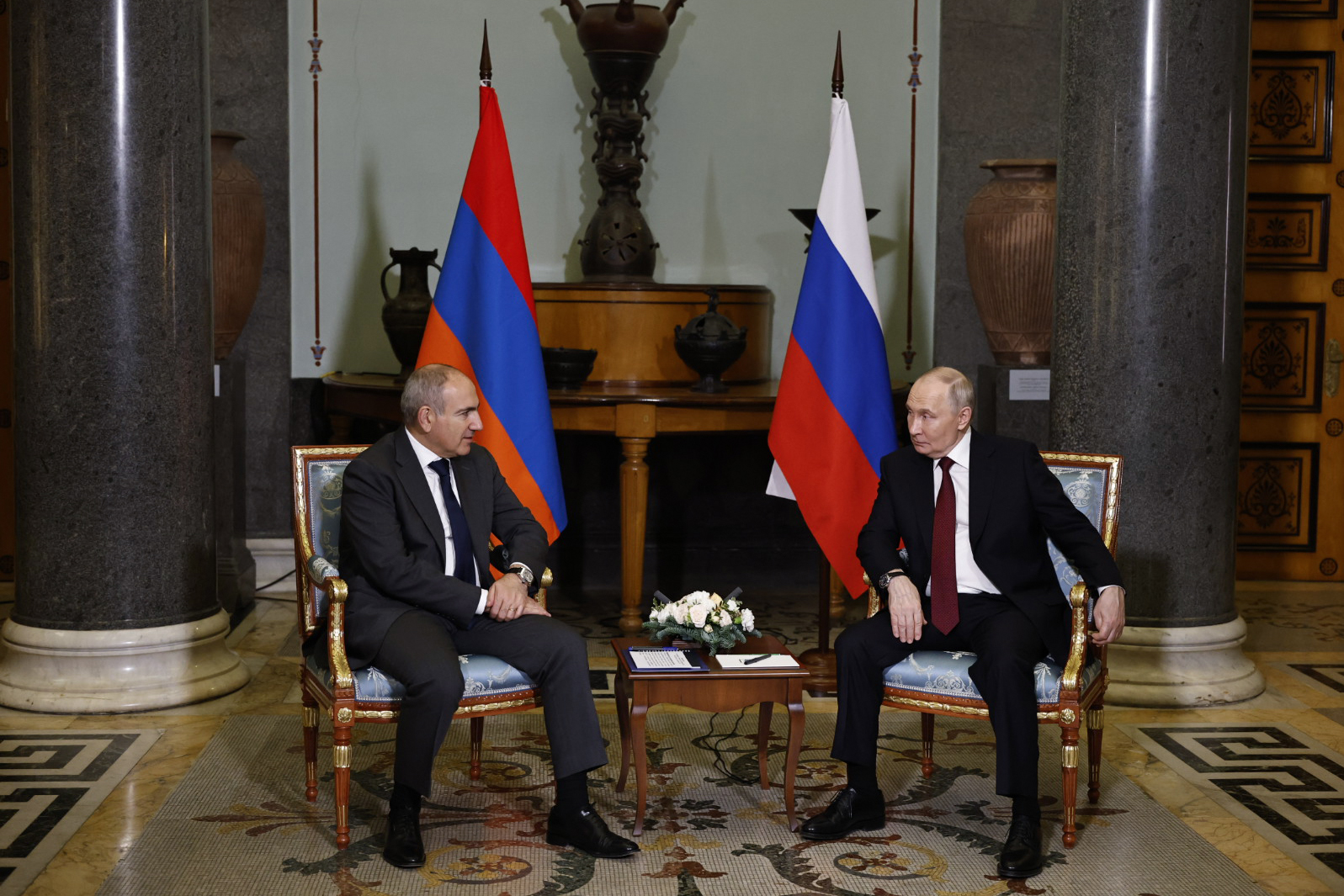
In mid-December, Armenia’s prime minister, Nikol Pashinyan, urged Russia to address the issue as a matter of urgency.
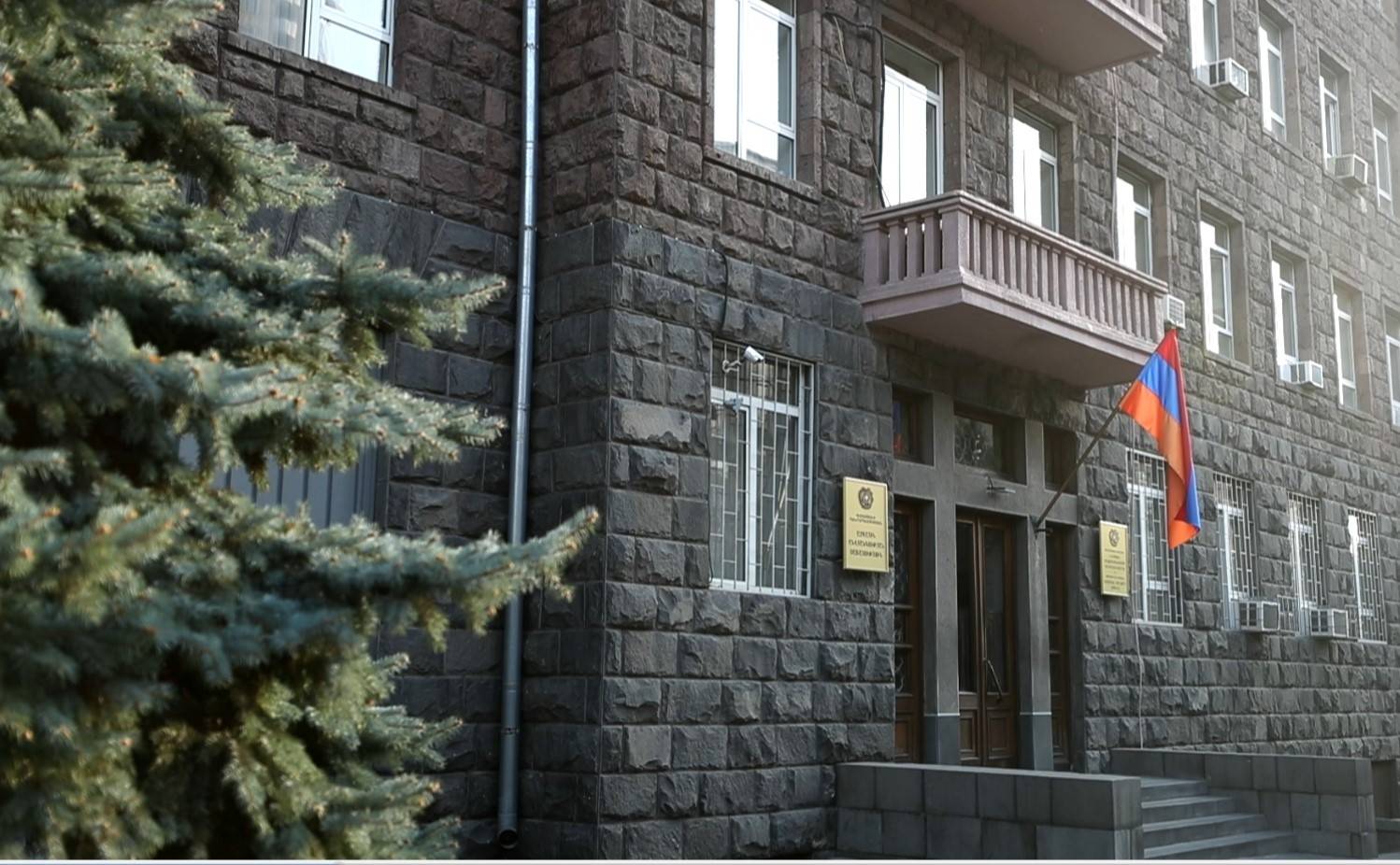
The company that operates Armenia’s railways, South Caucasus Railways, is a wholly owned subsidiary of Russian Railways.
In early 2008, Armenia signed a concession agreement transferring the management of Armenian Railways to Russian Railways. The contract runs for 30 years.
Crucially, the Armenian prime minister said that if Moscow runs into difficulties, Armenia stands ready to withdraw these sections from the concession and restore them itself.
It remains unclear what Russia will choose. Arman Babajanyan, leader of the For the Republic party, believes that Russian Railways and its subsidiary, South Caucasus Railways, face a deep financial crisis. He says they lack the capacity to rebuild and construct the required sections.
By contrast, political analyst Samvel Meliksetyan told JAMnews that funding does not pose a problem for Russia. He said the issue rests solely on the presence or absence of “political will”.
- US stake in TRIPP project to reach 74%, Yerevan and Washington say
- Opinion: Yerevan should not be drawn into Baku and Ankara’s ‘virtual reality’
- Armenia in 2025: key developments with long-term impact
- Pashinyan believes “Trump Route” will become a new component of Armenia’s security
Opinion by Arman Babajanyan, leader of the For the Republic party
Armenia should end reliance on a Russian company
“Russian Railways is going through a deep financial crisis. In 2025, its debt reached almost four trillion roubles, or more than $50bn. The company cut its budget by around 20%. The rail giant has already asked the government for support. It has even said it is ready to sell a 62-storey building in central Moscow. It is also considering raising tariffs for both freight and passenger transport.
Russian Railways’ subsidiary, South Caucasus Railways, has operated Armenia’s railways under a 30-year concession since 2008. In 2024, however, the company’s revenues fell by more than 3.3bn drams, or about $8.7m. That marked a drop of roughly 20%. Over four years, its tax payments to the Armenian budget declined by 55%, from 5.8bn drams, or $15m, to just over 2bn drams, or about $5m.
Passenger services alone do not cover operating costs. In 2024, South Caucasus Railways earned just 1.027bn drams, or $2.7m, from passenger transport. Over the same period, it spent about 4.5bn drams, or roughly $12m. The Armenian government covered the 3.5bn-dram gap, equal to around $9.2m.
In effect, Armenia pays, while Russians manage the system.
Meanwhile, the prime minister has recently said that he asked Russia to restore rail links on three sections. The concession holder faces a serious financial crisis. At the same time, Armenia critically depends on a fully functioning railway network. This raises fundamental questions. Who will set train speeds on Armenia’s railways? What tariffs will apply? Who will guarantee safety?
The answer must be unequivocal: Armenia.
Now is the right moment to begin negotiations with the Russian side. Armenia needs to carry out an independent audit. It must assess unfulfilled obligations and start a gradual nationalisation of the country’s railways.
A railway is not just rails. It is the bloodstream of the economy, a tool of national security and a measure of a country’s sovereignty.”
Commentary by Samvel Meliksetyan
Choice lies with Russia
“Armenia says it stands ready to use its own funds to restore certain railway sections by removing them from the concession held by South Caucasus Railways. Other routes could remain under the company’s management. This would not pose a major problem. Under the contract, the concession runs until 2038. In 2028, the Armenian side must formally notify Russia of its intention to terminate it.
Once the term expires, Russia must return all railway infrastructure and management to Armenia.
From a financial perspective, even amid a crisis, the Russian side can afford to restore the tracks. Latest estimates put the cost at about $40m. This does not represent a critical level of investment.
I believe Russia’s participation remains the most rational option for Moscow. In practice, it offers the only way to maintain a presence in the unblocking of regional transport links. It could also secure future revenue growth for South Caucasus Railways through transit traffic.
Three sections matter in particular.
- Yerasx–Nakhchivan
The Yerasx–Nakhchivan section stretches for about two kilometres and remains technically relatively simple to restore. Bringing it into operation would restore rail links between Meghri and Yerevan. It would effectively ensure direct rail access to southern Armenia.”
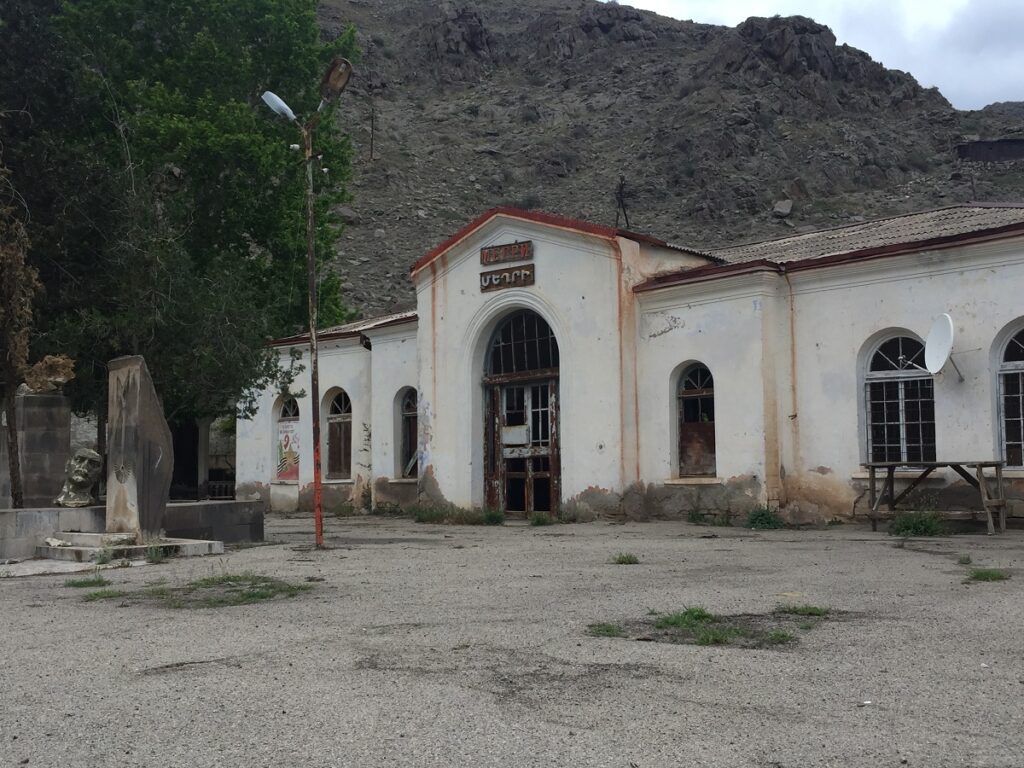
In addition, this section could also form part of the TRIPP route: Meghri–Yerasx–Gyumri–Kars. Armenia would gain the ability to transit cargo, including international freight.
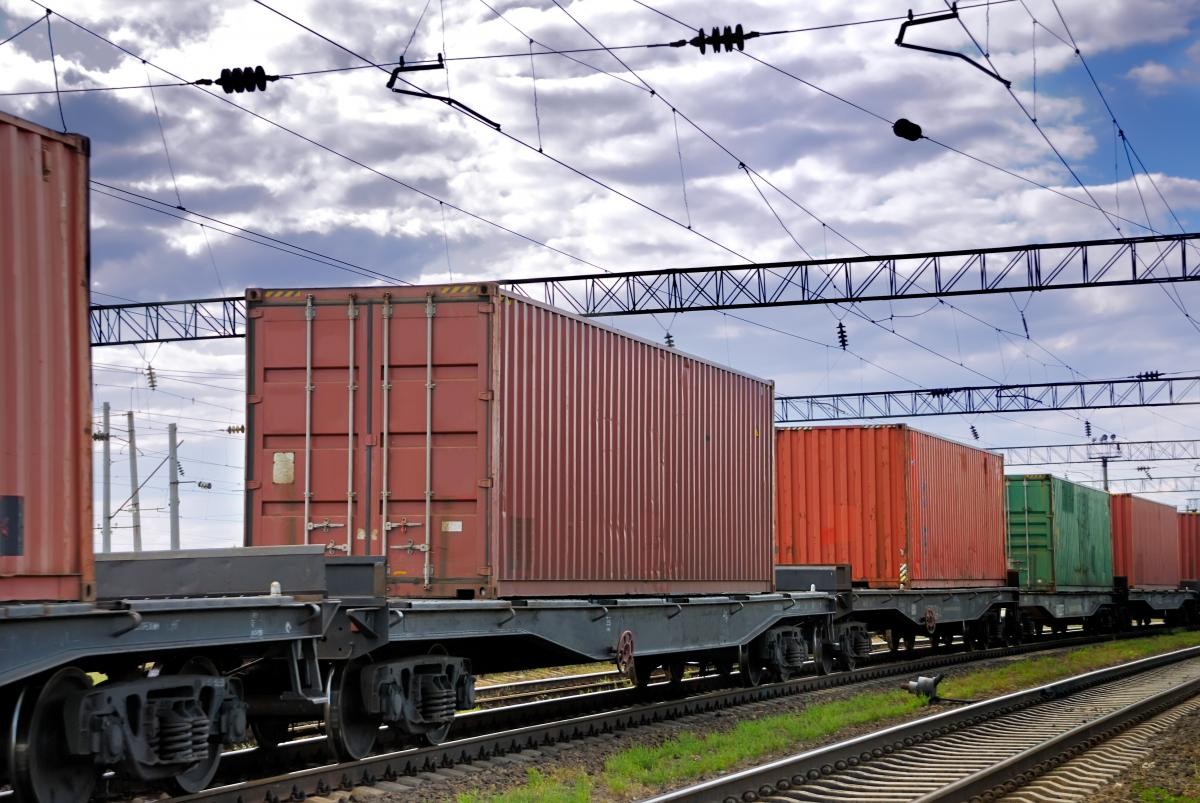
Preliminary estimates suggest that state revenues from transit duties alone could rise by about 5.5 times. New jobs would emerge at the same time. Infrastructure and logistics would also develop.
The competition factor deserves separate attention. In August, Turkey began building the Kars–Nakhchivan railway line. Ankara says it aims to complete the project by 2030. In practice, however, projects of this scale often take longer.
Under these conditions, Armenia needs to launch operation of the Kars–Gyumri–Masis–Yerasx line as soon as possible. This would ensure that cargo flows pass through Armenian territory. It would also закрепить the route’s status as an international transit line.
2) Gyumri–Kars
A similar situation applies to the section from Gyumri to the border with Turkey. This stretch covers roughly 7 to 13 kilometres of railway. Different parts require restoration to varying degrees.
There is no need to lay a new line. However, the existing embankment has aged and requires reconstruction. Rails and sleepers that have not been used for 25 years have deteriorated and need replacement. Even so, the overall scope of work remains relatively limited. The restoration can be completed within a short timeframe.
3) Ijevan–Gazakh
The Ijevan–Gazakh section carries strategic importance. Its restoration would allow the establishment of a direct rail link with Azerbaijan. This route offers the most convenient connection to Azerbaijan and Georgia. It is shorter and runs across more favourable terrain. Northern and central regions of Armenia have the strongest interest in this direction.
Armenia could restore direct rail links with Azerbaijan even without rebuilding the entire Ijevan–Gazakh–Dilijan–Megradzor tunnel section. However, in some areas the railway has almost disappeared and would require full reconstruction. This would demand significant resources. The most challenging stretch lies between Dilijan and the border.
At the same time, Armenia could limit initial work to restoring the section from the border to Ijevan. A similar arrangement existed between 1971 and 1986, when Ijevan served as the final railway station on Armenian territory. During the Soviet period, freight arrived at this station and was then distributed across Soviet Armenia. Cargo was also loaded in Ijevan and sent onwards to Baku or other parts of the USSR.
From a geographical perspective, this route is far more convenient than alternatives through Lori or Meghri.
An interim scenario is also possible. Armenia could restore only the section as far as Ijevan at the first stage.
For a certain period, freight transport could operate under this model. This matters in practical terms. Routes through Georgia extend the journey by more than 100 kilometres. They generate additional transit fees and, even if only slightly, raise transport costs.
At the same time, this approach would allow Armenia to restore its railway infrastructure step by step. It would also help revive economic activity, particularly in the Tavush region.
Price of Russia’s ‘stick in the wheel‘
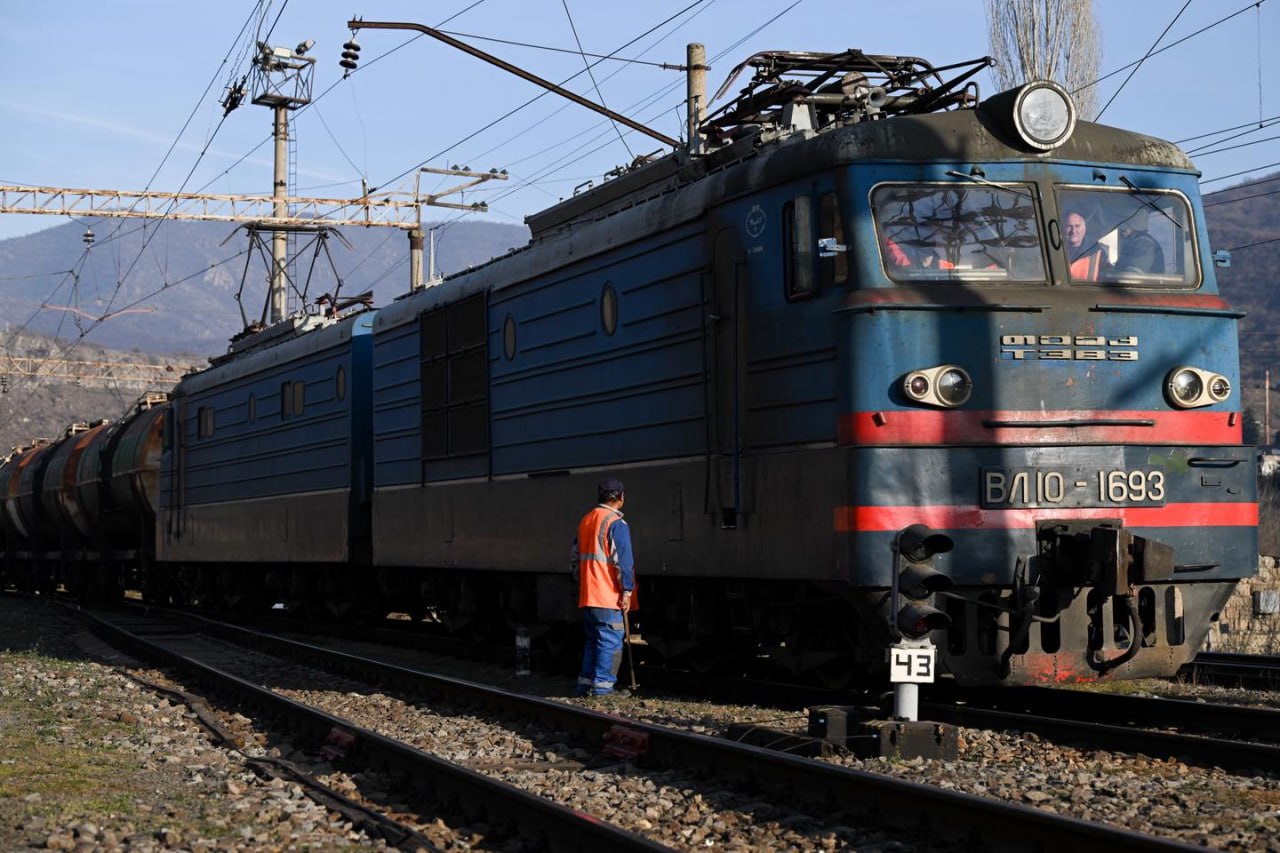
“If the Russian side does not take part in restoring these sections, Armenia will have to carry out the projects on its own.
In that case, Russia would effectively find itself outside the process of unblocking regional transport links and international transit flows.
At the same time, Russia’s interest in Armenia’s railway system has long been clear and remains so. During the period known as ‘football diplomacy’ — an attempt to normalise Armenian-Turkish relations that began with the Turkish president’s visit to Armenia for a match between the two national teams — the Russian side, including through South Caucasus Railways, proposed a number of infrastructure projects to Armenia.
One of them involved building the Vanadzor–Fioletovo line. This project could have significantly shortened the Baku–Kars route via Ijevan.
At that time, Russia began restoring the railway section leading to the Turkish border. The work later stopped. If restoration of these routes does not take place now either, Russia risks remaining outside key regional processes. Armenia may then raise the issue of reclaiming the railway from the Russian concession.
Back in 2018–2019, investigators identified numerous violations in the operations of South Caucasus Railways, including corruption-related ones.
Political considerations later halted proceedings into these cases. The pause came amid the war in Nagorno-Karabakh and subsequent events. Now, however, if Russia does not commit to restoring the key sections, this could create serious political risks. These risks would affect both South Caucasus Railways and Russia as a whole. They could even lead to the loss of concession management.”
Risks for Armenia
“Armenia’s authorities will certainly act with caution. The logic, however, is clear. Armenia needs railways and related infrastructure to operate in parallel with TRIPP.
Without them, TRIPP cannot function properly. Armenia also cannot afford to fall behind and lose out to the Turkish ‘Kars–Nakhchivan’ project.
If Russia fails to meet its obligations or begins to create obstacles, Armenia will inevitably have to look for alternative solutions. In that scenario, avoiding political tension in relations with Russia would prove difficult.
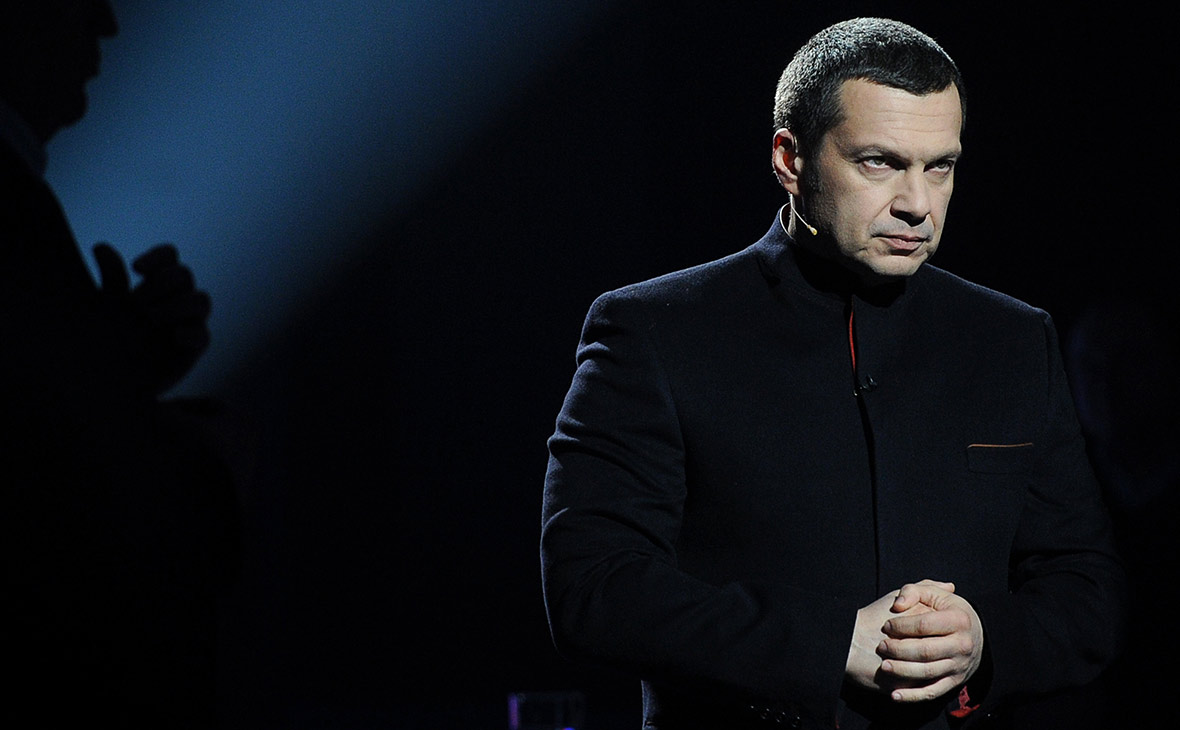
Harsh statements have already come from Moscow. Russian public figures, including Vladimir Solovyov, have voiced them.”
Overall, one can assume that at this stage Russia is more focused on the upcoming elections in Armenia and is waiting for their outcome. At the same time, the broader trend is clear.
Armenia is gradually weakening its former dependencies on Russia. It is also developing relations with new partners.
If the South Caucasus becomes less important for Russia amid more serious challenges on the Ukrainian front, Moscow will have to accept the new realities. Alternatively, it may try to apply economic pressure.
What will happen to Armenia’s railway system