Abkhazia president says not all MPs need to speak Abkhaz






Abkhazia‘s President Badra Gunba has proposed delaying the implementation of a law requiring parliamentary candidates who are not ethnic Abkhaz to be proficient in the Abkhaz language.
Parliament is expected to consider the proposed amendments to the constitutional law under an expedited procedure, as only six months remain until the next elections.
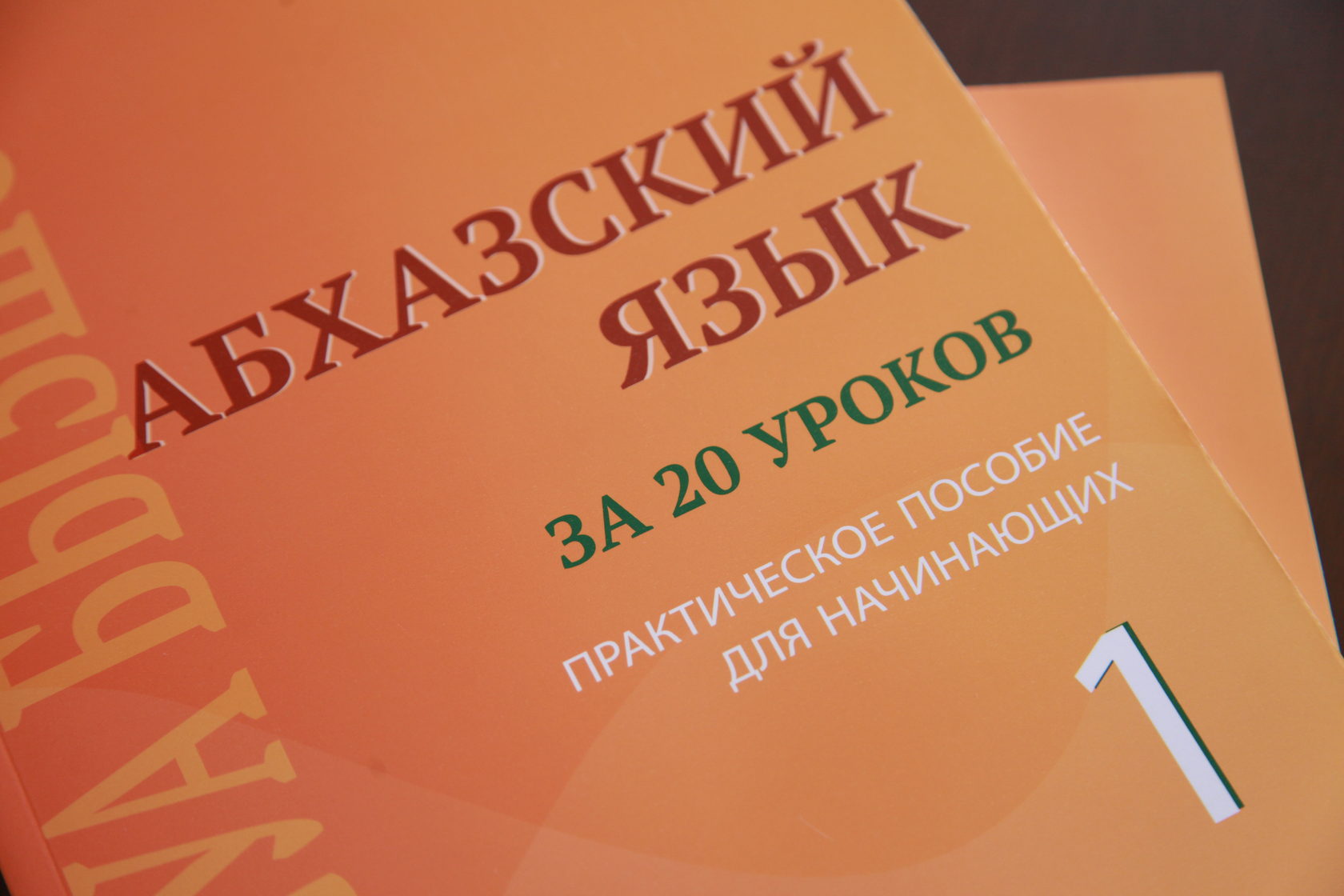
A provision requiring parliamentary candidates to be proficient in the Abkhaz language was adopted in 2021 and is due to come into force on 1 January 2027. However, the president has proposed that the requirement should initially apply only to ethnic Abkhaz candidates, with its implementation for citizens of other ethnicities postponed until 1 January 2032.
The explanatory note accompanying the draft law says that, despite ongoing efforts, the necessary conditions for learning and preserving the Abkhaz language have not yet been fully established.
“In addition, introducing the language requirement simultaneously for all citizens of Abkhazia could lead to social tensions. The draft law therefore proposes a phased introduction of the requirement,” the explanatory note says.
Public figure Akhra Bzhania has expressed strong scepticism about the president’s initiative.
He noted that, apart from the constitutional provision governing eligibility for presidential elections, there are no other examples in Abkhaz legislation that differentiate between citizens on the basis of ethnicity, religion or cultural background.
“A legal provision should not be applied selectively, because such a practice can set a dangerous precedent.
“Today we make an exception for ethnic minorities in elections; tomorrow it could be religious communities in relation to military service; the day after that, we may allow people with dual citizenship to choose in which country they pay taxes,” Bzhania said.
In his view, the amendments proposed by the president appear less like a carefully considered legal measure than an emergency step aimed at resolving what he described as an “unexpected complication” over the eligibility of citizens who do not speak Abkhaz to stand in elections.
“If we keep adjusting laws to suit changing circumstances, then why do we need laws at all? We might as well live without them,” Bzhania said.
The terminology, place names and views expressed in this article are those of the author and do not necessarily reflect the editorial position of this website.
not all MPs need to speak Abkhaz
not all MPs need to speak Abkhaz