Nine Georgian opposition parties form alliance






Opposition alliance in Georgia
After several months of negotiations, nine pro-Western opposition parties in Georgia have agreed to unite and form an opposition alliance called “Unity for Victory”.
In its first statement, the alliance said its goal is to “overthrow Bidzina Ivanishvili’s authoritarian regime, restore Georgia’s Euro-Atlantic course and ensure democratic governance, security and the well-being of its citizens.”
- ‘Georgian government has effectively reversed its European course’, EU foreign affairs committee report says
- Former US envoy: Georgia’s government no longer a reliable partner for Washington
The parties joining the alliance say they have agreed on a common strategy and joint rules of action.
The alliance includes the following parties:
- Akhali
- Girchi More Freedom
- Droa
- Unity — National Movement
- European Georgia
- Strategy Aghmashenebeli
- Federalists
- Freedom Square
- National Democratic Party
What the parties agreed on
The opposition parties have endorsed three core principles:
Unity without uniformity — under this principle, the founding parties retain their ideological identities but commit to a common strategy for protest actions and communication.
“Our task is to show both the Georgian people inside the country and Georgia’s allies abroad that we represent a democratic alternative to Ivanishvili’s oligarchic and autocratic regime,” the statement says.
Democratic alternative — decision-making within the alliance will rest on equality and free will, without external influence.
Political and public consensus — the alliance aims to achieve broad political and social consensus through wide public participation. Its ultimate goal is to defeat Georgian Dream through free and fair elections and to form a democratic coalition government. That government would carry out the necessary reforms.
The participating parties have also agreed on a code that sets out rules for cooperation within the alliance, as well as responsibility for violating them.
“The opposition alliance will fight to the end — until political prisoners are freed and victory is achieved in free and fair elections,” the statement says.
Who did not join the alliance
Two opposition forces that also describe themselves as pro-Western — Lelo for a Strong Georgia and the party of former prime minister Giorgi Gakharia, For Georgia — will not join the alliance.
The Girchi party is also not part of the alliance; however, it has never been considered part of the opposition unity and has not participated in any negotiations.
Unlike most of the opposition, these parties took part in last year’s local government elections.
On 19 February, Lelo for a Strong Georgia said it would continue to operate independently.
“Unity should not be an end in itself,” the party said. “If the goal is to defeat the ruling system, this requires a strong, diverse, responsible and independent opposition spectrum. Trying to put everyone in one basket simplifies the opponent’s narrative and reduces the quality of the alternative. A strong opposition is built through competitive diversity, not forced uniformity.”
One of the MPs from Giorgi Gakharia’s party, For Georgia, Giga Farulava, said today:
“We have not considered and will not consider in the future any kind of unification with any branches of the United National Movement.”
He also said that parties which repeatedly unite and then break apart “hand a gift to the Georgian Dream authorities and their propaganda.”
The alliance’s first statements
Tamar Chergoleishvili, leader of the Federalists party, said a lack of agreement on substantive issues had previously prevented unification. She believes the new alliance will weaken Georgian Dream.
“There is no alternative to this path. Everyone who seeks salvation will join us.”
Nika Gvaramia, chair of the Akhali party, explained why the alliance took time to emerge. He said consultations had been under way for a long time.
“During this period, many of us ended up in prison. Some have been released, some remain behind bars, and some are no longer with us. These include people who are very important to Georgian society — politicians, journalists and others.”
Gvaramia was recently released from prison. He had served a sentence for failing to appear before a parliamentary investigative commission examining the actions of the previous government.
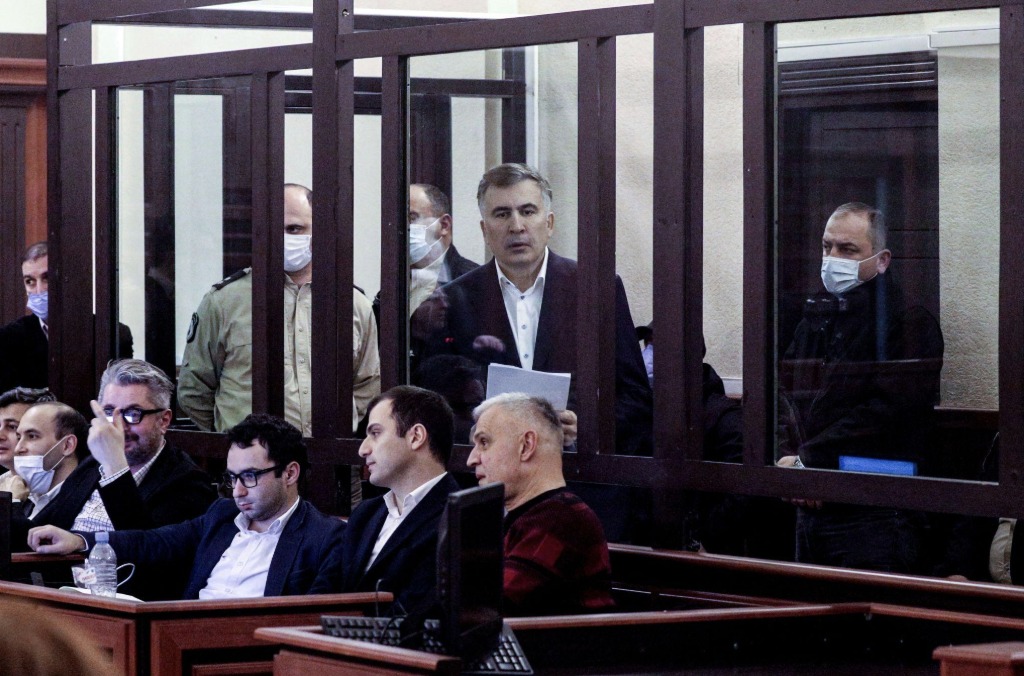
Giorgi Vashadze, leader of the Strategy Aghmashenebeli party, who also served a sentence for failing to attend a commission hearing, described the creation of the alliance as the first strategic step.
“Everything is going well. We are confident that in the end we will achieve victory together.”
From prison, one of the leaders of the Droa party, Elene Khoshtaria, who remains in custody, said the alliance marked an important development.
“The joint work of pro-Western parties creates a serious precondition for taking initiative and responsibility. Many opposition forces in authoritarian countries have failed to do this. With this agreement, we have taken a major step forward. But it is too early to celebrate — we must prove the result through action.”
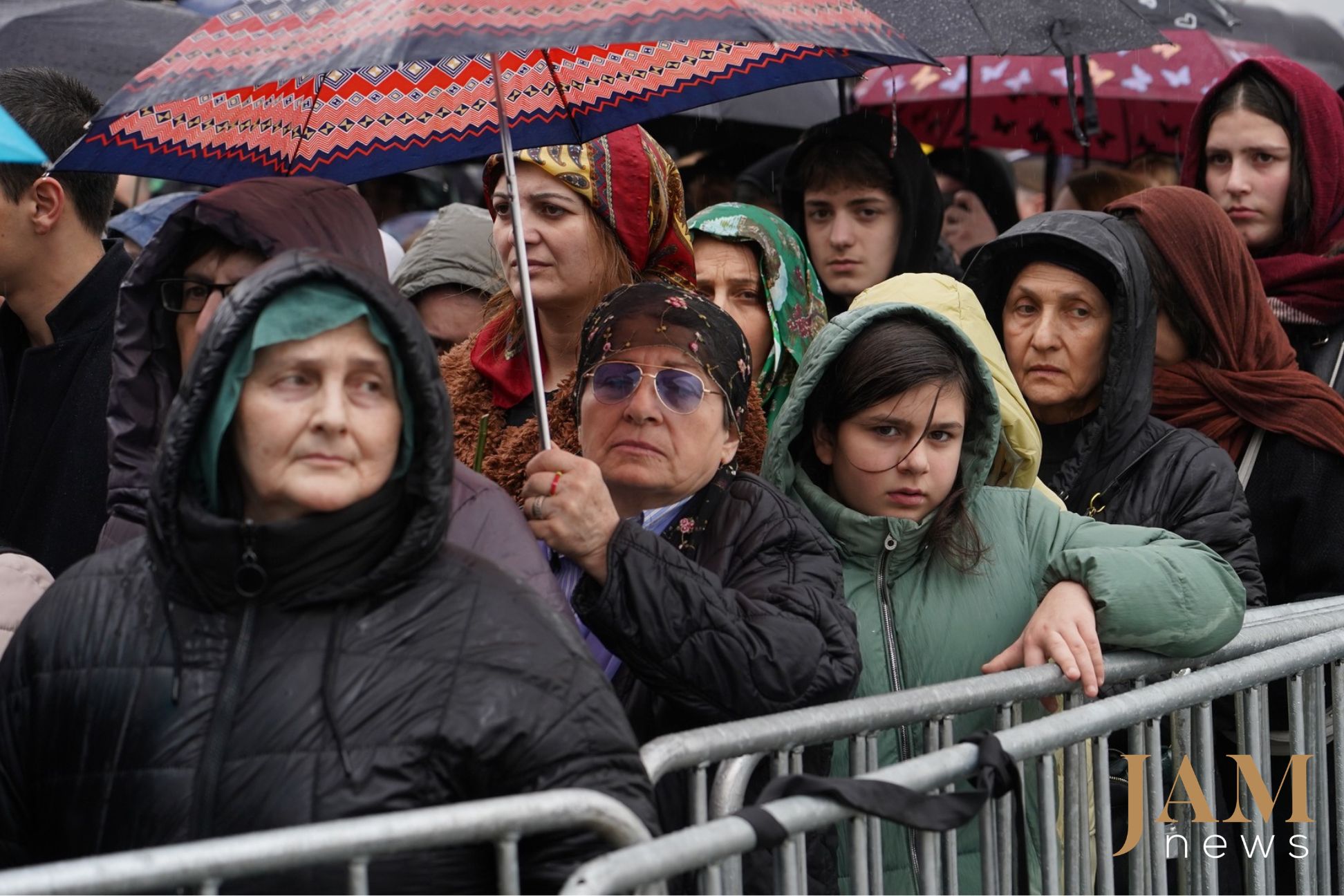
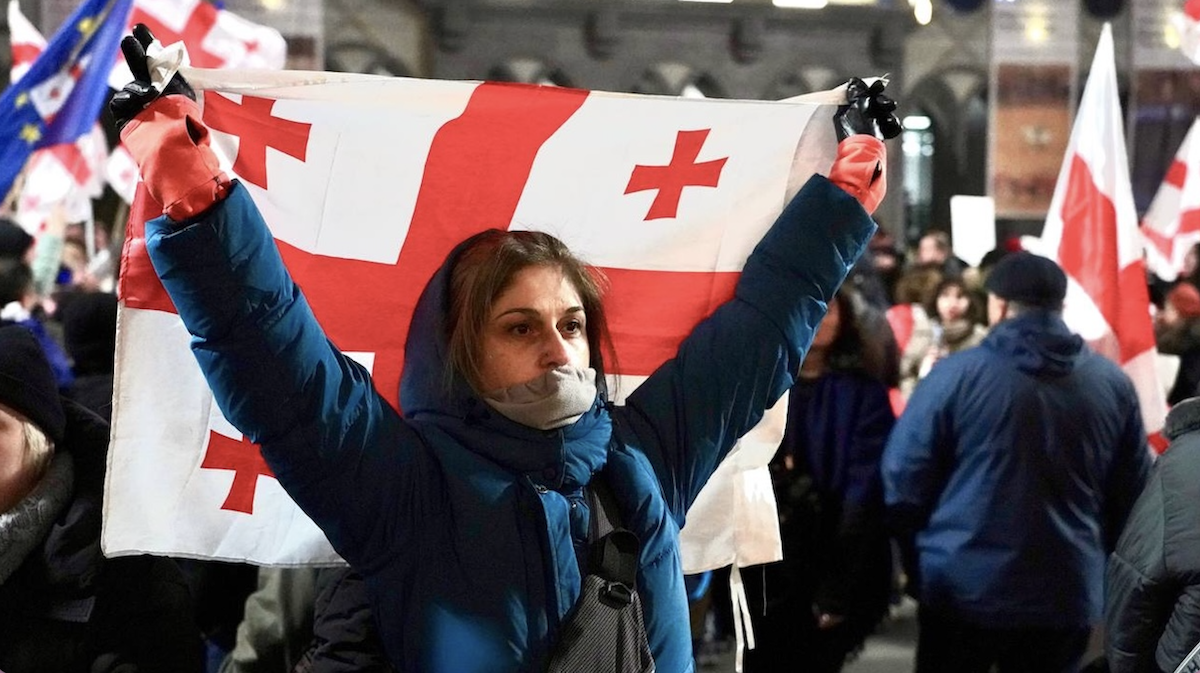
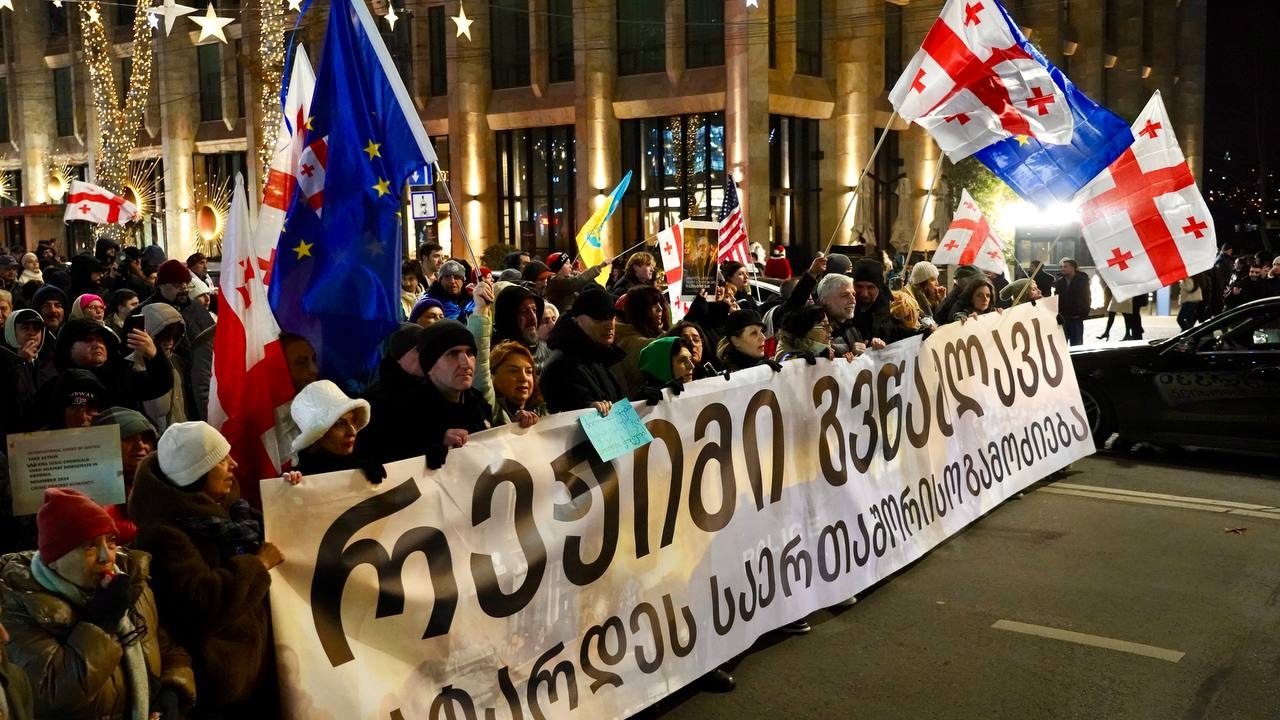
After signing the agreement, the leaders of all nine parties went to Rustaveli Avenue in central Tbilisi to join a protest rally.
What does Georgian Dream say?
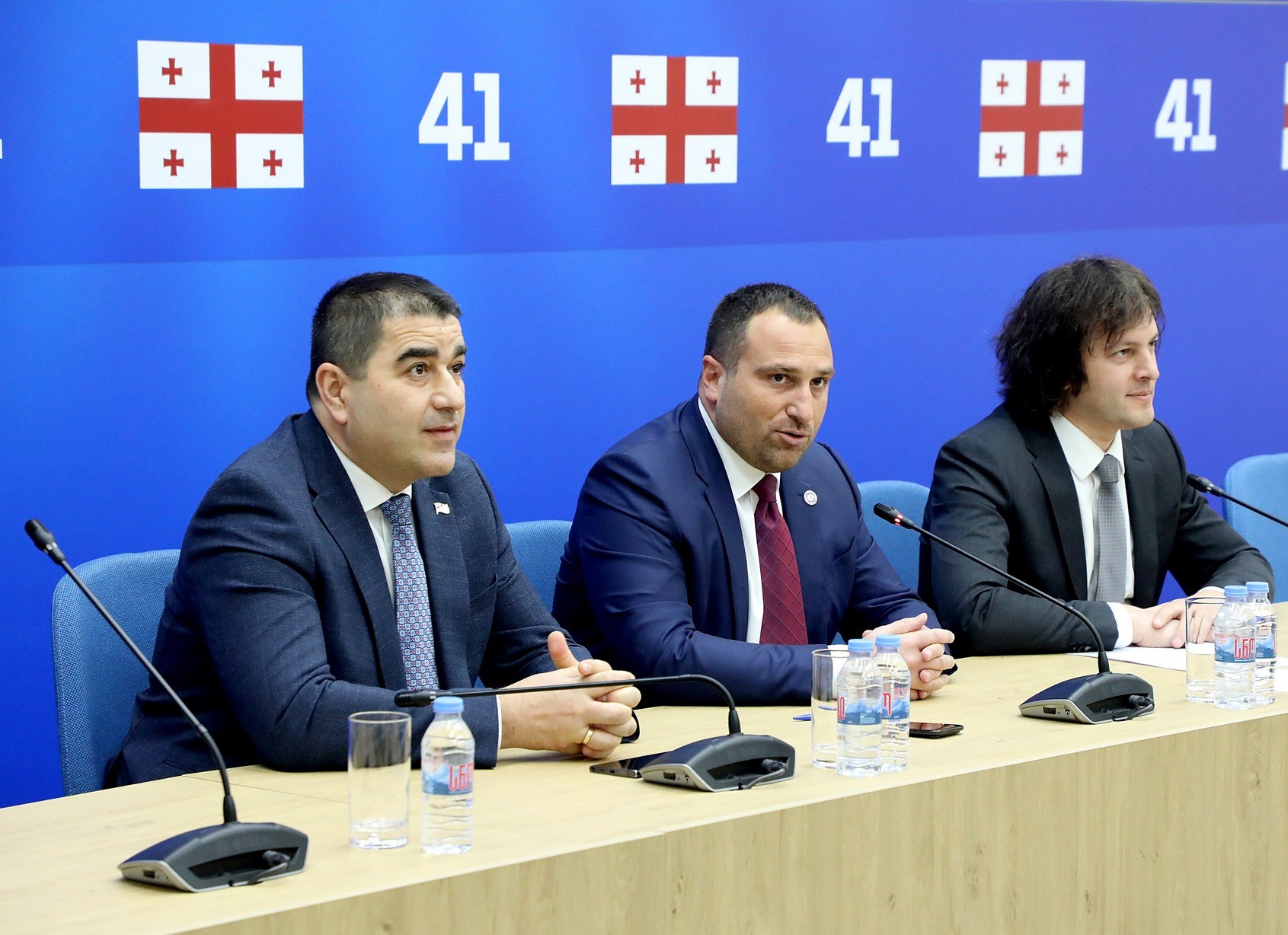
The ruling Georgian Dream party dismissed the opposition alliance as a “clown show”.
“In essence, they have never been divided. They have always acted together against Georgia. The Georgian people determined the place of this agency back in 2012, and that place is the political garbage bin,” said Georgian Dream leader Irakli Kirtskhalia.
Context
Active discussions about uniting Georgia’s pro-Western opposition began in 2020. Since then, the issue has resurfaced periodically, especially ahead of elections. Proposals ranged from running on a single electoral list to forming a broader opposition platform with a unified strategy.
After the 2020 parliamentary elections, in which Georgian Dream secured a majority, opposition parties rejected the results and announced a boycott. Before and after the 2021 local elections, part of the opposition again considered unity a necessary strategy to challenge the ruling party. In 2023–2024, particularly as parliamentary elections approached, debates over a “single list” or at least coordinated action intensified.
Public opinion also called for unity. However, internal disagreements, competition among leaders and strategic differences repeatedly prevented the opposition from achieving it.
This unity has emerged against the backdrop of a deep political crisis in Georgia. Many inside and outside the country do not recognise Georgian Dream as legitimate. More than 150 political prisoners are currently held in Georgia, including journalists, writers, actors, musicians and doctors. Most opposition leaders have already served sentences, yet authorities continue to open new criminal cases against them that carry long prison terms. A continuous protest in the country has now lasted for more than 400 days.
At the same time, Georgian Dream has intensified its crackdown on independent civil society, media and the opposition. Lawmakers have adopted legislation that completely bans foreign funding for the civil sector. Authorities have shut down many organisations, while several influential media outlets that remain open face severe financial crisis.
New legislation also restricts opposition activity. Georgian Dream has announced plans to formally ban several opposition parties.
Opposition alliance in Georgia