Georgian PM Irakli Kobakhidze: 'Russia does not recognise Georgia's sovereignty over 20% of its territory. Kallas does not recognise it over 100%'






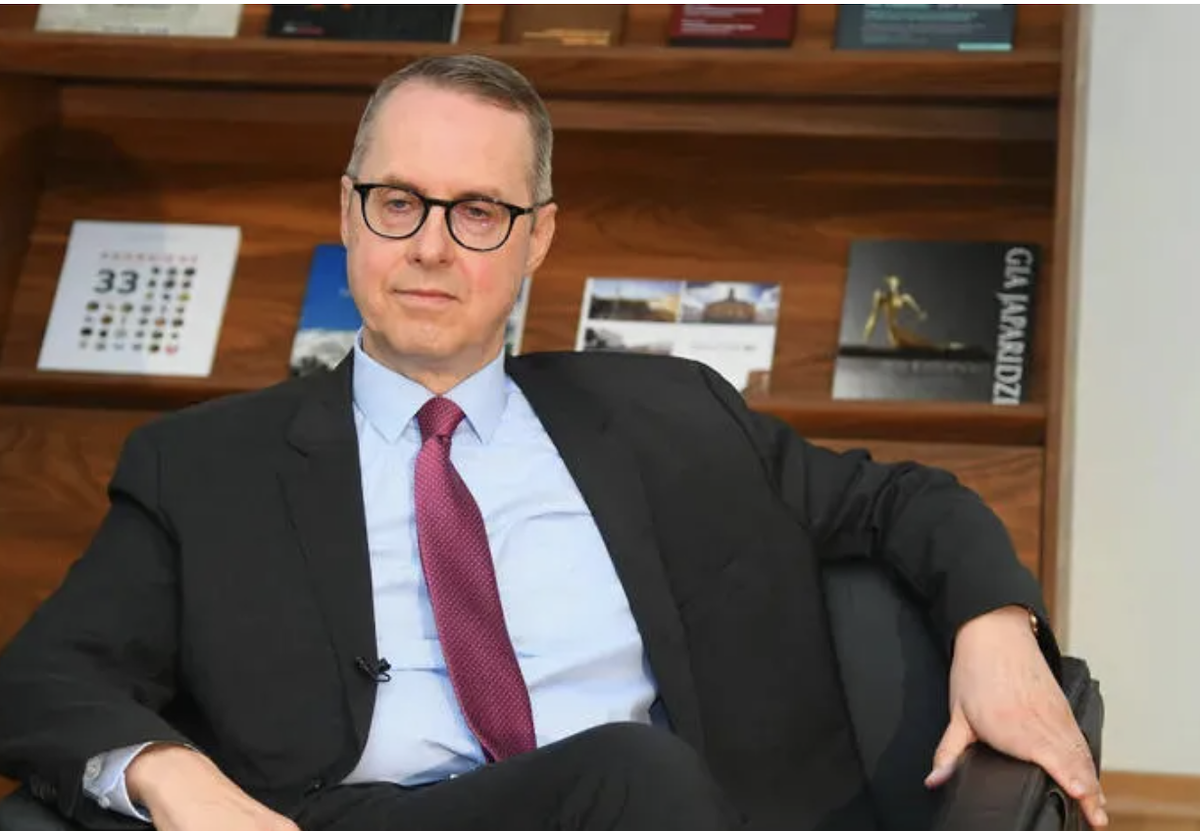
Georgian Prime Minister Irakli Kobakhidze made a series of strongly worded remarks about the European Union, the OSCE and Western institutions during a special briefing. He also criticised EU foreign policy chief Kaja Kallas over her stance on Georgia’s authorities, commented on the influence of the so-called “deep state”, and responded to a critical resolution adopted by the OSCE Parliamentary Assembly.
“Russia does not recognise Georgia’s sovereignty over 20% of its territory. Kallas does not recognise it over 100%.”
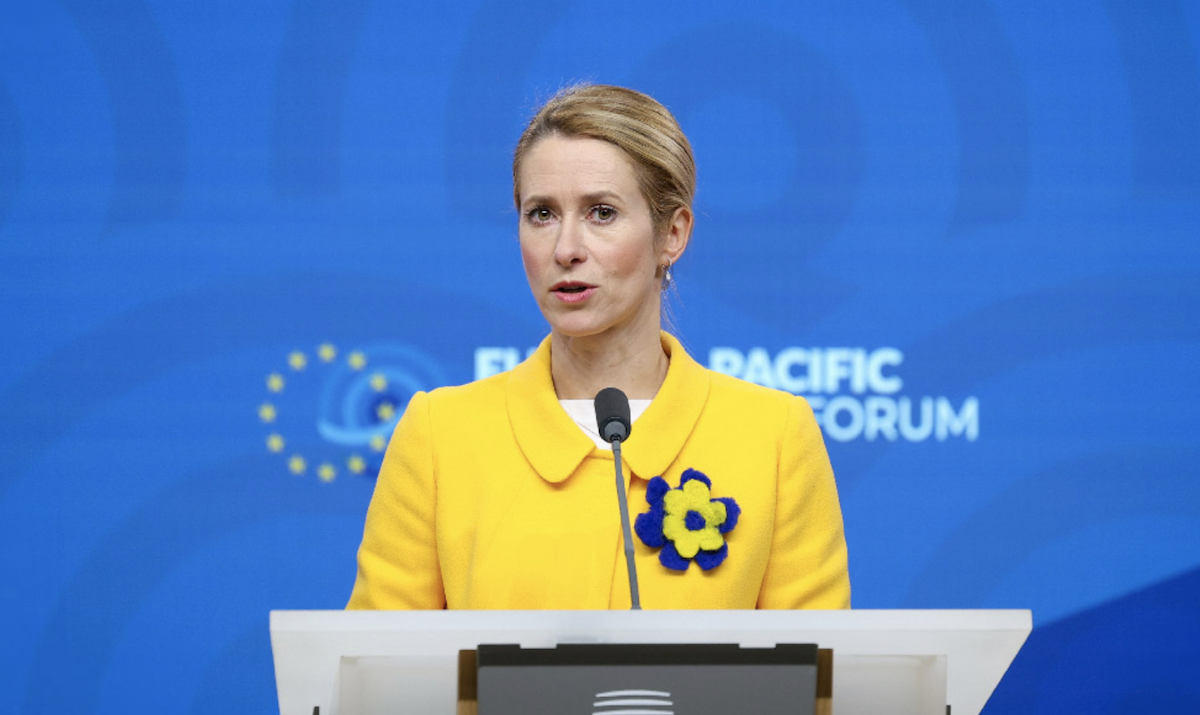
Irakli Kobakhidze was responding to comments by Kaja Kallas, who, while discussing the EU’s Black Sea strategy, said the bloc had no ties with what she described as the “Ivanishvili government” and that its priority was to support the Georgian people.
Kobakhidze argued that, just as Russia does not recognise Georgia’s sovereignty over 20% of its territory, Kallas “does not recognise Georgia’s sovereignty over its entire territory”.
“We have often said that Russia does not recognise Georgia’s sovereignty over 20% of our territory, while Ms Kaja Kallas does not recognise Georgia’s sovereignty over 100% of the country’s territory. This is an absolutely disgraceful and deeply troubling attitude… When the European Union’s High Representative refuses to recognise the will of the Georgian people and stands against it, it is a very serious matter,” Kobakhidze said.
“Deep state” and Western institutions
During the briefing, Kobakhidze spoke at length about what he described as the “deep state”, arguing that European institutions were accountable not to their voters but to informal oligarchic interests.
He said Georgia had become the main target of the “deep state” after 2022 because the government had refused to join sanctions against Russia and to “open a second front”.
According to Kobakhidze, this decision is why various political tools, including European institutions, are now being used against Georgia.
He also said the “price of comfort” offered by the “deep state” included “the spread of pseudo-liberal ideology, LGBT propaganda, the forced acceptance of migrants, and the abandonment of state sovereignty and national identity”.
Kobakhidze said the Georgian government would not accept such policies because they would threaten the country’s sovereignty.
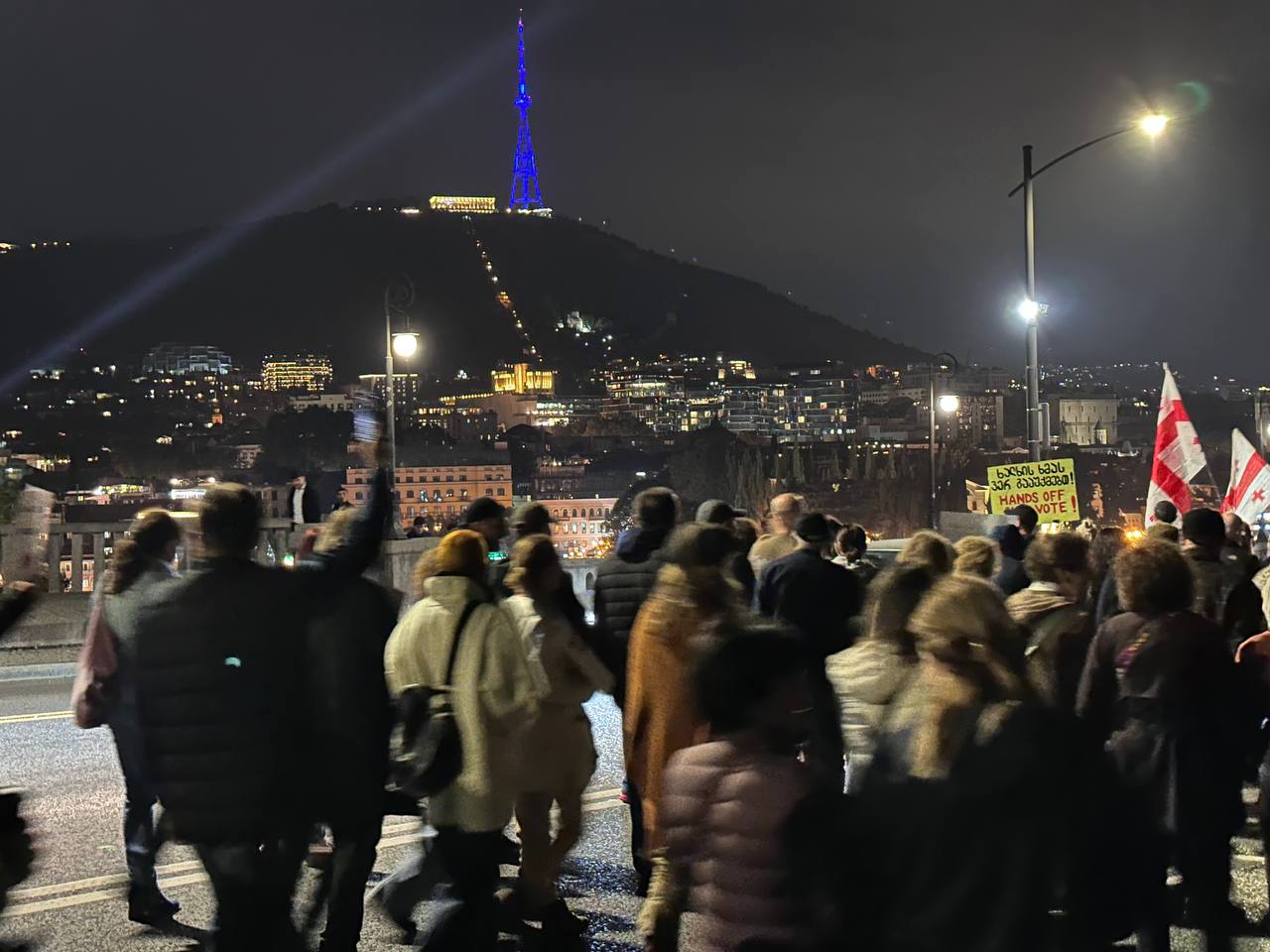
He also argued that “unfair resolutions, absurd statements and attempts to stage a revolution” had failed to achieve their aims, adding that, despite these developments, the Georgian people had backed the ruling Georgian Dream party in 2024 and 2025.
Criticism of the OSCE resolution
Kobakhidze also criticised the recent OSCE Parliamentary Assembly resolution on Georgia, describing it as “absurd” and claiming that European institutions were involved in an effort to bring about a change of government in the country.
He said: “Like other European institutions operating under informal oligarchic influence, the OSCE has now also been openly drawn into a process aimed at changing the government of Georgia and replacing it with obedient agents of the ‘deep state’ through unfair and disgraceful accusations, sanctions, and other instruments of pressure and blackmail.”
On 8 July, the OSCE Parliamentary Assembly adopted a critical resolution on Georgia calling on the authorities to release political prisoners, repeal laws restricting civil liberties and uphold democratic standards. The resolution, titled “On Protecting Electoral Integrity and Fundamental Freedoms in Georgia”, forms part of the Hague Declaration.
Tbilisi airport expansion
Alongside his foreign policy remarks, Kobakhidze also announced the launch of a major expansion project for Tbilisi International Airport.
He said the state would invest more than $150m under the agreement, increasing the airport’s annual capacity to 10 million passengers.
According to the prime minister, expanding the airport is strategically important for Georgia’s economy, tourism, connectivity and investment appeal.
Kobakhidze said Georgia’s aviation sector had grown rapidly in recent years, with more international routes added and numerous airlines entering the market. He said the international airports in Tbilisi, Kutaisi and Batumi handled a combined 8.5 million passengers in 2025, while the country’s tourism and aviation sectors recorded their strongest results on record. He added that although growth had slowed slightly this year “against the backdrop of the crisis”, June still set a new record, and the government remained optimistic about the year’s overall performance.
Irakli Kobakhidze’s remarks on the West