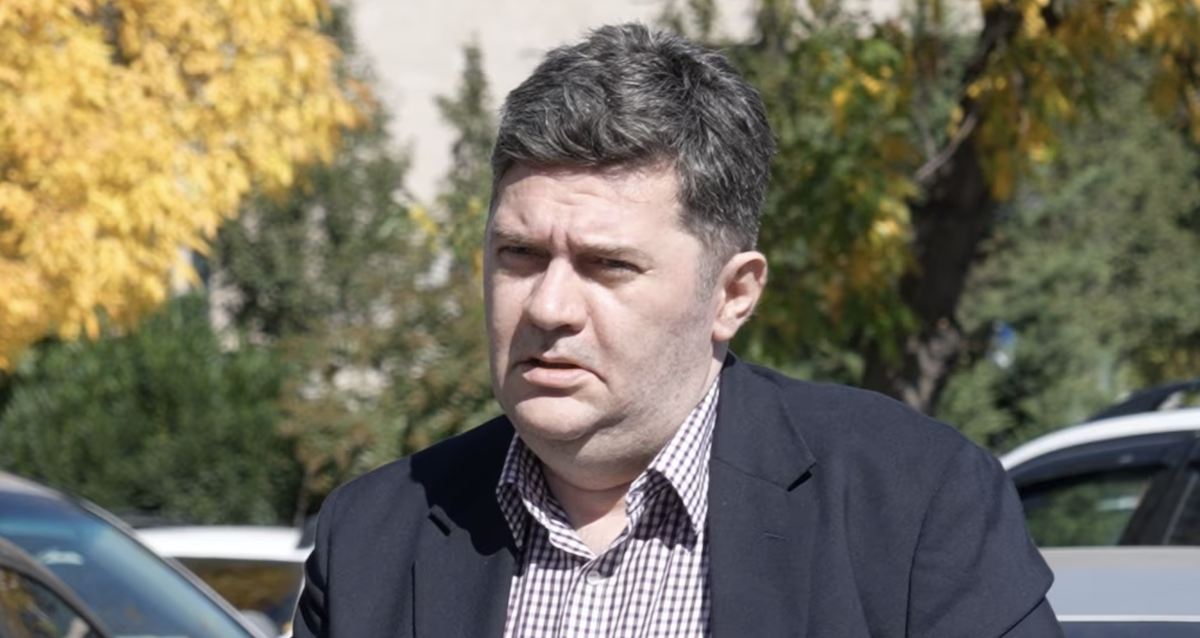


Georgian Dream PM: 'EU effectively admitted responsibility for crimes in Georgia'






Georgia: Kobakhidze accuses the EU
Georgian Dream Prime Minister Irakli Kobakhidze mocked a document published on 17 December by the EU Council Presidency, which contained critical assessments of the situation in Georgia.
Kobakhidze said that the EU “decided to admit responsibility for the criminal actions of the Georgian opposition and activists” and added that, personally, he “would not have taken responsibility for actions directed against Georgia’s statehood.”
The EU Council Presidency called on the Georgian authorities to “repeal repressive laws, release all politicians, journalists and activists who have been unfairly detained, and stop using aggressive rhetoric towards the European Union.” It stated that “the actions of the Georgian authorities do not meet the EU’s expectations of a candidate country.”
The document was supported by 26 delegations. However, Hungary did not back it, and due to the lack of consensus, it was published on behalf of the Presidency.
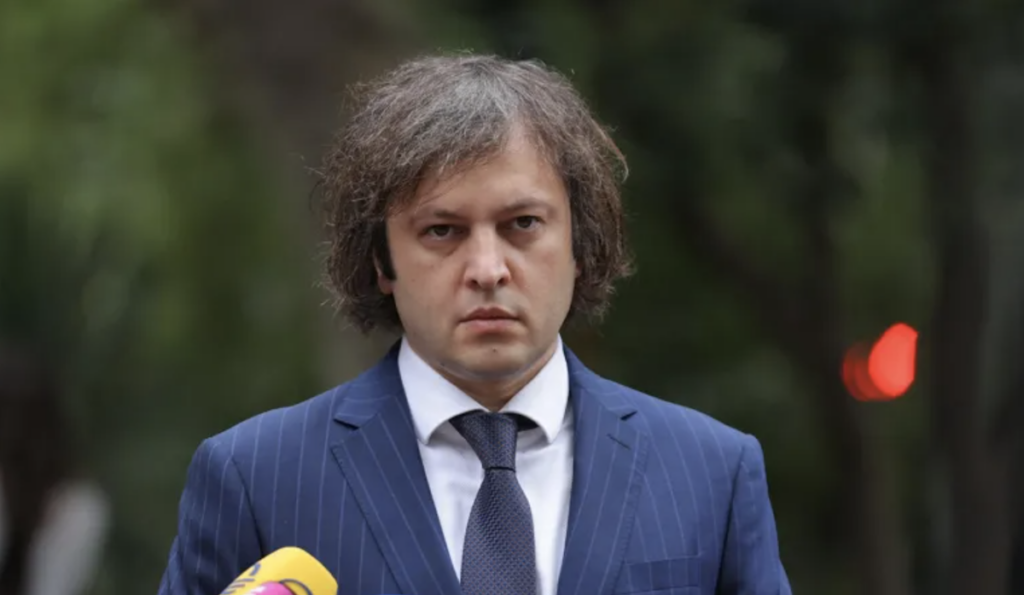
Irakli Kobakhidze:
“In Georgia, people who directly took part in revolutionary processes and attacks on state institutions have been detained.
By calling for their release, the European bureaucracy is, in effect, taking responsibility for these acts against statehood and the constitutional order.
If I were in the position of the European bureaucracy, I would not take responsibility for such criminal actions.
As for the laws the EU calls to repeal, we are talking about the ‘Law on Transparency of Financial Activities,’ and there are no grounds for criticism. This law allowed us to name the so-called NGOs and so-called civil society.
Foreign agents were, in effect, given their real names. And someone in the European bureaucracy does not like that.
In this too, if I were in their place, I would not take responsibility for the anti-state actions carried out over the years by certain organizations, the so-called NGOs, the so-called civil society.
I would call the document presented by the EU Council Presidency an admission of their responsibility for the criminal and anti-state actions committed against the Georgian people and the Georgian state.”
- Georgian vs. American ‘foreign agent’ law: What’s the difference?
- Georgian Dream attacks online media and threatens criminal cases
- Georgian NGOs say authorities are now enforcing repressive laws
Georgia: Kobakhidze accuses the EU