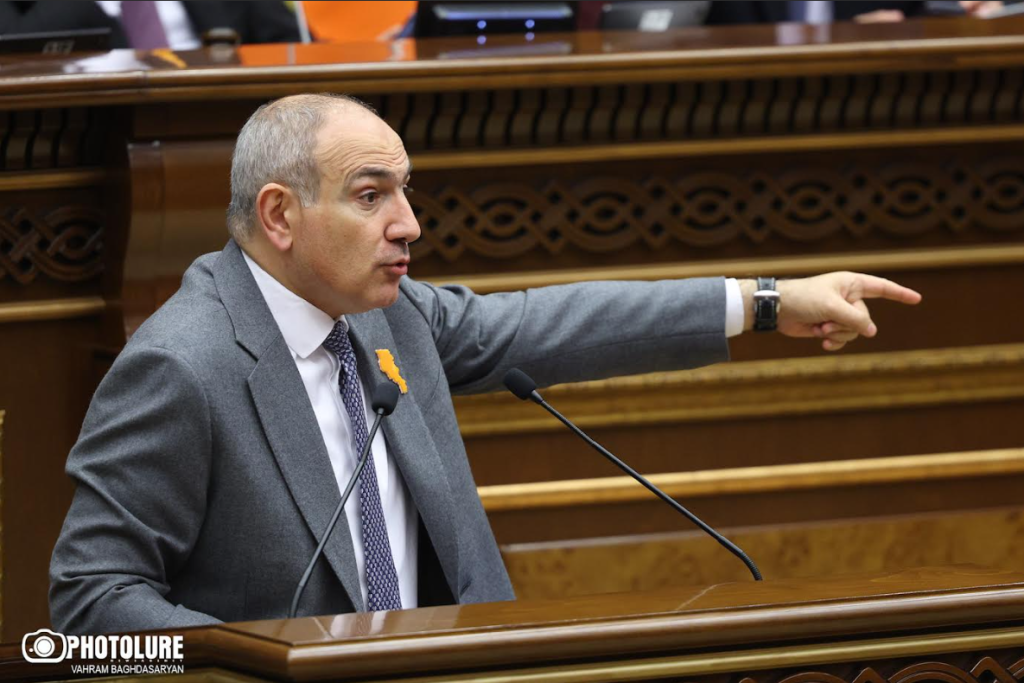


Georgia has abolished the “Administration of the Former South Ossetian Autonomous Region”






Georgia abolishes South Ossetia
On December 17, at its third and final reading, Georgia’s Georgian Dream–led parliament approved a decision to abolish the “Administration of the Former South Ossetian Autonomous Region” and to invalidate two laws:
- “On Creating Appropriate Conditions for the Peaceful Settlement of the Conflict in the Former South Ossetian Autonomous Region”
- and “On Property Restitution and Compensation for Those Affected in Georgia as a Result of the Conflict in the Autonomous District of Former South Ossetia.”
The decision was adopted unanimously by 83 votes and will take effect on January 1, 2026. Employees of the now-defunct administration will be dismissed and paid compensation equal to three months’ salary.
The temporary administrative-territorial unit was established by a decree of then-president Mikheil Saakashvili on May 8, 2007, on the territory of the former South Ossetian Autonomous Region, which existed as part of Georgia during the Soviet period. The unit has operated since then, funded from Georgia’s state budget, and is currently headed by Tamaz Bestaev.
- Simplified citizenship in South Ossetia fuels speculation of joining Russia — most residents disagree
- Russian foreign ministry: ‘There are no grounds to resume political dialogue with Georgia’
- How Tbilisi influenced 2022 presidential election in South Ossetia – opposition’s version
“This is a historic decision. We can put an end to the treacherous epic of the National Movement regime, which they created around the issue of South Ossetia in 2005–2008 and in the years that followed,” said Tornike Cheishvili, a member of the ruling Georgian Dream party and rapporteur for the adopted legislative package.
He said that the previous authorities, when Mikheil Saakashvili was president and the now-opposition National Movement was the ruling party, had pursued an “anti-state policy.”
“By creating this administrative-territorial unit (the administration of the former South Ossetian Autonomous Region), they continued what the Bolsheviks did in Georgia in the 1920s.
We must return to the legal status quo adopted in 1990 by the Supreme Council of the Republic of Georgia and its head, Zviad Gamsakhurdia, when the autonomous region was completely abolished,” Cheishvili said.
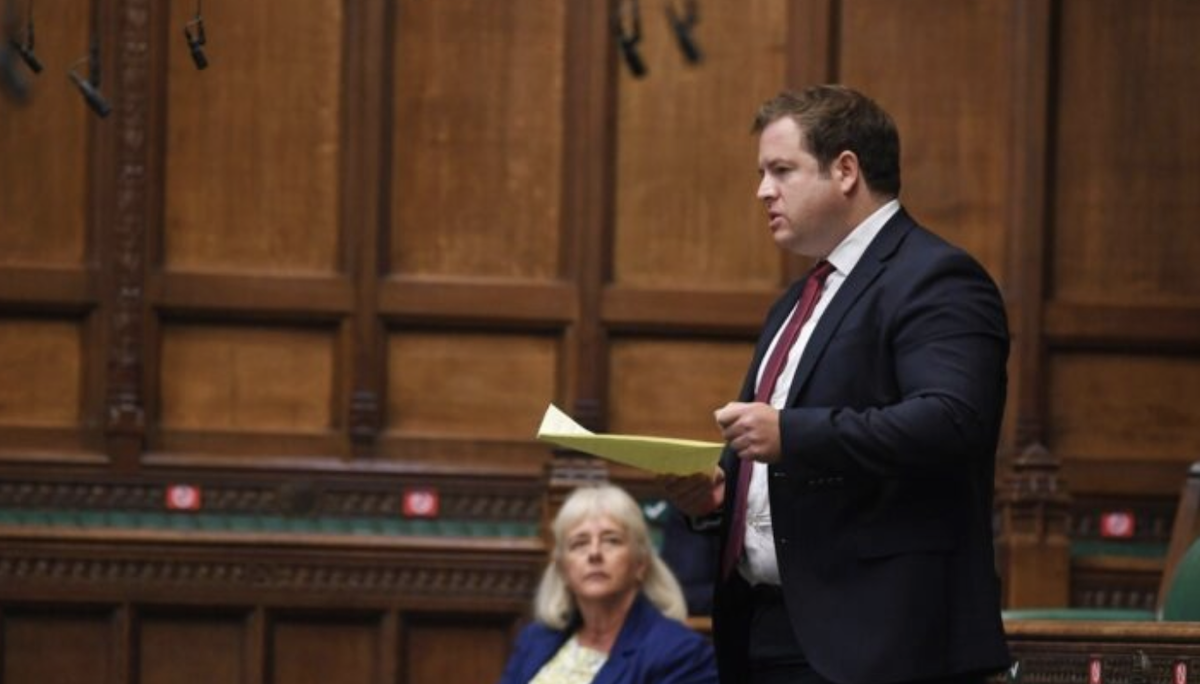
Georgian Dream parliamentary speaker Shalva Papuashvili said that the administration had been created in violation of the Constitution and included an equally unconstitutional alternative government.
“In November 2006, unconstitutional elections were held in the Tskhinvali region, organized by the National Movement government. A so-called president of South Ossetia was declared and a so-called ‘alternative government of South Ossetia’ was formed.
By taking this step, the government at the time indirectly legitimized separatist processes, which amounted to a clear and serious betrayal of Georgia’s state interests.
This decision artificially restored the administrative borders of the Soviet-era autonomous region that had been abolished in 1990. It later became one of the factors contributing to Russia’s military aggression in 2008 and the occupation of Georgia’s historic region of Samachablo.
For years, Georgia worked to strengthen its policy of non-recognition of the separatist regions. Even the indirect use of the term ‘South Ossetia’ by the National Movement regime constituted a violation of the Constitution and a betrayal of national interests. There is no such concept as ‘South Ossetia’ in Georgia’s legal and political space,” Papuashvili said.

News in Georgia