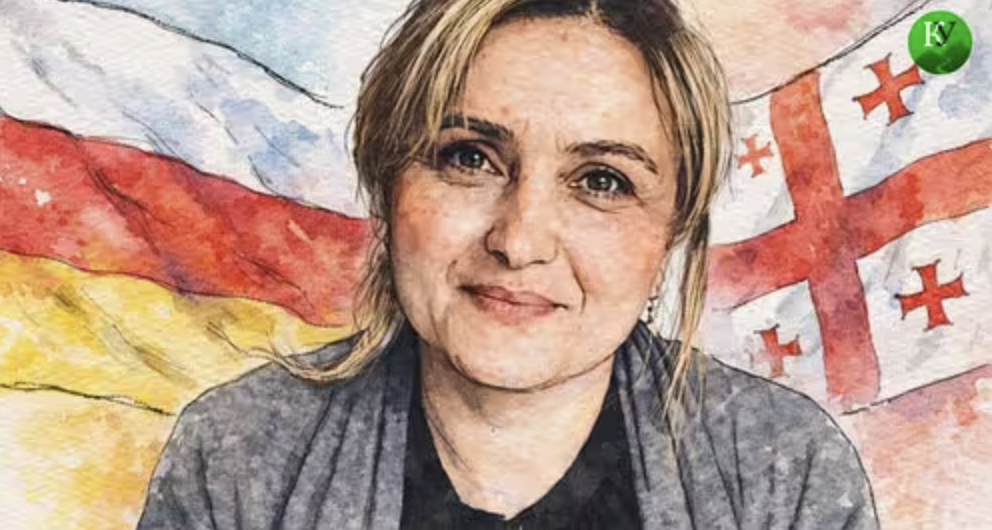
Tamara Mearakishvili's bid to return home after expulsion from South Ossetia






Tamara Mearakishvili’s case
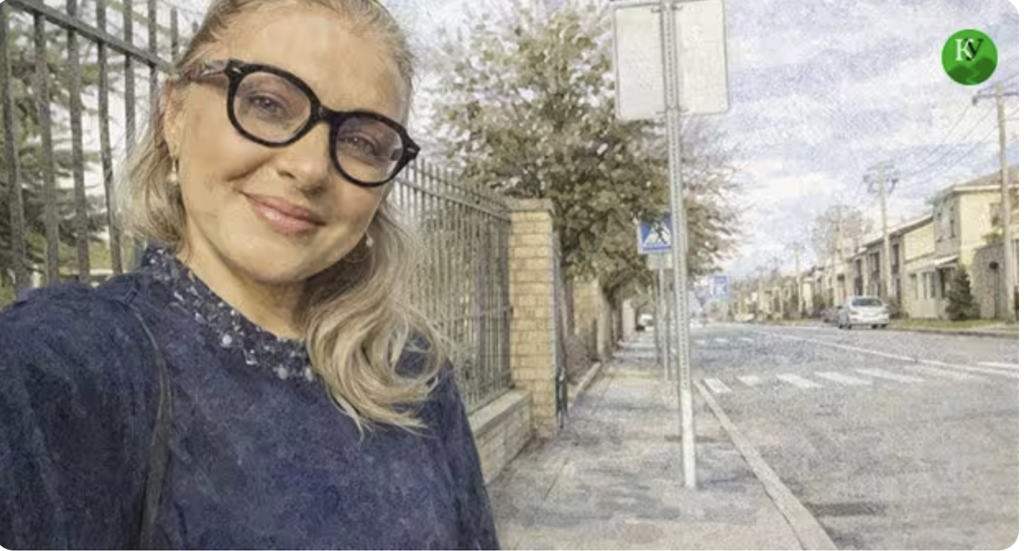
Akhalgori activist Tamara Mearakishvili, who was expelled from South Ossetia in late 2025, says she remains ready to return to Akhalgori and stand trial, provided the proceedings are held in public and her right to a defence is guaranteed.
Based on reporting by Kavkazsky Uzel.
On 22 December 2025, South Ossetia’s prosecutor general’s office announced that it had opened a criminal case against Mearakishvili on espionage charges. Investigators alleged that she had collected and passed on information about strategically important sites. On 31 December, a court ordered her expulsion from South Ossetia, after which she was taken to Georgia. Her lawyer said at the time that he had not been informed in advance of the deportation. In January, Mearakishvili filed an appeal against the ruling by the Tskhinvali City Court, but the case was never heard. She says the court initially insisted on her personal attendance before later refusing to accept the documents by email. Also in January, she said her parents, who still live in Akhalgori, had come under pressure.
On 2 July, Mearakishvili published an open letter to South Ossetia’s acting president, Marat Kambolov, calling on him to ensure her safe return to Akhalgori, return her documents and launch an internal investigation into Akhalgori police officers, whom she accuses of failing to act.
She believes the criminal case against her was initiated under former president Alan Gagloyev and hopes Kambolov will take a fresh look at it.
“I’ve heard that Marat Kambolov is a lawyer. Even without a legal background, it’s obvious this case was fabricated. I hope he takes personal control of it so that I have a chance to defend myself,” she told Kavkazsky Uzel.
Mearakishvili says she has received no information about the investigation since her deportation.
“No one has contacted me and I have no idea what is happening with the case. I called the KGB investigator who was handling it, but he blocked my number. I’ve never seen a situation where investigators hide from the accused,” she said.
Mearakishvili’s South Ossetian passport expired in 2020, when she turned 45. At the time, she was also under investigation, then on defamation charges. Although she was acquitted and her expired passport was returned to her, she says she was never issued a new one.
Since being expelled from her home region, Mearakishvili has been living in a rented flat in Tbilisi. Friends organised a fundraiser that has covered her rent until September.
Before her arrest, she owned a second-hand clothing shop in Tskhinvali. After moving to Tbilisi, she decided to continue the business.
“The suppliers I used to work with agreed to provide stock on consignment. I now sell clothes through live streams on TikTok. Competition in Tbilisi is fierce, so I focused on low prices and quick sales. It worked,” she said.
According to Mearakishvili, some of her customers are still in South Ossetia.
“My former customers still follow me on social media. They find ways to arrange deliveries through the Upper Lars crossing or via Akhalgori when the road is open. More people want to buy the clothes than I can deliver them to,” she said.
She also said she had been left without legal representation following the death of her lawyer, Alan Bazzayev, who had represented her since her arrest. He died two months ago after a prolonged illness.
“People ask why I didn’t go straight to the UN. But I first tried to use every local legal remedy available to me. Every door was closed. I no longer have a lawyer there, so I turned to the Office of the UN High Commissioner for Human Rights,” Mearakishvili said.
She said the complaint had been filed against the Russian Federation and Georgia.
Mearakishvili also alleges that after her deportation she was left outside a hospital in Gori without her documents or belongings.
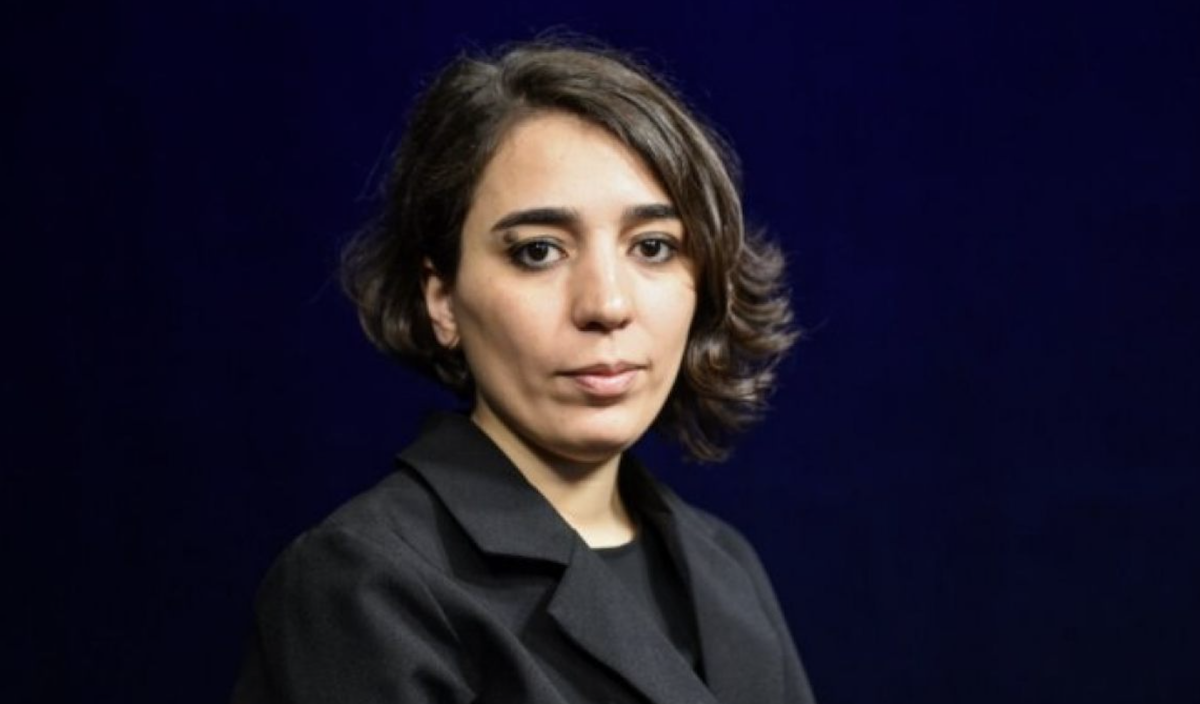
“They expelled me in my pyjamas and slippers, in freezing weather. The only thing I had with me was the court ruling. Since then, not a single Georgian official has asked how I am coping,” she said.
Mearakishvili also noted that, unlike many other residents of Akhalgori, she did not receive refugee status in Georgia, housing in the Tserovani settlement or social assistance after the 2008 war.
Despite everything that has happened, she says she still hopes to return home.
“I am grateful to my friends in Tskhinvali, who supported me while I was in prison and continue to support me today. Sometimes they even send me Ossetian pies.
I still wake up in the middle of the night thinking I’m at home in Akhalgori. I lost my home because I spoke out about corruption and the looting of the state budget. No one should be stripped of their homeland for saying such things,” Mearakishvili said.