EU annual report: 'serious problems' in Azerbaijan and 'serious restrictions' on fundamental freedoms






European Union annual report
The EU says that the human rights and democracy situation in Azerbaijan in 2025 continued to be marked by “serious problems”. It highlighted restrictions on civil society and media freedom, concerns about the independence of the judiciary, and limited progress on structural reforms.
The overall situation in governance remained restrictive. This is according to the European Union’s Annual Report on Human Rights and Democracy in the World for 2025.
The report says legislative, administrative and judicial mechanisms “seriously restrict” the exercise of fundamental freedoms.
At the same time, the assessment notes progress in several areas. These include the criminalisation of child marriage, new measures to promote gender equality, and efforts to combat corruption.
The EU’s assessment of Azerbaijan in 2025 is critical but balanced.

Civil society under pressure
In 2025, civil society organisations continued to operate under restrictive conditions.
The EU notes that the 2017 Law on Non-Governmental Organisations remains in force. Registration, reporting and grant approval requirements continue to restrict the activities of independent organisations.
Local organisations reported persistent administrative pressure and increased scrutiny.
The departure of several UN agencies, including the United Nations Development Programme and UNICEF, also affected their operating environment. This reduced opportunities for international monitoring and assistance.
The EU says it continues to support civil society, independent media and human rights defenders, including through human rights monitoring and legal assistance programmes for vulnerable groups.
Concerns over the judiciary and the rule of law
According to the EU, problems related to the rule of law and judicial independence persist.
The assessment says courts lack sufficient independence when handling politically sensitive cases.
The report cites judgments by the European Court of Human Rights as an important indicator of the problems that remain.
In 2025, the ECHR issued 39 judgments in cases concerning Azerbaijan and found violations in 38 of them. Most cases involved the right to a fair trial, deprivation of liberty, freedom of expression and freedom of assembly.
The report also notes that Azerbaijan’s failure to implement ECHR judgments has affected the country’s relations with the Parliamentary Assembly of the Council of Europe.
Electoral system remains unchanged
The EU notes that Azerbaijan’s electoral system underwent no changes in 2025.
The country did not carry out major reforms aimed at implementing the long-standing recommendations of the OSCE Office for Democratic Institutions and Human Rights and the Council of Europe’s Venice Commission.
The report identifies the lack of progress in this area as one of the persistent challenges to Azerbaijan’s democratic development.
Progress in some areas
The EU report also notes a number of legislative changes.
In July 2025, Azerbaijan criminalised child marriage.
The authorities approved a National Action Plan on Gender Equality for 2026–2028 and amended the Law on Combating Corruption.
The amendments include provisions on whistleblower protection and corruption risk management.
At the same time, the EU notes that the implementation of these measures remains uneven.
Dialogue continues, reforms remain limited
Throughout 2025, the EU maintained regular contacts with the Azerbaijani authorities.
These included meetings with the Ministry of Foreign Affairs, the Office of the Ombudsman and the State Committee for Work with Religious Organisations.
The discussions covered judicial reform, media freedom, the treatment of people in detention, the rights of religious minorities, gender equality and the fight against corruption.
The EU also raised concerns about individuals who had been arrested or barred from leaving the country for exercising their fundamental rights.
Human rights issues also featured in sectoral dialogues on public administration, justice and social policy.
However, despite the continued channels of engagement, the EU says that “progress on structural reforms remains limited”.
Media freedom and fundamental rights
Media freedom and freedom of expression remained among the areas closely monitored by the EU.
The report notes that throughout the year, the EU closely monitored developments concerning digital rights, freedom of expression and media freedom.
EU-funded programmes supported independent media, human rights monitoring, legal assistance, gender equality and children’s rights.
The EU continued to support civil society organisations and human rights defenders working under restrictive conditions.
Azerbaijan on international platforms
The EU continued to raise human rights concerns in Azerbaijan through international organisations.
At the UN, during the 80th session of the General Assembly’s Third Committee, the EU raised issues concerning the space for civil society, judicial independence and media freedom.
Cooperation with the Office of the UN High Commissioner for Human Rights also continued, including preparations for Azerbaijan’s next Universal Periodic Review, scheduled for 2026–2027.
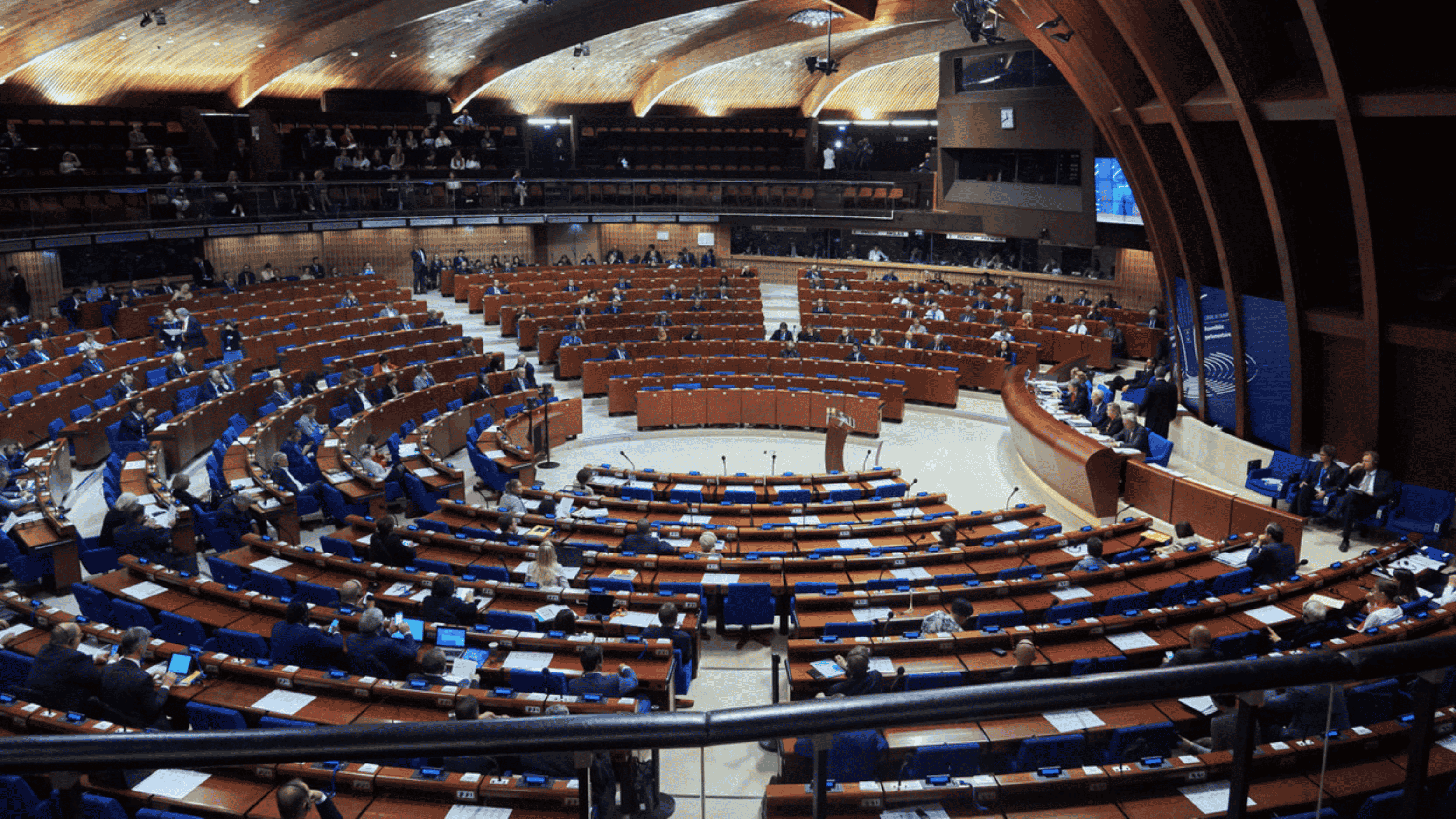
Within the Council of Europe, the EU supported mechanisms for implementing ECHR judgments and engaged with the Venice Commission and the Commissioner for Human Rights.
At the OSCE, the EU and its member states took part in discussions on media freedom and electoral standards, including restrictions affecting the work of the Office for Democratic Institutions and Human Rights.
European Union annual report