Could Azerbaijan join Trump-initiated ‘Board of Peace’ for Gaza?






Azerbaijan and Peace Council
The “Peace Council” created for Gaza is shaping a new line of tension between Donald Trump’s global peace ambitions and international law. Azerbaijan, meanwhile, is neither joining the initiative nor openly opposing it. As before, Baku is taking a wait-and-see approach.
The terms, toponyms, views and opinions used in this JAMnews material reflect solely the position of the author or a particular community and may not coincide with the views of JAMnews or its individual staff members.
What is the Peace Council?
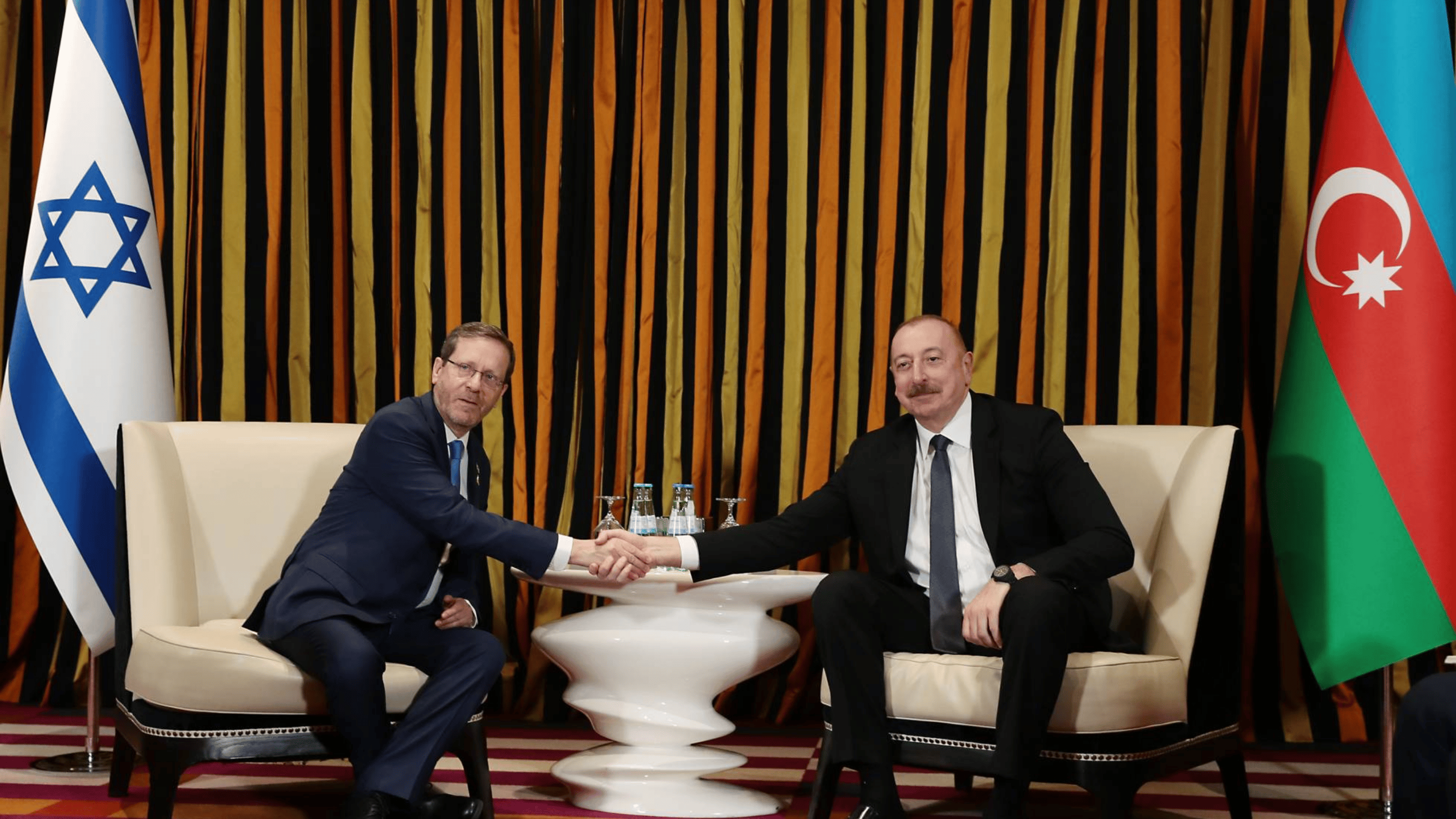
Last autumn, US President Donald Trump launched a global body known as the “Peace Council” with the aim of ending the Israeli-Palestinian conflict that has flared in the Middle East. The international council focuses primarily on enforcing a ceasefire in Gaza and ensuring post-war stability in the territory.
A UN Security Council resolution adopted in November 2025 stresses that the council’s mandate at this stage is limited exclusively to the conflict in Gaza. Mr Trump, who has described the United Nations as ineffective in conflict resolution, has sought to establish a more flexible mechanism. In his letter, he speaks of the “need for a more flexible and effective international body to maintain sustainable peace”.
According to letters sent by Mr Trump, around 60 countries have received invitations to join the Peace Council. Mr Trump will lead the body as its lifelong chair, while each participating country will be elected for a three-year term. Any state that contributes a donation of one billion dollars to the council’s activities will be able to obtain permanent membership.
At the initial stage, the council will monitor the situation in Gaza and oversee the work of a temporary technocratic Palestinian administration established there as an “executive body”. Mr Trump says that during the transitional period the council will supervise the day-to-day governance carried out by the interim administration, before gradually expanding its mandate to address other conflicts.
The invitations to take part in the Peace Council have also gone to leaders including Recep Tayyip Erdogan and Vladimir Putin. At the same time, the council has set up a special “Gaza Executive Committee”, made up of representatives from regional countries, including Turkey and Qatar.
Reactions and concerns
Some countries are treating the Peace Council with caution. Hungary’s Prime Minister Viktor Orban responded positively to the invitation without delay, but most European capitals have yet to take an official position. Diplomats have voiced concerns that Donald Trump’s initiative could sidestep the United Nations and effectively function as a new “Trump UN”.
One European diplomat described the plan as “Trump’s own UN, ignoring the fundamental principles of the UN Charter”. The inclusion of a separate draft “charter” for the Peace Council in Mr Trump’s invitation letter has heightened unease in several capitals.
At the same time, the council’s creation was endorsed by the United Nations Security Council until 2027 as part of a ceasefire agreement signed in Egypt in October. Russia and China abstained in the vote, expressing dissatisfaction that the future role of the UN in Gaza had not been clearly defined.
The Trump administration, for its part, says the council is not intended to replace the UN mission but to complement it. According to the White House, several figures have already been identified as future members, including US Secretary of State Marco Rubio, Mr Trump’s special envoy Steve Witkoff, former UK prime minister Tony Blair, and Jared Kushner.
However, there are currently no Palestinian representatives among the council’s members, a fact that has also drawn criticism.
Azerbaijan at the Peace Summit in Egypt and the Gaza mission
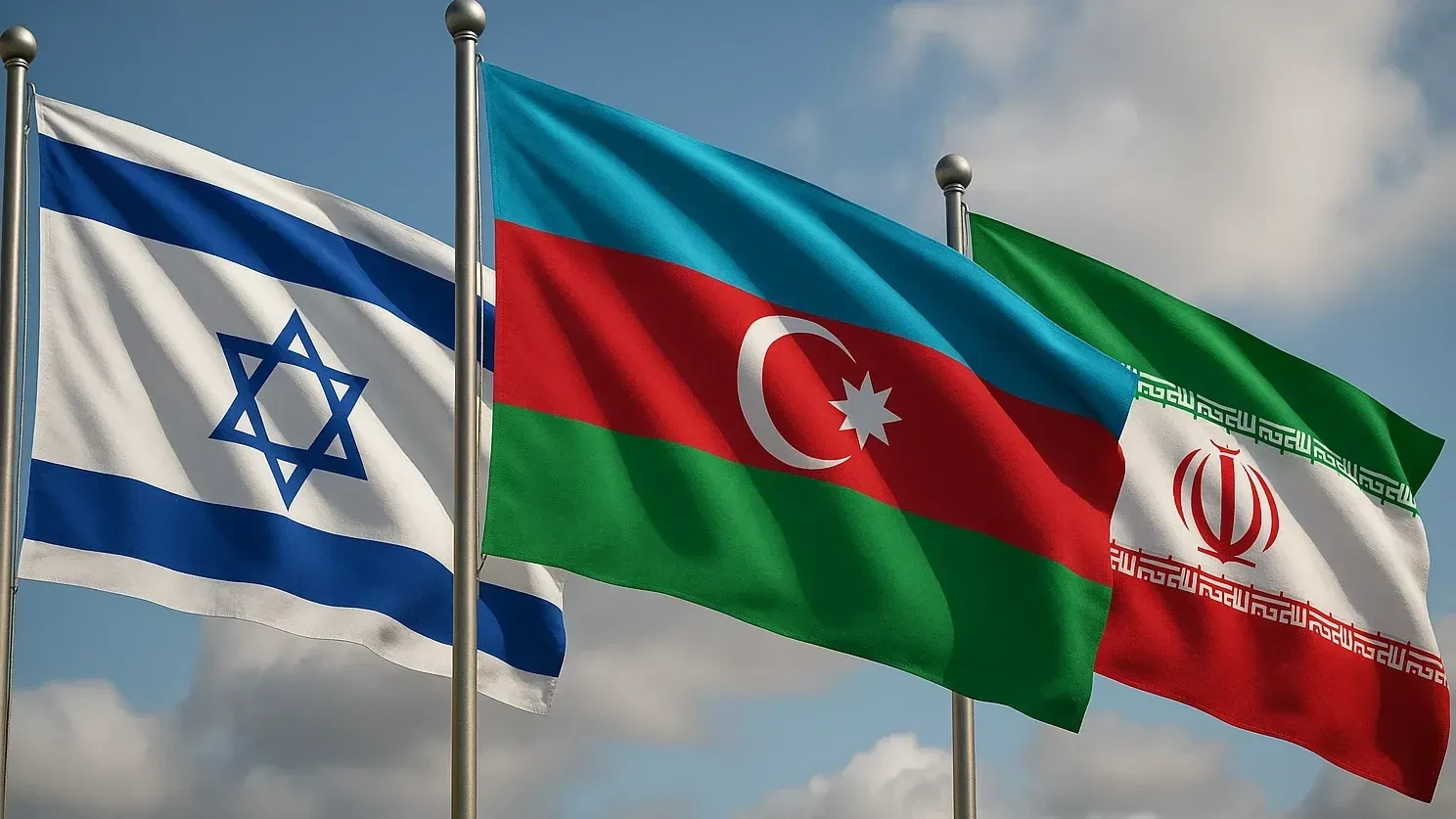
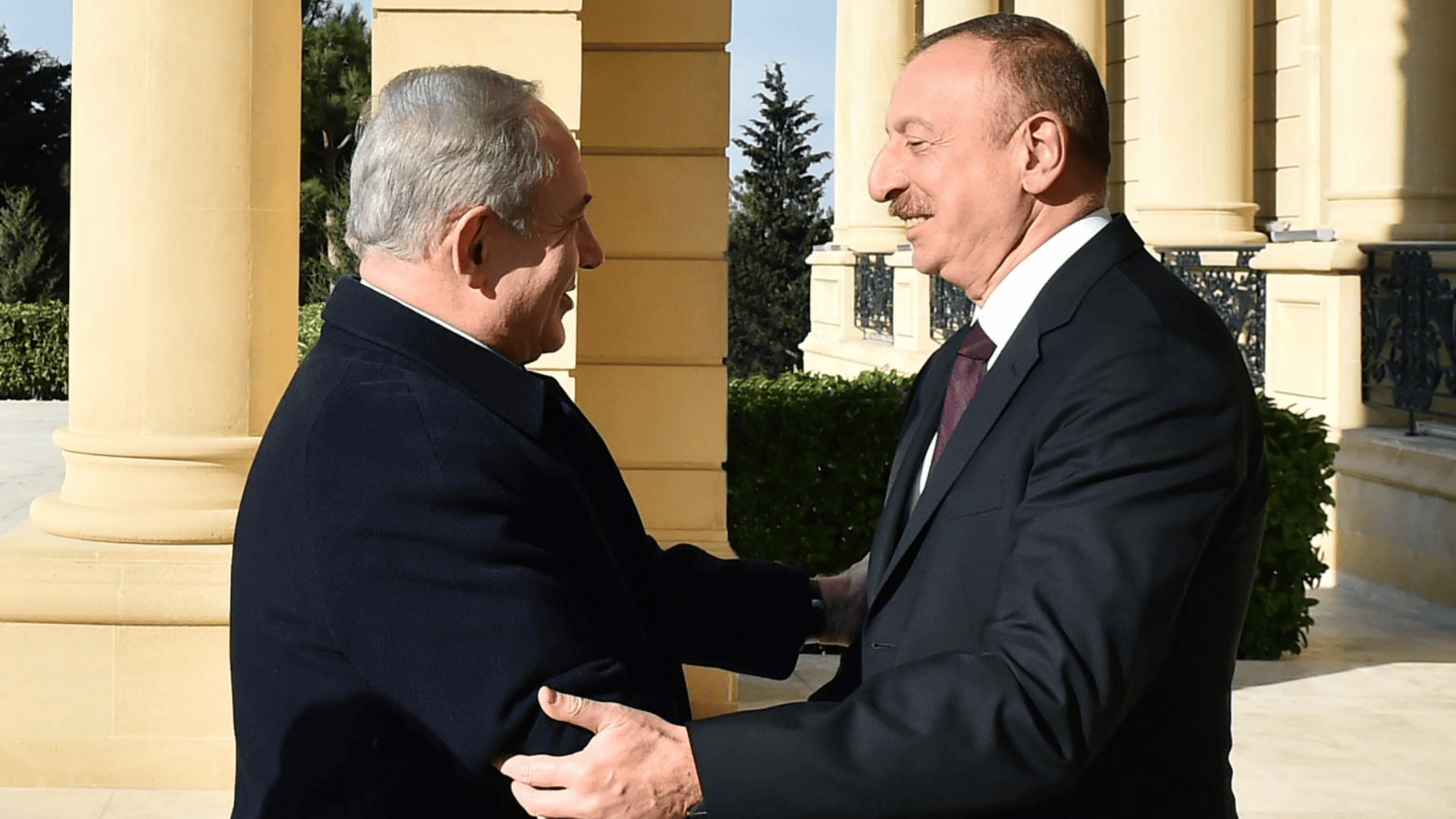
During the war between Israel and Hamas, Azerbaijan emerged as an active participant in international peace initiatives. On 12 October last year, President Ilham Aliyev received a personal invitation to a Middle East Peace Summit held in Sharm el-Sheikh, Egypt.
The summit was organised by Donald Trump together with Egypt’s President Abdel Fattah el-Sisi. Only around 20 world leaders with significant regional and global influence were invited. President Aliyev’s participation in such a narrow and high-level meeting was widely seen as recognition of Azerbaijan’s growing role on the international stage.
Key issues discussed at the summit included security arrangements in the Middle East, enforcement of a ceasefire, the deployment of international peacekeeping forces, and the creation of a post-Hamas governance structure in Gaza. Early plans put forward by Mr Trump also included the possible disarmament of Hamas.
As part of the summit process, reciprocal steps towards de-escalation were taken. Hamas handed over 20 hostages to Israel, while Israel released hundreds of Palestinian prisoners. Azerbaijan’s involvement in these talks drew particular attention given its close relations with both Israel and the Arab and Muslim world.
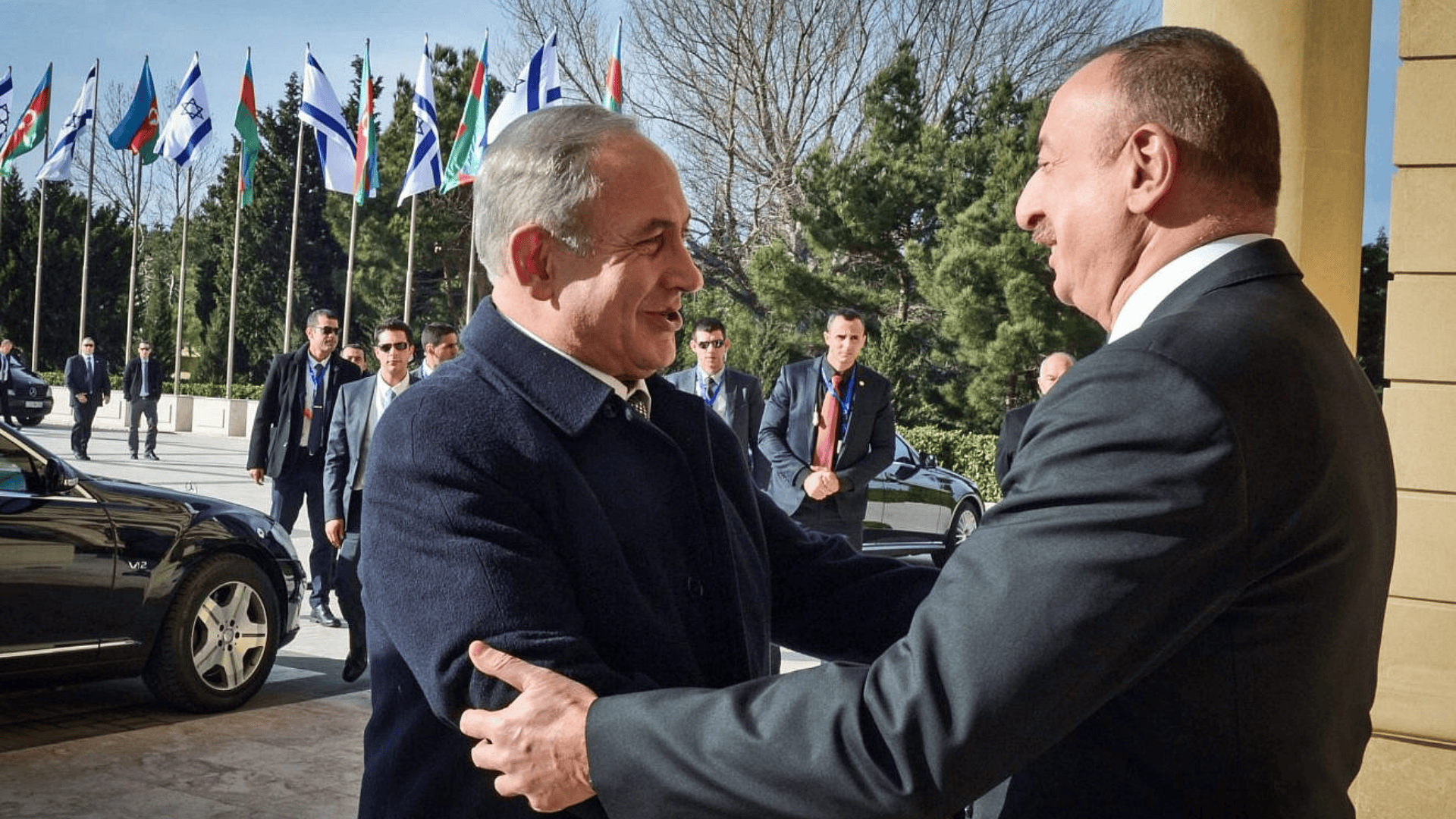
During his first presidential term, Mr Trump had already viewed Azerbaijan as a potential candidate to join the Abraham Accords between Israel and Arab states. Despite its close strategic partnership with Tel Aviv, Baku has also cultivated strong ties with countries such as Saudi Arabia, the United Arab Emirates and Qatar. This balanced foreign policy has made Azerbaijan a logical candidate for a mediating role in the Middle East.
Proposal for a peacekeeping mission in Gaza
After a ceasefire was reached, the idea emerged of deploying international stabilisation forces in the Gaza Strip.
In October last year, Politico reported, citing an anonymous US defence official, that Indonesia, Pakistan and Azerbaijan were seen as the main candidates to contribute troops to a potential peacekeeping contingent in Gaza.
The participation of these three Muslim-majority countries was considered appropriate because of their cultural proximity to the region, combined with established ties to the West. At that stage, the United States formally invited Azerbaijan to join the Gaza mission.
Azerbaijan’s presidential aide for foreign policy, Hikmet Hajiyev, said Washington had approached Baku with a proposal to take part in the international force in Gaza. He added that the Azerbaijani side did not rush to accept the offer and instead sent a series of questions to the US authorities concerning the mission’s mandate and rules of operation.
President Ilham Aliyev later said that Azerbaijan had submitted a request to the US administration containing more than 20 detailed questions about the proposed peacekeeping operation in Gaza, underscoring Baku’s cautious and measured approach to the initiative.
Azerbaijan’s position
In November 2025, Azerbaijani officials said that sending troops to Gaza was impossible until fighting had fully stopped. Even after a ceasefire agreement, Baku did not take a final decision.
Foreign Minister Jeyhun Bayramov, speaking to the Japanese newspaper Nikkei, said that “it is too early to talk about a decision”. He added that Azerbaijan was waiting for clear information about the mandate and powers of any mission in Gaza.
In December 2025, the US permanent representative to the United Nations, Michael Waltz, claimed that Azerbaijan had agreed to send peacekeepers to Gaza. Baku immediately denied the statement.
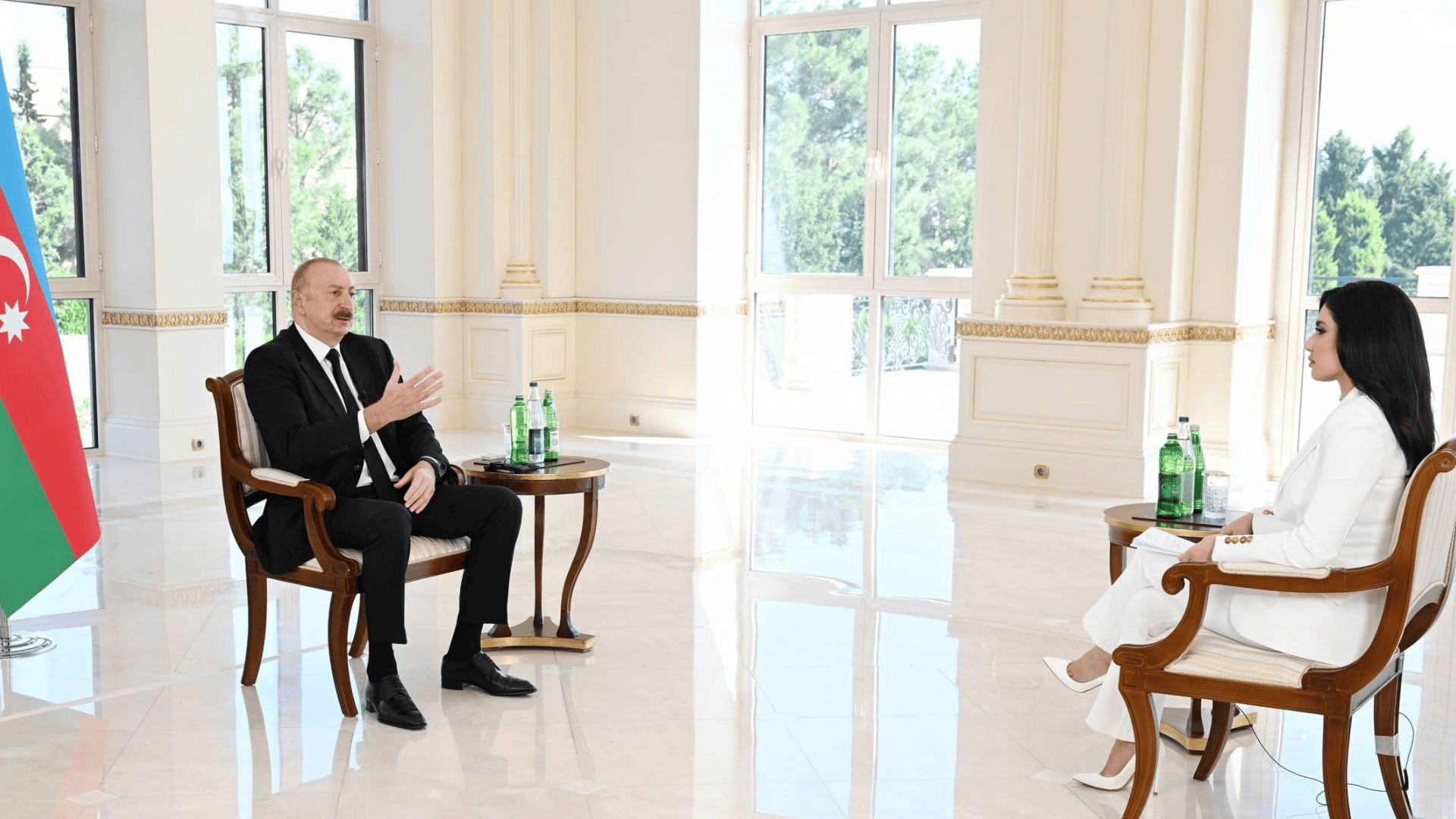
On 5 January 2026, President Ilham Aliyev gave a clear answer in an interview with national television channels, saying that Azerbaijan would not deploy peacekeepers to Gaza. He said the country would not take part in military operations outside its borders and did not intend to join any peacekeeping forces.
“We sent a request containing more than 20 questions, and at this stage participation in any peacekeeping forces is not envisaged. In principle, I do not consider Azerbaijan’s involvement in military operations outside the country,” the president said.
With this statement, the Azerbaijani government clearly confirmed its decision not to join the international stabilisation forces planned for Gaza.
So far, with the exception of Indonesia, no country has officially confirmed its readiness to join the Gaza force. Jakarta at one point said it was prepared to deploy up to 20,000 troops, but later chose not to comment further.
Baku, for its part, has limited its involvement to humanitarian assistance. At the end of 2023, Azerbaijan donated two million dollars to the UNRWA in response to the Gaza crisis. It also put forward initiatives to provide scholarships for Palestinian students and to build a school for 600 pupils in the city of Nablus.
These steps present Azerbaijan as a responsible actor supporting Palestinians without deploying a military contingent.
Will Azerbaijan join the Peace Council?
Countries from different regions have already begun to join the Peace Council launched at Donald Trump’s initiative.
Uzbek President Shavkat Mirziyoyev said he had received an official invitation and that his country was ready to join the council as a founding member. Kazakhstan’s President Kassym-Jomart Tokayev also confirmed that he had replied to Mr Trump’s letter and agreed to take part as one of the founding states.
Even Western allies such as Hungary, Italy and Canada have, in principle, expressed support for Mr Trump’s plan.
Azerbaijan, however, has not received such an invitation so far. There has been no information in either local or international sources indicating that Baku has been invited to join the Peace Council.
There may be several reasons for this. One explanation is that Azerbaijan was not among the roughly 60 countries that received the first round of invitations. Mr Trump initially approached major powers, including France, Germany, Italy, Australia, Canada, Turkey, Saudi Arabia, Egypt and India, as well as the leadership of the European Commission and several members of the United Nations Security Council.
While Azerbaijan is not a global power, it remains an important regional actor.
Another possible reason is that Azerbaijan’s hesitation over participation in a peacekeeping mission may have created an impression in Washington that it was not ready for deeper engagement. Although Baku did not formally reject the US proposal, it asked for clarifications and ultimately announced its decision not to deploy troops. This may have reduced Washington’s enthusiasm for including Azerbaijan in the council’s initial line-up.
Expected position
Azerbaijan does not appear to be in a hurry to join the Peace Council. In principle, the country supports peace initiatives in the Middle East. It has demonstrated this through diplomatic steps — including participation in the Egypt summit and appeals within the Organization of Islamic Cooperation — as well as through humanitarian assistance, including financial and educational support for Gaza.
At the same time, stability in its own region remains Azerbaijan’s main priority. For the authorities in Azerbaijan, which in 2025 moved closer to completing a peace process with Armenia, involvement in such external initiatives may be seen as undesirable.
In addition, the future success of the Peace Council remains uncertain. European countries are acting cautiously, some Middle Eastern players have voiced criticism, and even the government of Israel has expressed dissatisfaction that the council’s composition was not coordinated with it in advance.
Against this backdrop of uncertainty, Azerbaijan is taking a wait-and-see approach. If the council proves effective, complies with international law and makes a genuine contribution to peace, and if partner countries — above all Turkey — take full part, Baku may consider joining the platform at a later stage.
Otherwise, Azerbaijan’s current course — maintaining neutrality, preserving relations with both Israel and Palestine, and limiting its involvement to humanitarian and political support — appears to be the more pragmatic option.
Azerbaijan and Peace Council