Can Islamic finance and green transition drive Azerbaijan's diversification strategy?






Islamic bank in Azerbaijan
As the country’s long-term economic stability cannot rely solely on hydrocarbons, developing the non-oil economy, introducing new financial instruments and attracting sustainable investment have become increasingly important.
Persistently volatile global oil prices and the long-term constraints facing the oil and gas sector have made economic diversification a strategic priority for Azerbaijan.
According to official forecasts, the non-oil sector is expected to account for around 75.8% of Azerbaijan’s GDP in 2026, while non-oil revenues are projected to make up 57% of state budget income. Against this backdrop, several developments have drawn particular attention: the Central Bank’s launch of a regulatory sandbox for Islamic finance, preparations for the country’s first sukuk (Islamic bond) issuance, and a €15m loan provided in July 2026 by the Finnish development financier Finnfund to Bank Respublika to support green finance and small and medium-sized businesses.
Together, these developments raise the question of whether Islamic finance and the green transition can make a meaningful contribution to Azerbaijan’s economic diversification strategy.

The current state of Islamic finance in Azerbaijan
Azerbaijan’s Islamic finance sector is still at an early stage of development. Under the Central Bank’s 2024–2026 Financial Sector Development Strategy, two lenders — Rabitabank and the International Bank of Azerbaijan (ABB) — began offering Islamic finance products through a regulatory sandbox in the first half of 2026. The pilot includes murabaha-based financing for real estate and movable property and is due to run until April 2027.
Speaking at the Islamic Development Bank Group’s 2026 Annual Meetings in Baku, Central Bank Governor Taleh Kazymov said the legal and institutional framework for Azerbaijan’s first sukuk (Islamic bond) issuance was being developed jointly with the IsDB Group. A package of legislative amendments is expected to be approved by the end of 2026. The strategy also envisages the introduction of takaful (Islamic insurance) and other Sharia-compliant financial products.
According to a Fitch Ratings assessment published in May 2026, the country’s Islamic finance market is initially expected to develop through “Islamic windows” — dedicated Islamic finance divisions within conventional banks — rather than through fully fledged standalone Islamic banks, which are likely to come later. A June 2026 report by the Islamic Development Bank Institute, Islamic Finance in Azerbaijan: Emerging Opportunities, forecasts that Islamic banking assets in the country could reach around $2.7bn by 2035. Together, these developments suggest that while the sector remains in its infancy, it is expanding in a gradual and structured way.
Economic benefits and attracting investment
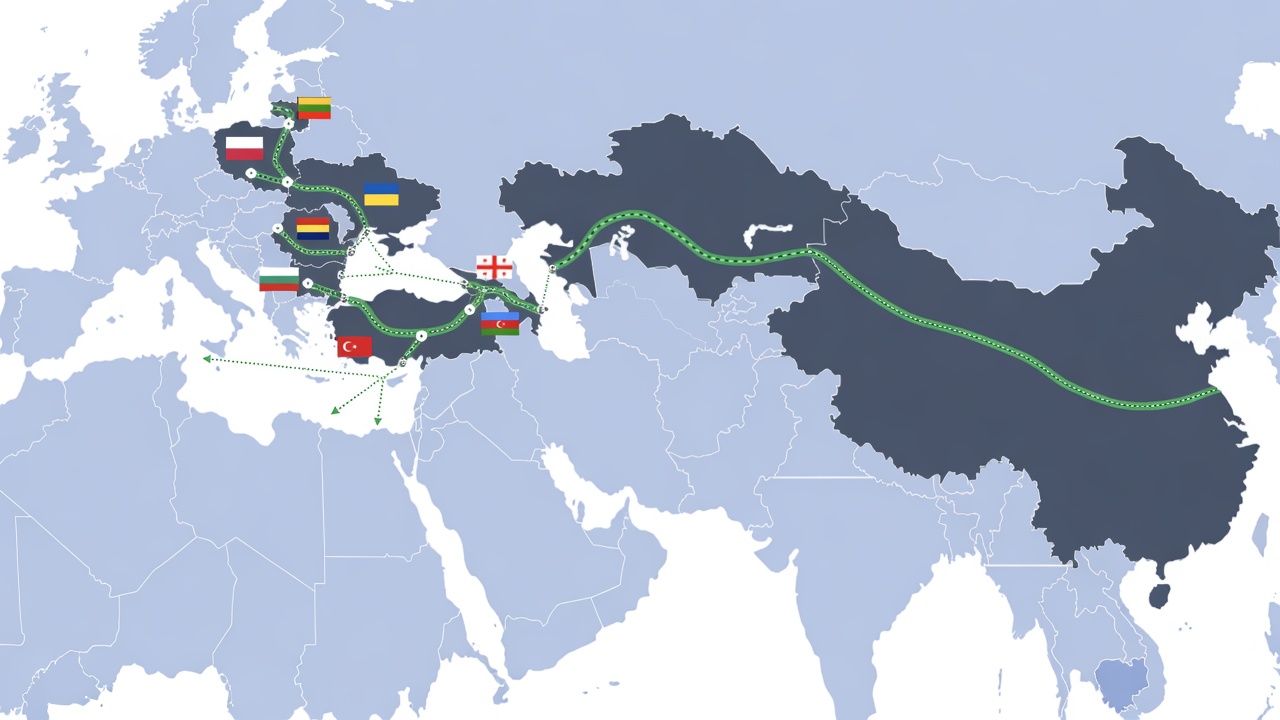
The introduction of Islamic finance could offer Azerbaijan several economic advantages. One of the main expectations is that it will attract capital from Gulf countries, including Saudi Arabia, the United Arab Emirates and Qatar, as well as from the Islamic Development Bank Group. Investors from these markets are typically drawn to Sharia-compliant instruments such as sukuk, while Azerbaijan’s investment-grade credit rating and strategic geographic location add to its appeal.
Expanding access to finance for small and medium-sized enterprises could also be a significant benefit. As murabaha and ijara-based products do not rely on interest payments, they may prove particularly attractive to entrepreneurs who wish to conduct business in accordance with Islamic principles. This could improve financial inclusion and support the growth of small businesses.
From the perspective of economic diversification, new sources of financing could help reduce reliance on oil revenues, broaden fiscal capacity and diversify the country’s investment base. The growth projections outlined by the Islamic Development Bank Institute suggest that, if implemented successfully, Islamic finance could contribute to the development of Azerbaijan’s financial sector while also creating additional opportunities to fund green investment projects.

Key challenges and constraints
Despite its considerable potential, the development of Islamic finance faces several significant challenges. The legal framework is not yet fully in place. The regulatory sandbox is a temporary pilot scheme, whereas wider adoption will require a comprehensive legal and regulatory framework. Until then, the remaining uncertainty could weigh on long-term investor confidence.
The market itself also remains relatively underdeveloped. Public awareness of Islamic finance products among both consumers and businesses is still limited, slowing the growth of demand. Another major challenge is the shortage of specialists with expertise in both Sharia compliance and financial risk management, as Islamic financial products must satisfy religious requirements while remaining commercially viable.
The relatively small size of Azerbaijan’s domestic market and strong competition from conventional banks present additional obstacles. Established lenders already hold a dominant position, meaning new Islamic finance products are likely to require clear competitive advantages, such as more flexible terms or government support. Taken together, these factors suggest that Islamic finance is unlikely to transform the country’s financial system in the short term.
A regional comparison: Kazakhstan and Turkey
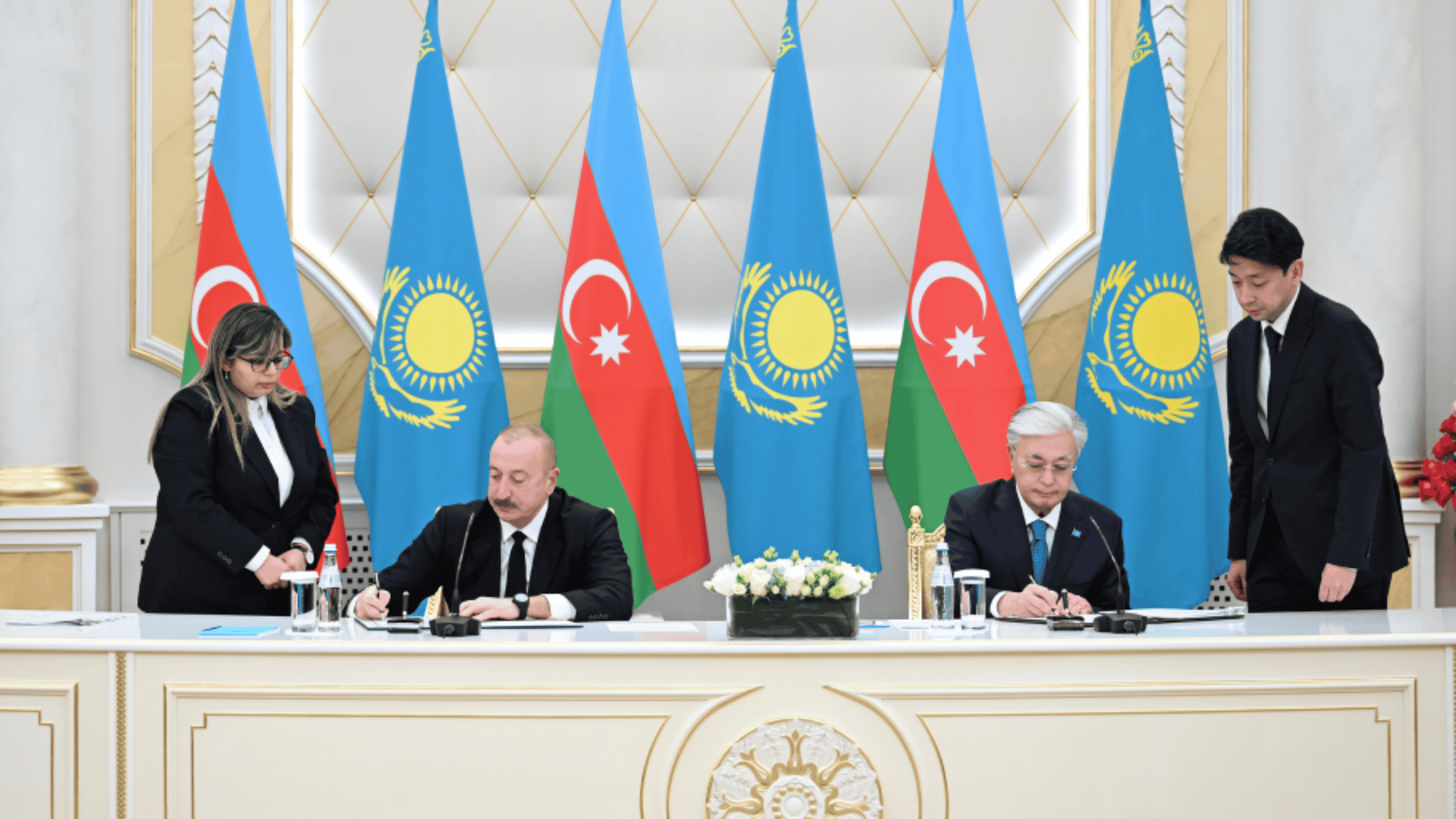
The experience of Kazakhstan and Turkey provides useful points of reference for Azerbaijan. Kazakhstan began developing its legal framework for Islamic finance in the early 2010s and now has fully fledged Islamic banks, including Al Hilal Bank. However, despite being one of Central Asia’s pioneers in Islamic finance, Islamic banks still account for less than 1.5% of the country’s banking sector. Even so, Kazakhstan’s legal and regulatory framework is considerably more advanced than Azerbaijan’s.
Turkey’s participation banking sector — the country’s term for Islamic banking — has reached a much higher level of maturity. Since its emergence in the 1980s, the industry has expanded to include several dedicated institutions, including Kuveyt Türk, Albaraka Türk and Ziraat Katılım. Backed by government support and a well-developed sukuk market, participation banking has become an established part of Turkey’s financial system. The government’s long-term strategic approach has played a key role in the sector’s growth.
Azerbaijan, by contrast, remains at the regulatory sandbox stage and is preparing for its first sukuk issuance. This broadly mirrors the early phases of development previously seen in Kazakhstan and Turkey, although the country has yet to reach their current level of market maturity. Its advantages include strong support from the Islamic Development Bank and growing interest from international investors in recent years.
Where the green transition meets Islamic finance
Islamic finance and the green transition are naturally complementary. Both are built on principles of ethical investment, support for the real economy and responsible financing. Part of the €15m loan provided by Finnfund to Bank Respublika on 9 July 2026 will be used to finance green projects and support small and medium-sized businesses, offering a practical example of how the two approaches can work together.
Green sukuk and ESG principles — covering environmental and social responsibility as well as corporate governance — can be effectively integrated into Islamic finance. This creates new opportunities to advance Azerbaijan’s sustainable development goals, including investment in renewable energy and green infrastructure. Such a combination could also make these projects more attractive to both domestic and international investors.
Islamic bank in Azerbaijan