How Baku explains its opposition to EU–Armenia Strategic Partnership Agenda






Baku criticises EU–Armenia partnership
The Azerbaijani Foreign Ministry has openly expressed its protest over certain provisions of the recently signed Strategic Partnership Agenda between the European Union and Armenia. Officials in Baku argue that parts of the document distort the realities of the post-conflict period and contradict the peace agenda promoted by both Azerbaijan and Armenia.
This article examines Baku criticism of EU–Armenia Partnership in a neutral manner and explains the reasons behind its objections.
What is EU–Armenia Strategic Partnership Agenda?
The EU–Armenia Strategic Partnership Agenda is a new bilateral document adopted on 2 December 2025 at the sixth meeting of the Partnership Council held in Brussels. Running to around 64 pages, the document builds on the Comprehensive and Enhanced Partnership Agreement (CEPA) signed in 2017 and effectively replaces it, setting out the strategic priorities of cooperation for the next seven years.
The scope of the agenda is broad. It envisages deeper partnership in areas including democracy and the rule of law, judicial reform, human rights, socio-economic development, trade and digital transformation, as well as transport and energy connectivity. One of the key innovations of the document is the inclusion of cooperation with Armenia in the field of security and defence.
Transport and communications occupy a central place in the agenda. The document underlines the European Union’s intention to make strategic investments in Armenia under its Global Gateway initiative and to support the development of new connectivity opportunities in the region. It also explicitly backs the regional transport and communications project known as the “Crossroads of Peace”, proposed by the Armenian government. The initiative is described as aiming to strengthen economic integration in the region and to open up new trade and transport routes.
According to the agenda, the EU will also assist with the socio-economic integration of Karabakh Armenians who left the region following Azerbaijan’s military operation in Karabakh in September 2023. Overall, Brussels says the new strategic framework is designed to strengthen Armenia’s sovereignty, territorial integrity, democracy and resilience, and in doing so to contribute to stability in the South Caucasus.
Baku criticises EU–Armenia partnership: main reasons
Officials in Baku say that certain provisions of the agenda directly affect Azerbaijan and, in the Azerbaijani authorities’ view, do not align with the logic of a peace agreement that the two sides are seeking to reach through dialogue with Armenia.
In a statement issued by the Azerbaijani Foreign Ministry on 10 December 2025, Baku stressed that the inclusion of such points in a bilateral document between the EU and Armenia is unacceptable and could have a negative impact on the future of relations between Azerbaijan and the European Union.
Status of Karabakh Armenians and their designation as ‘refugees‘
In the introductory section and a number of other parts of the agenda, specific reference is made to the departure of Karabakh Armenians following Azerbaijan’s military operations in September 2023. Addressing their needs is listed as one of the priorities of the EU–Armenia partnership. In the document, these people are described as “forcibly displaced persons” or “refugees”.
Baku categorically rejects this approach. According to a statement by the Azerbaijani Foreign Ministry, Armenian residents of Karabakh were offered reintegration within the Azerbaijani state in the autumn of 2023, but refused the offer and left for Armenia voluntarily. For this reason, Azerbaijan argues that describing them as “refugees” does not reflect reality and represents a biased attitude towards the country.
Officials in Baku also say that placing the fate of Armenians who left the region after the end of the conflict on the agenda of EU–Armenia partnership is inappropriate and goes beyond an objective approach.

International court rulings and legal claims
In the section of the document dealing with regional normalisation, the EU and Armenia underline their support for the “full, immediate and effective implementation” of all rulings by the International Court of Justice (ICJ). The text also commits the parties to complying with judgments and decisions of the European Court of Human Rights (ECHR).
Baku says this wording effectively refers to international legal cases brought by Armenia against Azerbaijan and describes the inclusion of this issue in an EU–Armenia document as “illogical”. Azerbaijani officials stress that these are bilateral legal disputes which should be addressed exclusively between Baku and Yerevan. They also point out that Azerbaijan itself has initiated international legal proceedings against Armenia.
Officials in Baku further recall that, under a draft peace agreement preliminarily initialled in Washington with US mediation, the two sides agreed to abandon mutual international legal claims. Against this backdrop, Azerbaijan views the renewed emphasis on court cases in the EU–Armenia Strategic Partnership Agenda as a step that runs counter to the peace process and, in Baku’s view, casts doubt on the sincerity of Armenia’s intentions.
Portrayal of Armenians held in Azerbaijan as “prisoners of war”
In the section of the agenda dealing with security issues, the EU and Armenia call for the release of Armenian prisoners of war and other detainees held in Azerbaijan. Baku, however, maintains that most of those currently in custody are Armenian citizens convicted of war crimes following the 2020 war or the events of 2023.
Azerbaijani officials emphasise that these individuals are military offenders and terrorists, not prisoners of war. In this context, including a call for their release under a wording that implies “prisoner-of-war” status is described in Baku as a “gross distortion of reality” and is considered unacceptable.
Although the original text of the agenda does not explicitly label these individuals as “prisoners of war,” it contains a commitment regarding the release of “Armenian captives and other detainees.” The Azerbaijani side also insists that this provision be removed from the agenda.
Transport and communications: the Armenian “Crossroads of Peace” initiative and the TRIPP project
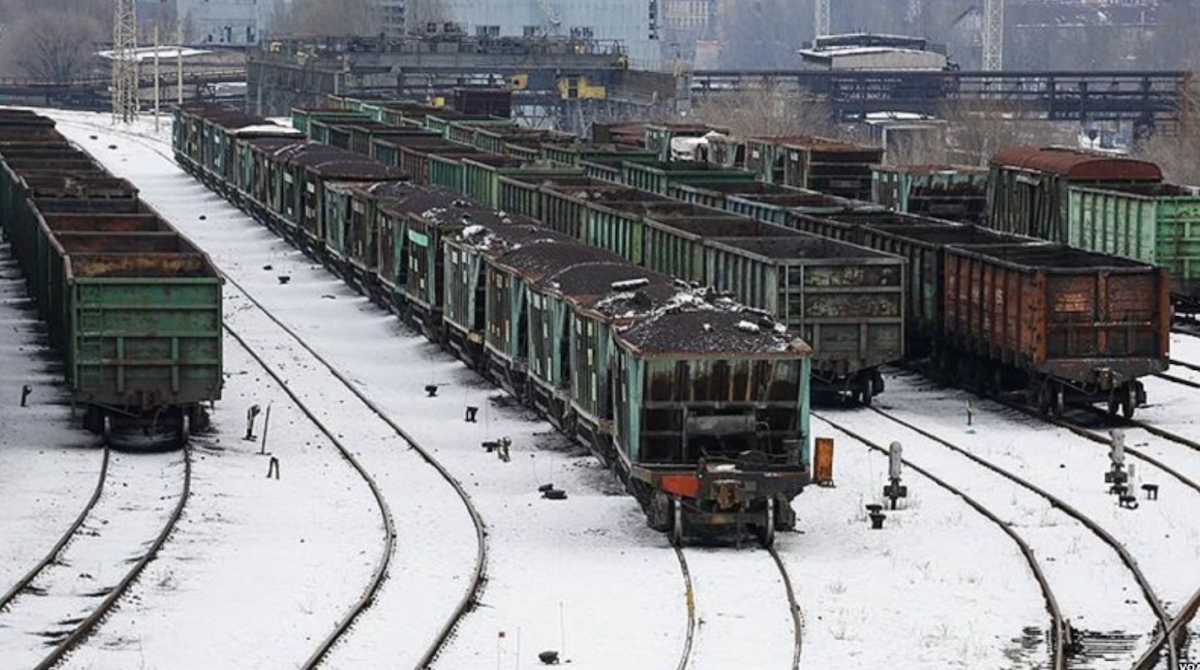
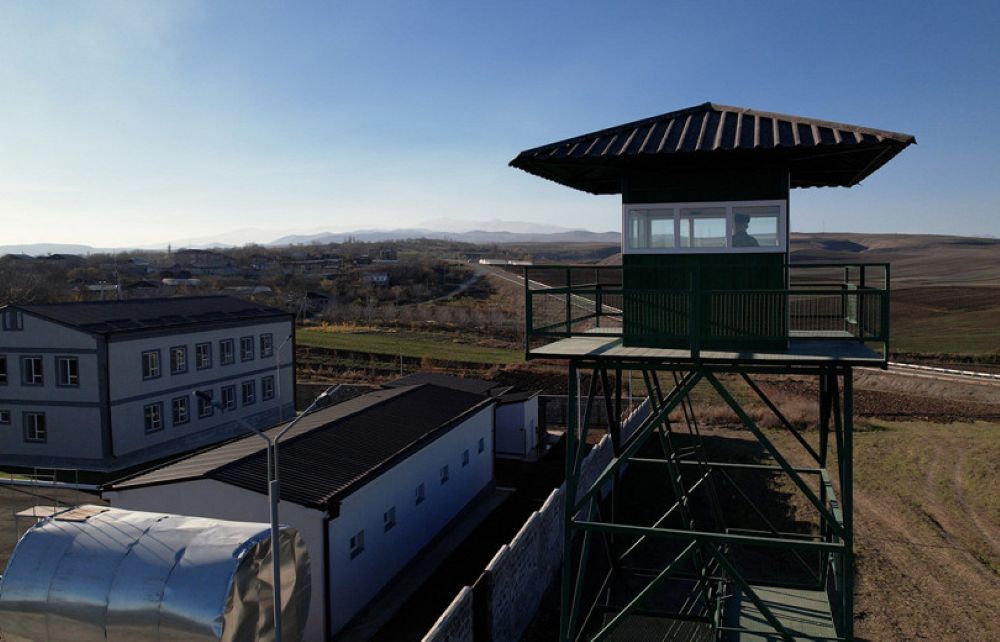
The EU expresses support in the document for Armenia’s “Crossroads of Peace” initiative, aimed at restoring transport and communications links in the region. The initiative envisages, among other things, the opening of a transport route connecting Azerbaijan’s western regions with the Nakhchivan exclave via Armenian territory. Azerbaijan, however, frames the issue differently.
In August last year, at a trilateral summit in Washington mediated by former US President Donald Trump, Baku and Yerevan reached a preliminary agreement to establish a new transit corridor. The route was provisionally named the “Trump Route for International Peace and Prosperity” (TRIPP) and is intended to ensure overland connectivity between Azerbaijan and Nakhchivan. The agreement was also signed by the Armenian Prime Minister.
Baku has expressed dissatisfaction that the EU–Armenia Strategic Partnership Agenda makes no mention of the TRIPP project, referring solely to Armenia’s unilateral “Crossroads of Peace” initiative. The Azerbaijani Foreign Ministry notes that this approach raises questions about Armenia’s commitment to the Washington agreements and may indicate a lack of neutrality on the EU’s part regarding regional infrastructure projects.
Azerbaijani officials often refer to the TRIPP route as the “Zangezur corridor” (Zangezur being the historical name of Armenia’s Syunik region in Azerbaijani tradition). Armenian authorities, in contrast, avoid the term “corridor” and seek to present their initiative in a more neutral format.
EU observer mission and military-political provisions
According to the agenda, the European Union intends to continue and even expand its EU Monitoring Mission on the Armenia–Azerbaijan border (EUMA). The mission has been operating in the region since early 2023 at Armenia’s request and is described as aimed at supporting border stability. However, officials in Baku argue that in practice EUMA has become a tool for anti-Azerbaijani propaganda, and that its permanent presence is not justified.
Azerbaijan points out that, under Article 7 of the draft peace agreement preliminarily initialled in Washington, the parties committed not to deploy third-party military forces along their shared borders. In this context, the provision allowing a permanent presence of EU observers on Armenian territory is seen in Baku as contradicting that principle.
Baku also expresses concern over several military and defence-related provisions in the agenda, aimed at strengthening Armenia’s defence capabilities. Azerbaijani officials argue that such measures do not support the peace process and could, on the contrary, encourage Armenia to rearm.

Azerbaijan’s demands and Armenia’s position
Referring to the points outlined above, the Azerbaijani Foreign Ministry has called on the EU and Armenia to revise what it describes as “harmful and unrealistic” provisions. In an official statement, Baku stressed that, in its current form, the document contains elements that revive past conflicts and jeopardise the positive progress achieved.
Azerbaijan has stated that it expects these provisions to be removed or amended. Officials in Baku also indicated that they will closely monitor developments and draw the necessary conclusions, signalling that ignoring their objections could have consequences for Azerbaijan’s relations with the EU and Armenia.
At the same time, Armenia rejects Baku’s accusations. Armenia’s Foreign Ministry spokesperson Ani Badalyan said that the Strategic Partnership Agenda reflects the deepening nature of the EU–Armenia partnership, and that attempts to interpret it as targeting third parties are unfounded.
She added that the document confirms EU support for Armenia’s sovereignty and resilience, while also contributing to regional peace. Officials in Yerevan emphasise that the agenda sets out a shared vision aimed at strengthening stability, prosperity, and peace in the South Caucasus.
Baku criticises EU–Armenia partnership