

'Armenia breaks free from Russian-Turkish grip': reaction to JD Vance’s visit






Opinion on JD Vance’s visit to Yerevan
“After 2020, Armenia found itself in a hopeless position, squeezed between Russia and Turkey. We managed to break out of these pincers because the existence of the so-called ‘corridor’ in Syunik did not serve the interests of the United States and Europe,” political analyst Lilit Dallakyan said, commenting on developments in Armenian-US relations and JD Vance’s visit.
By the “corridor” in Syunik, the analyst refers to a road that would connect Azerbaijan with its exclave of Nakhchivan. Armenia’s authorities initially agreed to unblock transport links. But Baku demanded a full “corridor,” which Yerevan found unacceptable because the term implied losing control over its own territory. The dispute over the issue lasted for years. The sides only reached an agreement in Washington during a peace summit attended by Donald Trump.
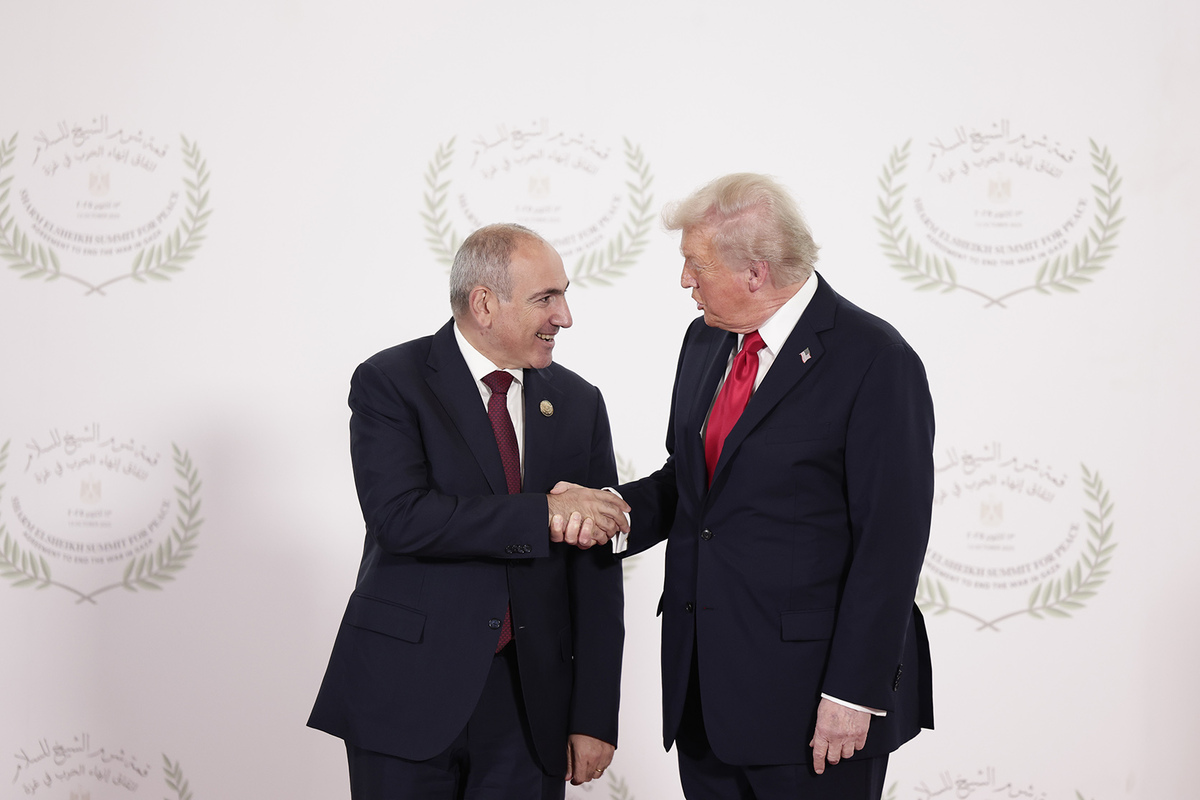
Under the Washington agreements, the road will remain under Armenia’s sovereign control, and the United States will join the unblocking process as a business partner. For this reason, the project received the name “Trump route for international peace and prosperity” — after the mediator. The English name is Trump route for international peace and prosperity (TRIPP).
The analyst described the US vice-president’s visit to Yerevan as an important event. In her view, Armenia needs new, real allies. She considers an alliance with a “hegemonic state like the United States” especially valuable.
She called the agreements Armenia reached with the United States, including those related to TRIPP, a “lifeline”.
Dallakyan recalled that Turkey and Azerbaijan had demanded the “Zangezur corridor” from Armenia, while President Ilham Aliyev said there was no place for the West in the region. Against this backdrop, the US and EU ambassadors accredited in Armenia travelled to the Syunik region. They said roads should reopen in line with the principle of territorial integrity.
She stressed that without an agreement with Washington:
- Armenia would have lost control over the “corridor,” meaning a road running through its sovereign territory;
- it would have faced the threat of losing its border with Iran;
- the country would have entered conflicts over every centimetre during the delimitation and demarcation process, fuelled by Azerbaijan and Russia;
- shelling and escalations along the border would have continued, leading to new casualties.
- The analyst described the US presence in the region and the establishment of relative calm as a major achievement.
“We must do everything possible to ensure the United States stays in the region and continues to deepen relations with Armenia,” she said.
Key points from the interview with political analyst Lilit Dallakyan.
- “US backs both Armenia and Azerbaijan”: view from Yerevan
- ‘TRIPP – subject of bilateral discussion with US’: Pashinyan detailed agreements with Trump
- ‘Historic summit’: Armenia and Azerbaijan sign documents with Trump’s mediation
On 9 February, US Vice-President JD Vance and Armenian Prime Minister Nikol Pashinyan signed a joint statement announcing the conclusion of negotiations on a “123” agreement on the peaceful use of nuclear energy.
Vance said the deal could lead to the construction of American small modular reactors in Armenia. These reactors could replace the current power unit at the Metsamor nuclear power plant. The vice-president also said the United States had approved the sale of V-BAT reconnaissance drones to Armenia.
Armenia and the United States also confirmed the agreements reached on 8 August 2025 on cooperation in:
- AI and semiconductors,
- civilian nuclear energy,
- advancing the project to unblock regional transport links.
Commentary
Political analyst Lilit Dallakyan believes the US vice-president’s visit has a regional dimension. In her latest interview, she said she expects Vance to raise a sensitive issue in Baku. She referred to the question of Armenian prisoners. She believes the main message to Azerbaijan will be that “the peace established by Trump in the Caucasus is irreversible”.
In her assessment, Washington views the South Caucasus as a single region. Because of this, she expects certain steps from the United States towards Georgia as well:
“Several days ago, Vance and Rubio met the president of Georgia in Italy. Prime Minister Kobakhidze also said he was ready to cooperate with Trump. If pressure increases, he will quickly shift his orientation from Russia to the West.”
Dallakyan argues that the United States needs stability in the region, as key transport routes will pass through it:
“Russian spheres of influence must be neutralised, because Russia provokes conflicts. Will this be possible? Will Trump remain consistent to the end? What countermeasures can Putin take? This is a very complex chess game.”
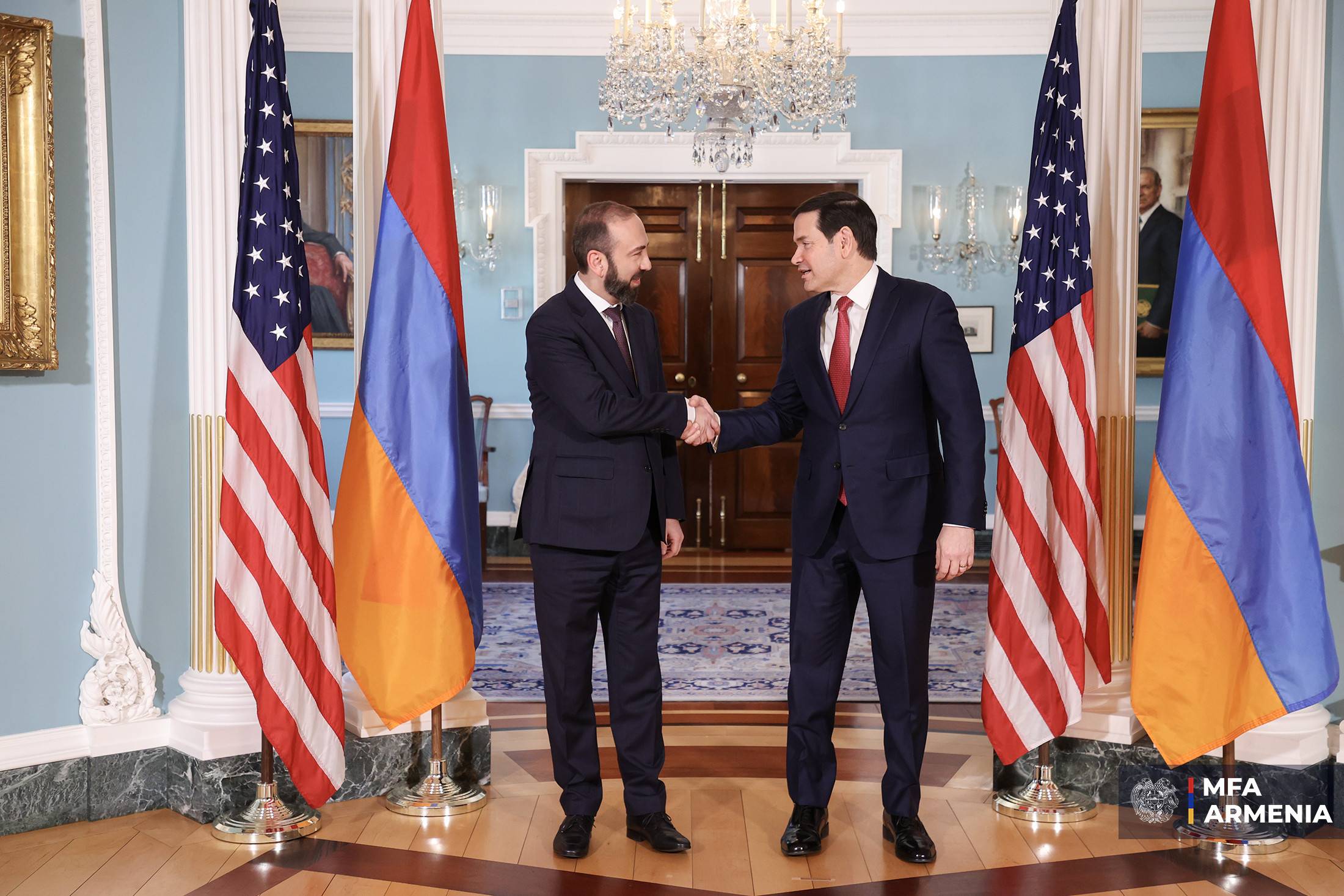
As for the agreements reached between Yerevan and Washington on 9 February, Dallakyan said she hopes the plans for small modular reactors will move forward and expects “active steps”. She recalled that in 2022 Armenia signed a declaration on cooperation in peaceful nuclear energy with Russia’s Rosatom. But those agreements never went beyond paper.
She said the purchase of American reconnaissance drones would strengthen Armenia’s defence capabilities. At the same time, she stressed the need to deepen cooperation in this area. She spoke about rearming the army, acquiring new military equipment, and moving towards NATO standards.
Lilit Dallakyan also proposed leaving the joint air defence system with Russia:
“When you do not control your own airspace, buying weapons is only half the job. Armenia does not want war under any circumstances. It has never been an aggressor state. But we must be ready for any scenario.”
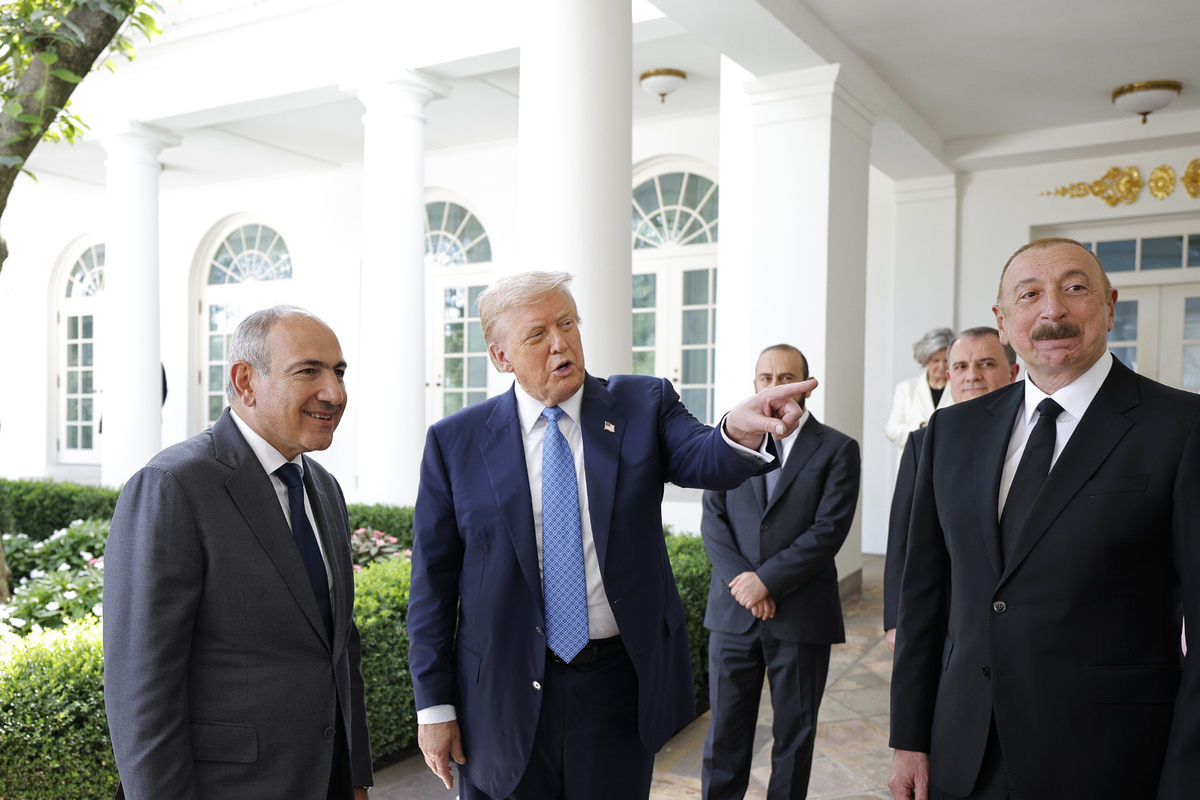
Dallakyan said the situation on the Armenia–Azerbaijan border can now be described as relatively stable, but not as a lasting peace:
“This is also reflected in the letter that representatives of Azerbaijani civil society sent to the US vice-president about the return of the so-called ‘Western Azerbaijanis’ to Armenia. In it, they try to convince Vance they have no demands on Armenia and simply want to return.”
She believes Azerbaijan’s president raises such issues through various local groups and officials in order to undermine US peace efforts at a critical moment.
“At the same time, Aliyev cannot openly tell Trump that he opposes [peace] today. He even received an award for establishing peace, which seems to put psychological pressure on him. The Azerbaijani president’s actions do not inspire trust,” the analyst said.
In her view, stability will likely last at least until November 2026, when the United States holds midterm congressional elections. She noted that no one knows what will happen then, as the domestic political situation remains tense:
“If the Republican Party keeps its majority in Congress, stability will continue. In Russia, they are betting that the US may deviate from its course to some extent. By that time, a ceasefire could take hold on the Russian-Ukrainian front, and Moscow might again attempt some kind of adventure in our region.”
Dallakyan believes that if Trump prevails in the midterm elections, Armenia will be able to capitalise on its gains over the next three years, particularly regarding the TRIPP project:
“For Armenia, this is a period of both great opportunities and serious challenges. We will see what happens in the second half of the year. The most active developments are expected precisely during that period.”