'Who could be closer friend to us than Armenia?' – Key takeaways from Iran’s vice-president’s visit to Yerevan


Вице-президент Ирана – об объемах поставок газа в Армению
Iranian Vice-President Seyed Hamid Pourmohammadi arrived in Yerevan to attend the 19th session of the Armenian-Iranian Intergovernmental Commission. Armenian journalists asked him about economic ties and Iran’s position on the Armenian-American TRIPP project project, known as the “Trump Route”, which would run through Armenian territory. Armenian media also wanted to understand why Iran’s religious and secular authorities hold different positions on the issue.
Seyed Hamid Pourmohammadi stressed that Tehran’s official position was reflected in statements by Iran’s Foreign Ministry.
“Armenia and Armenian Prime Minister Nikol Pashinyan are our reliable partners, and we remain in constant contact. Tehran considers it important that the countries of the region themselves ensure and maintain security and peace. Iran welcomes any steps aimed at preserving and strengthening peace and security among the countries of the region,” the Iranian vice-president said.
Just days earlier, Ali Akbar Velayati, a senior adviser to Iran’s Supreme Leader Ali Khamenei, had sharply criticised Armenian Prime Minister Nikol Pashinyan over the TRIPP project. Velayati accused Pashinyan of making Armenia increasingly dependent on the West, saying this “opens a new chapter of hostility and tension in the South Caucasus”.
Velayati’s remarks prompted a response from Iranian Foreign Ministry spokesman Esmaeil Baghaei. He stressed that the Armenian authorities had assured Tehran that the implementation of the TRIPP project, near Iran’s borders, would involve neither the deployment of US military forces in the region nor any changes to existing borders. Baghaei added that, although Iran enjoys excellent relations with Armenia, it would continue to monitor developments and make its position public if necessary.
- ‘Democrats do not see TRIPP as project exclusive to Trump administration’: opinion from Yerevan
- Armenia takes a step closer to EU with launch of biometric passport system
- Will Turkey open its border with Armenia amid tensions with Baku? Views from Yerevan
On increasing Iranian gas supplies to Armenia
Against the backdrop of discussions about a possible increase in the price of Russian gas supplied to Armenia, journalists asked whether Iran could increase its gas exports to the country.
“Iran is one of the countries with the largest gas reserves in the world. And if we have the capacity to export gas, who could be a closer friend to us than Armenia, to whom we would export it?” the Iranian vice-president replied.
Pourmohammadi said that one of the commissions established under Armenian-Iranian cooperation deals specifically with energy issues. According to him, the two sides discussed all possible areas of cooperation in this sector, including supplies of gas and diesel fuel, as well as issues related to Armenia’s long-term energy security.
However, the specific details of the agreements reached with Iran have not been disclosed.
Deputy Prime Minister Mher Grigoryan, who co-chairs the intergovernmental commission on the Armenian side, offered only the following details:
“There is not a single area in which we have not reached agreements. These include trade, energy (particularly gas and electricity), opportunities to expand existing project agreements, as well as infrastructure development and its mutual integration.”
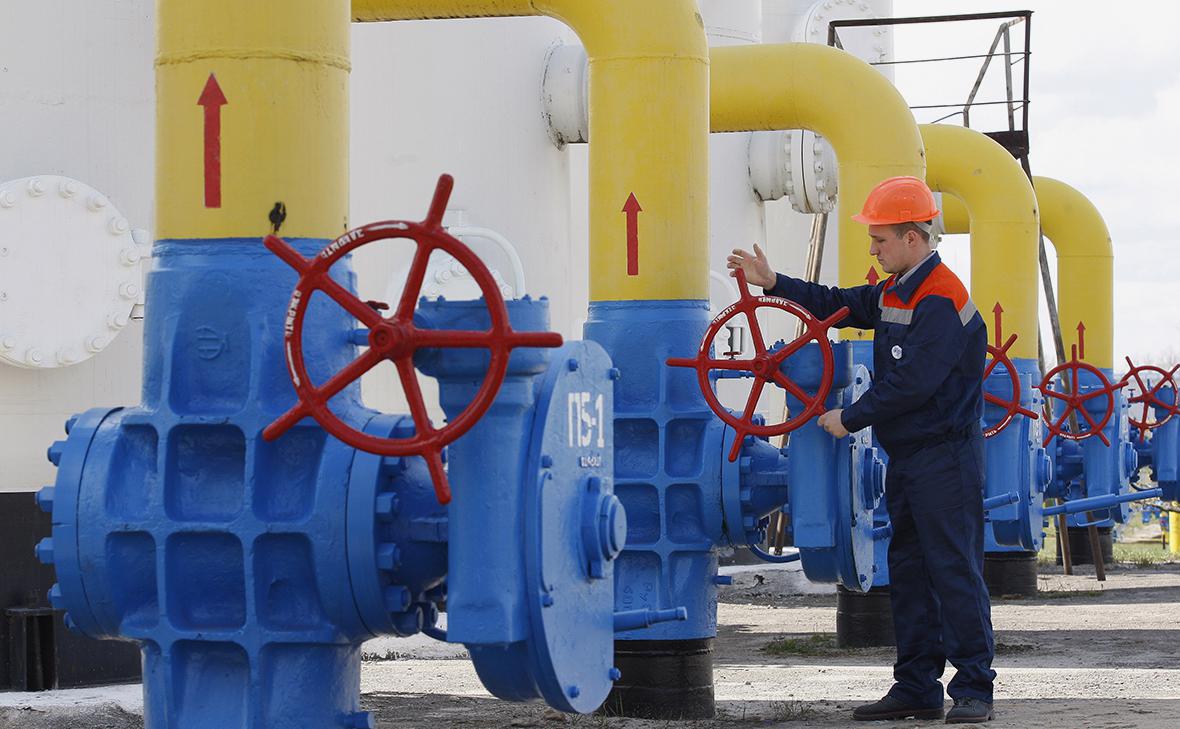
The Iran–Armenia gas pipeline has a designed capacity of more than 2 billion cubic metres of gas a year. However, only a small fraction of this capacity is currently being used.
Since 2015, the Armenian section of the pipeline has been under the control of Russian company Gazprom. Some experts believe that Iran cannot increase its gas exports without Russia’s consent. However, in July this year, Minister of Territorial Administration and Infrastructure Davit Khudatyan said there were no restrictions on receiving gas under the Armenian-Iranian “gas-for-electricity” programme. The programme began in 2009 and has already been extended until 2030. The minister assured that Armenia could at least double its gas imports from Iran.
Outcomes of the intergovernmental meeting
The Armenian government said that the intergovernmental meeting covered the implementation of joint projects in the following areas:
- energy;
- transport;
- trade;
- infrastructure;
- business ties.
Deputy Prime Minister Mher Grigoryan particularly emphasised Armenia’s readiness to develop regional connectivity. He expressed confidence that unblocking regional transport links “would create new opportunities for the countries of the region”. In this context, he stressed the importance of Iran’s support for the Crossroads of Peace initiative. The Armenian government’s project aims to fully unblock transport links to and from Armenia in all directions.
The two sides also signed a memorandum of understanding following the intergovernmental commission meeting.
Connectivity also on the agenda of bilateral meetings
According to the Armenian prime minister’s office, Nikol Pashinyan discussed joint Armenian-Iranian programmes during his meeting with the Iranian vice-president. He said their successful implementation would “help develop and expand bilateral relations”.
“The interlocutors discussed issues related to the development of Armenia-Iran border infrastructure, joint road construction projects, as well as cooperation in energy, agriculture and other sectors,” the statement said.
Pashinyan and Pourmohammadi also discussed the unblocking of regional transport links and the opportunities this process could create for both countries.
Armenian Deputy Prime Minister Mher Grigoryan also discussed regional connectivity and the unblocking of transport links with the Iranian vice-president. Following their meeting, officials said that both countries saw “great potential” for further developing trade and economic ties and elevating bilateral relations to a strategic level.