Will Turkey open its border with Armenia amid tensions with Baku? Views from Yerevan


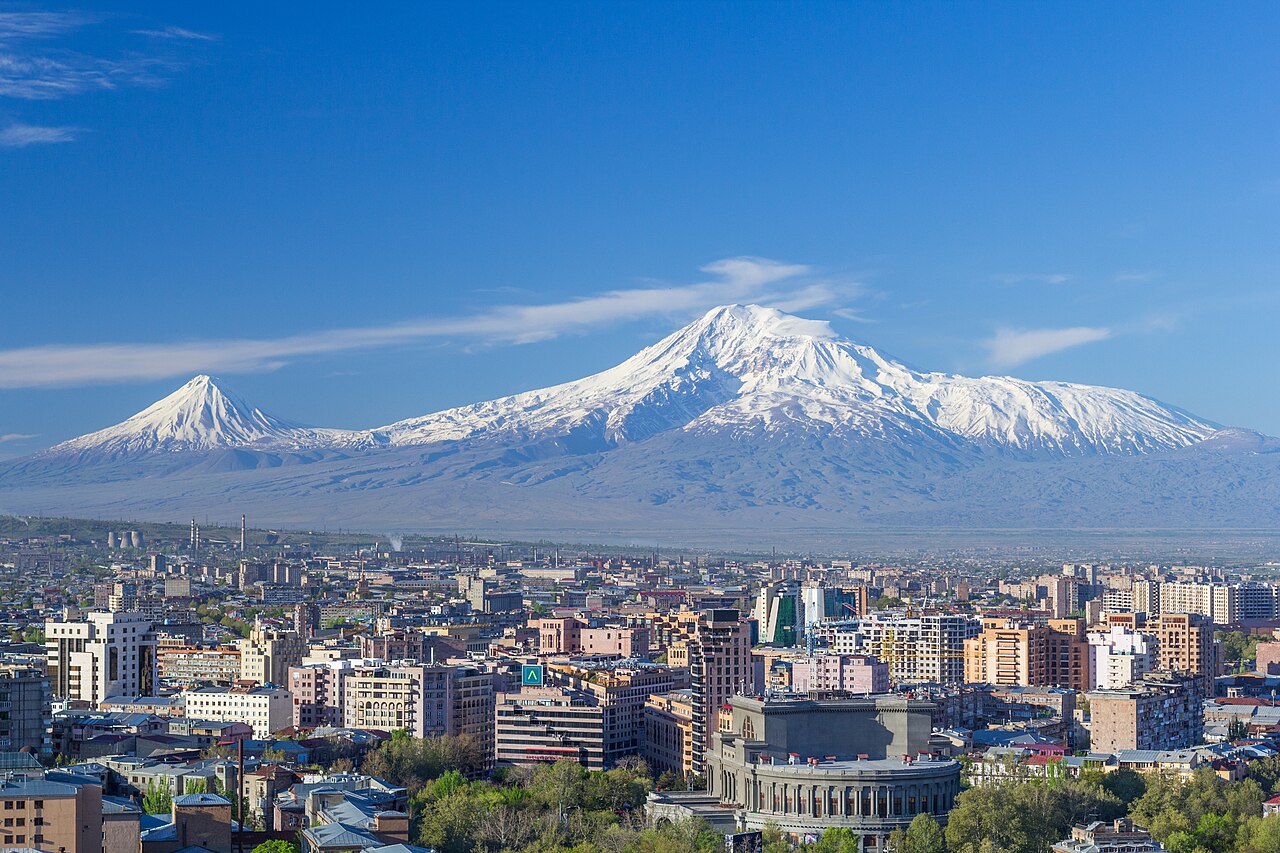
Turkey-Armenia border: Will it open?
Discussions about the possible opening of the Armenian-Turkish border have intensified in Armenia in recent weeks. Foreign Minister Ararat Mirzoyan has not ruled out the possibility that the border could open before the two sides agree on candidates for new special envoys to oversee the normalisation process.
“The border remains closed, but I believe the process has reached a fairly advanced stage. It is entirely possible that we will wake up tomorrow morning and see a headline in the news: ‘The border between Armenia and Turkey is open’,” he said.
Armenian analysts say opening the border would clearly benefit Armenia, but would also serve Turkey’s interests. Some suggest that Turkey wants to open the border because this could:
- expand its trade and transport opportunities;
- provide an alternative to existing routes through Georgia;
- strengthen its role in regional connectivity.
However, not everyone shares this view. Political analyst Alexander Iskandaryan is sceptical about the prospects for an early border opening.
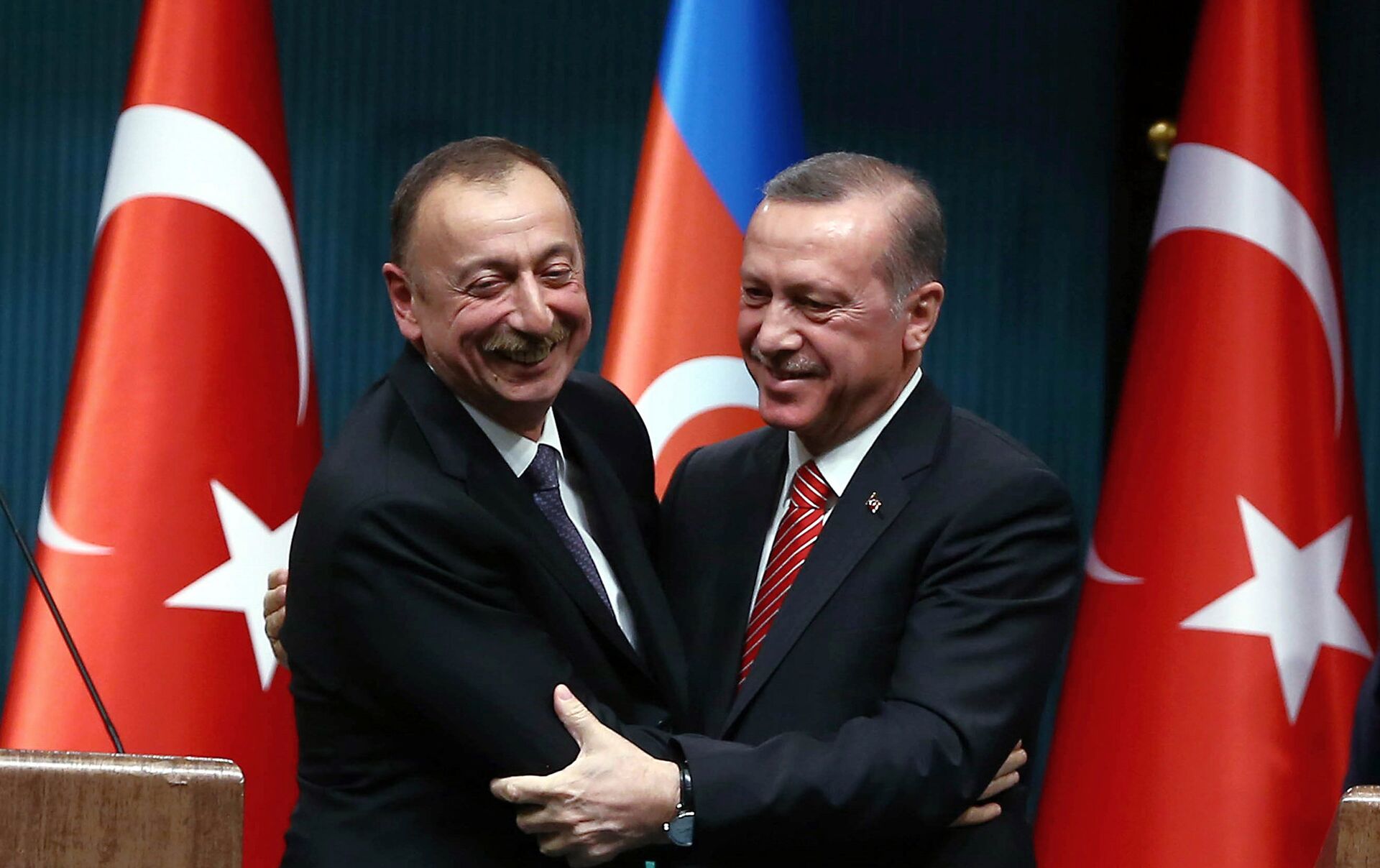
In an interview with JAMnews, he also discussed the recent cooling of relations between Turkey and Azerbaijan. Some in Armenia see this as a factor that could accelerate the normalisation process. Some experts suggest that, under these circumstances, Turkey could open the border without taking Baku’s position into account. Azerbaijan insists that Turkey should not move ahead before the two countries settle their relations with Armenia.
However, Alexander Iskandaryan believes that disagreements between Ankara and Baku do not mean Turkey will change its policy towards Armenia. He argues that relations with Azerbaijan remain strategically important to Turkey, and that “economic factors alone are unlikely to outweigh political calculations”.
- ‘Hint of discontent’: Armenia’s foreign minister skips Antalya diplomatic forum
- Armenian and Turkish business leaders call for borders to reopen. Is it likely to happen?
- ‘We mutually closed page of enmity’: Armenian Parliament Speaker on relations with Turkey
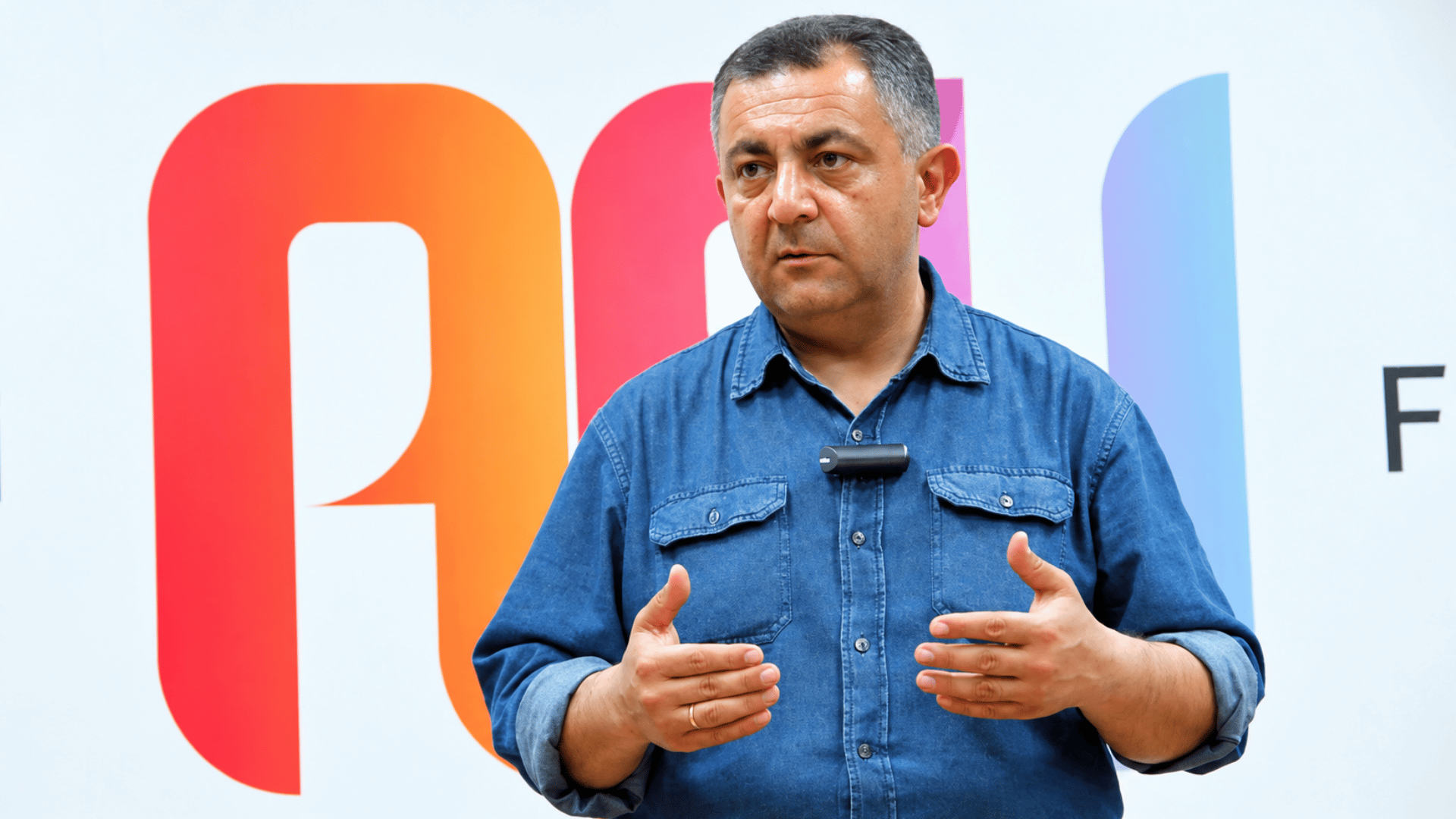
Political analyst and director of the Caucasus Institute Alexander Iskandaryan
What matters is not brotherhood but rational political calculation
“Azerbaijan is extremely wary of the prospect of the Armenian-Turkish border opening. It sees the border closure as a means of putting pressure on Armenia. This has been the case since the conflict began, including during ‘football diplomacy’, when the two sides discussed opening the border without preconditions. However, Turkey eventually tied the process to a resolution of the Karabakh conflict, largely under pressure from the Azerbaijani lobby.
The process of normalising relations between Armenia and Turkey, known as ‘football diplomacy’, began in 2008. Serzh Sargsyan, who was Armenia’s president at the time, initiated it.
At his invitation, Turkish President Abdullah Gül first visited Armenia. The two presidents watched a football match between their national teams. In 2009, Sargsyan travelled to Turkey, where the two national teams again played a match.
‘Football diplomacy’ resulted in the so-called Zurich Protocols, which the two countries’ foreign ministers signed in 2009. The documents set out plans to establish diplomatic relations and the principles governing bilateral ties. However, neither side ratified the protocols.
Despite the changes in the Nagorno-Karabakh conflict, the border remains closed. Turkey and Azerbaijan continue to set conditions, including the signing of a peace treaty. This shows that no clear ‘red line’ exists beyond which the pressure would stop. The demands keep changing, and there is no guarantee that meeting them would change the situation. From Azerbaijan’s perspective, keeping these levers of pressure makes perfect sense.
The current debate in Armenia and Azerbaijan stems primarily from the disagreements between Baku and Ankara that have recently come into the open. The Armenian government apparently hopes these differences could weaken Azerbaijan’s influence over Turkey’s position and prompt Ankara to open the Armenian-Turkish border despite Baku’s objections.
However, I do not think the border is likely to open in the near future. On the contrary, the chances are quite low.
Disagreements between Azerbaijan and Turkey have always existed. They simply attracted less public attention in the past and remained largely unnoticed by wider audiences.
For example, the two countries take different approaches to relations with Israel. Azerbaijan maintains fairly close ties with Israel, while Turkey’s relations with the country have deteriorated over time, at times leading to serious disputes. Another example is the Turkish Republic of Northern Cyprus. Ankara has openly urged Baku to recognise it, but Azerbaijan has not done so.
The recent surge in attention to disagreements between the two countries, including the dispute over the hijab ban in Azerbaijani schools, is merely the visible part of long-standing tensions. However, I would not expect these differences to make Baku and Ankara stop listening to each other. Disagreements between Azerbaijan and Turkey certainly exist, but that does not mean they will lead either country to rethink the relationship.
When it comes to Armenia, Turkey consistently supports Azerbaijan. It would be methodologically wrong to explain this policy solely through cultural affinity, the idea of ‘one nation, two states’ or feelings of brotherhood. This is not about sentiment but about rational political calculation, which underpins relations between the two countries.”
Political obstacles outweigh potential economic benefits
“Claims that opening the border with Armenia would bring Turkey significant economic benefits seem misleading or, at the very least, poorly informed. Armenia is not a large enough market for Turkey for the economic gains from opening the border to outweigh the political obstacles, which are far more significant.
The experience of ‘football diplomacy’ shows that Ankara was then seeking political gains in its relations with the West rather than closer economic ties with Armenia. At the time, the Armenian issue formed part of Turkey’s agenda in its relations with Europe and the European Union, and Ankara hoped to secure certain political benefits from it. There is no comparable rapprochement with the EU today. Azerbaijan, meanwhile, is already a reliable partner, and Turkey has a strong interest in maintaining its relations with Baku.
Never say ‘never’. But, in my view, hopes for an early border opening stem either from bias or from a failure to understand the situation. Even agreements that the two sides have reached do not always translate into action. For example, they have been discussing the restoration of the historic Ani Bridge for three years, while the completion of the tender process is presented as a major achievement. That is why I consider a border opening in the near future unlikely.”
Why does Turkey need another route?
“The argument that opening the Armenian-Turkish border would give Turkey an additional gateway to Central Asian markets is unconvincing. A railway route through Georgia already exists: the Baku–Tbilisi–Kars line, which remains underused. If Turkey had a serious interest in increasing freight traffic in this direction, it could make better use of the existing route. It is also unclear what additional freight volumes would require a new route through Armenia.”
Opening the border does not guarantee normalisation
“Opening the border with Turkey could bring Armenia economic and political benefits. Above all, it would make transport links with Europe easier and reduce transport costs. Turkey has a large economy and could become an important market for Armenian businesses, although the Turkish regions bordering Armenia rank among the least developed in the country. Nevertheless, Armenian entrepreneurs could find opportunities there to export goods and services.
Opening the border could therefore create new economic opportunities for Armenia. However, it would not, in itself, mean a full normalisation of Armenian-Turkish relations.”
Turkey-Armenia border: Will it open?