Real risks or empty threats? Reaction to Medvedev's statement about 'Ukrainisation' of Armenia






Medvedev on the “Ukrainisation” of Armenia
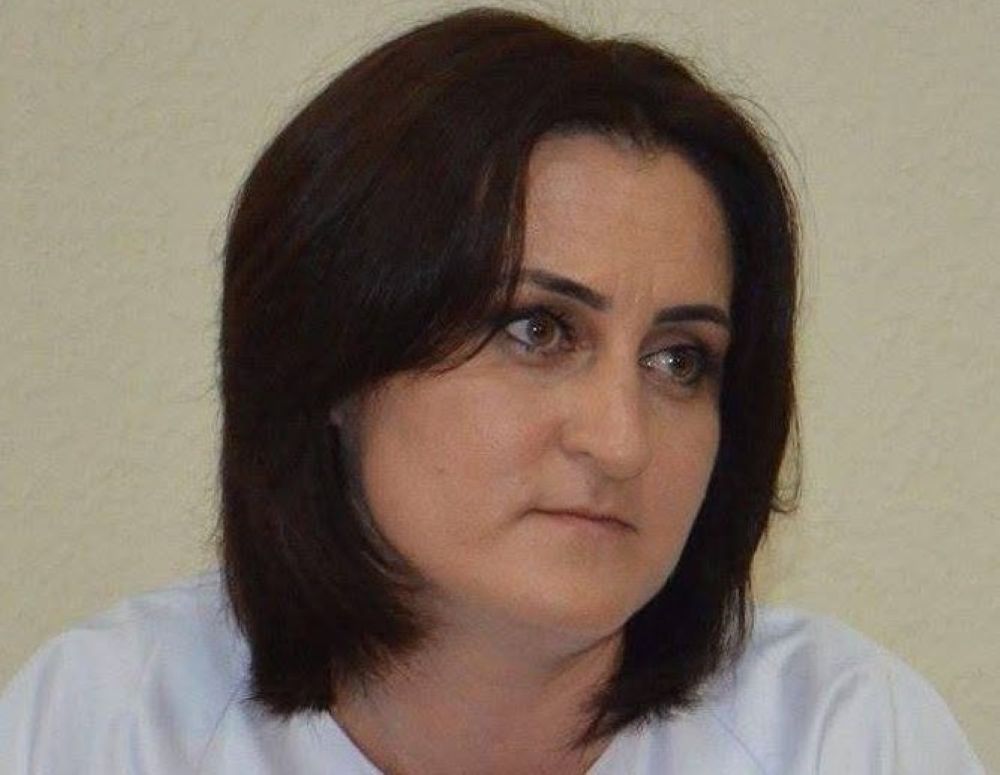
“Armenia turning into a new Ukraine represents another sign of Russia’s geopolitical anxiety and the deepening crisis in Armenian-Russian relations,” political analyst Ruben Mehrabyan said in response to Dmitry Medvedev’s sensational statement.
“Armenia’s current leadership decided that changing the country’s course would serve its interests. I am sure that this will not lead to anything good either. The worst thing that could happen to Armenia is for it to turn into a new Ukraine,” said Russia’s deputy Security Council chairman.
By a change in course, he meant Armenia’s drive towards European integration. Yerevan has not officially responded to his remarks.
Only parliament speaker Ruben Rubinyan told journalists: “Armenia cannot be anything else. Armenia is Armenia, and it will always be Armenia.”
Political analyst Ruben Mehrabyan believes that Russia “is irritated and unbalanced because the situation in the war is not just bad, but very bad”. At the same time, the analyst says Armenia should take the statement from Moscow seriously and try to assess how real the threat is:
“We should not treat this threat as either an absolutely inevitable scenario or empty bravado. It involves real risks stemming from Armenia’s energy and economic vulnerabilities. It also contains elements of psychological pressure.”
- How Armenia is reacting to export restrictions on Russia: farmers’ views and official statistics
- What Pashinyan and Putin agreed in Bishkek amid peak tensions in relations
- ‘If Russia decides to withdraw its military base, we will not object’ – Pashinyan
Comment
Political analyst Ruben Mehrabyan says Russia fears losing its influence in the South Caucasus:
“Against the backdrop of setbacks on the Ukrainian front, Moscow’s resources remain limited, while its influence across the post-Soviet space has weakened. But the most unwelcome development for Russia is that all of this now shows a clear trend towards further deterioration.”
In his view, Russia can still wage a war of attrition in Ukraine, but casualties, economic sanctions and international isolation are creating significant tensions inside the country.
The analyst says that under these conditions, Russia sees the departure of any ally as a “stab in the back”. This leads to an unbalanced response, as Medvedev’s statement demonstrates:
“The aim of the threat is to instil fear in Armenian society and stop the process of rapprochement with the West, which stems from our security and development interests.”
Mehrabyan believes the threats from Moscow carry some real risks:
“The possibility of a direct military invasion is currently close to zero for one simple reason. No matter how many threats Medvedev spews, Russia has no way to invade a country with which it has no border. But Russia has powerful hybrid tools, and it can and does use them.”
Among the existing risks, the political analyst highlights Armenia’s economic and energy dependence on Russia.
He points to the Upper Lars checkpoint, the only land route linking Armenia with Russia. Whenever the route closes, it creates problems for Armenian exporters and importers. Mehrabyan also notes that Armenia receives gas from Russia, as well as fuel for its nuclear power plant:
“Cutting off gas supplies or suspending deliveries under the pretext of repairs, or closing the border on sanitary grounds, could trigger internal upheaval in Armenia and force the country to operate under a state of emergency.”
According to Mehrabyan, Yerevan has so far managed the potential risks without shocks or conflicts, but he is not confident that it will continue to do so.
He stresses that the current situation also creates potential security risks. In particular, he suggests that “Baku could sell its pressure on Armenia to Moscow”, and that Russia would have no objection to such a deal.
The political analyst says Russia is behaving like a wounded beast. He urges the Armenian authorities to summon the Russian ambassador to the Foreign Ministry and hand him a formal protest note instead of making public demarches.
At the same time, he says Armenia needs to emphasise once again that its closer ties with the European Union and the United States serve Armenia’s interests and do not target Russia.
Mehrabyan identifies energy and economic diversification among Yerevan’s priorities. He says Armenia urgently needs to secure gas supplies from Iran, which could cover 85% of the country’s needs. He also expects the authorities to:
- continue army reforms and work to strengthen the country’s borders;
- deepen military and technical cooperation with various countries, including France, India and Greece;
- ensure domestic stability and resilience;
- strengthen strategic communications and combat disinformation.
Ruben Mehrabyan believes Armenia needs to prepare for modern warfare, including hybrid attacks:
“Armenia must not give Azerbaijan or Russia any reason to be tempted to commit aggression against us.”
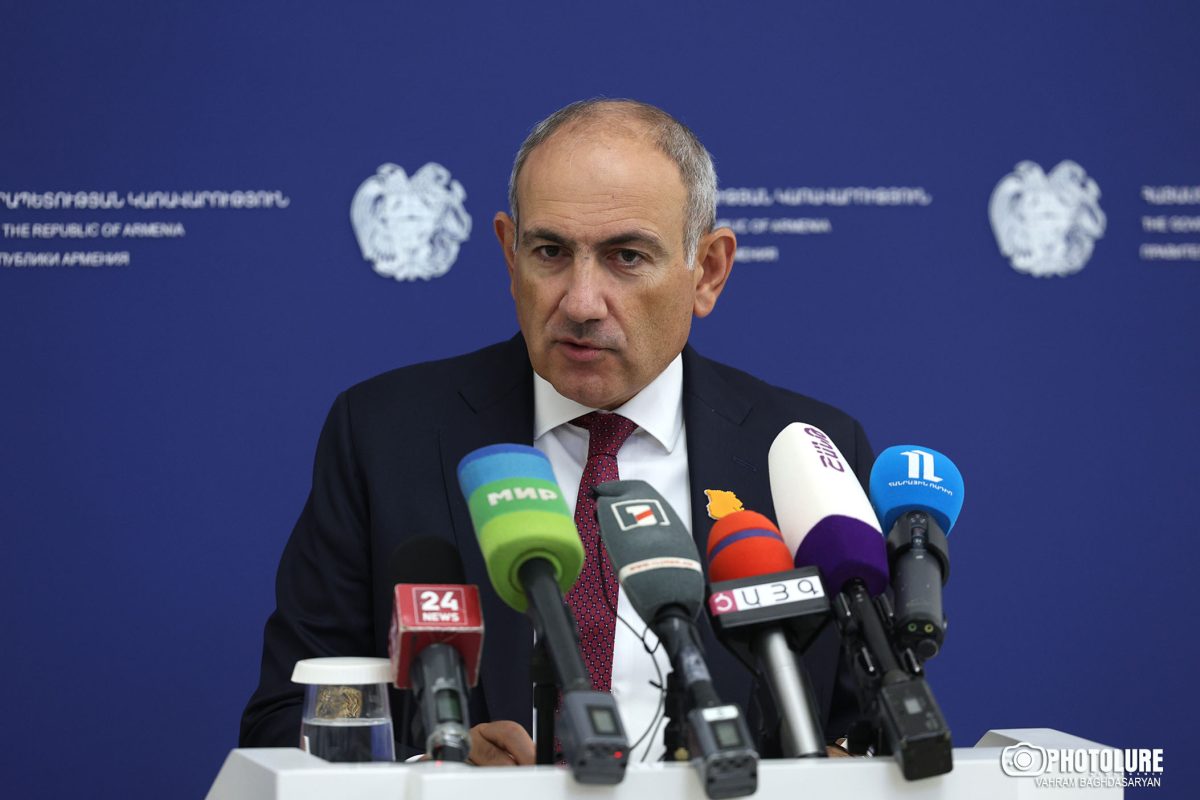
Medvedev on the “Ukrainisation” of Armenia