Iranian ambassador calls history of Georgian Queen Ketevan "controversial", sparking criticism in Georgia






Scandal over Iranian ambassador’s remarks in Georgia
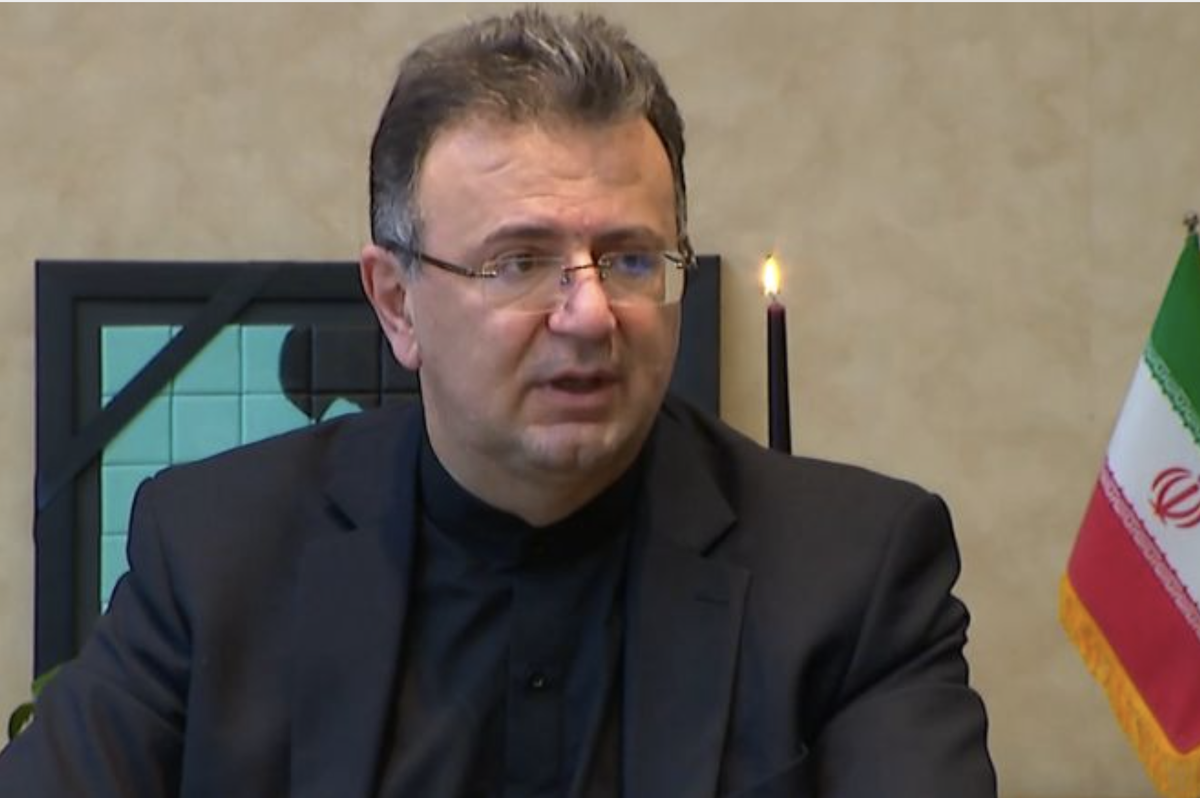
Iranian ambassador to Georgia Seyed Ali Mojani has announced the publication of his own research on Georgian Queen Ketevan. His remarks about the need to “re-examine” history have drawn criticism from a Georgian historian and MPs from the ruling Georgian Dream party. The dispute centres on the ambassador’s references to different historical accounts without specifying which generally accepted facts he is questioning.
What did the ambassador write?
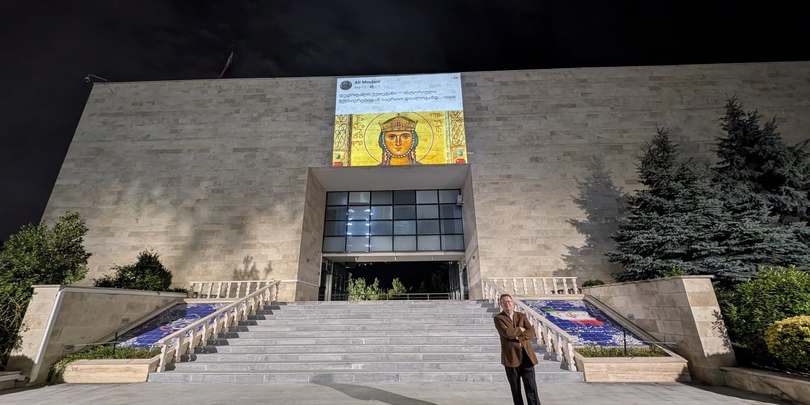
Mojani, a historian by profession, posted a photograph on Facebook showing the facade of the Iranian embassy with an image of Queen Ketevan projected onto it. He wrote that, for him, the image symbolises a historical memory surrounded by “numerous conflicting accounts that persist to this day”.
The ambassador promised to publish the findings of his preliminary research soon. The study will focus on Queen Ketevan and draw on Georgian and Iranian sources. Mojani stressed that it would not represent Iran’s official position but rather his personal perspective as a historian, which could be refined or revised in the future.
Mojani has not yet published either the study itself or the sources he intends to use.
Why did the post spark criticism?
Queen Ketevan was tortured to death in the Iranian city of Shiraz in 1624 on the orders of Shah Abbas I. Historical sources and academic studies document her martyrdom. The Georgian Orthodox Church venerates Ketevan as a saint and commemorates her on 26 September.
Against this backdrop, some interpreted Mojani’s reference to “conflicting accounts” as a suggestion that the ambassador was questioning the history of Ketevan’s martyrdom.
Historian and lecturer Giorgi Javakhishvili believes the ambassador’s statement goes beyond his diplomatic mandate. According to him, “Queen Ketevan’s martyrdom is a fact.” Javakhishvili also accuses Mojani of disregarding the methodology and ethics of historical research.
Georgian Dream MPs react
Nikoloz Samkharadze, chairman of parliament’s Foreign Relations Committee, urged the ambassador to “stick to diplomatic protocol and refrain from delving into history”. Samkharadze said he would discuss the incident with Foreign Minister Maka Bochorishvili when she returns to Georgia.
MP Irakli Kadagishvili said Mojani’s statement had nothing to do with the embassy’s work, stressing that the ambassador should perform his duties within the scope of his authority.
MP Aluda Gudushauri expects the foreign ministry to respond, noting that “no one can change or distort the true course of our history — reality is what it is and what we know it to be”.
The ambassador’s previous statements
Mojani’s posts have sparked controversy in Georgia before. On 31 March, he wrote that “countries that willingly or unwillingly surrender their space and territory to foreign adventurers sooner or later pay the price within their own borders”. The ambassador did not name any specific country, but some analysts and politicians interpreted the post as a threat against Georgia.
Scandal over Iranian ambassador’s remarks in Georgia