Lachin meeting: How close are Azerbaijan and Armenia to integrating their power grids?






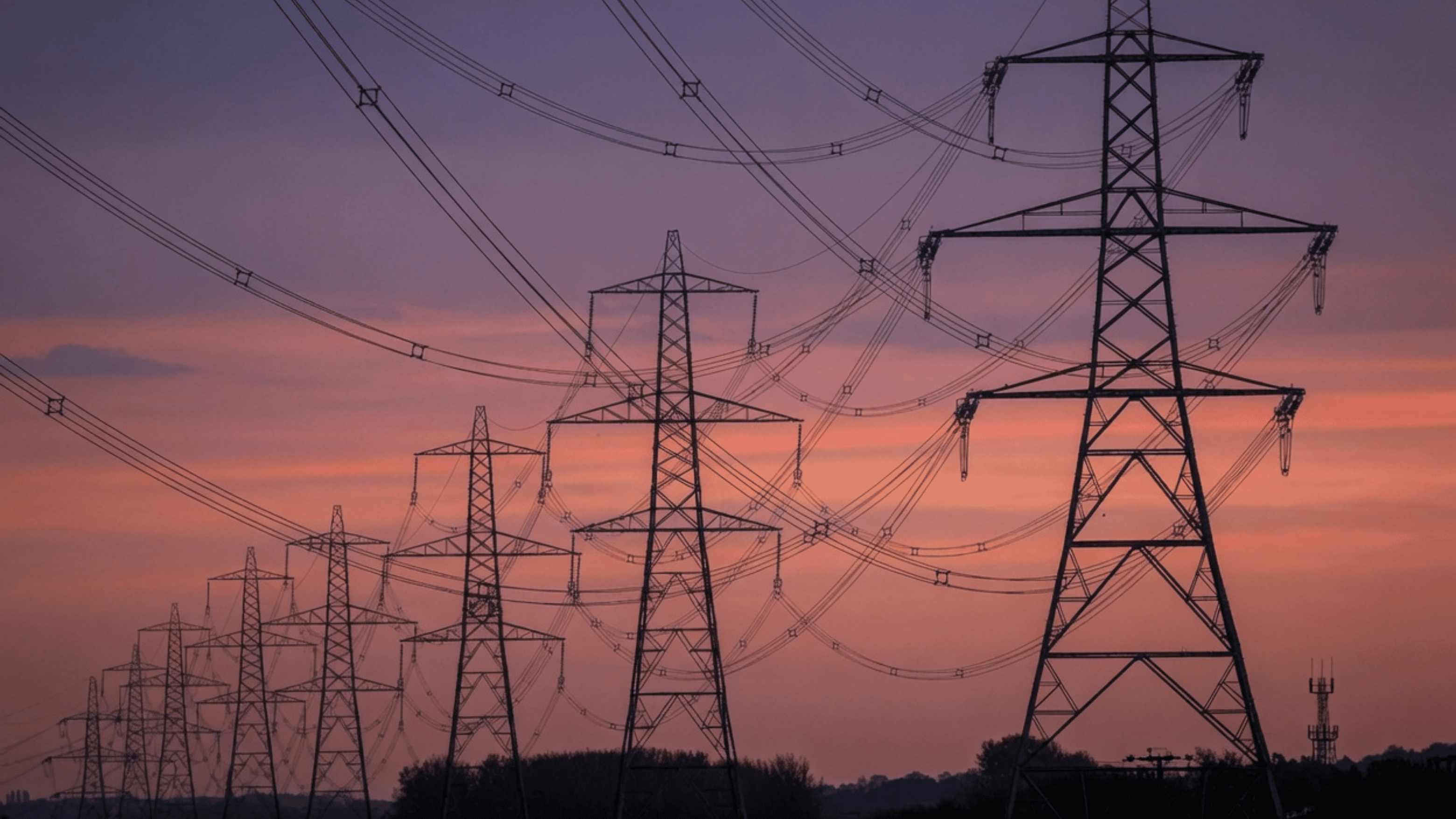
Azerbaijan and Armenia’s power grids
On 25 August, representatives of the energy authorities of Azerbaijan and Armenia met in Lachin. The talks focused on mutual electricity imports and exports, as well as possible options for connecting the two countries’ energy infrastructure at the border.
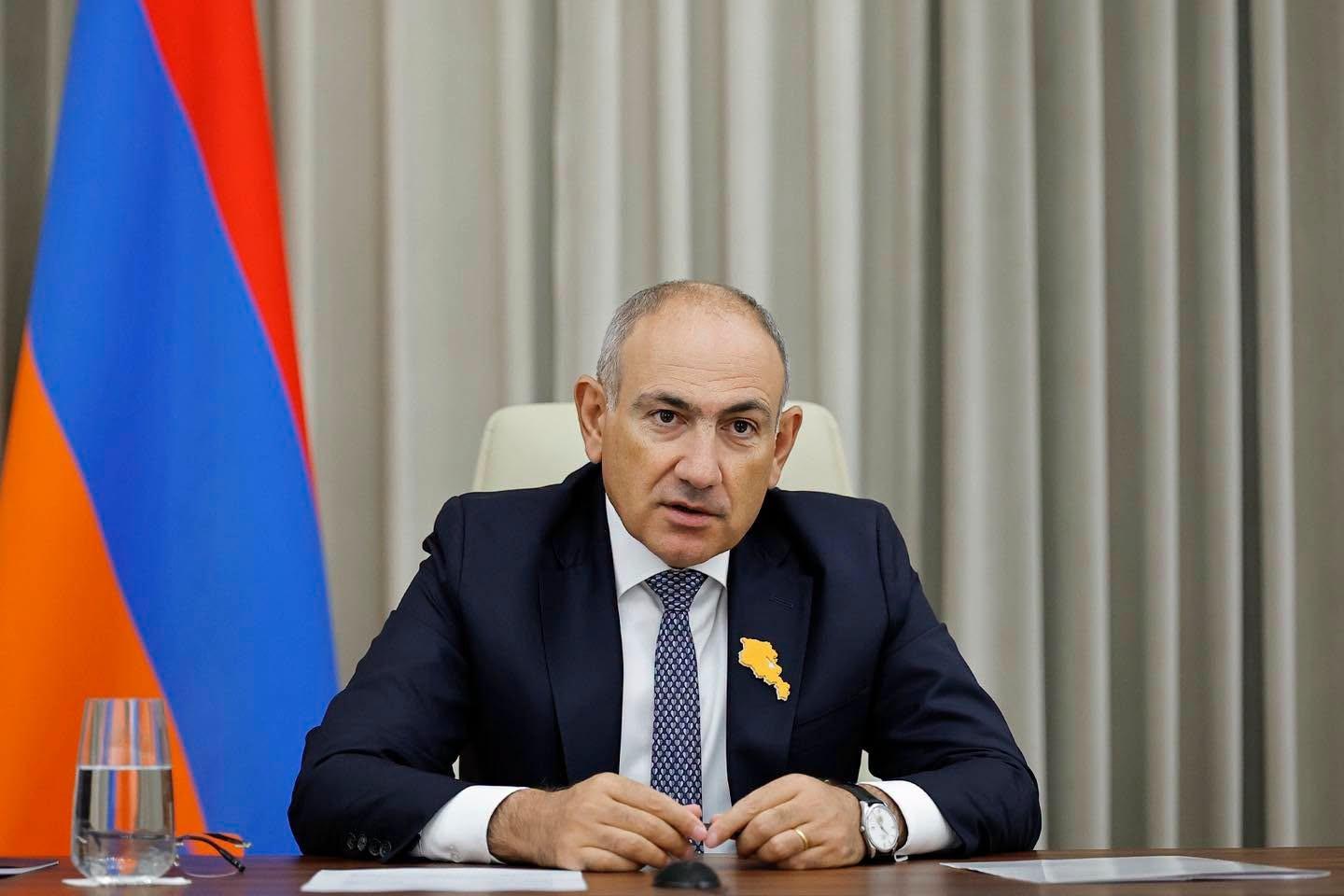
Just a day earlier, Armenian Prime Minister Nikol Pashinyan said that power transmission lines could become the first infrastructure project implemented under TRIPP. Two weeks earlier, Ilham Aliyev said that Nakhchivan was preparing to export significant volumes of electricity.
The sequence of events suggests that energy cooperation is already moving beyond political statements. However, the sides have yet to announce any agreements on the project’s route, capacity, financing or implementation timeframe.

From statements to technical discussions
The meeting in Lachin was attended by representatives of Azerbaijan’s Energy Ministry and Azerenerji, as well as Armenia’s Ministry of Territorial Administration and Infrastructure and the country’s Electricity System Operator.
The official statement consists of just two sentences: the sides discussed opportunities for electricity trade and possible options for connecting the two countries’ power grids at the state border.
The significance of this brief announcement lies primarily in who took part in the meeting. The talks involved not only diplomats but also representatives of the bodies responsible for operating the power grids. This suggests that discussions have moved from political statements to assessing technical and commercial possibilities.
The issue is not new. As early as January 2026, Pashinyan said the two countries’ power grids would be connected on an equal and reciprocal basis. Before that, in Copenhagen in October 2025, Pashinyan and Aliyev discussed the possibility of laying power lines and a gas pipeline along the TRIPP route. However, no technical details were announced in the following months.
During the Soviet period, the power grids of Azerbaijan and Armenia were interconnected, while Armenia supplied electricity and gas to Nakhchivan. These links were severed in the 1990s following the outbreak of the Karabakh conflict.
On 24 August, while presenting the government’s programme to the Armenian parliament, Pashinyan said that TRIPP, which is intended to connect Azerbaijan with Nakhchivan through southern Armenia, would not be limited to railways and roads. The project also envisages pipelines, cables and power transmission lines. According to Pashinyan, a power transmission line could become the first operational element of the project because it is technically easier to build.
Export route for Nakhchivan
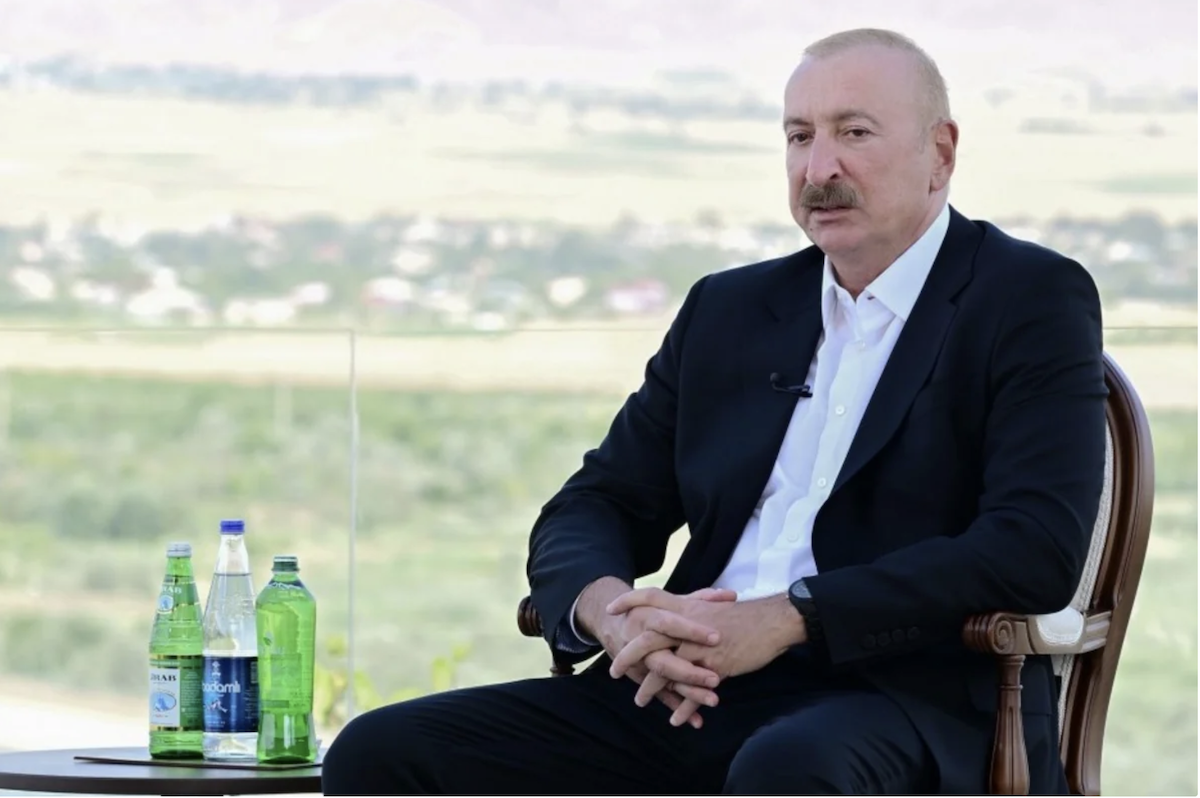
Baku’s interest is primarily linked to new generating capacity being developed in Nakhchivan. In an interview with AzTV on 11 August, Ilham Aliyev said the autonomous republic’s current generating capacity stood at around 200 megawatts, exceeding its current level of consumption.
The foundation has been laid for a 300-megawatt thermal power plant in Nakhchivan, while two solar power plants with a combined capacity of 50 megawatts are also under construction. In addition, new solar power plants with a combined capacity of several hundred megawatts are planned on an area covering more than 600 hectares.
According to Aliyev, “the export of very large volumes of electricity from Nakhchivan is also envisaged”.
Azerbaijan is already a net exporter of electricity. According to the Energy Ministry, the country exported around 1.15bn kilowatt-hours of electricity in 2025, while imports amounted to 177.2m kilowatt-hours.
A line through Armenia could connect Azerbaijan’s main power grid with Nakhchivan and, in the longer term, expand opportunities for electricity exports to Turkey. However, this is not the only option. An electricity connection between Nakhchivan and Turkey already exists, while a feasibility study for a new, higher-capacity line is expected to be completed in 2026. The route through Armenia is therefore not Baku’s only option, but it could become part of a broader regional energy network.
What could Armenia gain and lose?
At certain times, Armenia’s nuclear, thermal and hydroelectric power plants generate surplus electricity that could be exported. Opening a route towards Azerbaijan and Nakhchivan could expand its export market and turn the country not only into a consumer but also into a transit and export hub. For Armenia, this would provide an additional route alongside its existing energy links with Iran and Georgia.
However, debate in Yerevan has focused less on the potential economic benefits and more on security concerns. Opposition forces argue that linking strategic infrastructure to Azerbaijan’s power grid could create risks of political pressure and dependence.
Economist Suren Parsyan, meanwhile, says these risks could be mitigated through diversification. In his view, Armenia should maintain its energy links with Iran and Georgia while simultaneously developing electricity trade with Azerbaijan.
At the same time, “connecting” the two power grids does not in itself mean that one country would automatically become dependent on the other. A limited-capacity cross-border line, seasonal electricity exchanges or mutual assistance in emergencies are different models from a fully synchronised common grid. It remains unclear which option will ultimately be chosen.
What stands in the way of an agreement?
The sides are now at the most advanced stage of energy cooperation in the past 30 years. However, technical work on the project is still at an early stage.
They still need to determine the route of the line, its voltage and transmission capacity, sources of construction financing, tariffs, a payment mechanism and the division of responsibilities in the event of accidents. Mutual guarantees for the security of the infrastructure and mechanisms for resolving potential disputes will also be required.
The meeting in Lachin therefore does not suggest that the two power grids will be connected soon, but rather that the sides have, for the first time, moved from general statements to a practical examination of possible ways to implement the project. The next significant sign of progress would not be another general statement, but a technical document setting out the route, capacity, sources of financing and implementation timeframe.
An energy link alone cannot normalise relations. However, if it becomes the first genuinely operational infrastructure project to bring mutual benefits, it could help give the peace process a tangible economic dimension.