German broadcaster ARD investigates Georgia's rise as a crypto hub






Crypto mining in Georgia
“Crypto war: How Putin is using bitcoin to wage war against us” is the title of a 45-minute investigative documentary by German public broadcaster ARD, which portrays Georgia as a major cryptocurrency mining hub and an alleged transit route used by Russia to circumvent Western sanctions.
The documentary focuses on bitcoin mining and crypto systems which, the journalists argue, have enabled Russia to adapt to international financial restrictions.
Georgia’s favourable conditions for crypto industry
The investigation’s authors say Georgia has developed a particularly favourable legal and tax environment for the cryptocurrency industry over many years. They argue that this was closely linked to political and economic decisions taken during the rule of the Georgian Dream party and its founder, Bidzina Ivanishvili, turning the country into what they describe as one of the world’s cryptocurrency “grey zones”.
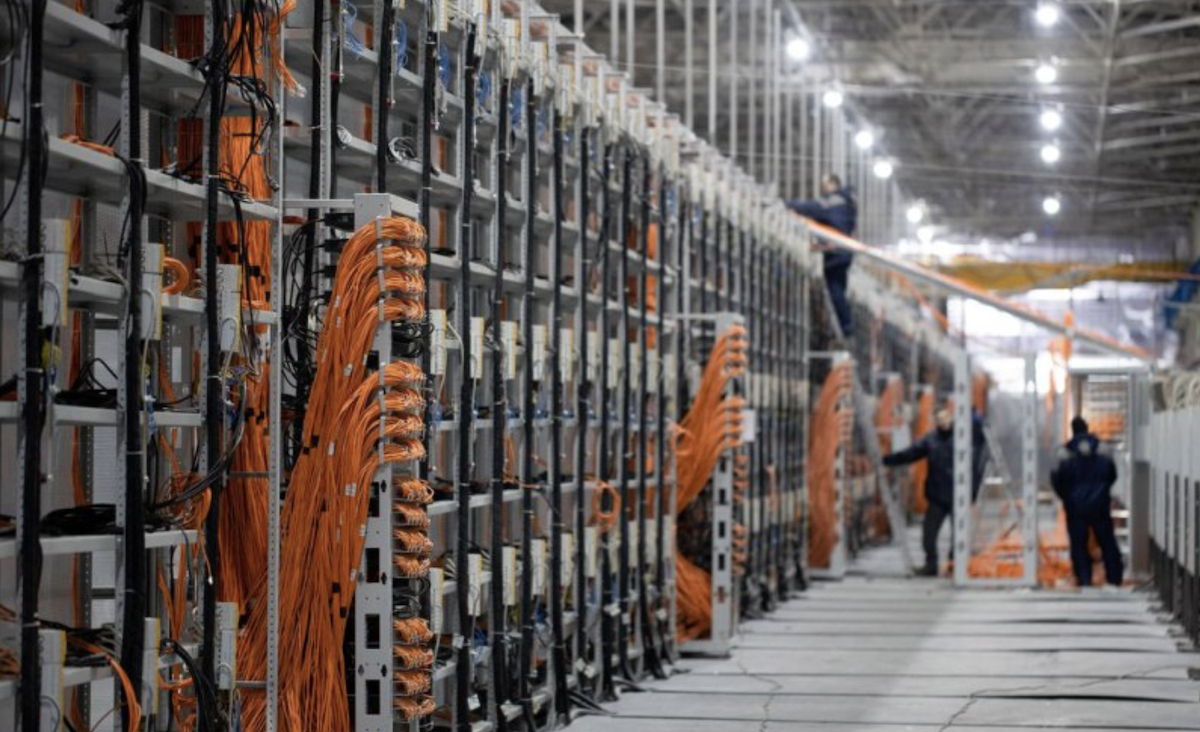
The documentary focuses in particular on the free industrial zones in Poti and Rustavi. According to the journalists, Russia can no longer sell natural gas to Europe at pre-sanctions levels, with some of that gas instead being used to generate low-cost electricity. The filmmakers argue that this electricity powers large-scale bitcoin mining infrastructure, the ultimate financial benefits of which serve Russia’s interests.
The German journalists say they travelled to Georgia and visited cryptocurrency mining facilities themselves, including infrastructure in the Rustavi Free Industrial Zone.

Russia said using cryptocurrency to circumvent sanctions
Nino Bakradze, founder of the investigative journalism organisation iFact, says in the documentary that Russia has not been completely cut off from the international financial system and is increasingly using cryptocurrency for cross-border transactions.
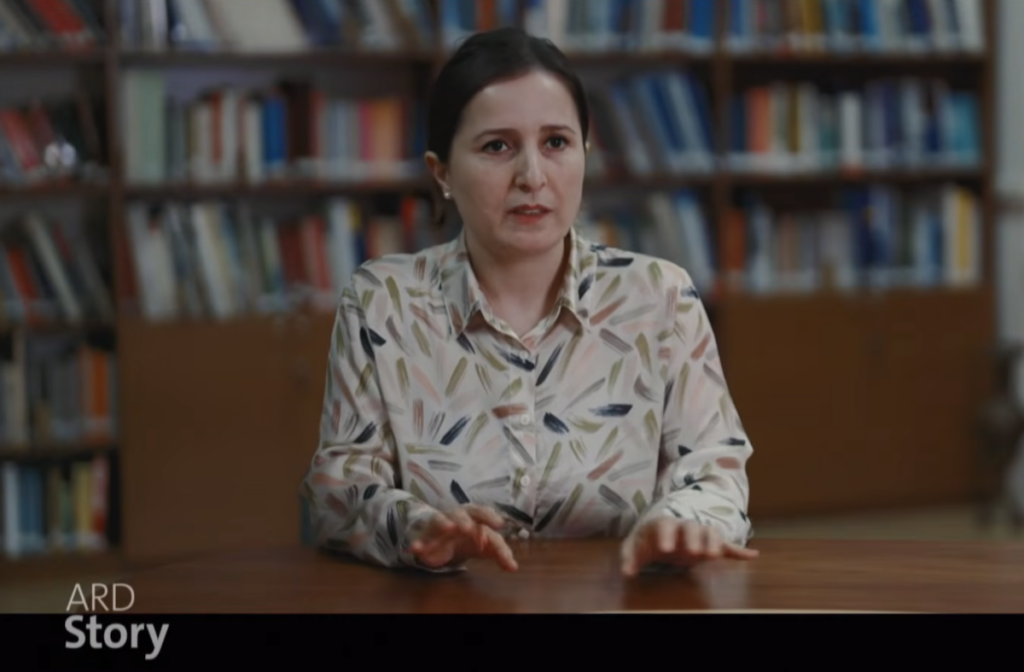
She says iFact investigated exports of dual-use goods to Russia by conducting an undercover experiment. The organisation contacted a Russian trading company and asked whether it could ship around 30 drones to Russia. According to Bakradze, the company replied that such a shipment was possible and said it had carried out similar transactions before despite the risks posed by sanctions.
Bakradze says the investigation found that companies involved in such transactions use cryptocurrency to settle payments in order to circumvent sanctions, often without being detected by Western authorities.

‘Bitcoin mining in Georgia is profitable’
The documentary also features local bitcoin miner Nikoloz Museridze, who says the main advantage of mining bitcoin in Georgia is the country’s relatively low electricity prices.
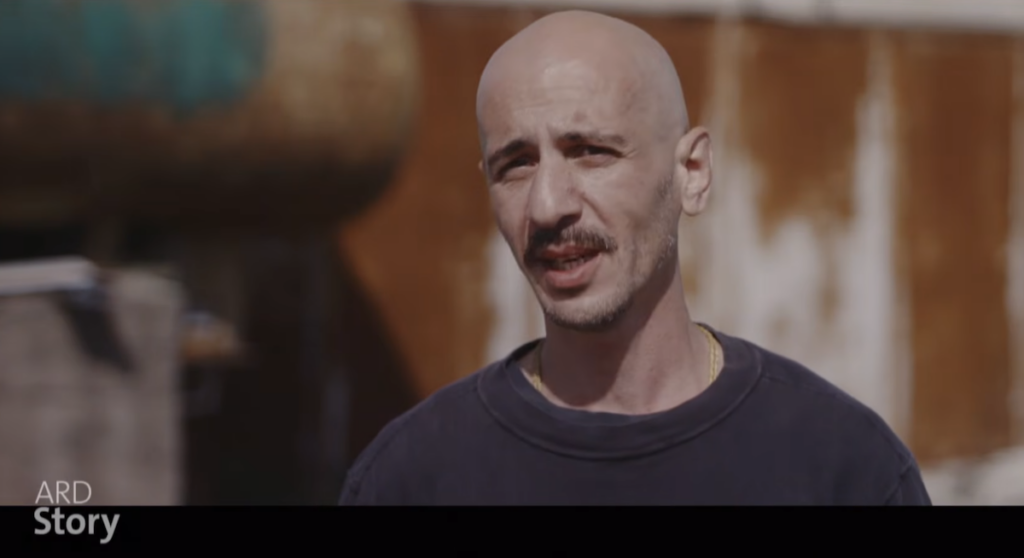
Museridze says his mining farm consumes about 2 megawatts of electricity. He estimates that, at this capacity, it takes about a year to mine one bitcoin, while the cost of producing a single bitcoin in Georgia is around $30,000-$40,000.
The miner describes bitcoin as “borderless money” that can be transferred anywhere in the world at any time and which, he claims, cannot be blocked or frozen.