EU sanctions Inter RAO, Russian company controlling energy assets in Georgia






The European Union has imposed sanctions on Russian state-owned energy company Inter RAO, which indirectly owns Georgia’s Telasi, Telmico, Khrami HPP I and Khrami HPP II through its subsidiaries.
The decision could affect Inter RAO’s assets in Georgia as well as ongoing corporate transactions.
Telasi and Telmico both operate in Georgia’s electricity sector, but they perform different roles.
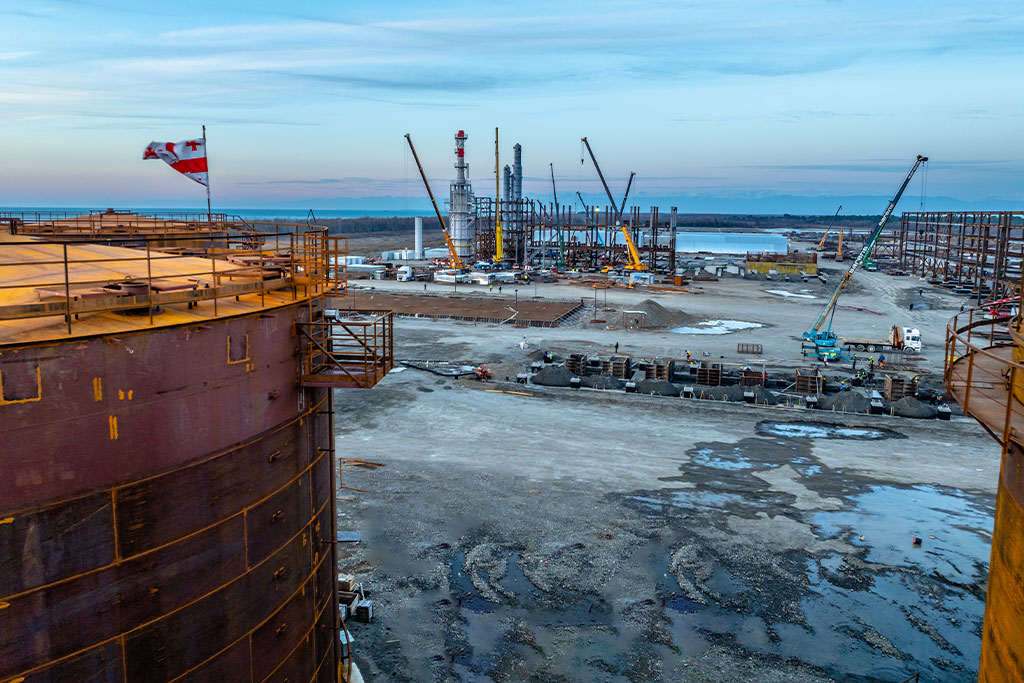
Khrami HPP I and Khrami HPP II (the Khrami hydropower cascade) form one of Georgia’s largest hydropower complexes. Located on the Khrami River in the Kvemo Kartli region, the two plants generate electricity and are an important part of Georgia’s power system, contributing significantly to the country’s domestic electricity production.
Telasi is the electricity distribution network operator for Tbilisi. The company owns and manages the capital’s power distribution infrastructure—including power lines, substations and other grid assets—and is responsible for delivering electricity to consumers.
Telmico is an electricity supply company. It purchases electricity on the wholesale market and supplies it to residential and commercial customers in Tbilisi. The company issues electricity bills and signs supply contracts with consumers.
Inter RAO was added to the EU sanctions list on 23 July as part of the bloc’s 21st package of sanctions against Russia.
According to the Council of the European Union, the Russian government-controlled company is one of the country’s largest energy groups and plays a significant role in the Russian economy.
According to the Council, the Russian Federation benefits financially from Inter RAO through both the taxes paid by the company and the dividends received by its owners. For that reason, the EU considers the company to be providing financial support to the Russian authorities, which Brussels holds responsible for the aggression against Ukraine and the annexation of Crimea.
According to the company’s ownership structure, Inter RAO is the indirect owner of 100% of the shares in the Netherlands-registered Silk Road Holdings B.V. The company directly owns a 75.108% stake in Telasi and a 75.471% stake in Telmico.
Inter RAO also indirectly owns the Netherlands-registered Gardabani Holdings B.V., which has full ownership of Khrami HPP I and Khrami HPP II.
At the same time, Silk Road Holdings has launched a tender offer to acquire the remaining 24.892% stake in Telasi. The offer closes on 31 July, applications will be reviewed until 7 August, and the transaction is scheduled to be completed on 21 August.
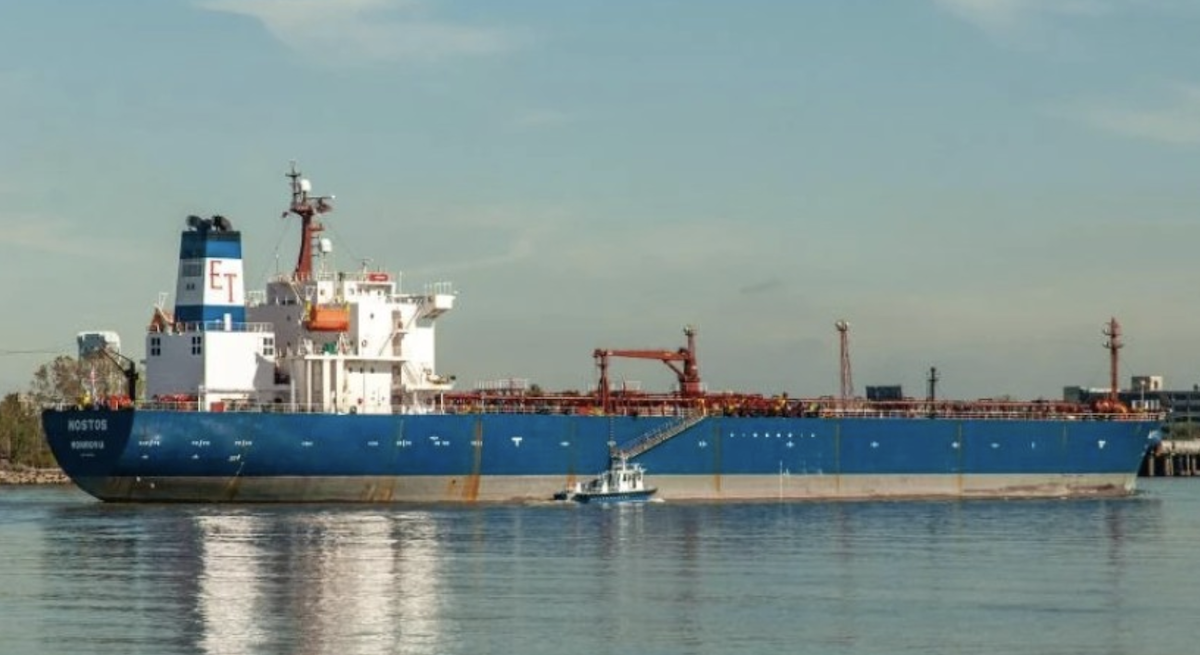
What impact could the sanctions have?
The inclusion of Inter RAO on the EU sanctions list could also affect the operations of the companies it indirectly controls in Georgia. Under EU sanctions, banks and companies based in the bloc may be prohibited from carrying out financial transactions, providing economic resources or delivering certain services to legal entities that are directly or indirectly controlled by a sanctioned company.
The restrictions could also limit Inter RAO’s ability to exercise its shareholder rights through its Netherlands-registered subsidiaries. This could affect voting rights, the appointment of directors, the approval and receipt of dividends, the acquisition or disposal of shareholdings, and other key corporate decisions.
Particular attention is also being paid to the planned acquisition of the remaining stake in Telasi. Because the tender offer is being made by the Netherlands-registered Silk Road Holdings, the transaction may require approval from the relevant Dutch regulatory authority, increasing the risk of delays or even suspension of the deal.
At the same time, the EU has not listed Telasi, Telmico or the Khrami hydropower plants as separate sanctioned entities. However, under EU sanctions rules, asset-freezing measures generally extend to companies that are directly or indirectly owned or majority-controlled by a sanctioned individual or entity.
Inter RAO sanctioned by the EU