Georgia expresses concern over agreement between Russia and Tskhinvali






Georgia protests Russia-Tskhinvali agreement
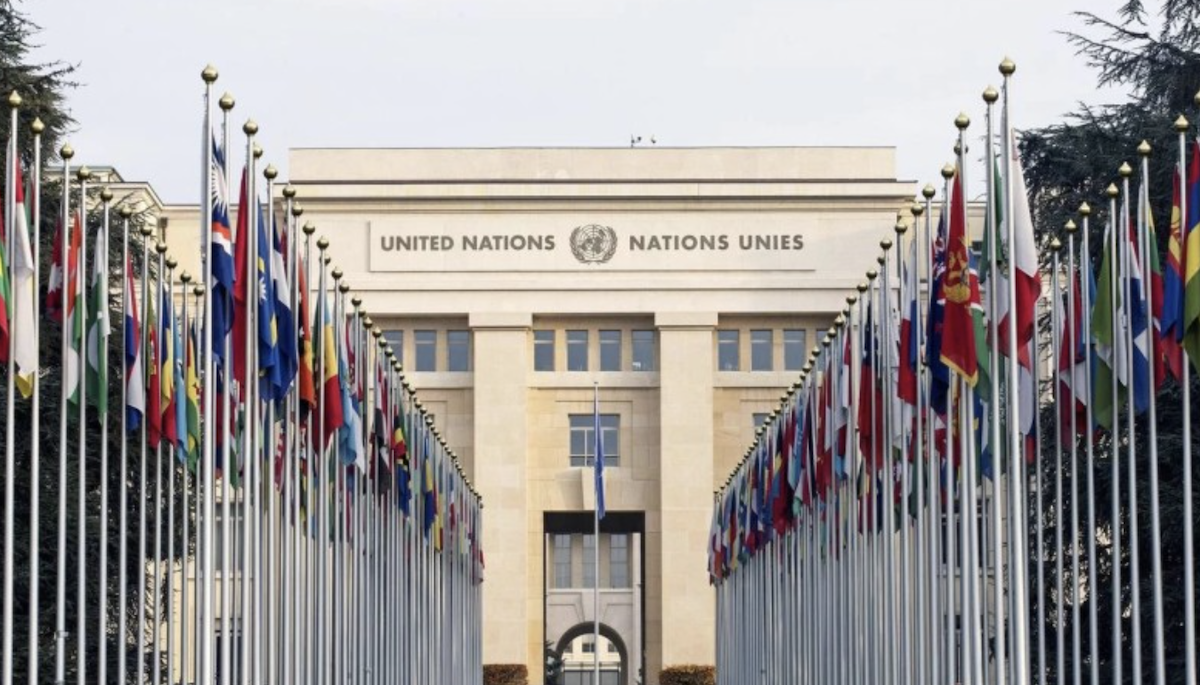
Georgia‘s Foreign Ministry issued a strongly worded statement on 2 July following the 67th round of the Geneva International Discussions.
The Geneva International Discussions were established after the August 2008 war. The talks take place regularly under the co-chairmanship of the European Union, the United Nations and the Organization for Security and Co-operation in Europe (OSCE). Representatives of Georgia, Russia and the United States attend, alongside representatives of the self-proclaimed authorities in Tskhinvali (South Ossetia) and Abkhazia. The discussions usually take place in two working groups. One focuses on peace and security, while the other addresses humanitarian issues. Georgia, the United Nations and most countries consider Abkhazia and South Ossetia to be Georgian territories under Russian occupation.
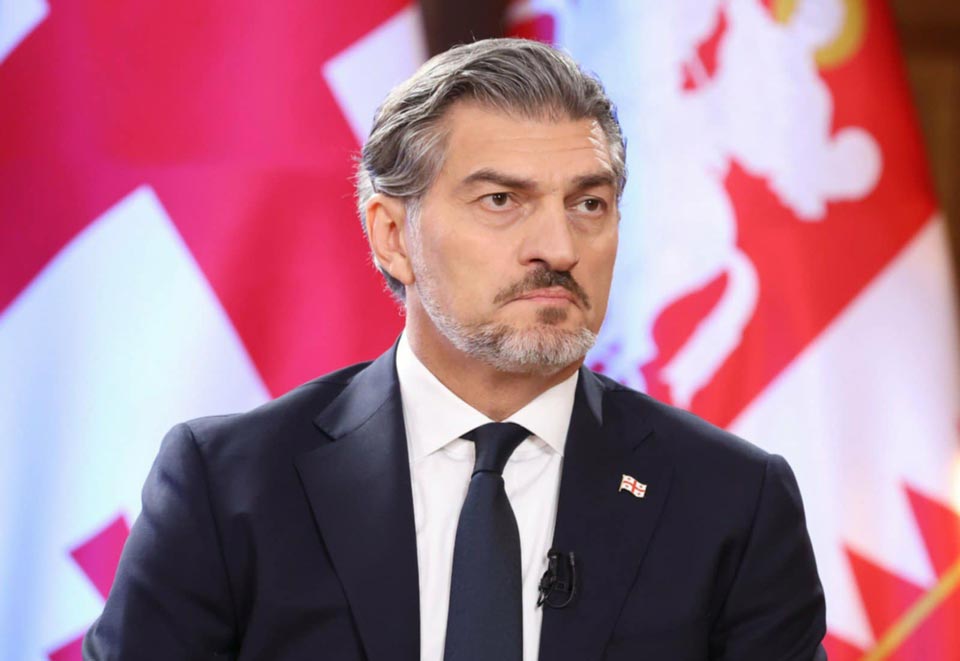
According to Georgia’s Foreign Ministry, “the Georgian delegation strongly criticised the agreement signed in May 2026 between Russia and the Tskhinvali occupation regime, which provides for deeper allied cooperation between the two sides”.
The Georgian delegation, led by Deputy Foreign Minister Lasha Darsalia, told the talks that the agreement violated international law, had no legal force and undermined efforts to maintain a constructive dialogue.
The ministry said Tbilisi also expressed concern over the rapid implementation of the agreement.
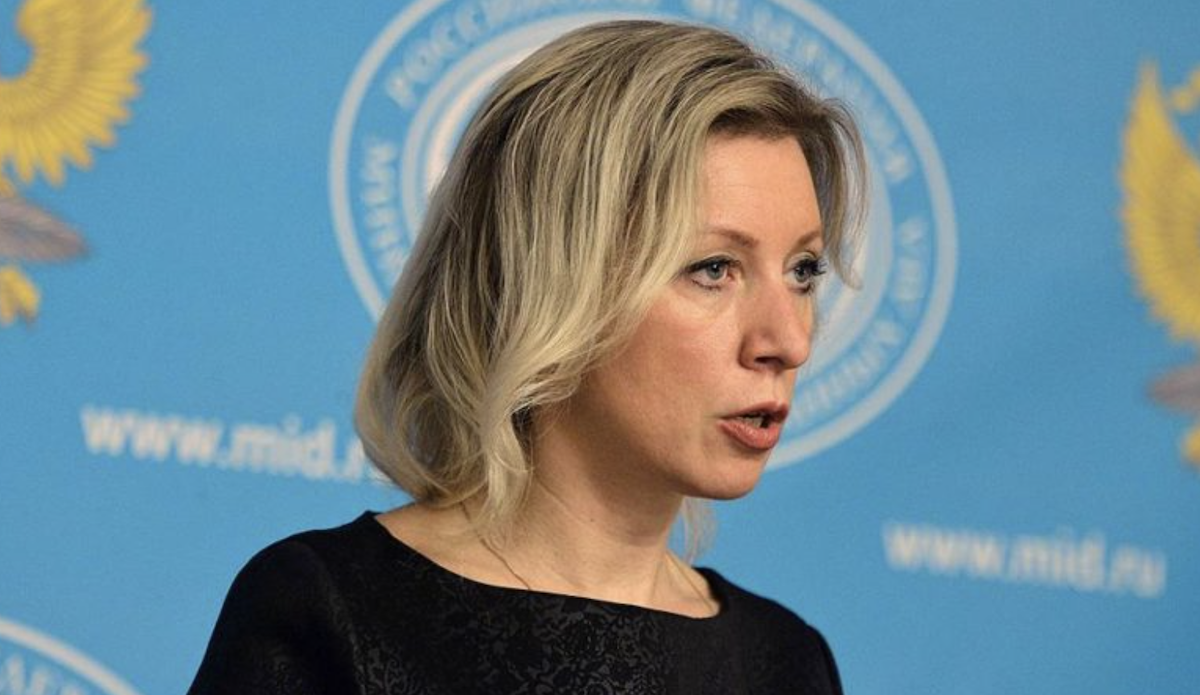
After the 67th round of the Geneva talks, Russia‘s Foreign Ministry said Moscow remained committed to the negotiating format and again called for “a legally binding non-use of force agreement” between Georgia, Abkhazia and South Ossetia.
During the talks on 30 June and 1 July, the Georgian delegation again raised the issue of Russia’s compliance with its commitments under the 12 August 2008 ceasefire agreement.
According to the Foreign Ministry, the delegation highlighted Russia’s military presence, security concerns, the humanitarian situation and human rights issues in Abkhazia and the Tskhinvali region.
Tbilisi also reiterated its demand for the safe and dignified return of internally displaced people and refugees to the occupied territories. The issue remains one of the central items on the agenda of the Geneva International Discussions.
The ministry said the Georgian delegation also called for the Incident Prevention and Response Mechanism (IPRM) in Gali, Abkhazia, to resume without preconditions. It added that regular meetings under the mechanism, both in Gali and Ergneti, near the Georgian-South Ossetian conflict zone, remain important for regional stability.
According to the ministry, representatives of Russia and the Russian-backed authorities in Abkhazia and the Tskhinvali region walked out of the talks during discussions on the return of internally displaced people and refugees.
The 68th round of the Geneva International Discussions is scheduled for 10-11 November.
Background
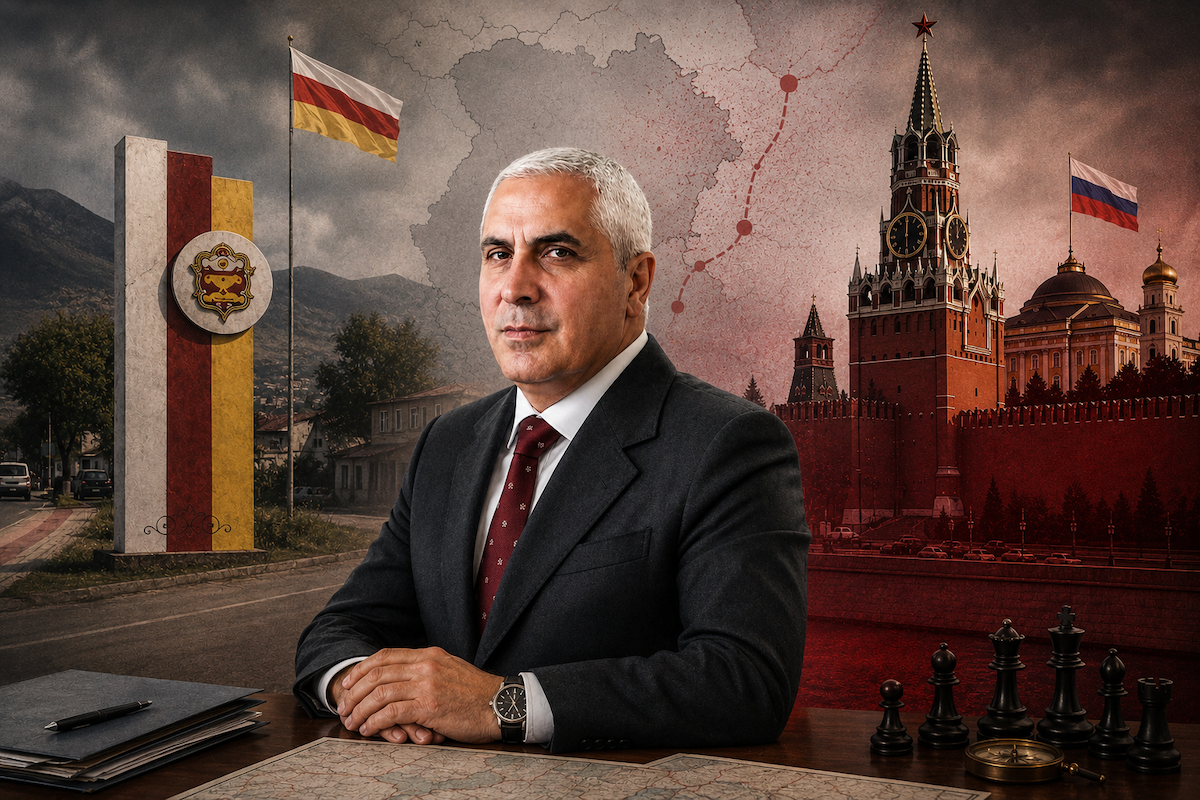
Russia’s State Duma ratified the Treaty on Deepening Allied Relations between Russia and South Ossetia during a plenary session on 13 May. Russian President Vladimir Putin personally submitted the ratification bill to the lower house of parliament.
Putin and South Ossetian leader Alan Gagloyev signed the treaty in Moscow on 9 May.
The agreement provides for closer cooperation in defence, security, the economy, infrastructure and social policy. It also aims to facilitate the free movement of capital, goods, services and labour between the two sides.
Georgia protests Russia-Tskhinvali agreement