Russia renews call for Georgia to sign non-use of force agreement at Geneva talks






After the 67th round of the Geneva International Discussions, Russia‘s Foreign Ministry said Moscow remained committed to the talks and again called for a legally binding agreement on the non-use of force between Georgia, Abkhazia and South Ossetia.
The discussions took place in Geneva from 30 June to 1 July under the co-chairmanship of the United Nations, the Organization for Security and Co-operation in Europe (OSCE) and the European Union. Representatives of Georgia, Russia, the United States, Abkhazia and South Ossetia took part.
The Geneva International Discussions were established after the August 2008 war. The talks take place regularly under the co-chairmanship of the European Union, the United Nations and the Organization for Security and Co-operation in Europe (OSCE). Representatives of Georgia, Russia and the United States attend, alongside representatives of the self-proclaimed authorities in Tskhinvali (South Ossetia) and Abkhazia. Georgia, the United Nations and most of the international community regard the two regions as parts of Georgia under Russian occupation.
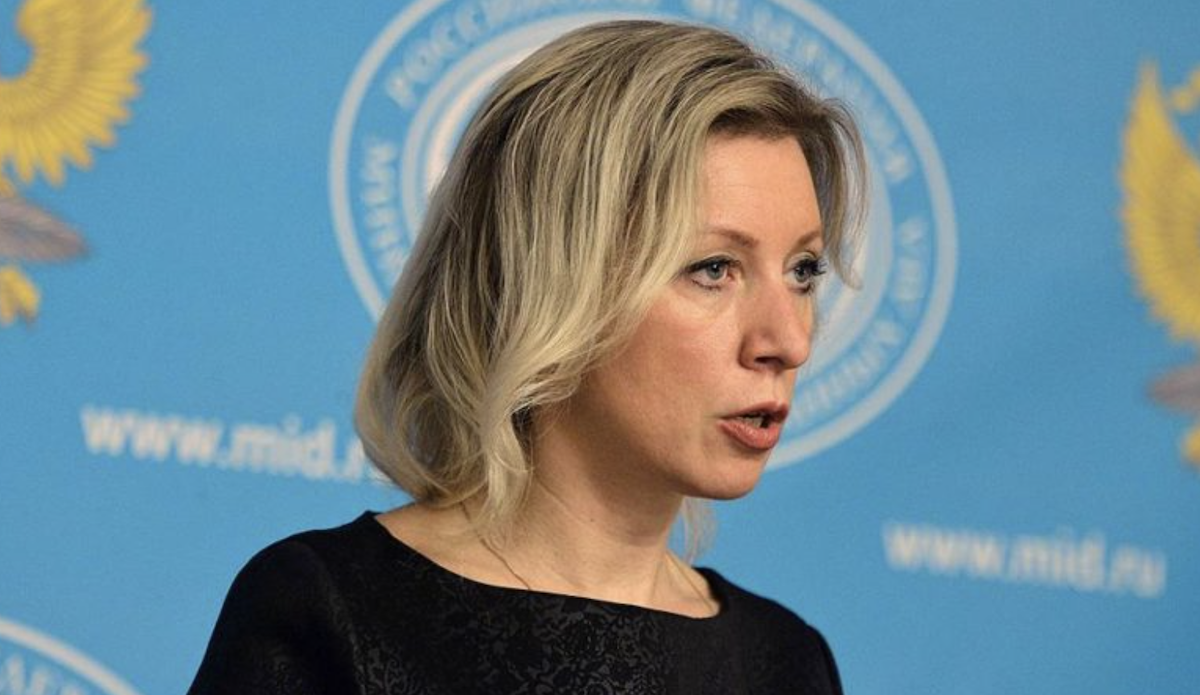
According to Russia’s Foreign Ministry, Moscow sees the Geneva format as providing “a reliable framework for continuous direct dialogue between Tbilisi, Sukhumi and Tskhinvali”. It says the talks aim “to restore post-conflict relations”.
The ministry also argued that “the existing mandate should now produce practical steps to ensure the security of Abkhazia and South Ossetia”. It said “a legally binding non-use of force agreement between Georgia and the two sovereign republics is needed”. According to the ministry, such an agreement would give fresh momentum to the negotiations and strengthen regional stability.
Moscow argues that such an agreement has become more necessary amid deepening cooperation between NATO and Georgia.
The statement says NATO is conducting military exercises and other training activities in Georgia. Russia describes those activities as a security risk.
The Russian Foreign Ministry also said the current situation was “relatively calm”. It credited the mechanisms established under the Geneva International Discussions, including regular rounds of talks, 24-hour hotlines and meetings of the Incident Prevention and Response Mechanism (IPRM) in Ergneti, near the Georgian-South Ossetian conflict zone.
Moscow also called for the restoration of the equivalent mechanism that previously operated in Gali, Abkhazia. It also urged the sides to begin “the process of delimiting Georgia’s state border with Abkhazia and South Ossetia”.
The statement also criticised Georgia’s position on humanitarian issues. The Russian Foreign Ministry accused Tbilisi of politicising the issue and said this was hindering constructive dialogue within the Geneva International Discussions.
Moscow also criticised the annual UN General Assembly resolution, initiated by Georgia, on the right of internally displaced people and refugees to return to their homes.
According to the Russian Foreign Ministry, discussing the issue at the UN breaches an agreement that such matters should be addressed within the Geneva International Discussions, where, it said, “representatives of Abkhazia and South Ossetia have an opportunity to present their views.”

Following the August 2008 war between Georgia and Russia, direct dialogue between the two countries came to an end. Under the 12 August 2008 ceasefire agreement, the sides established the Geneva International Discussions as a forum where representatives of Russia, Georgia, Sukhumi and Tskhinvali, together with international organisations, could discuss a range of humanitarian and security issues.
The participants hold four rounds of talks each year.
The terminology, place names and views expressed in this article are those of the author and do not necessarily reflect the editorial position of this website.
67th round of the Geneva International Discussions