'We are not discussing Trump Route project with Russia' - Armenia's deputy foreign minister






Yerevan responds to Galuzin on TRIPP
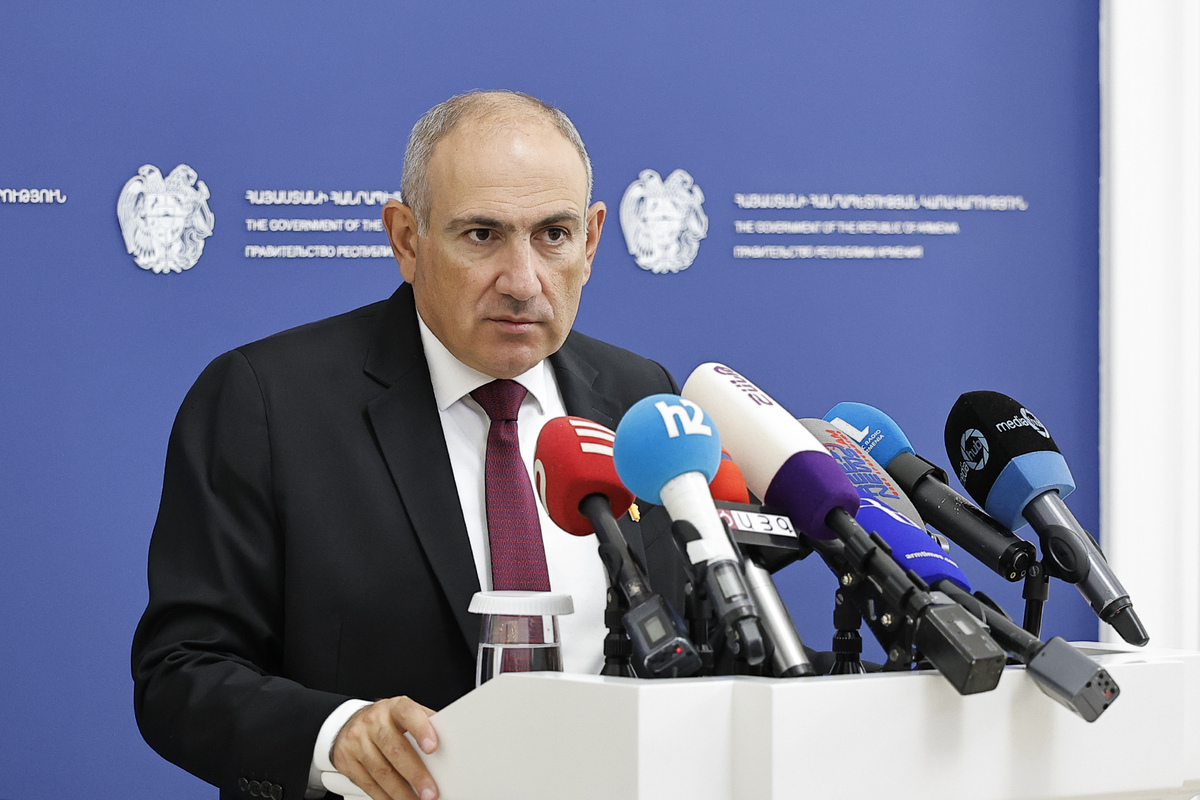
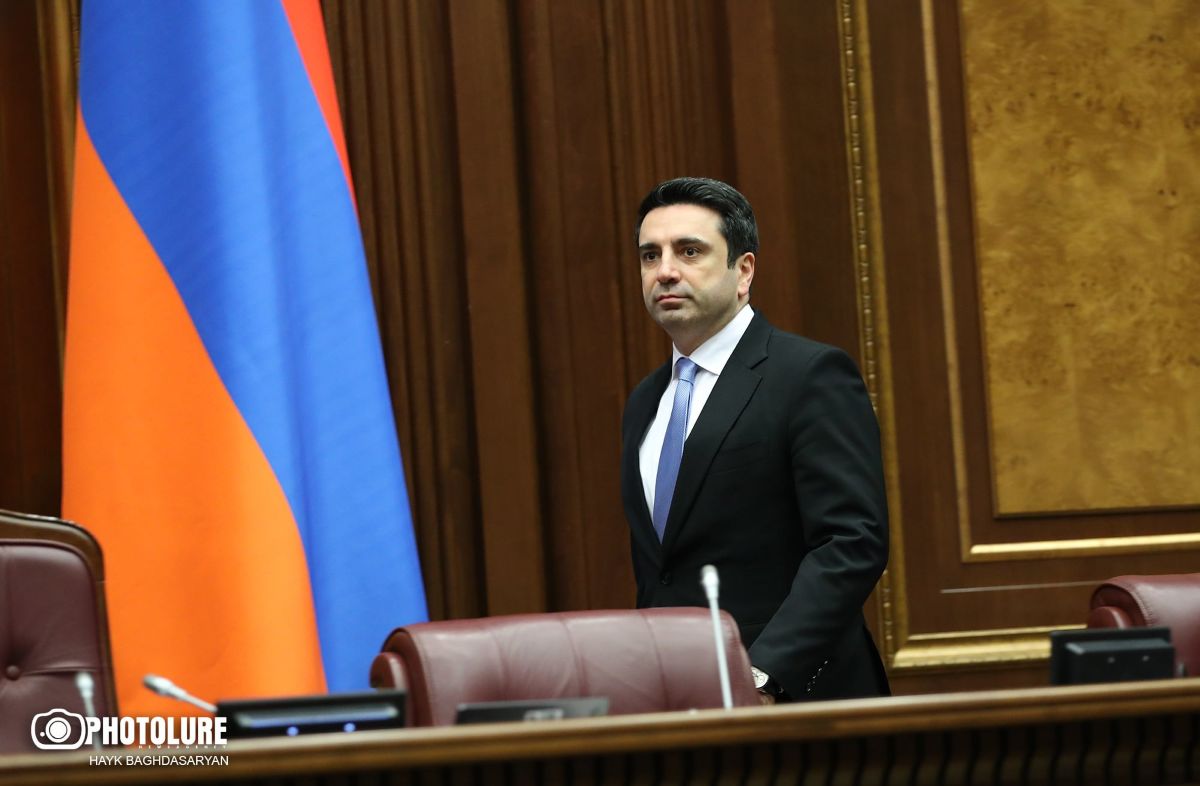
“We are not discussing TRIPP [the Trump Route project] with the Russian side,” Armenian Deputy Foreign Minister Mnatsakan Safaryan said in response to journalists’ questions about recent statements from Moscow.
Russian Deputy Foreign Minister Mikhail Galuzin had said that the Armenian-US bilateral project “would only benefit from Russia’s participation”. He also argued that Moscow’s views should be taken into account.
Responding to those remarks, Yerevan reaffirmed its long-standing position, saying the issue is not part of the bilateral agenda between Armenia and Russia.
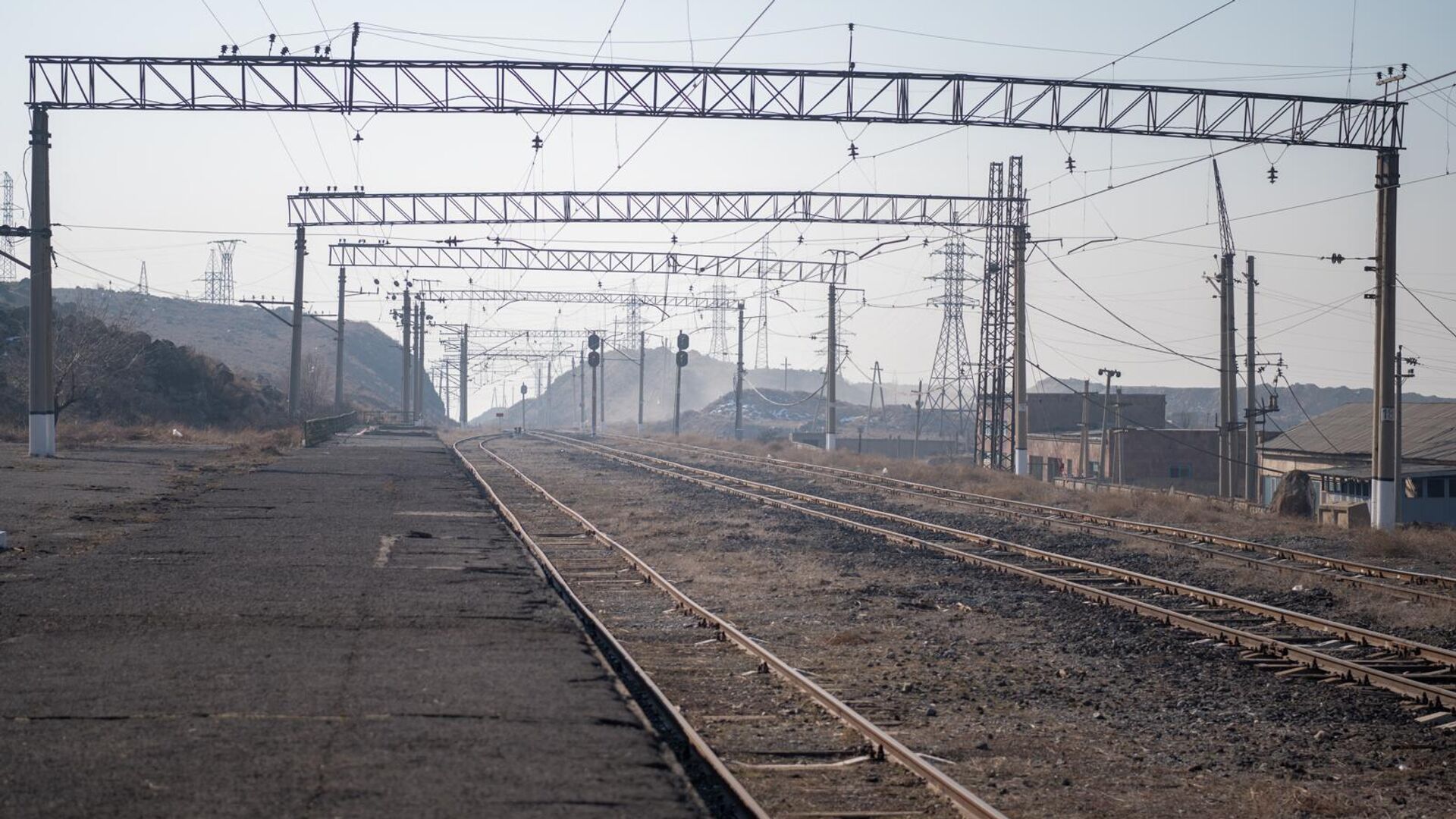
The Trump Route for International Peace and Prosperity (TRIPP) is a proposed transport corridor linking Azerbaijan with its exclave of Nakhchivan through Armenian territory. The route would pass through Armenia’s southern Syunik province. It would form part of the Armenian government’s Crossroads of Peace initiative, which aims to reopen regional transport links in all directions.
- Opinion: Why Putin hasn’t rushed to congratulate Pashinyan on his election victory
- Opinion: ‘Armenia will restore rail links with Azerbaijan and Turkey – with or without Russia’
- ‘We will not act against Russia, but will always act in Armenia’s interests’ — Pashinyan
Safaryan: “I would rather not speculate about the future”
“At this stage, TRIPP is moving forward as an Armenia-US project. We have signed an agreement, and implementation is now under way,” Deputy Foreign Minister Mnatsakan Safaryan said.
Journalists asked whether he considered Russian participation in the Trump Route project possible.
“I would rather not speculate. I do not think it is appropriate to say anything about the future at this stage,” he replied.
Asked how transit under TRIPP would operate given Armenia’s membership of the Russian-led Eurasian Economic Union (EAEU), Safaryan said the bloc’s customs regulations would apply.
“Our customs authorities implement the EAEU’s customs rules, so we do not see any problems in that regard,” he said.
Safaryan did not directly answer questions about when work on the ground, including railway construction, would begin.
Details of the Russian deputy foreign minister’s remarks
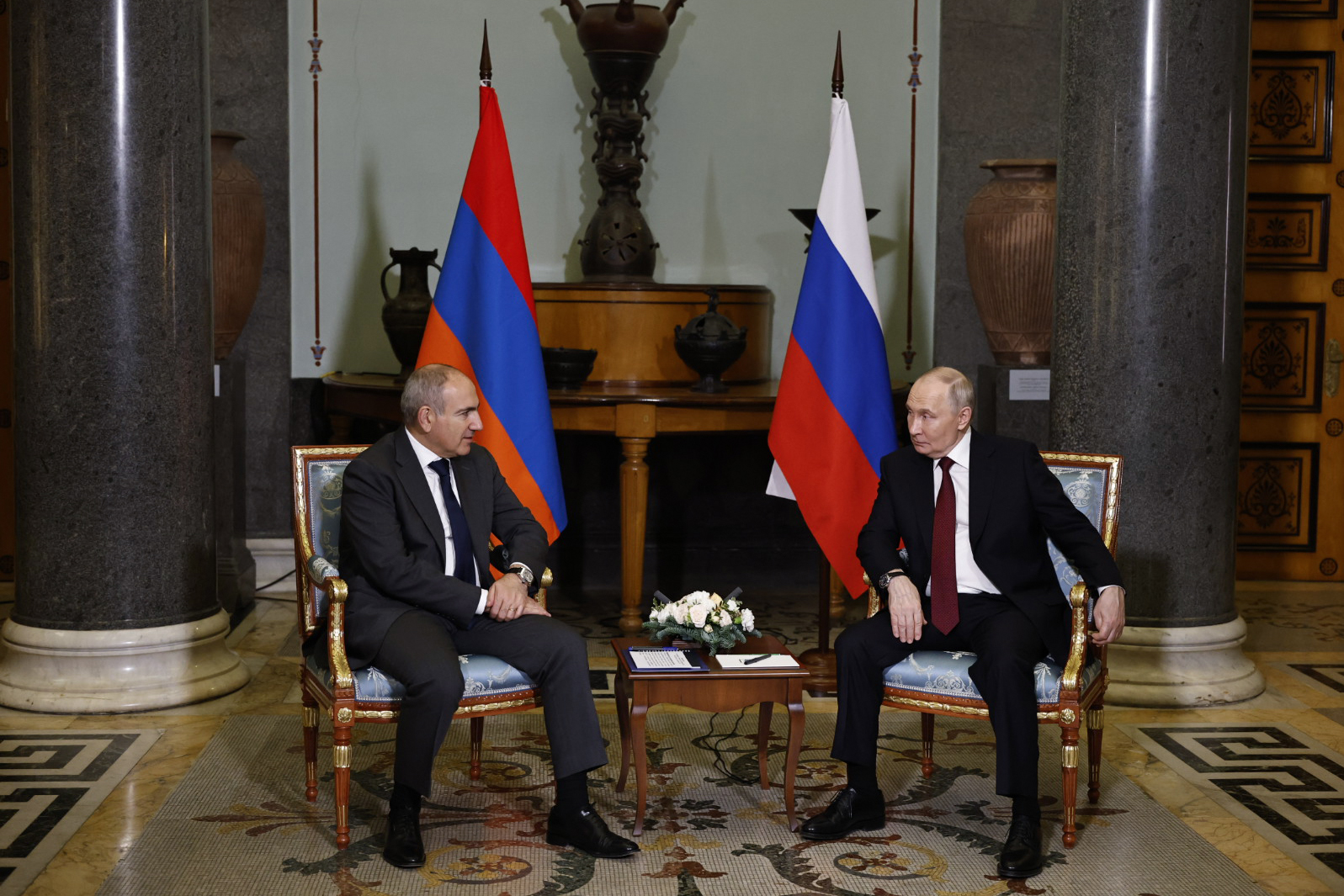
In an interview with RTVI, Russian Deputy Foreign Minister Mikhail Galuzin commented on plans to reopen transport routes in the South Caucasus. He recalled that Armenia, Russia and Azerbaijan had discussed the issue in a trilateral format in 2022 and 2023.
“The discussions and dialogue within the trilateral working group stopped through no fault of our own. It is now extremely difficult to resume them because, as I understand it, Armenia has promised 49% of the authorised capital of the future railway to the American side,” Galuzin said.
Armenia and the United States have signed a framework agreement on strategic cooperation to implement the Trump Route project. Under the agreement, the two countries will establish a joint Armenian-US company. The US side will hold a 74% stake, while the Armenian government will own the remaining 26%. After the initial 49-year term expires, the Armenian government’s share will increase to 49%.
Galuzin expressed scepticism about the prospects for the Trump Route project. Rather than focusing on Russia’s interests, he argued that the initiative could face opposition from Iran and China.
He said that “some experts believe” China was unlikely to accept US control over “a section of the transport and logistics corridor linking Central Asia and Europe”. He also questioned whether Tehran, following the recent US and Israeli military strikes against Iran, “would welcome” an American presence north of its borders.
Armenian officials, however, say they have addressed all of Iran’s concerns. Iran has not issued any recent statements opposing the project’s implementation.
At the same time, Galuzin argued that Russian participation would benefit the project. He cited several reasons why Moscow should be involved:
- Armenia’s rail network is operated by South Caucasus Railway, a subsidiary of Russian Railways;
- transit through Armenia should comply with the regulations of the Eurasian Economic Union (EAEU);
- the Trump Route will pass through an area where Russian border guards serve alongside their Armenian counterparts.
“One way or another, Russia’s position, as well as that of the EAEU, must be taken into account,” he said.
Galuzin also argued that the Trump Route should use Russia’s broad-gauge railway standard to ensure “seamless connectivity” with Azerbaijan.
Yerevan responds to Galuzin on TRIPP