The Copenhagen Protest and Georgian Dream’s New Attack on the European Union






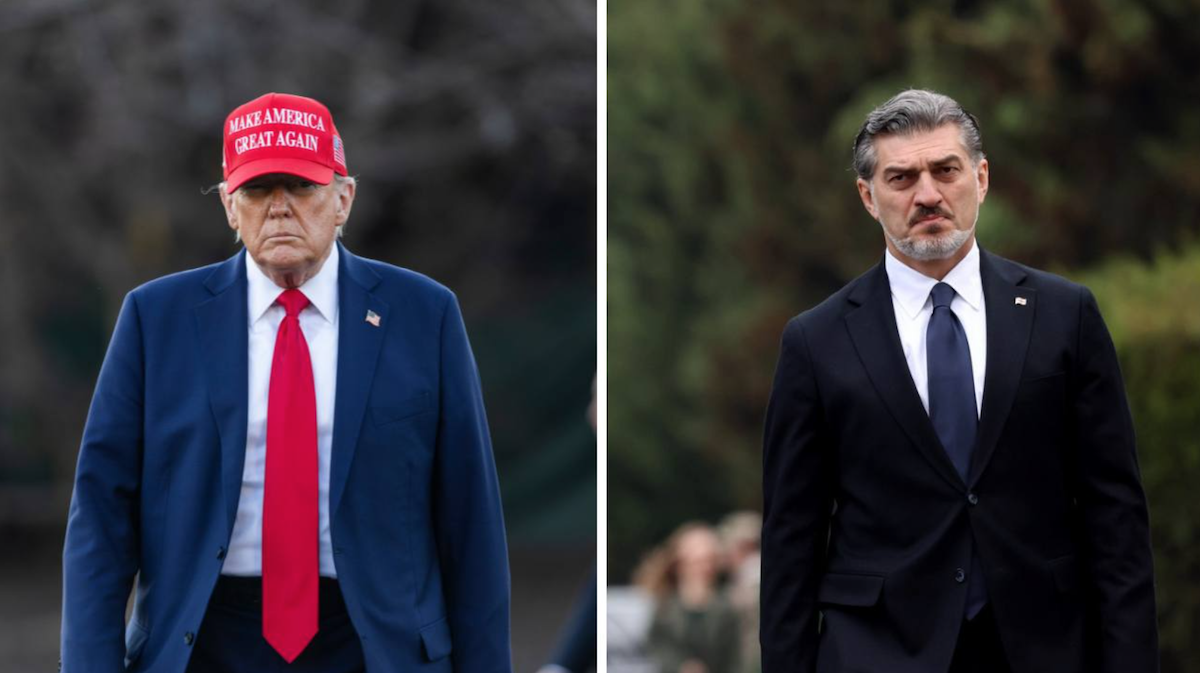
Kobakhidze on Denmark’s democratic backsliding
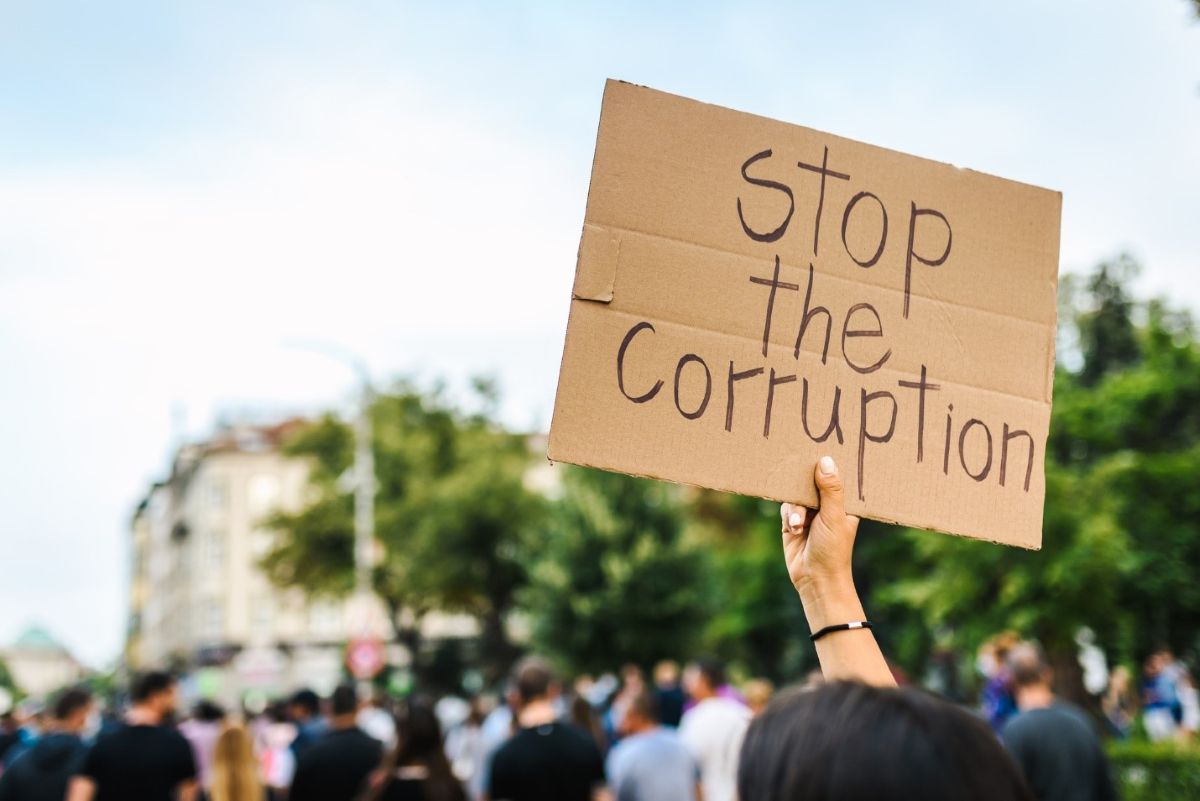
The dispersal of a pro-Palestinian protest in Copenhagen has become the latest tool in the Georgian Dream government’s criticism of the European Union. Georgian officials described the actions of Danish police as “brutal violence” and used the incident as evidence that the EU is abandoning its founding principles. Critics argue that the campaign serves a broader purpose: preparing the public for a future in which Georgia’s European integration is no longer a realistic goal.
What Happened in Copenhagen
On May 13, Copenhagen police used force against pro-Palestinian protesters who were blocking entrances to the offices of the logistics giant Maersk.
The demonstrators accused the company of transporting military-related cargo connected to Israel. The protest involved entering private property and blocking access to the building.
Videos from the scene show police officers striking seated protesters with batons and dragging them away. Police dogs were also deployed. In one widely circulated clip, a dog approaches a protester lying on the ground while barking. However, the available footage does not show dogs biting protesters or causing visible injuries.
This distinction is significant because exaggerated claims spread widely on Georgian social media, including assertions that dogs had “torn flesh from protesters” or even “eaten them.” The available video evidence does not support such claims.
ICopenhagen police told local media that batons were used only briefly after protesters entered private property and refused police orders.
“In specific situations it is not always possible to remove people without force. When that is not possible, physical force may be necessary. But such decisions are always made following a specific assessment of the situation.”
According to Danish media reports, around 20 people were arrested for unlawful entry onto private property and were later released.
How a Danish Incident Became a Political Issue in Tbilisi
The Georgian Dream government presented the Copenhagen events not as an isolated policing incident but as evidence of a broader crisis within the European Union.
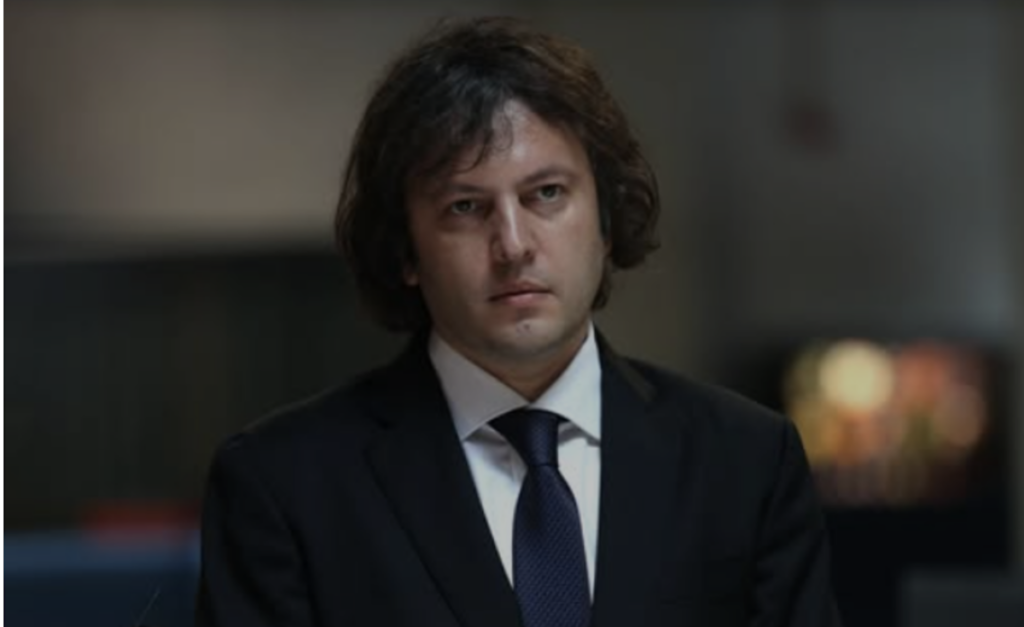
On May 19, Prime Minister Irakli Kobakhidze held a special briefing and read aloud an open letter addressed to European Commission President Ursula von der Leyen, European Council President António Costa, and European Parliament President Roberta Metsola.
Kobakhidze stated:
“What we witnessed in Copenhagen was not an isolated mistake or misconduct by individual officers. It was a planned and brutal action against peaceful demonstrators, one that cannot be justified.”
In his letter, he asked:
“How do you assess the violence that took place in Copenhagen, where participants in a peaceful demonstration were first beaten with batons and then confronted with police dogs?”
No public response has been issued by Brussels.
Tbilisi’s Message: Europe Is Losing Its Values
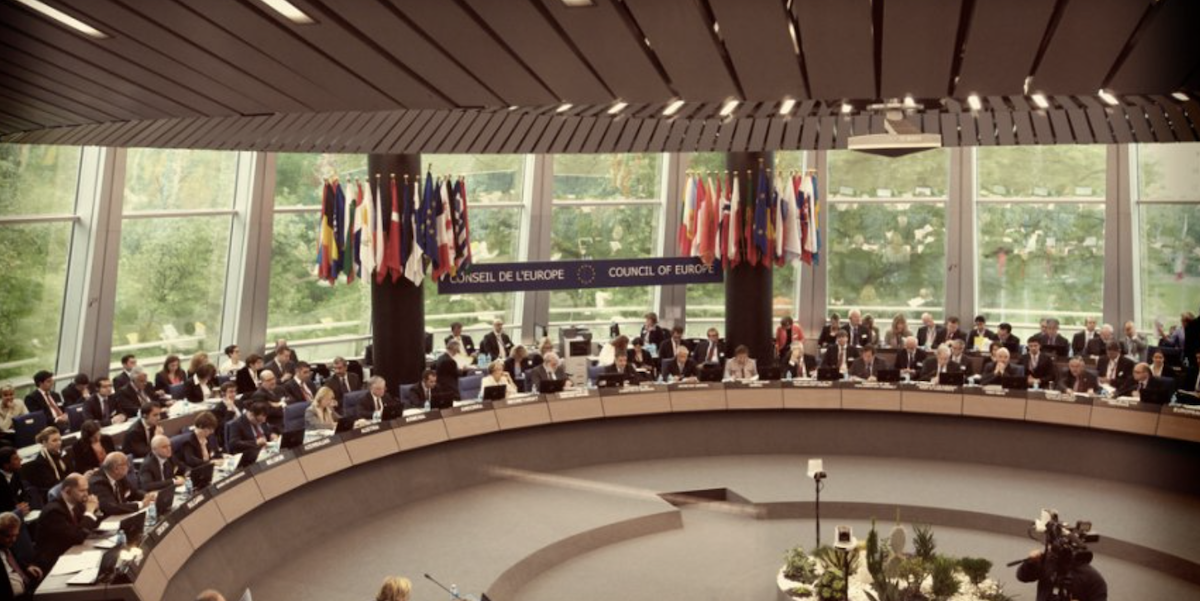
The Copenhagen incident became the basis for a much broader argument advanced by Georgian officials: that the European Union is drifting away from the principles on which it was founded.
The government’s letter portrays the EU as suffering from a profound values crisis, while presenting Georgia as a defender of traditional European principles.
Kobakhidze later stated:
“If the European Union is supposed to be what we saw in Denmark, then what business do we have in such a European Union?”
“No one can expect us to admire a European Union where peaceful protesters are dealt with using dogs.”
The message goes beyond criticism of police conduct. It questions the desirability of EU membership itself.
The Broader Georgian Dream Narrative
Other government representatives quickly echoed the same line.
MP Archil Gorduladze said:
“Joining a European Union governed by such a bureaucracy is simply unimaginable for us.”
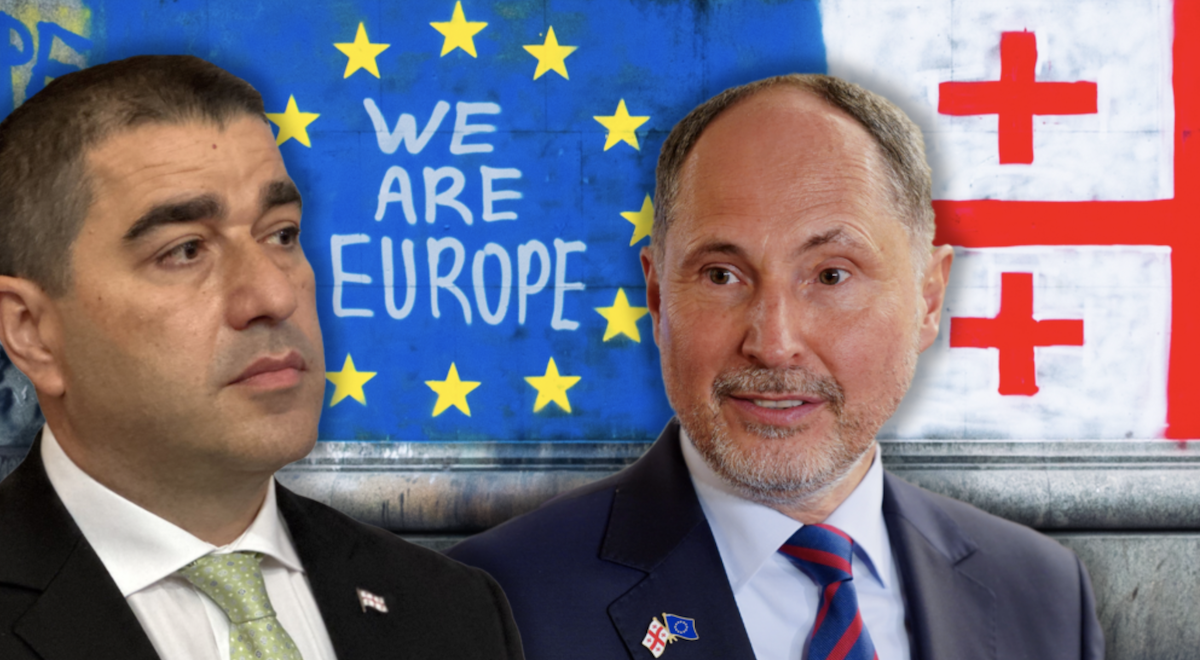
Parliament Speaker Shalva Papuashvili argued:
“We do not see Georgia participating in a European Union that is European only in name.”
He later added:
“A European Union stripped of European values is no longer the European Union. It is merely a union of states, much like the Soviet Union once was.”
Such comparisons have become increasingly common in Georgian Dream rhetoric, which often portrays EU institutions as bureaucratic and hostile to national sovereignty.
How Denmark Investigates Police Conduct
Government officials suggested that Danish authorities would not investigate the police operation. However, that claim omits an important detail.
In Denmark, complaints against police officers are not investigated by the police themselves. They are handled by an independent body known as DUP, the Independent Police Complaints Authority.
Created in 2012, DUP investigates allegations of excessive force, discrimination, misconduct, and possible criminal offenses by police officers.
The question is therefore not simply whether force was used, but whether independent mechanisms exist to review such cases. In Denmark, they do.
How Critics View the Campaign
Georgian analysts and opposition politicians see several political objectives behind the government’s messaging.
Giorgi Muchaidze, Executive Director of the Atlantic Council of Georgia, argues that officials are preparing society for a future without EU integration.
“They are trying to accustom Georgian society to the idea that integration will not happen and that the blame should be placed on European bureaucrats, EU leaders, members of the European Parliament, and the so-called deep state.”
Former MP Teona Akubardia believes the campaign serves both to distract attention from the government’s own record on protests and to strengthen anti-Western sentiment.
“Their manipulation has several layers. On the one hand, it helps cover up the methods they themselves used against protesters since November 2024. On the other, it promotes the idea that they do not want ‘such a European Union.’”
Why Russian Media Amplified the Story
Statements by Georgian officials were widely circulated by Russian state and pro-Kremlin media outlets.
Russian coverage highlighted Kobakhidze’s criticism of Europe’s alleged “values crisis,” “double standards,” and democratic decline.
This aligns closely with one of the central themes of Russian state propaganda, which has long portrayed the West as a region in moral, political, and institutional decline.
Against that backdrop, criticism of the EU coming from the government of an EU candidate country provides particularly useful material for the Kremlin’s narrative.
Commentaries
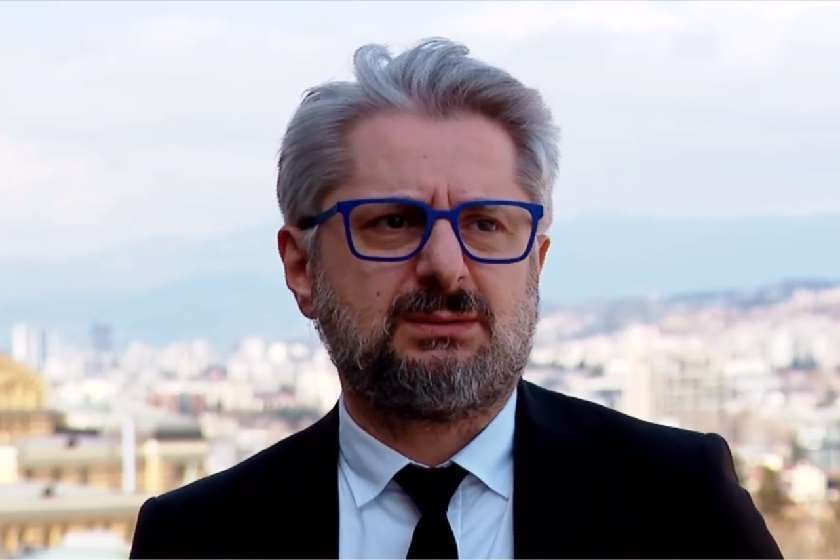
Nika Gvaramia of the opposition party Ahali said:
“It is obvious that everything Kobakhidze said is madness. But it is not simply another empty outburst — although Kobakhidze has already produced plenty of those. No, this is madness carrying dangerous signals:
‘There will be no dialogue with this government’ — this is reportedly the message supporters of Georgian Dream received from Brussels, and they now seem to be waiting for it to be stated openly and publicly. This, in his view, explains the absurd claim that von der Leyen is not a legitimate interlocutor and that the European Union should somehow be viewed separately from her. In short, Kobakhidze’s letter is aimed primarily at a domestic audience, preparing society for yet another defeat.
Part of preparing society for defeat involves messages aimed at deeply conservative groups: ‘They reject us, but we do not need such a Europe either.’ References to ‘the weakening of gender identity’, ‘migration’, ‘the erosion of historical memory’ and the broader narrative that the West has declined while we remain the guardians of Europe’s true values.
An attempt to create a false parallel — the idea that ‘they do the same things’: if we use violence, they use violence too. The question is whether this applies only to past violence, ongoing arrests and political prisoners, or whether new violent crackdowns and politically motivated prison sentences are being planned. We will see soon enough.
A ‘symmetrical’ response to Denmark with an element of the personal: these remarks followed sharp criticism of the Georgian authorities from Danish officials, including the minister for European affairs. We also recall that Kobakhidze himself attended the European Political Community summit in Denmark last year. However, Denmark’s foreign ministry made clear at the time that participation in that format did not alter the EU’s official critical stance on repression in Georgia and the suspension of the country’s EU integration process — putting the Georgian Dream government in an uncomfortable position, and Kobakhidze personally in an especially awkward one.
To sum up: any reasonable person will see Kobakhidze’s open letter as madness deserving only ridicule. But unfortunately, madness is only the form — the substance is a very serious threat: Georgia remains outside Europe.’”
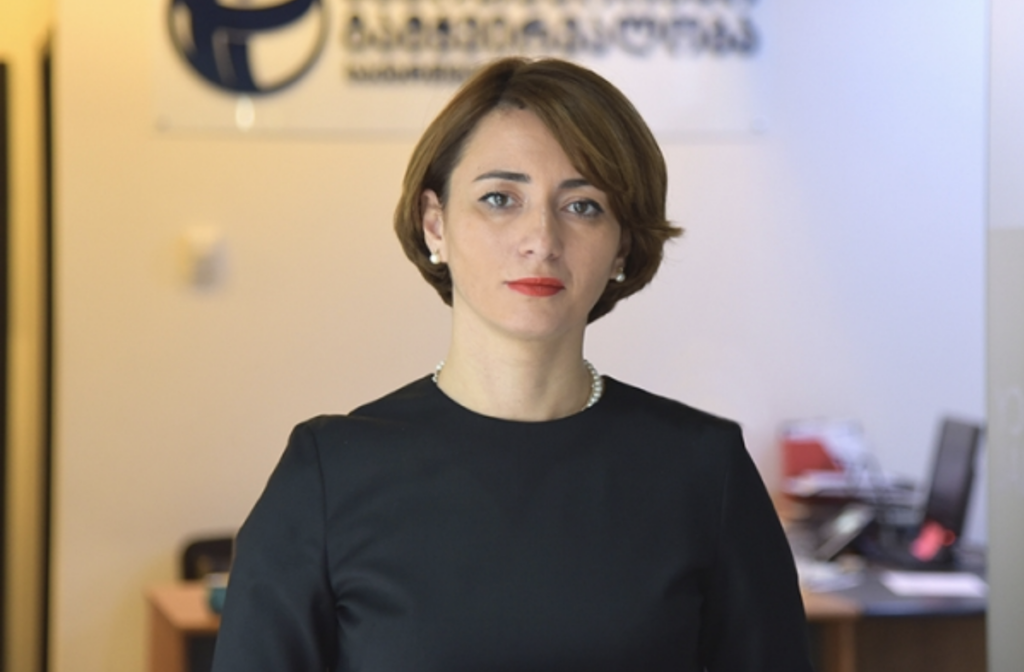
Eka Gigauri, executive director of Transparency International Georgia, said:
“What Kobakhidze did with today’s briefing:
- He created a specific agenda. At a time when many critical issues are dominating public discussion, he shifted public attention in a direction beneficial to himself.
- He once again reminded the public of his main message: that the European Union has turned against Georgia, while democracy in Georgia is supposedly flourishing — everything and everyone is protected, people are living better than ever, and only Europe is looking for reasons to criticise because it refuses to recognise this ‘huge success’.
- He once again repeated the Russian propaganda narrative that Europe is collapsing — there is instability, people are being beaten and arrested, and the economy is struggling. Previously, Germany and Sweden were supposedly ‘under threat’; now Denmark has been added to the list.
In short, the message is simple: ‘Think about what you prefer — Georgian stability or European poverty and instability.’
- He reinforced his own importance by writing a letter to the leaders of European institutions. Although he knows perfectly well that in Europe no one is really interested in his letter — it may not even be read, or at most end up on the desk of some mid-level official.
People in Europe understand perfectly well that whether it is Kobakhidze or someone with another surname, these people merely carry out decisions. In reality, even Bidzina Ivanishvili cannot decide many issues without coordination with Russia. And the fact that his ‘puppets’ shake hands with officials does not mean people fail to understand who really holds influence.
In short, if anyone thinks this was just another routine briefing, it was not. They have several core messages:
- Europe itself abandoned Georgia;
- Think carefully about whether we need such an ‘unstable and immoral’ Europe;
- We stand together with the Patriarchate, we have a conservative agenda and we protect Georgian traditions. There is order in our country.
All of this is clearly reflected in what they say and how frequently they repeat it. It does not matter that they are lying or that there is nothing genuinely Georgian in their actions. Their messaging is consistent, creating the impression that everything they say is true. This is done so their supporters hear it and their loyalty remains intact.”
Kobakhidze on Denmark’s democratic backsliding