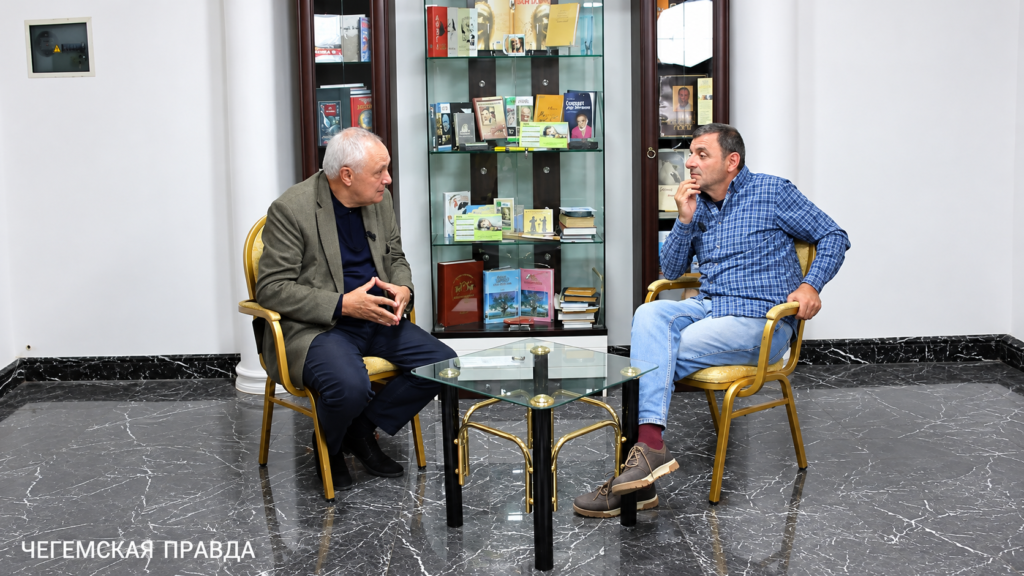
Abkhazia parliament refuses to hand over opposition MP Kan Kvarchia to prosecutors






The latest session of Abkhazia’s parliament ended with a significant development: lawmakers refused to strip their colleague, opposition MP Kan Kvarchia, of parliamentary immunity, as requested by the prosecutor general’s office.
The decision, taken after heated discussions in the parliament, was seen not only as an act of solidarity but also as a sharp assessment of the work of investigative bodies and their stance on protecting national interests.
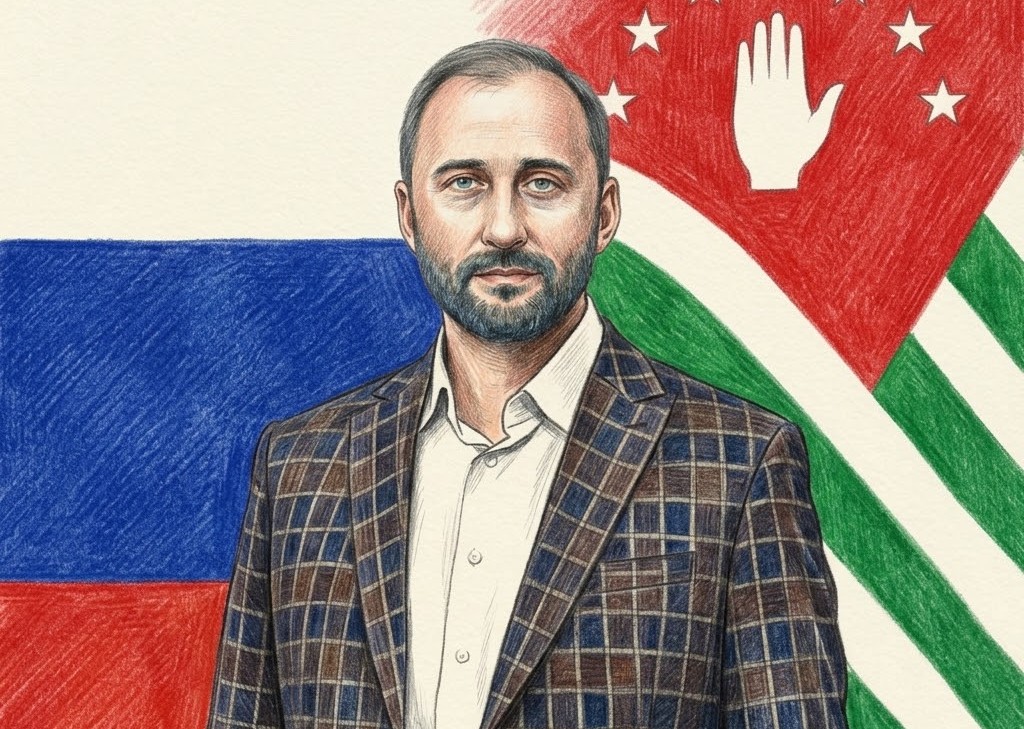
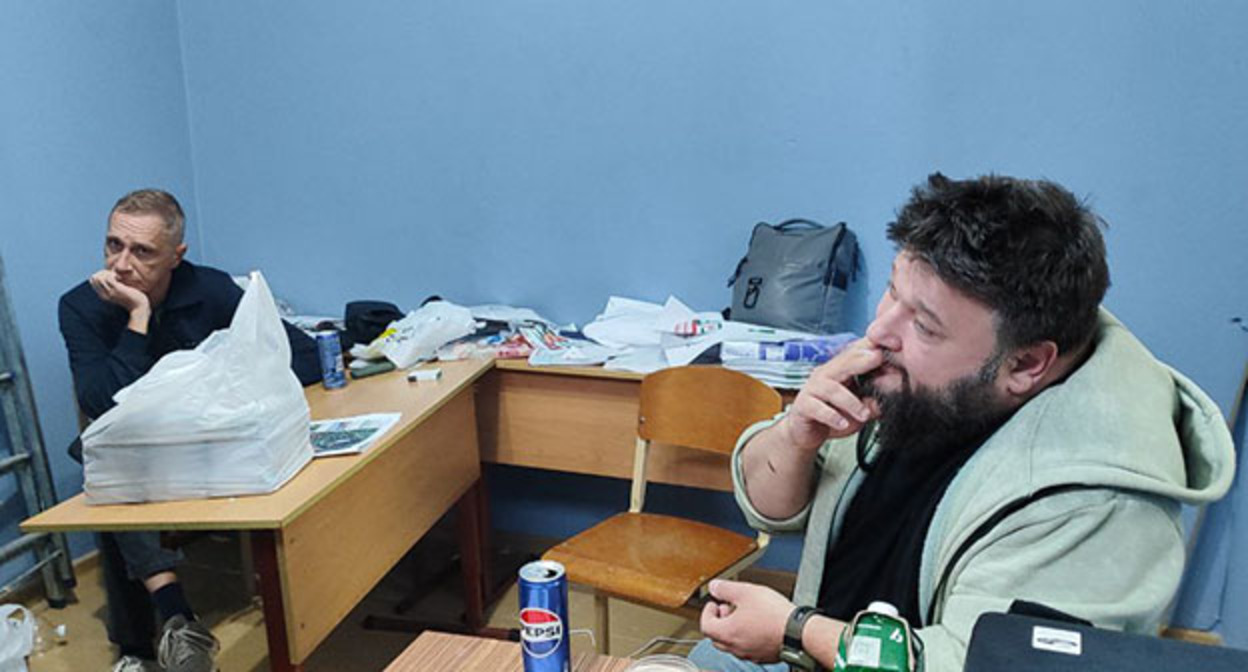
The case centres on a scandal involving Russian political consultants who were allegedly working illegally for pro-government candidates during municipal elections in Abkhazia in November 2025.
Kan Kvarchia, along with several other opposition activists, exposed the consultants’ activities. The consultants, in turn, filed a complaint with Russia’s Investigative Committee, which opened a criminal case against the Abkhaz opposition figures on charges of robbery.
Abkhaz law enforcement authorities subsequently launched a parallel case. Four opposition activists have been placed under house arrest, while two others have been banned from leaving the republic.
No action could be taken against Mr Kvarchia, however, as he is protected by parliamentary immunity — which prosecutors had sought to remove.
The prosecutor general’s office based its request to parliament on an accusation under Article 113 of the criminal code (“threat of murder”), which it intended to bring against Mr Kvarchia.
Addressing an expanded session of the parliamentary committee on state and legal policy, Prosecutor General Adgur Agrba relied on testimony from the Russian political consultants. However, during the meeting, chaired by committee head Daut Khutaba, it emerged that many lawmakers had serious concerns about the strength of the evidence.
MPs pointed to apparent inconsistencies in the case. For example, it referred to a “prolonged and severe beating”, while a forensic medical examination recorded only minor abrasions that did not pose a threat to life. Claims that a firearm had been used were also not substantiated. When asked directly about the condition of the alleged victims, Mr Agrba acknowledged he had not seen them personally, and that no face-to-face confrontations had taken place — with questioning conducted remotely via Russian authorities.
“We have no grounds not to believe them,” Mr Agrba said, responding to lawmakers’ doubts about the credibility of the consultants’ testimony.
MPs Beia and Dmitry Marshan questioned on what grounds foreign nationals had been collecting the personal data of Abkhaz voters, and who had financed their activities. It emerged that prosecutors had been unable to identify those behind the operation, citing a “lack of sufficient data”.
MP Beia expressed frustration at what he described as the investigation’s passivity.
“Who are these people? Are they foreign agents? Could they be linked to Georgia? Where did they get such funds, and what were they trying to achieve?” he asked, posing a series of questions to which the prosecutor had no answers.
Mr Kvarchia himself built his defence on accusations of negligence against the authorities. He said that long before the incident he had formally warned the state security service, the prosecutor’s office and the president about the illegal activities of foreign nationals in district election commissions, but received no response.
“These people came, behaved as they pleased, and were issued all the necessary documents. Why did the prosecutor believe these opportunists and not me? Why did he not believe the testimony of a patriot and war veteran?” Mr Kvarchia said.
He also stressed that it was he who had called law enforcement officers after discovering Abkhaz citizens’ personal data in the consultants’ office. In his view, the real injured party in the case was Abkhaz society, whose interests, he said, had not been protected by the government.
At the final parliamentary session, only three MPs voted in favour of stripping Mr Kvarchia of his immunity, while four abstained. Twenty-three voted against.
The outcome effectively signalled that lawmakers considered the protection of citizens’ interests and the prevention of unlawful foreign influence in the republic to be more important than pursuing a criminal case based on questionable testimony.
The terminology, place names and views expressed in this article are those of the author and do not necessarily reflect the editorial position of this website.
Resolution of the Kan Kvarchia case in Abkhazia