Russia’s occupation, disinformation and 'Western campaigns' — new report by Georgia's State Security Service






Threats to Georgia’s national security
State Security Service of Georgia presented its 2025 report to parliament, identifying organised disinformation campaigns as one of the main challenges.
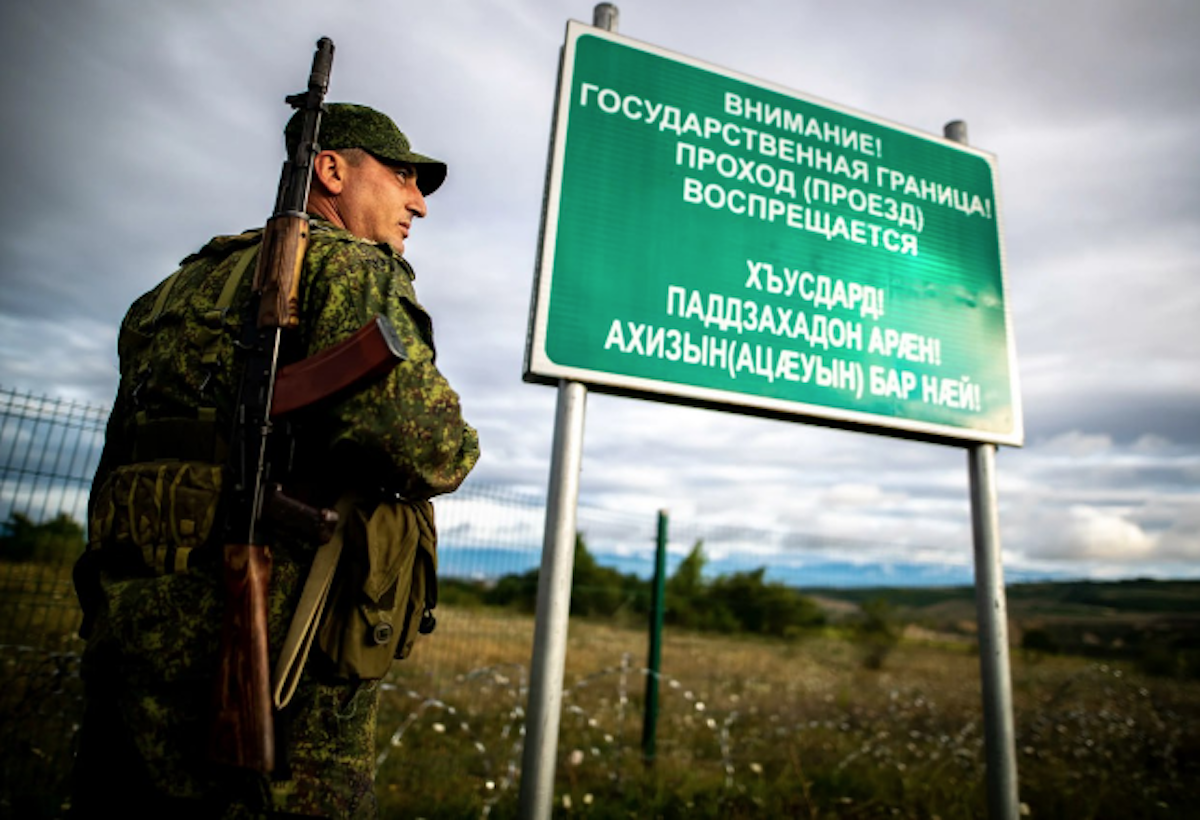
The report names the ongoing occupation by Russia of Abkhazia and the Tskhinvali region (recognised by Russia as South Ossetia) as the country’s primary national security threat.

Key findings of the report:
● The ongoing Russian occupation of Abkhazia and the Tskhinvali region is identified by Georgia’s State Security Service as the primary threat.
The current situation in these territories is described as a tool of pressure on Georgia and a potential pathway towards annexation. The report also highlights discrimination against ethnic Georgians in both regions, as well as the use of education systems as instruments of influence.
“In 2025, dozens of cases of ‘borderisation’ were recorded — fences and barbed wire continue to be installed along the dividing lines. Over the year, 34 Georgian citizens were detained in the Tskhinvali region and another 40 in Abkhazia. By the end of 2025, 15 individuals remained in custody, some serving long sentences,” the document states.
The report stresses that unlawful detentions continue to be used as a mechanism of pressure on the Georgian authorities amid serious human rights violations.
● The report also claims that information campaigns originating from Western countries and institutions may involve “double standards” and contribute to growing nihilism towards state institutions among certain groups.
This section is framed as part of a broader global information confrontation.
● State Security Service notes the activity of “disinformation and propaganda campaigns” both domestically and targeting audiences abroad.
According to the report, these campaigns are aimed at deepening societal polarisation and damaging the country’s image as a state with democratic and Western values. It adds that such processes have contributed to declining trust in state institutions and rising public discontent.
● The report places particular emphasis on the target audiences of these information campaigns.
Young people, as well as populations in regions inhabited by ethnic and religious minorities, are identified by the SSSG as key targets. The report states that narratives aimed at these groups may contribute to increased social tensions.
● The report also notes that in some cases politically motivated narratives were driven by both domestic and external actors.
According to the State Security Service, these actors seek to influence public opinion and may contribute to attempts to undermine the constitutional order and damage Georgia’s relations with its strategic partners.
● The State Security Service says it has identified organisations, their leaders and individual actors with links to senior officials and intelligence services operating abroad.
According to the report, within the framework of the so-called information war, there were also attempts to incite conflict and nationalist sentiment in various regions of Georgia.
● The report places particular emphasis on the role of artificial intelligence.
In the SSSG’s view, technological progress — especially the development of AI — increases the likelihood of large-scale disinformation and manipulation campaigns, including the risk of fuelling ethnic and religious tensions, as well as political and socio-economic crises.
The State Security Service added that it is developing its own capabilities and studying international practice to counter these challenges.