Georgia expels Azerbaijani opposition journalist: timeline and questions over Afgan Sadygov’s case






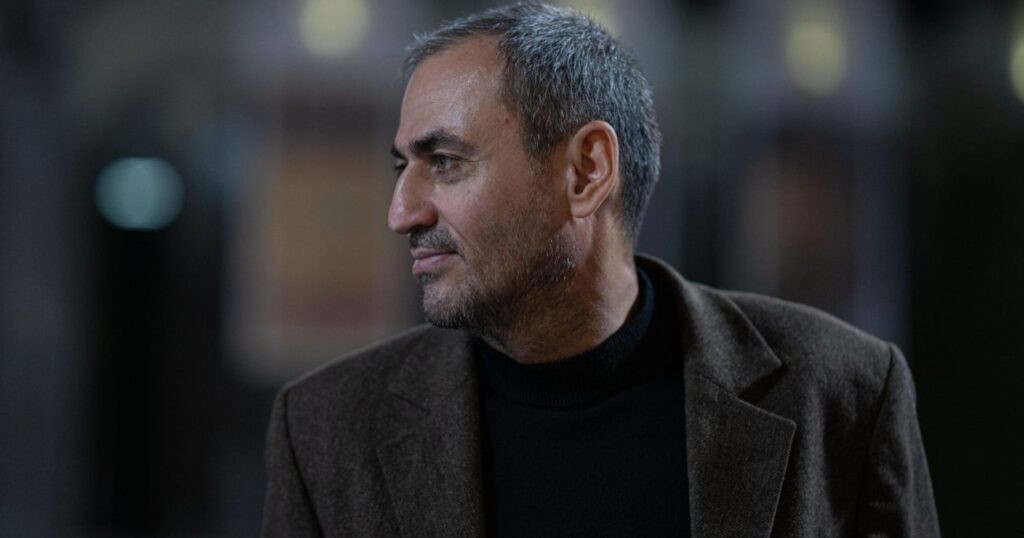
On the night of 4 April, Azerbaijani journalist Afgan Sadygov was detained at his home in Tbilisi. A court hearing was held the same night, at which a judge ordered his expulsion from Georgia.
The decision was carried out immediately. Within hours, the journalist — a critic of Ilham Aliyev’s government who has faced persecution in Azerbaijan — was already in Baku. Officially, his expulsion was linked to insulting a police officer on social media, but the speed of the process and the broader context raise doubts about this explanation.
Azerbaijan had been seeking Sadygov’s extradition for nearly two years. His lawyers described the move as dangerous and appealed Georgian court decisions to extradite him to the European Court of Human Rights (ECHR), which temporarily suspended the process.
A notable detail is that on 6 April — the day after Sadygov’s expulsion — Ilham Aliyev is due to visit Tbilisi on an official trip.
____________________________________
Timeline of events
Afgan Sadygov was detained on the night of 4 April, at around 23:00. According to his lawyers, police entered the apartment with the help of emergency services. Surveillance camera footage was partially deleted, and the moment of the detention itself was not recorded.
The Interior Ministry later said the journalist had been detained on administrative charges under Article 173 of Georgia’s Code of Administrative Offences, which covers insulting a police officer and can result in a fine or up to 60 days in detention. The ministry did not clarify when or in what form the alleged insult took place.

Later that same night, an urgent hearing was scheduled at Tbilisi City Court. The judge delivered the ruling at dawn, at around 04:00. Sadygov was fined 2,000 lari ($733) and ordered to leave the country. He was also banned from re-entering Georgia for three years.
Within hours, the decision was enforced — the journalist was expelled to Azerbaijan.
Grounds for deportation — the Interior Ministry’s version
Officially, the case against Sadygov was based on a social media post published on 1 April, in which he criticised police in authoritarian systems.
“Where there is dictatorship, police officers are ready to sell everything and trample on anyone for the sake of a salary and shoulder boards — and they do so with pleasure, wholeheartedly and with pride,” Sadygov wrote, accompanying the post with videos that included footage of Georgian police officers.
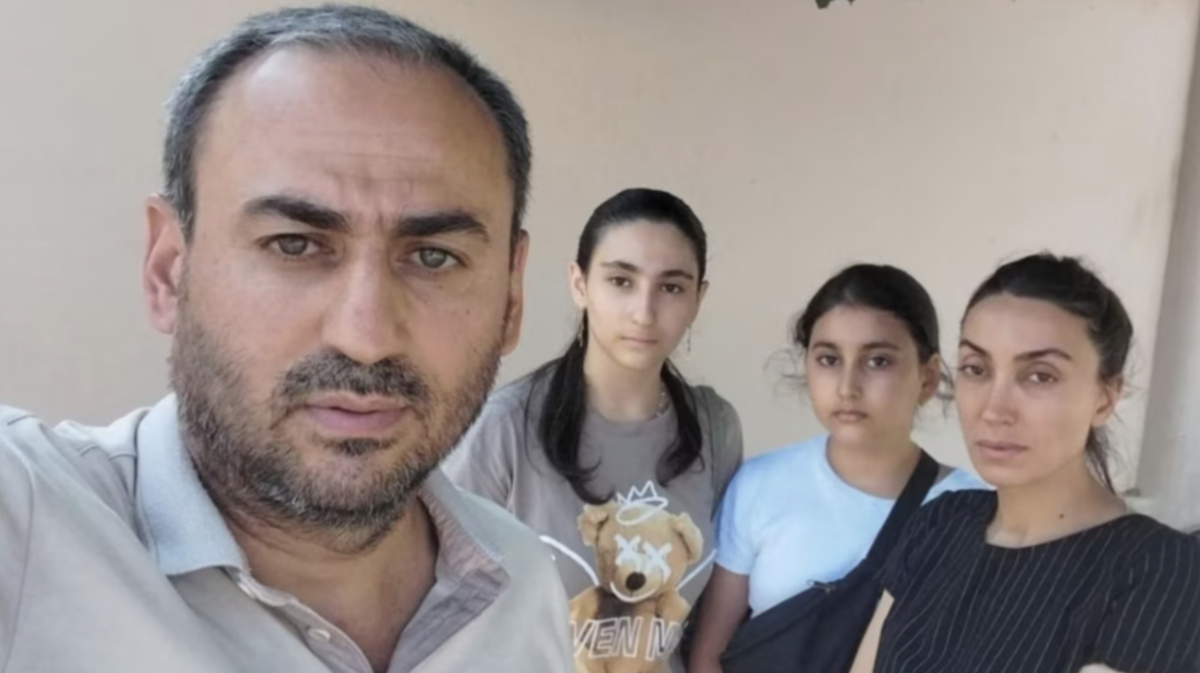
The journalist himself says the case against him is politically motivated persecution.
His lawyer, Tamta Mikeladze, believes the events were pre-planned and coordinated between the Georgian and Azerbaijani authorities, pointing to their rapid and sequential development:
On 1 April, Azerbaijan unexpectedly dropped a previously opened criminal case against Sadygov and informed Georgia;
On 2 April, this information was communicated to Sadygov;
On 3 April, a court lifted his bail and travel restrictions;
On 4 April, Sadygov was detained and, within hours, expelled to Azerbaijan.
Following his expulsion, the Georgian side has pointed specifically to the fact that criminal proceedings against him in Azerbaijan had been discontinued. The Interior Ministry has emphasised this, stating that human rights are fully protected in Georgia.
The ministry has also denied reports that force was used during the detention.
In addition, it highlighted that Sadygov had previously been held accountable for administrative offences, including blocking a road during protests.
Context: why Sadygov was in Georgia
Afgan Sadygov moved to Georgia with his family in December 2023 and had been living in Tbilisi since then. He left Azerbaijan amid a broader crackdown on journalists. Azerbaijan had been seeking his extradition for nearly two years.
Sadygov, who headed the news portal Azel.TV, was first detained in Azerbaijan in May 2020 on charges of extortion. On 3 November 2020, a court sentenced him to seven years in prison.
The appeals court later reduced the sentence to six years, and the Supreme Court further cut it to four.
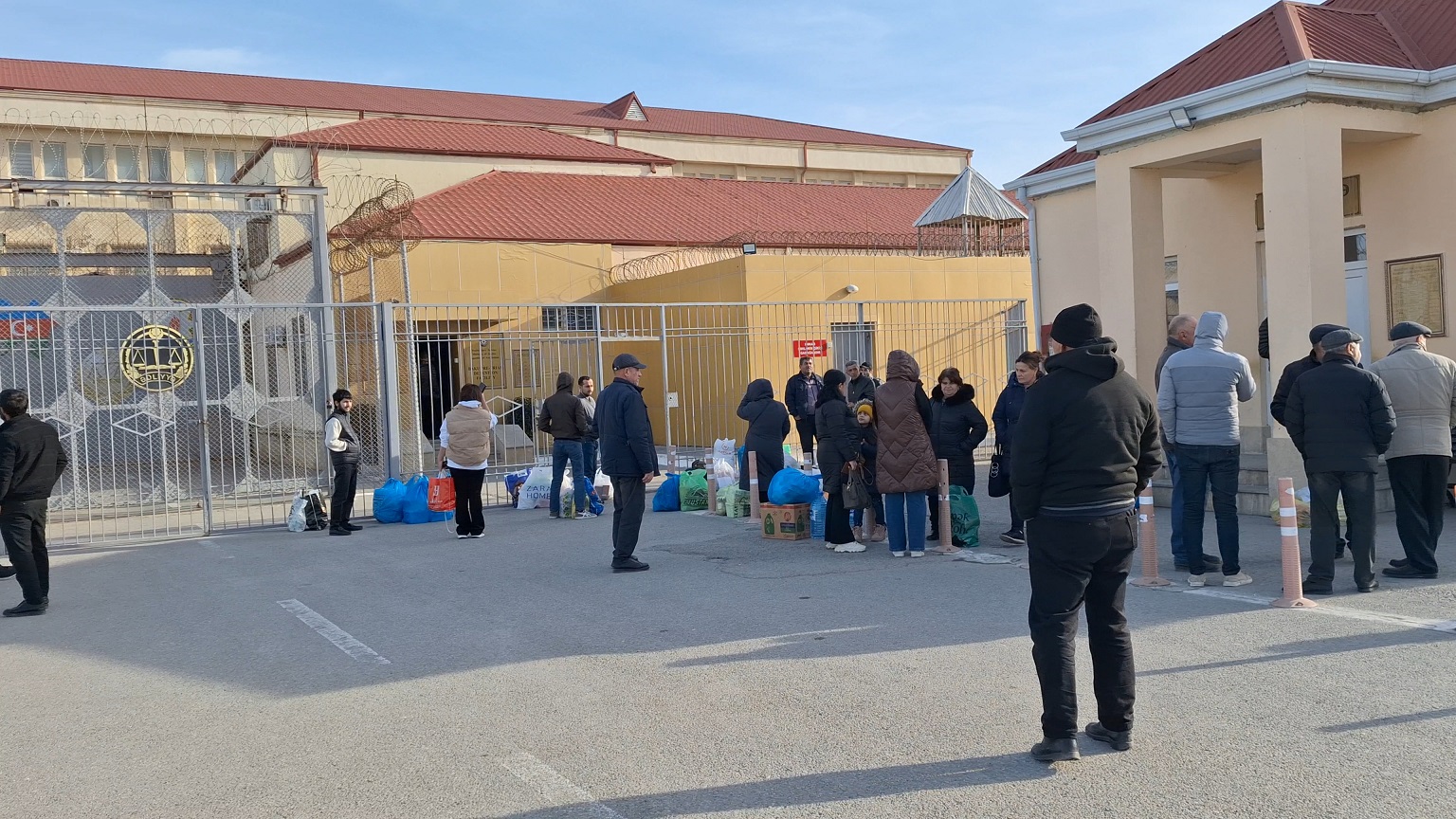
In 2024, he was detained in Georgia and placed in pre-extradition custody. While in detention, he went on a hunger strike for 141 days in protest, demanding that he not be extradited to Azerbaijan.
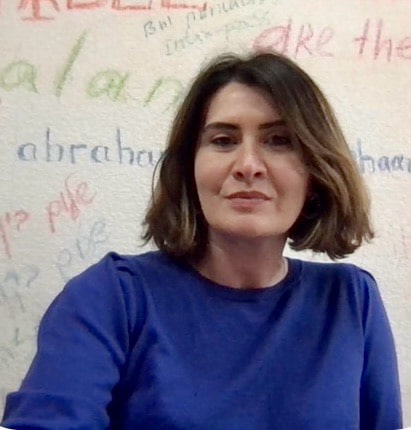
Sadygov’s lawyers appealed to the European Court of Human Rights (ECHR) in Strasbourg, requesting that his extradition be suspended. The court granted the request.
It was against this backdrop that, on 1 April, Azerbaijan unexpectedly dropped the criminal case against Sadygov — effectively removing the formal grounds on which his extradition had been sought.
During his time in Tbilisi, Afgan Sadygov regularly took part in protests. He publicly expressed solidarity with the pro-European movement and actively supported Georgia’s democratic and European path, which frequently brought him to the attention of law enforcement.
Aliyev factor
Shortly after Sadygov’s expulsion, Azerbaijan’s President Ilham Aliyev is expected to visit Georgia. Against this backdrop, the case has taken on an even more pronounced political dimension.

Ilham Aliyev last visited Georgia in October 2023. He did not meet then-President Salome Zourabichvili, who at the time had strained relations with the ruling Georgian Dream party, and instead held talks only with Prime Minister Irakli Garibashvili — who is now in prison on corruption charges — and other government officials.
In recent months, Georgian officials have made frequent visits to Baku and met with Aliyev. Azerbaijan is one of the few countries Georgian authorities have visited following the 2024 parliamentary elections. The fairness of those elections — and, consequently, the legitimacy of the Georgian Dream government at the international level — has been called into question.
In the context of Sadygov’s case, another detail has drawn attention: on 4 April, Emin Agalarov — a businessman close to Ilham Aliyev and his former son-in-law — was in Tbilisi. He was met at the airport by Bera Ivanishvili, the son of Bidzina Ivanishvili, founder of the ruling Georgian Dream party.
According to human rights groups, this creates a backdrop in which the swift expulsion of Sadygov does not appear to be a purely legal decision.
What is happening now
According to his lawyer, Afgan Sadygov is now in Baku. After questioning, he was released and is currently staying with relatives.
However, his future remains uncertain. Human rights defenders do not rule out that new charges could be brought against him and that a new criminal case may be opened in the near future. The journalist’s wife says his life is at risk in Azerbaijan.
Political reaction
Sadygov’s expulsion from Georgia has drawn strong political reactions. Opposition parties and former president Salome Zourabichvili say the decision concerns not only the rights of one individual, but also raises questions about Georgia’s compliance with its international obligations.
In a post on X, Salome Zourabichvili said that the “Ivanishvili regime is rejecting international law and human rights”, describing the situation as a dangerous signal for Georgia’s democratic trajectory.
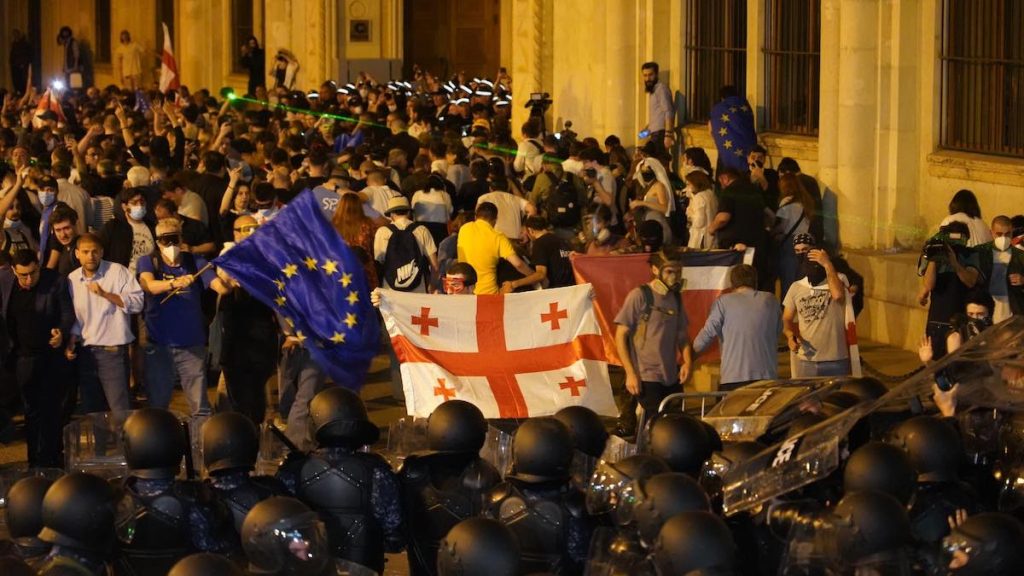
An alliance of nine Georgian opposition parties has also said Sadygov’s expulsion was politically motivated and linked to his critical stance towards the Georgian authorities. In a statement, they said the move amounted to “a personal act of revenge by the regime for Sadygov’s criticism of Ivanishvili”.
The opposition also stressed that the decision calls into question the country’s commitment to human rights, freedom of speech and international law.
Political observers say the Sadygov case should be viewed from several angles at once. It is a test of how effectively international law functions — or whether it can be bypassed through procedural manoeuvres. It also serves as an important signal of how closely coordinated authoritarian systems in the region may be.
Afgan Sadygov expelled from Georgia