

Author of 'Moscow Mechanism' report: political prisoners in Georgia should be released






“Moscow Mechanism” and Georgia
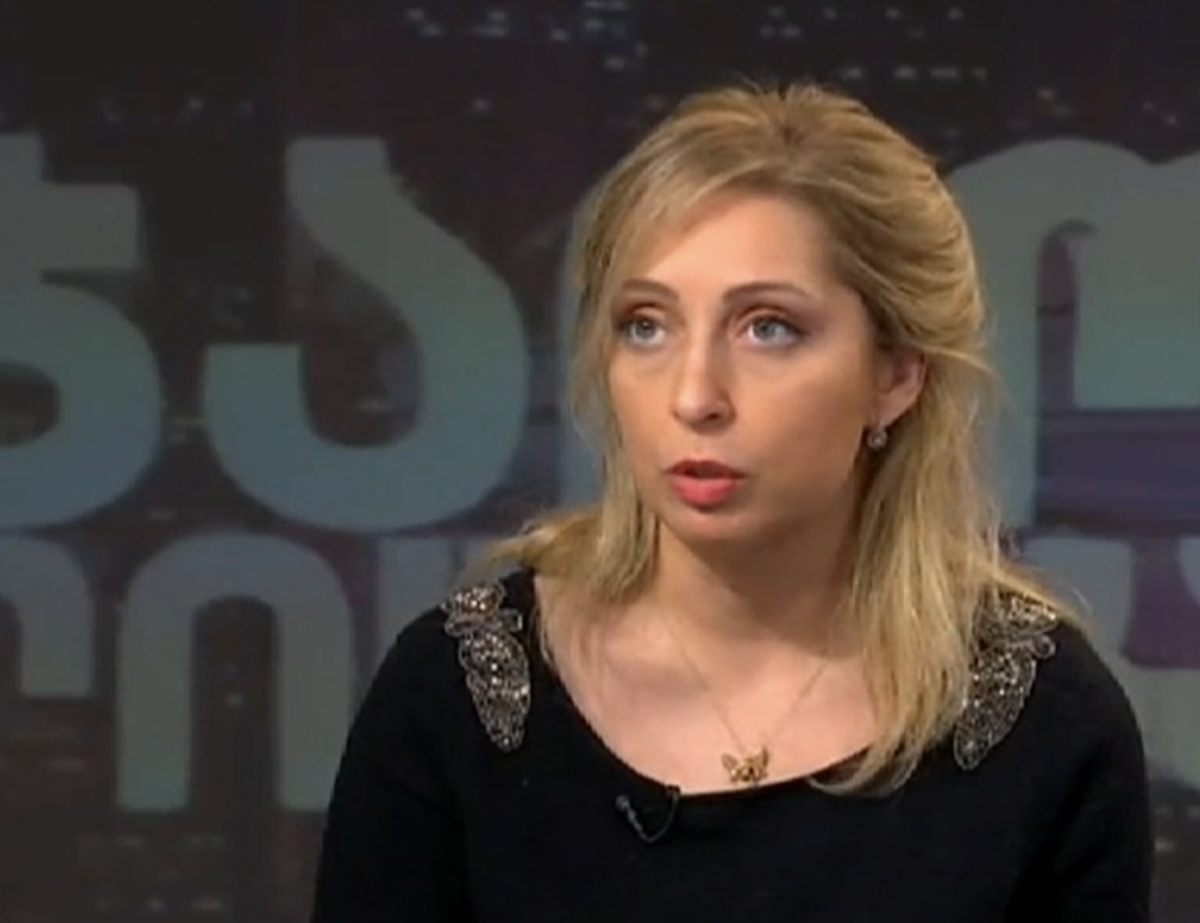
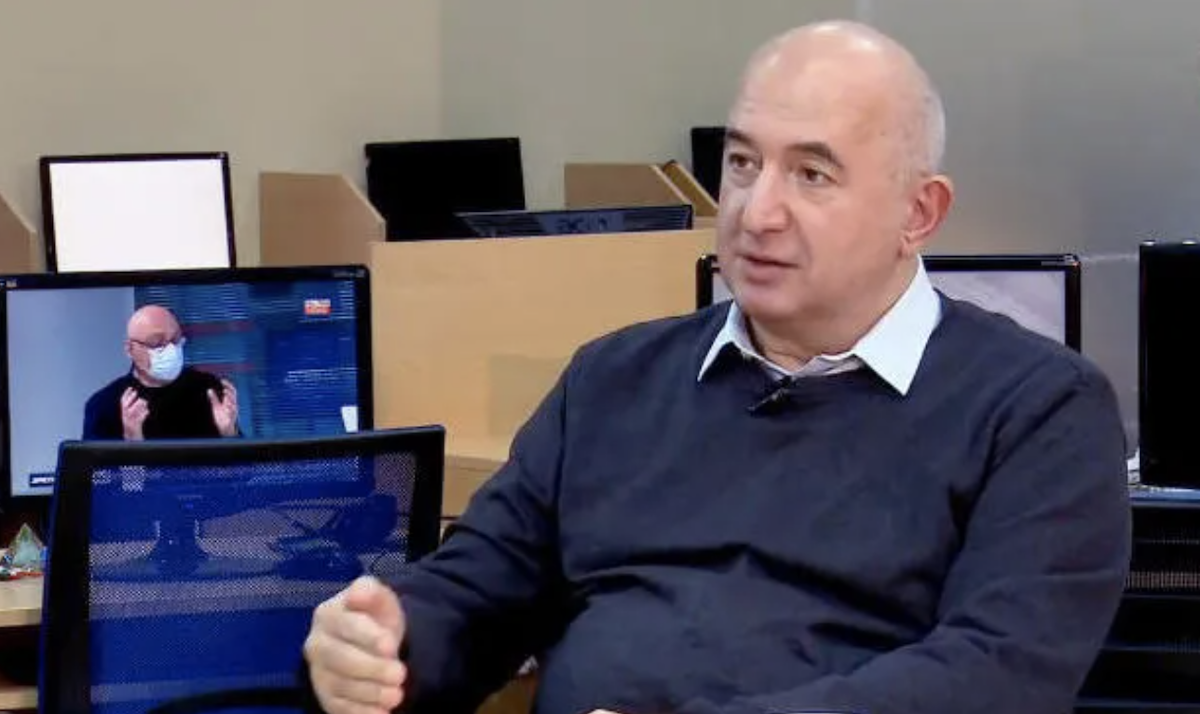
Patrycja Grzebyk, author of the Georgia report prepared under the OSCE’s “Moscow Mechanism”, has given an interview to the Georgian TV channel Formula.
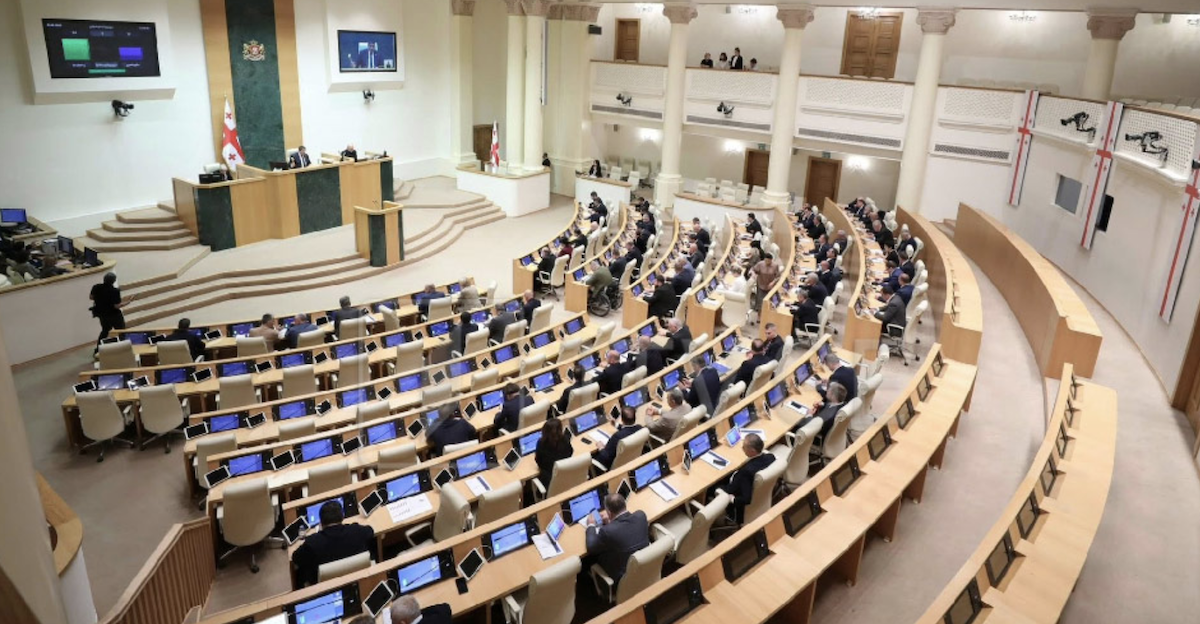
Grzebyk called on the ruling Georgian Dream party to repeal what she described as repressive laws and to release those detained on political grounds “immediately and unconditionally”.
She also noted that the “Moscow Mechanism” report examines possible international legal responses, including the potential role of the International Criminal Court.
Systematic violence

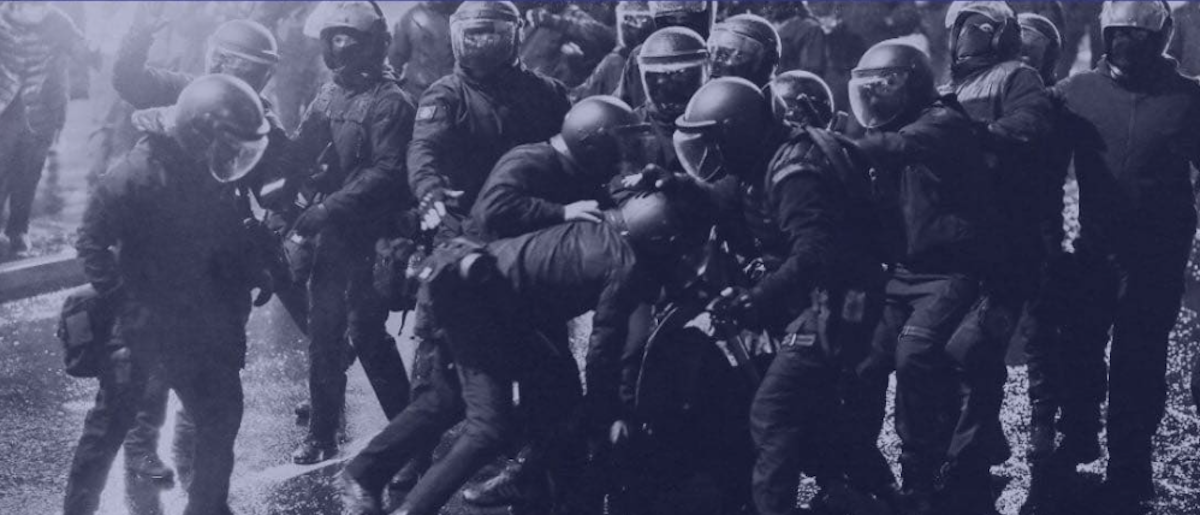
According to Grzebyk, the report identifies a clear pattern: violence against protesters, journalists, and opposition figures is not a series of isolated incidents, but a recurring practice.
She added that an analysis of documents, witness testimonies, and interviews confirmed that some victims showed signs consistent with ill-treatment and torture. In her view, this is particularly concerning, as the scale of abuse goes beyond individual cases and points to a systemic problem.
Repressive laws and restrictions on rights
The report also places particular emphasis on legislative changes adopted in recent years. According to Grzebyk, these measures significantly restrict the rights to freedom of assembly, expression, and association, while also infringing on the right to privacy.
She highlighted in particular the expansion of “foreign agents” legislation, which she said creates conditions for shrinking civic space and makes critics of the authorities more vulnerable to persecution.
The expert also referred to the coordinated use of criminal prosecution against opposition figures under both criminal and constitutional law. She added that the lack of accountability for acts of violence reinforces a culture of impunity.
Fair trial concerns
Grzebyk said her discussions with lawyers revealed systemic shortcomings in judicial proceedings: both ordinary protesters and opposition leaders are denied fundamental guarantees of a fair trial.
In her view, this points to a broader trend — the erosion of democratic standards and a weakening of political pluralism.
Journalists as a target
The report also highlights the difficult situation faced by representatives of Georgia’s independent media. According to Grzebyk, attacks on journalists during demonstrations were often carried out specifically because of their professional work, which can be seen as direct pressure on media freedom.
Prospects for international justice
Grzebyk emphasised that the report explores the possible use of international legal mechanisms, including the role of the International Criminal Court (ICC).
According to her, the violations described in the report — including persecution and ill-treatment — could, under certain conditions, be classified as crimes against humanity. However, she stressed that she is not calling on specific institutions to launch investigations, but rather pointing to the existence of such mechanisms.
In her view, states may consider both the application of universal jurisdiction and referrals to international courts, particularly if the issue of accountability is not addressed at the national level.
Response to government criticism
Addressing attempts by the ruling Georgian Dream party to portray the report as politically motivated, Grzebyk rejected this claim, stating that her work is based on properly documented facts and verified sources.
She said she had acted as an independent expert and that all conclusions presented in the report were prepared in line with professional standards.
Responsibility of states
Grzebyk emphasised that her mission is now complete and that responsibility lies with states and international organisations.
Whether they act on the report’s recommendations will depend on political will and the international response.
Context
On 12 March 2026, an OSCE “Moscow Mechanism” report was published, pointing to a deterioration in human rights and fundamental freedoms in Georgia. The nearly 217-page document provides a detailed account of developments in the country since early 2024, including democratic backsliding, human rights violations, pressure on the media, the prosecution of protesters and opposition figures, and the adoption of repressive laws.
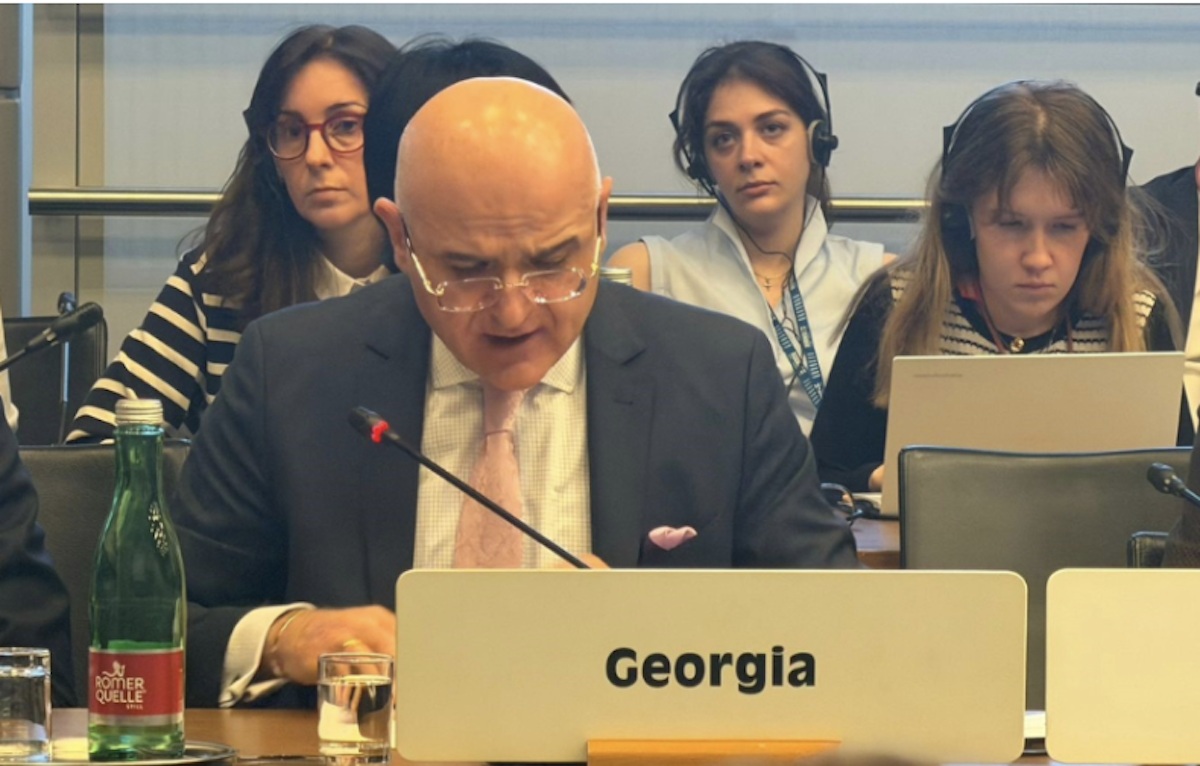
The Georgian government criticised the report, saying it does not reflect the full political and legal reality in the country. According to Georgia’s permanent representative to the OSCE, Alexandre Maisuradze, the document contains factual inaccuracies, selective interpretations, and politically biased conclusions, which, he argued, call its credibility into question.
“Moscow Mechanism” and Georgia