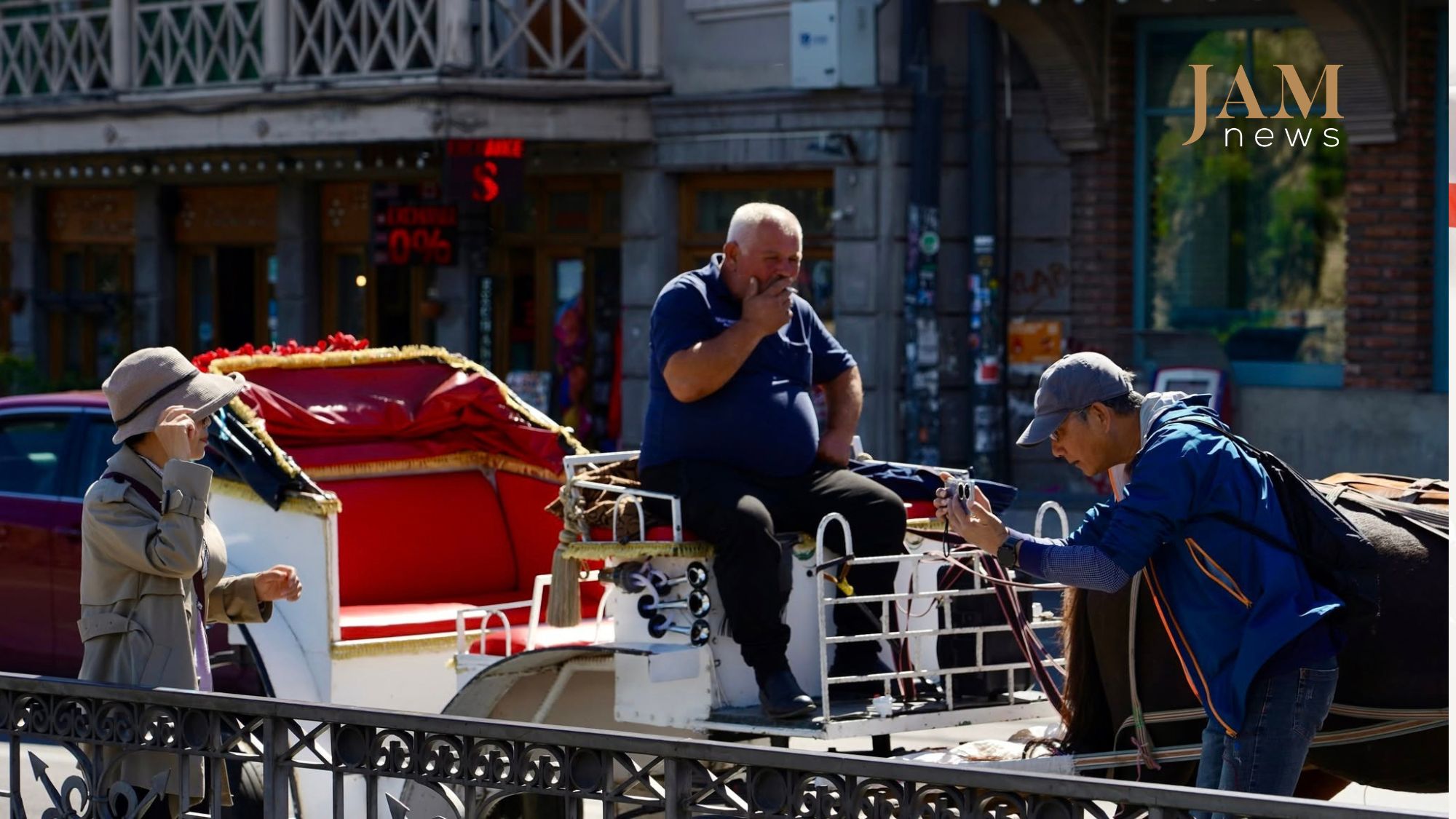
'Shocking but expected verdict': Ruben Vardanyan sentenced to 20 years in Baku






Ruben Vardanyan gets 20-year sentence in Baku
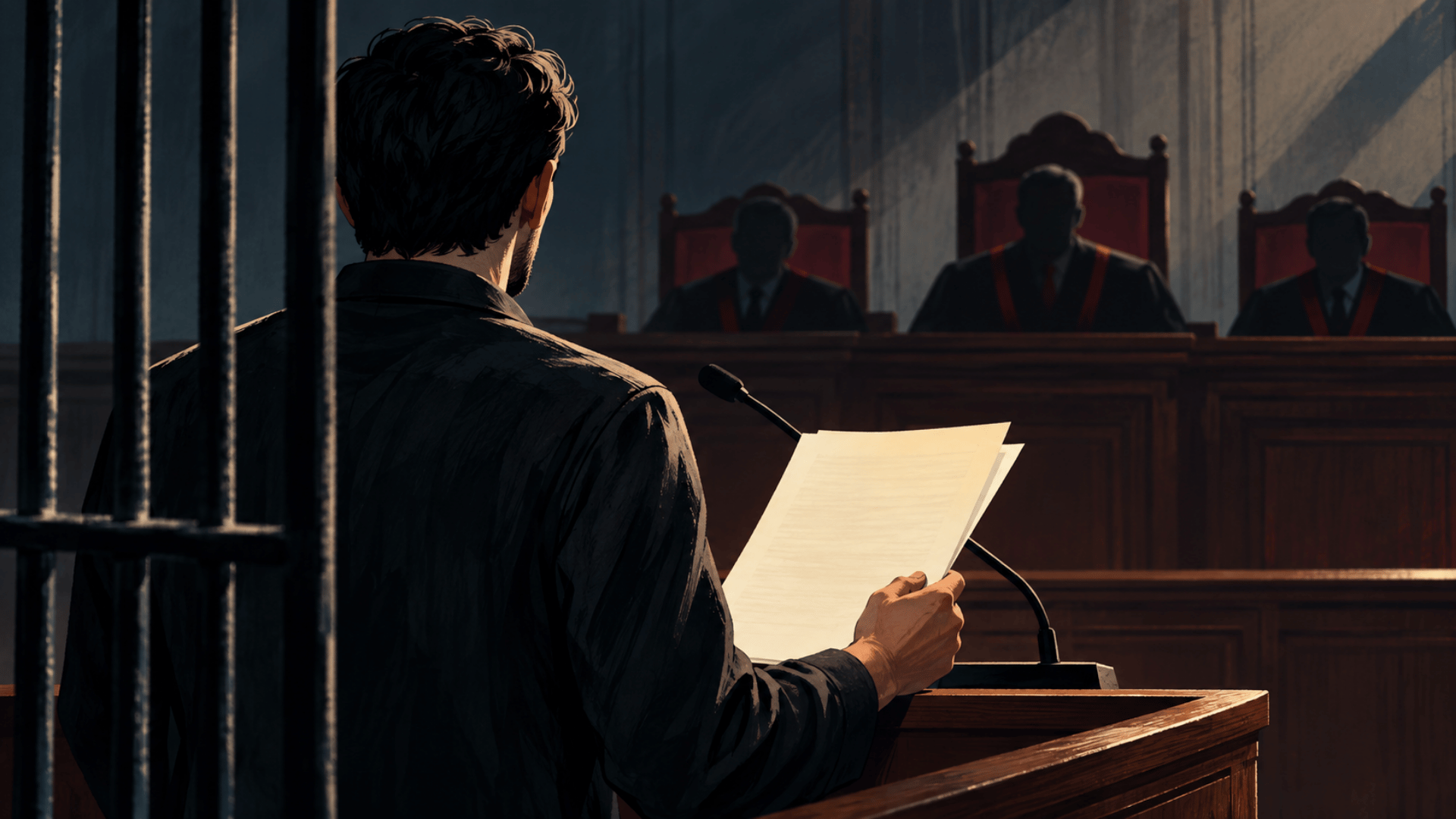
A military court in Baku has sentenced Ruben Vardanyan, the former state minister of the unrecognised Nagorno-Karabakh Republic, to 20 years in prison. The court handled his case separately from those of the former Karabakh leadership.
Azerbaijani media say the court found Vardanyan guilty of serious crimes, including waging an aggressive war, financing terrorism and deporting people.
Vardanyan has long described the trial in Azerbaijan as a “farce” and an imitation of justice. For that reason, he instructed his lawyer not to present any arguments about his innocence in court.
Armenian human rights defenders say the case is political rather than legal. Before the verdict, they expected the court to impose a life sentence, as the prosecution had demanded. Officials have not explained why the court chose a 20-year term. Independent media outlets and human rights groups could not attend the hearings. Azerbaijani state media provided most of the information about the proceedings.
After the verdict, Vardanyan’s family issued a statement. They said the court had not only tried Vardanyan and other Armenian detainees, but had “passed judgment on the entire Armenian people”.
“We will continue to seek the release of Ruben and the Armenian detainees held on politically motivated grounds. We call on world leaders, international organisations and human rights communities to take all appropriate measures, in line with international law, to secure their freedom and protect their rights,” the family said.
Earlier, on 5 February, an Azerbaijani court handed life sentences to former president Arayik Harutyunyan, Defence Army commander Levon Mnatsakanyan, deputy commander David Manukyan, parliament speaker David Ishkhanyan and foreign minister David Babayan. The court sentenced former presidents Arkady Ghukasyan and Bako Sahakyan to 20 years in prison. Judges gave the two ex-presidents lighter terms because of their age. Azerbaijani law does not allow courts to impose life sentences on people over 65.
Key details come from Ruben Vardanyan’s final statement in court, a declaration by his family, and a comment from political analyst Hakob Badalyan. The article ends with a background note on who Ruben Vardanyan is and how he ended up in an Azerbaijani prison
- Pashinyan and Aliyev receive the Zayed Prize for Peace Efforts: why it matters
- Four ethnic Armenians held in Azerbaijan jails handed over to Armenia
- Azerbaijan court charges Armenian remaining in Karabakh with terrorism
Vardanyan’s final statement: “I am not afraid of any punishment”
Ruben Vardanyan delivered his final statement in court on 10 February. He later relayed the substance of his speech to his family during a phone call.
“I am happy. I said that I represent the Armenian people here, in this court. I am not afraid of any punishment or decision. I am ready to accept it calmly, because this is not a court, but a tribunal.”
He also said Azerbaijan had not used the opportunity to hold a proper trial. In his view, that could have laid the groundwork for long-term peace.
“Instead, they staged an unclear and unprofessional show. Unfortunately, it brought no benefit to anyone, first of all to the Azerbaijani state. I am certain of that.”
In his closing remarks, Vardanyan said peace is only possible when there are “two equal neighbours”.
“If one humiliates itself before the other, nothing will work. There will be no peace,” he added.
He also addressed the Karabakh issue, despite attempts to interrupt him.
“I said it in court. I repeated it three times while they tried to cut me off: Artsakh was, Artsakh is, and Artsakh will exist in an existential sense. This is not a question of legal form. No one can simply erase it, and I am deeply convinced of that.”
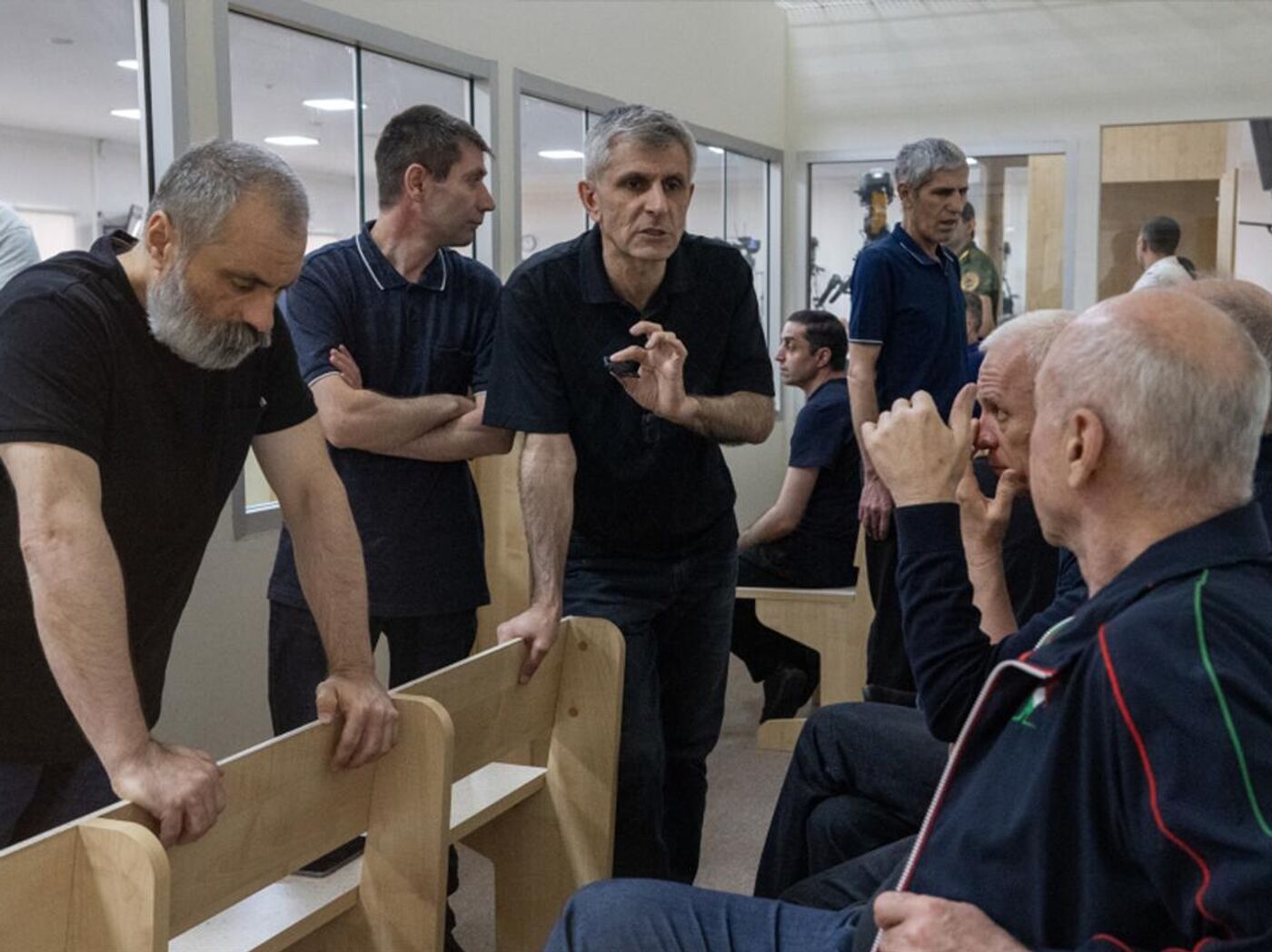
Family statement: “Ruben was denied real legal protection”
In their statement, Vardanyan’s family said the verdict was shocking, but expected.
“Ever since they detained Ruben without any grounds 874 days ago, it became clear that the outcome of this process had already been decided. Throughout his detention, they did not present any evidence for any of the charges.”
Family members said anyone who knew Vardanyan would understand the absurd and baseless nature of the accusations.
“Throughout this time, Ruben had no guarantees of a proper legal process. He also had no access to real, rather than formal, legal defence, no contact with international lawyers, and no opportunity for independent media to attend the hearings.
The authorities held the hearings behind closed doors. They conducted them under conditions that did not meet the standards of a fair trial, not only under international law but even under Azerbaijan’s own legislation.
Despite attempts to destroy Ruben’s reputation as a humanitarian, philanthropist and social entrepreneur, civil society leaders and international observers supported our family. That support gave us strength and hope.”
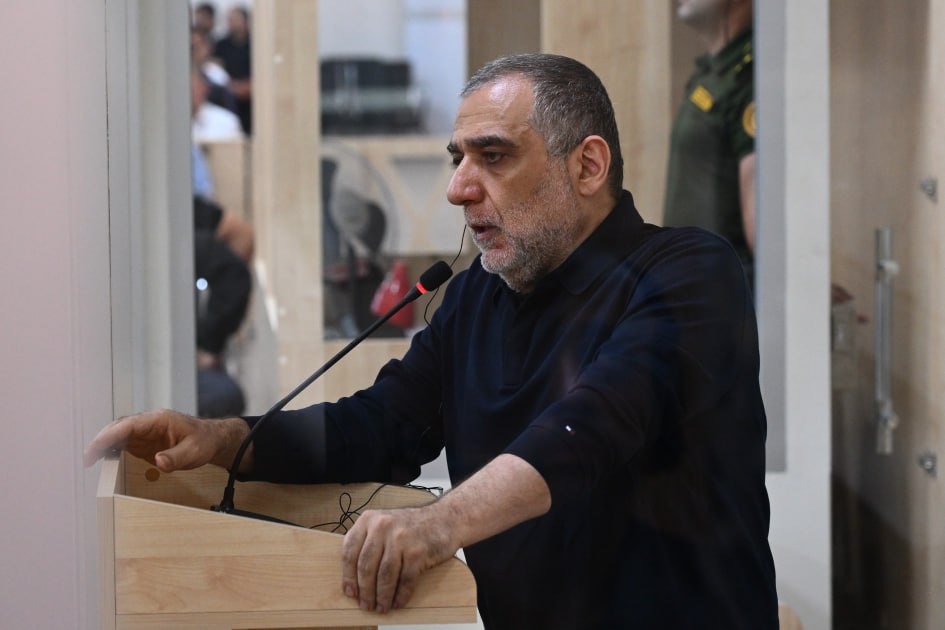
Will Armenian detainees return from Baku?
Official figures show that 19 Armenians are currently in Azerbaijani prisons. Eight of them are former leaders of Nagorno-Karabakh. Armenian human rights defenders say the detainees could be released if those involved in negotiations apply enough pressure. At the same time, they believe the Azerbaijani authorities will try to delay the return of the former political and military leadership of the unrecognised republic for as long as possible.
Many in Armenia expected that some of the detainees might return during US Vice-President JD Vance’s visit to Yerevan and Baku. Vance told Armenian journalists he would raise the issue in Azerbaijan. However, the trip ended without any progress on the matter.
In an interview with France 24, Azerbaijani President Ilham Aliyev effectively ruled out the release of the former Karabakh leaders.
“These people committed serious crimes against humanity. Imagine the Nuremberg trials after the Second World War. And two months after all those Nazi leaders were sentenced to death, someone comes and asks to release them.”
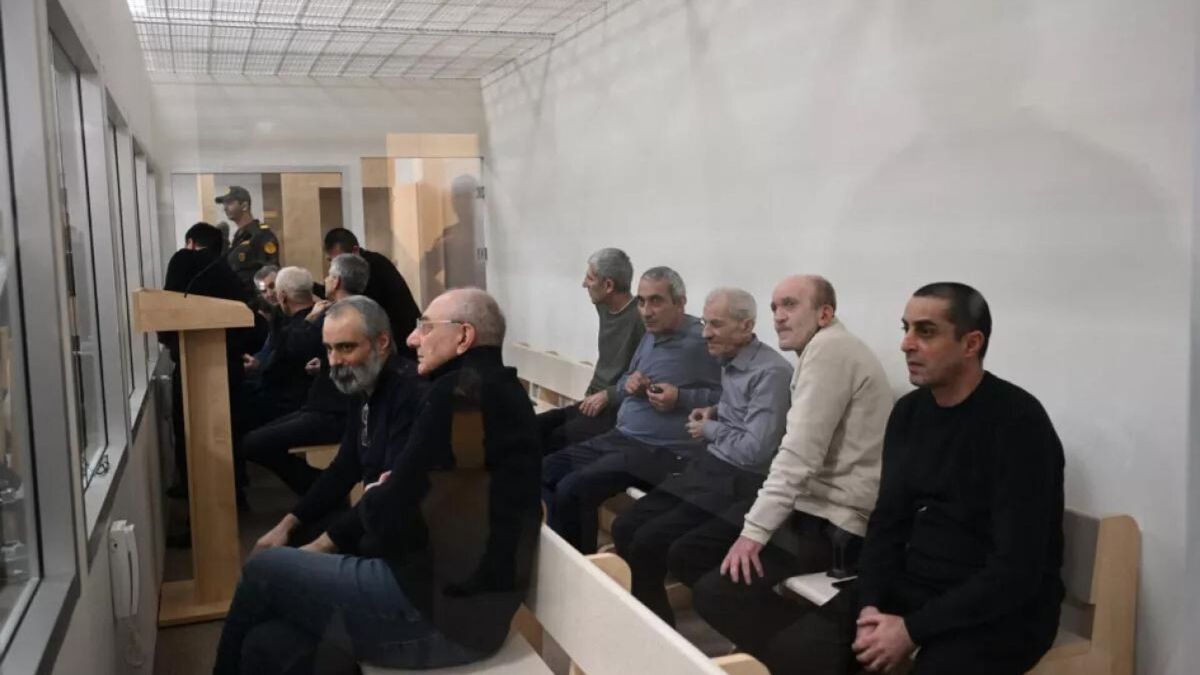
Commentary
Political analyst Hakob Badalyan commented on the verdict:
“Official Baku has published a document settling scores with Ruben Vardanyan.
As I noted earlier, when the courts handed down sentences to other military and political leaders of Artsakh, the verdict does not change the essence of the problem. It only creates an opportunity to raise the price of the hostages.
The solution lies in strengthening Armenia’s capacities — from state potential to diplomatic skills and mobilisation. I mean the all-Armenian resource, but not in the sense of diaspora toasts. I mean targeted, practical efforts.
At the same time, the separate handling of Ruben Vardanyan’s case is not just a formal matter. It may involve deeper and different layers, which Aliyev is trying to play with in connection with this hostage. That means this case requires a broader front in the search for solutions.”
Who is Ruben Vardanyan?
Ruben Vardanyan is one of the world’s richest individuals, a major businessman who appears on the Forbes billionaire rankings. He founded the investment company Troika Dialog. He first entered the Russian Forbes list in 2007, and by 2021 the magazine estimated his fortune at $1bn. At that time, Forbes described him as a Russian billionaire.
In 2022, he renounced his Russian citizenship and obtained an Armenian passport. After that, the global Forbes ranking listed him as a billionaire from Armenia.
That same year, Vardanyan moved to Nagorno-Karabakh, then the unrecognised republic. He said he wanted to use his resources and connections to address the region’s problems. He described the 44-day war of 2020 as the “red line” that led him to make this decision.
“After crossing that ‘red line’, I understood I could face serious problems both in Russia and in Armenia. I knew I would come under various attacks. I am ready for that, because today we face such a crisis that I must take responsibility and take part in discussions to save the homeland,” he said.
The businessman also said he placed the future of Armenia and Nagorno-Karabakh “above his own wellbeing and security”.
In Armenia, his decision to renounce Russian citizenship and move to Nagorno-Karabakh did not generate much enthusiasm. Some political analysts suggested he had not made the decision independently, but under pressure from the Kremlin.
“Let us not forget that he owns major capital, that this capital is in the Russian Federation, and that Russia is not a democratic country. Capital there is closely tied to the authorities. We know what fate has befallen major Russian capitalists when they acted against the will of the political leadership,” political analyst Suren Surenyants said at the time.
Some Armenian experts suggested that Russia may have decided to bring Vardanyan to power in Armenia. They said Moscow was counting on the reputation of a man who had carried out major charitable projects in the country, and that the plan would begin in Karabakh.
On 4 November 2022, Vardanyan took office as state minister of the unrecognised Nagorno-Karabakh Republic.
He remained in the post until 23 February 2023. During those three and a half months, he stayed at the centre of attention for the Azerbaijani authorities and media. His prominence and international profile drew global attention to the issue of Nagorno-Karabakh’s self-determination. He stayed in the region throughout the ten-month blockade imposed by Azerbaijan.
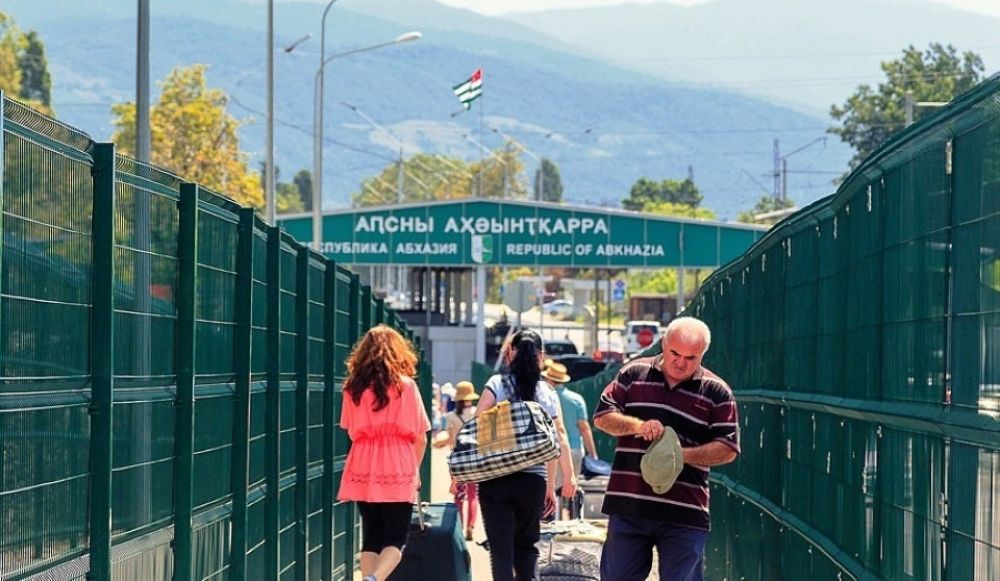
After Azerbaijan’s military operation in September 2023, the unrecognised republic announced it would cease to exist. Baku then opened the border crossing into Armenia, and almost the entire Armenian population left the region. Azerbaijan did not obstruct their departure. However, it detained several former officials at the border, including former presidents, the parliament speaker, senior military figures and former state minister Ruben Vardanyan.
Ruben Vardanyan gets 20-year sentence in Baku
Ruben Vardanyan gets 20-year sentence in Baku
Ruben Vardanyan gets 20-year sentence in Baku