US vice-president’s visit to Baku: strategic partnership and new pledges






JD Vance visits Baku
US Vice-President JD Vance concluded a two-day official visit to Baku on 10–11 February. The trip featured high-level meetings with Azerbaijani President Ilham Aliyev and the signing of a major strategic partnership charter.
The visit, the first by a sitting US vice-president to Azerbaijan, is seen as a sign of deepening ties between Washington and Baku following the launch of a peace initiative between Armenia and Azerbaijan.
High-level meetings and a historic precedent
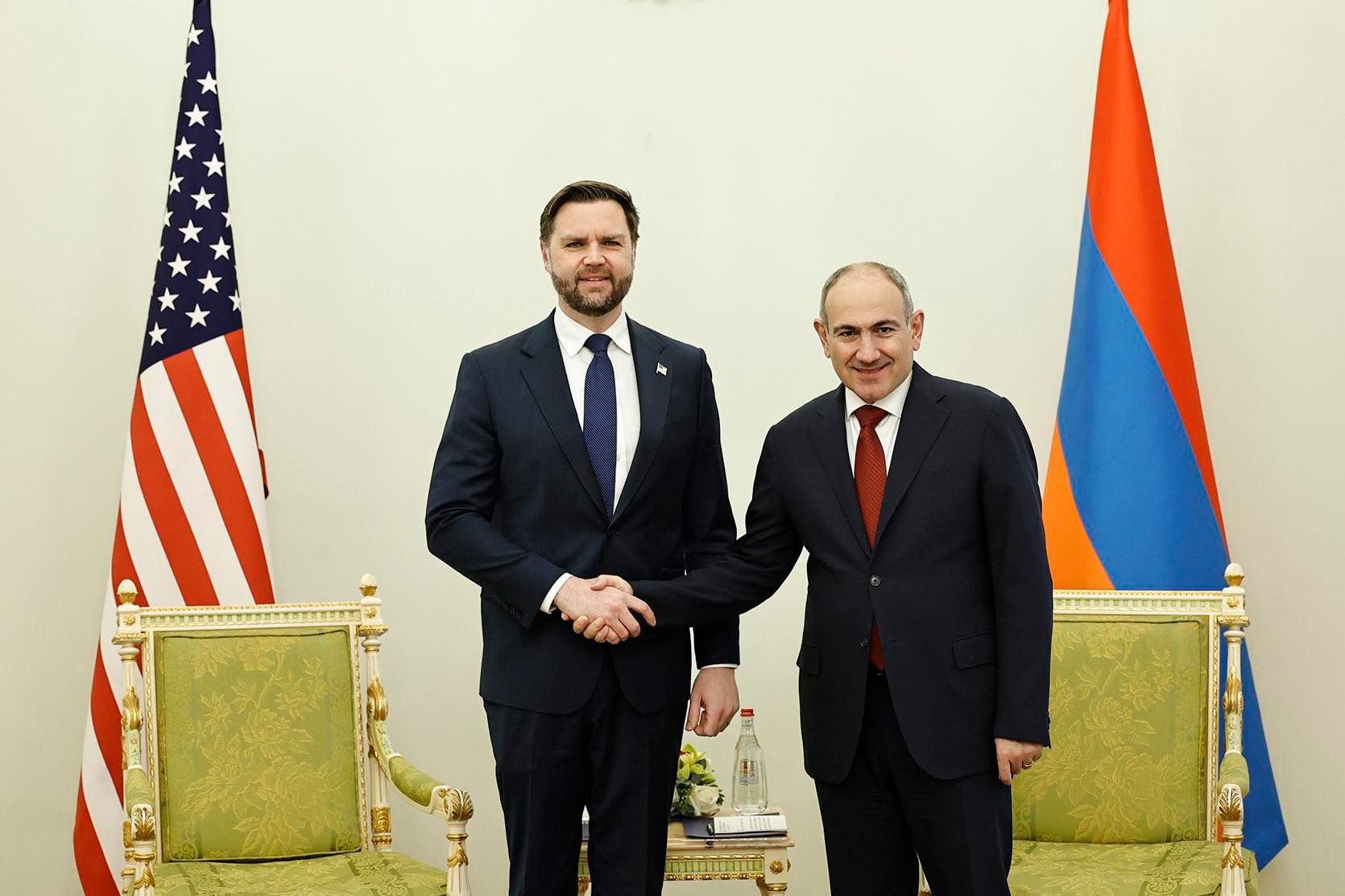
Vance’s visit to Baku carried symbolic weight and followed a high level of official protocol. President Ilham Aliyev welcomed the vice-president at the Zagulba residence with an honour guard. The national anthems of both countries were played and the delegations were introduced.
Arriving in Baku a day after his trip to Armenia, Vance became the most senior US official ever to visit Azerbaijan.
In Baku, Vance first held one-on-one talks with President Aliyev, followed by expanded negotiations involving senior representatives from both sides. The meetings covered a broad agenda, laying the groundwork for a new stage in US–Azerbaijan relations.
At the end of the talks, the two leaders presided over the signing ceremony of the Strategic Partnership Charter. They then delivered a joint press statement.
President Ilham Aliyev said he welcomed Vance as a friend and guest, stressing that the visit could be considered historic both in substance and in its symbolic significance.
Strategic Partnership Charter signed
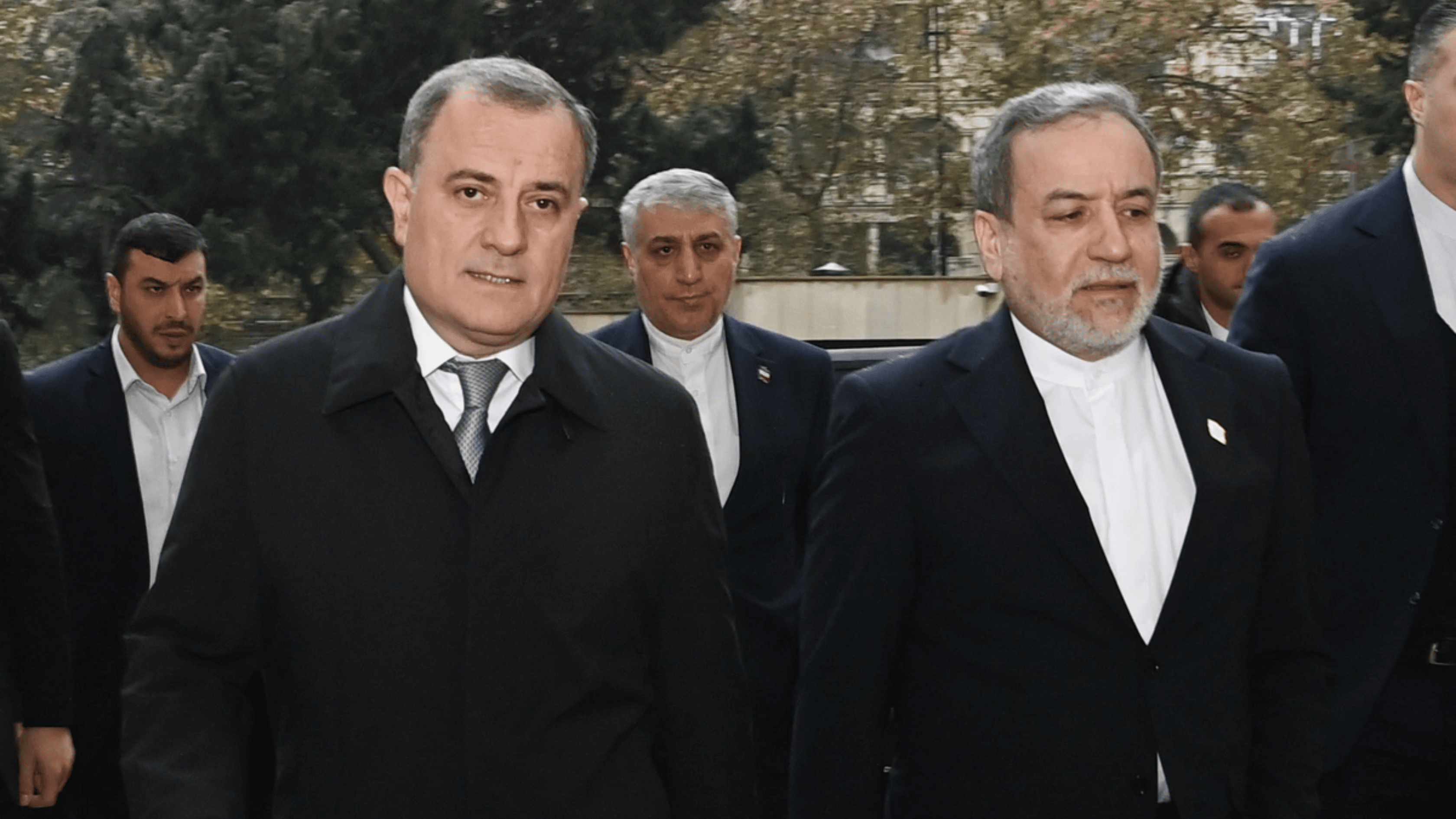
The main event of the visit was the signing of a Strategic Partnership Charter between the United States and Azerbaijan. The document предусматривает expanded cooperation in defence, security, energy, technology and other areas.
President Ilham Aliyev said the charter marked a “completely new stage” in relations between Baku and Washington. He highlighted stronger cooperation in the defence industry, security and artificial intelligence. He also stressed continued partnership in energy security and counter-terrorism.
The agreement is seen as a continuation of the work of a joint group created six months ago in Washington, when President Aliyev met US President Donald Trump. The charter also includes provisions to deepen cooperation in the peaceful use of nuclear energy.
Against this backdrop, observers note that during Vance’s parallel visit to Armenia, the sides also discussed potential cooperation in nuclear energy.
Digital development has also been identified as a key area. Azerbaijani officials say the United States will support the creation of AI-focused data centres and the strengthening of the country’s digital infrastructure.
Expanding economic cooperation, increasing trade turnover and boosting investment are also among the priorities. Azerbaijan currently exports natural gas to 16 countries, including 11 NATO member states, which strengthens its role in energy security.
New pledges: security and economic cooperation
During the visit, Vice-President Vance announced specific support measures. He said the United States would provide new patrol boats to strengthen Azerbaijan’s coast guard on the Caspian Sea. The move is seen as an important precedent, as it would mark the first delivery of US military equipment to Azerbaijan.
The sides also agreed to deepen economic and infrastructure cooperation. Vance named critical minerals and transport links as priority areas.
Particular attention went to the transport corridor known as the “Trump Route for International Peace and Prosperity” (TRIPP), which is set to run through southern Armenia and provide a land link between Azerbaijan and Nakhchivan. The project is expected to transform regional trade.
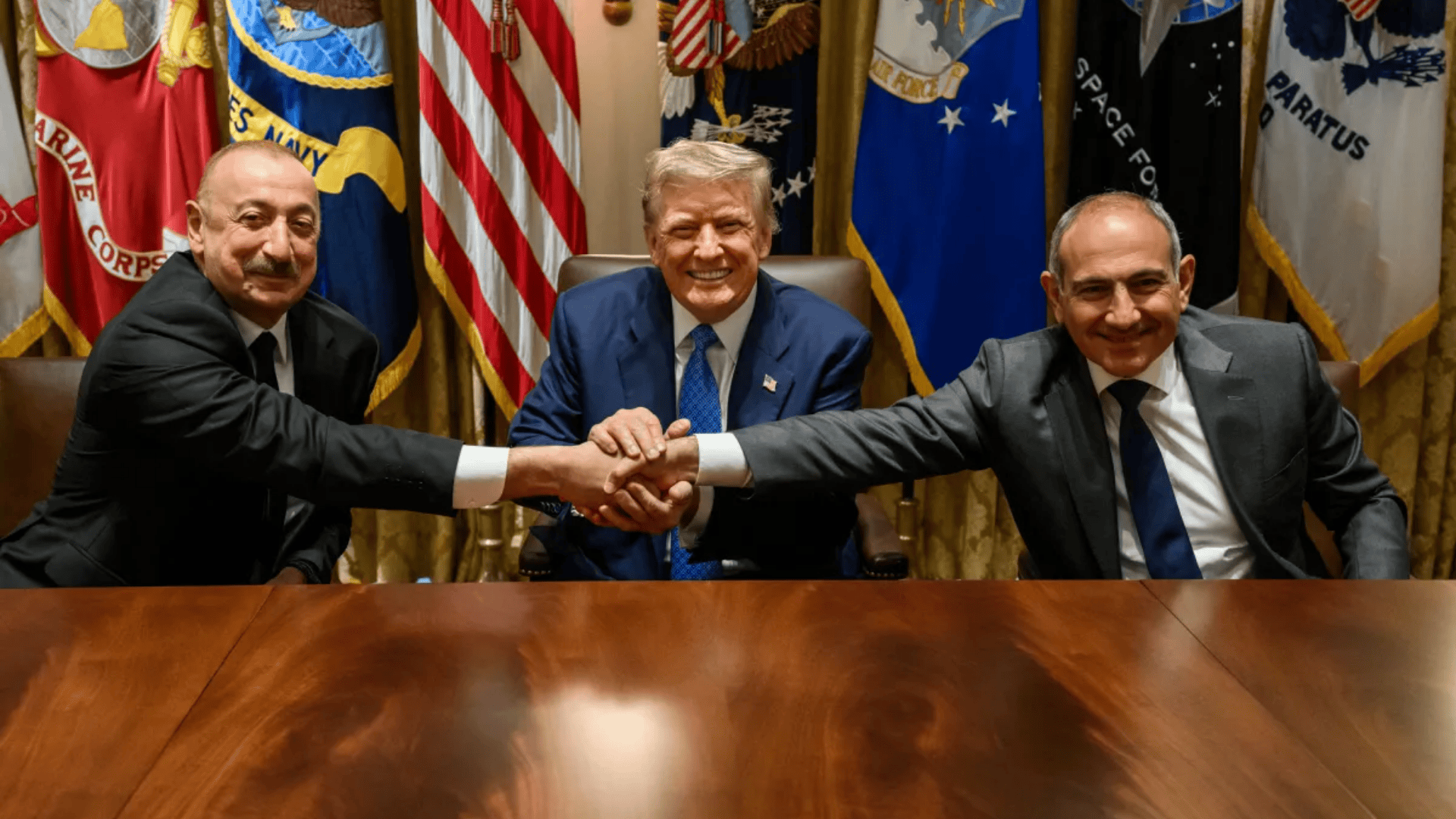
President Ilham Aliyev, for his part, stressed the need to continue cooperation on regional connectivity and the expansion of energy routes. He said Azerbaijan had already lifted transit restrictions and, after the peace agreement, had begun fuel deliveries to Armenia.
State television distorts Vance’s remarks
Speaking to the press, Vance jokingly linked President Aliyev’s good relations with Turkey and Israel either to “very good cuisine” or to the president’s “special charisma”.
His joke about Azerbaijan’s First Vice-President Mehriban Aliyeva drew the most attention. Vance said he would attend a dinner with his wife that evening and added:
“As far as I know, the vice-president of Azerbaijan is also the president’s wife… I hope that doesn’t give my wife any new ideas.”
The room responded with laughter, and President Aliyev also smiled in acknowledgement.
In state media, however, the episode appeared differently. State broadcaster AzTV translated the joke in a distorted form as “we are pleased to continue relations between our spouses”. After the original version of the remarks spread on social media, the text was corrected.
Conclusion
On 11 February, Vance and his wife visited the Alley of Martyrs, where they laid a wreath at the Eternal Flame, before departing Baku.
The two-day visit may be seen as the beginning of a new stage in relations between the United States and Azerbaijan.
JD Vance visits Baku