Armenian and Turkish business leaders call for borders to reopen. Is it likely to happen?






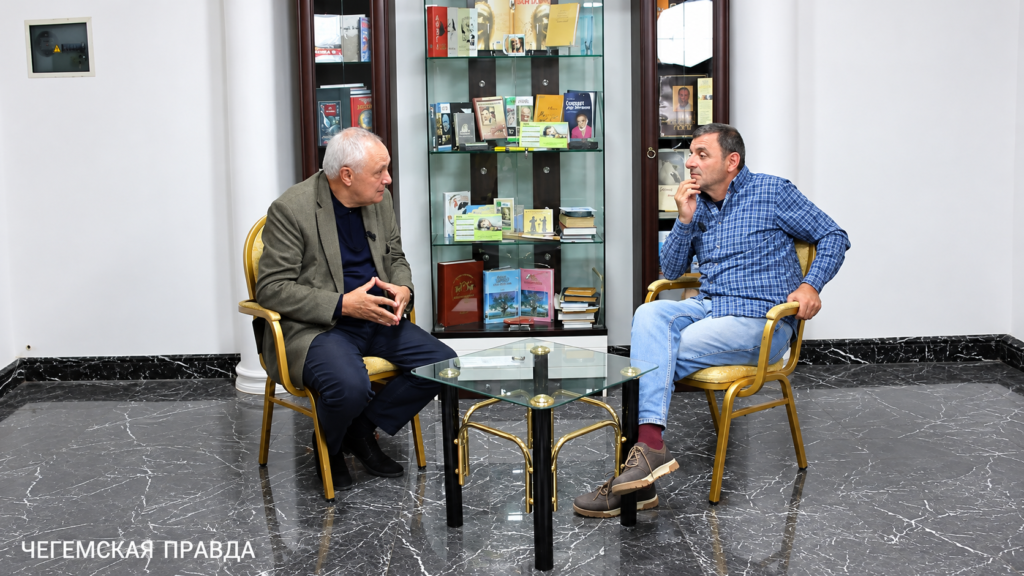
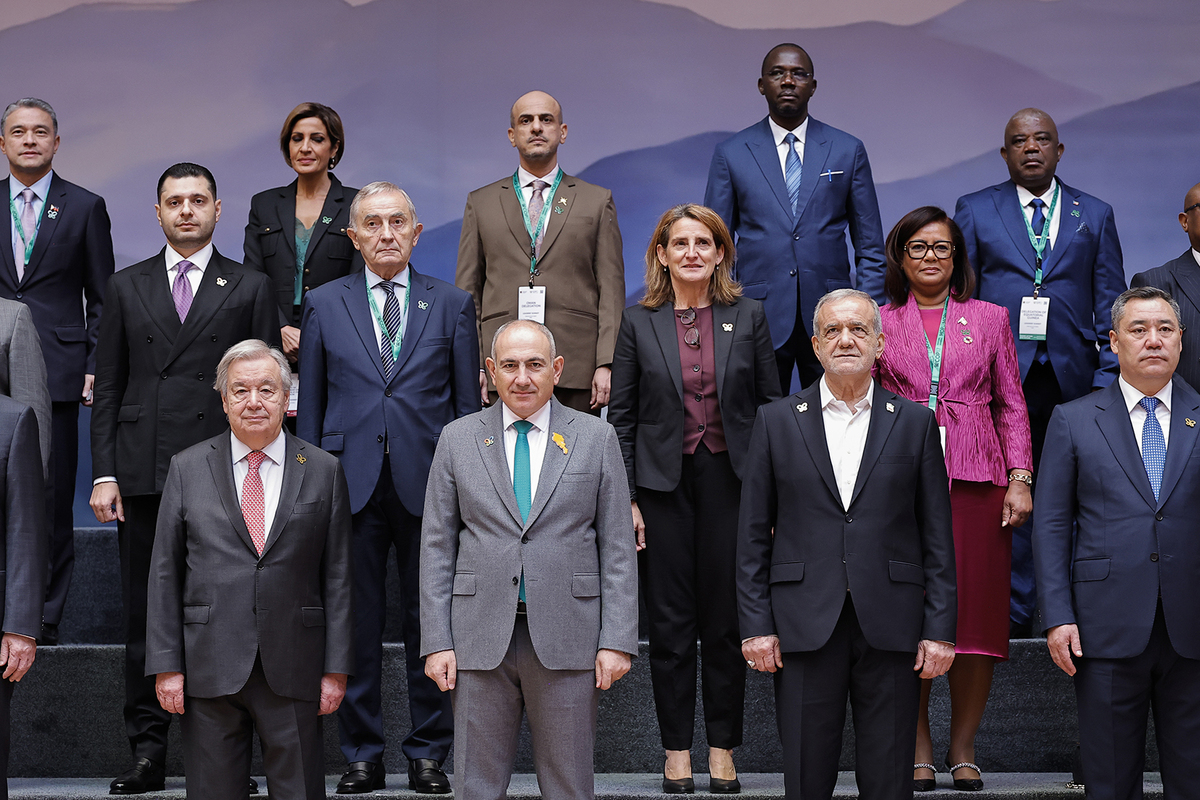
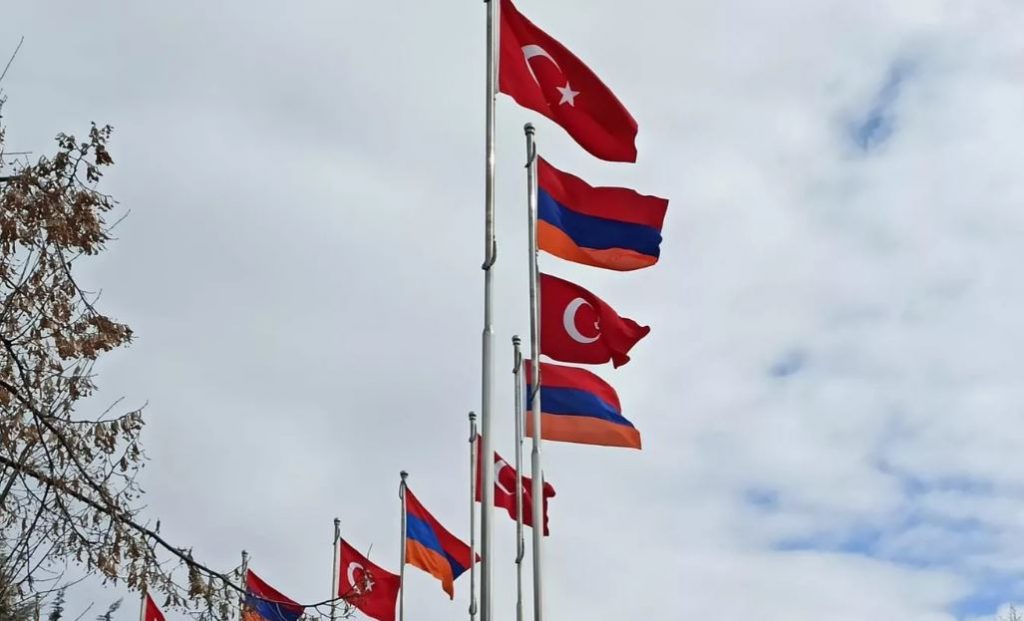
Armenian-Turkish business forum in Yerevan
Against the backdrop of a two-day business forum held in Yerevan with the participation of business representatives from Armenia and Turkey, debate over normalising Armenian-Turkish relations and reopening the border between the two countries has intensified in Armenian society.
Following the forum, the Union of Manufacturers and Businessmen of Armenia and the Van Chamber of Commerce and Industry issued a joint statement. The two countries’ business leaders called for the borders to reopen, border crossing points to resume operations and procedures for crossing the border to be simplified for both sides.
“Reopening the border crossing points would not only boost trade, but also mark an important step towards normalising relations. It would strengthen contacts, promote economic cooperation and build mutual trust between the peoples of the two countries. Opening the borders is crucial to unlocking the region’s economic potential in trade, investment, tourism and cultural exchange,” the statement said.
In an interview with JAMnews, political analyst Robert Ghevondyan said: “Under normal circumstances, developing economic and trade ties would have a significant impact on the process of reopening the borders. But our situation is not normal.” He was referring in particular to Azerbaijan’s enormous influence over Turkey through various means, including economic leverage.
“Yes, such initiatives provide a positive boost, at least at a psychological level. But for substantial changes to take place, the political issues must first be resolved. Above all, we need to focus on resolving relations with Azerbaijan,” Ghevondyan said.
- ‘Armenia as a bridge to Europe’ — deputy foreign minister speaks at forum in Turkey
- ‘Hint of discontent’: Armenia’s foreign minister skips Antalya diplomatic forum
- Is normalization of Armenian-Turkish relations possible without Baku?
From increasing trade to reopening the border: business leaders issue joint statement
Eighty representatives of the Van Chamber of Commerce and Industry travelled to Yerevan to attend the business forum. The two sides discussed opportunities for trade and investment, and explored prospects for closer cooperation between their business communities.
Business representatives described the forum as a “significant step” towards normalising relations and developing economic cooperation between Turkey and Armenia:
“The business community can make a significant contribution to building relations based on mutual understanding, trust and shared economic interests, regardless of borders and political differences. We believe that stronger economic and trade ties between Turkey and Armenia would contribute significantly to the economic and social development not only of the two countries’ business communities, but also of border regions, as well as Van and Yerevan.”
They said reopening the border would be crucial not only to boosting trade but also as an important step towards normalising relations:
“Van could become a natural trade and logistics bridge between Turkey and the Caucasus. Strengthening economic ties between Van and Yerevan could help develop regional trade and build greater understanding between the two peoples.”
On 3-4 September, Yerevan hosted a two-day business forum attended by representatives of the Armenian and Turkish business communities. The forum took place as part of the EU programme “Supporting the normalisation of Armenian-Turkish relations: strengthening cross-border ties”. Its aim was to bring together business and government representatives from the two countries to explore new forms of cooperation and build trust.
Comment
Political analyst Robert Ghevondyan says that despite the lack of diplomatic relations between Armenia and Turkey, trade ties between the two countries have long been established. However, these ties exist at the business level rather than between the governments.
He says there is now active work under way to normalise relations, which is also helping to develop economic ties further:
“Reopening the border could provide a major boost to further progress in this direction. We hope the border will open soon and that we will see the results.”
Ghevondyan notes that Turkey has already lifted its ban on direct exports to Armenia:
“Turkish companies can now file customs declarations directly for exports to Armenia and sell their goods there. As a result, Armenian and Turkish businesses no longer need intermediaries.”
At the same time, Ghevondyan points out that goods are transported through Georgia. Transit costs will therefore remain in place until the Armenian-Turkish border opens.
According to the political analyst, the next step is to reopen the border. This could lead to a major increase in economic ties.
Robert Ghevondyan says he cannot predict exactly when the border will open. But he hopes it will happen “as soon as possible”. He also stresses that reopening the border depends on the normalisation of Armenian-Azerbaijani relations:
“Azerbaijan sees the closed border with Turkey as a lever for putting pressure on Armenia. Once Azerbaijan decides that it no longer needs this leverage, the Turkish border will most likely open.”
As for whether the signing of an Armenia-Azerbaijan peace agreement could influence the process, Ghevondyan is not convinced that this would be the decisive factor:
“There is a possibility that even if a peace agreement is signed, Azerbaijan could ask its Turkish partners not to open the border. In that case, the border will remain closed.
“But there is also a possibility that no peace agreement will be signed, but Azerbaijan will no longer ask its Turkish partners to keep the border closed. In that case, the border will open.”
Speaking about Azerbaijan’s influence over Turkey, the expert listed the following factors:
- Baku’s investments worth billions of dollars in Turkey;
- the personal ties between Aliyev and Erdogan;
- perceptions among Azerbaijani and Turkish societies.
“When Turkey opened the border for 10 days to allow humanitarian aid from Armenia to reach Syria, there was discontent in Azerbaijani society. This affected the decision-making circles in Turkey,” he said.
At the same time, Ghevondyan says Turkey does not even try to hide the extent of Azerbaijan’s influence:
“At meetings at different levels, Turkish partners say directly: ‘We have no problem with opening the border, but our Azerbaijani partners must not object.’”
Context
Turkey officially recognised the Republic of Armenia in 1991. But the two countries still have no diplomatic relations. In 1993, Turkey unilaterally closed its air and land borders with Armenia. The air border reopened in 1995, according to the Armenian Foreign Ministry website, “under pressure from the international community”.
Talks on normalising Armenian-Turkish relations intensified after the second Karabakh war. Although the normalisation process is taking place on a bilateral basis, Turkey coordinates the negotiating agenda with Azerbaijan.
In December 2021, Yerevan and Ankara said they were ready to take steps towards normalising relations. The two countries appointed special representatives to begin negotiations.
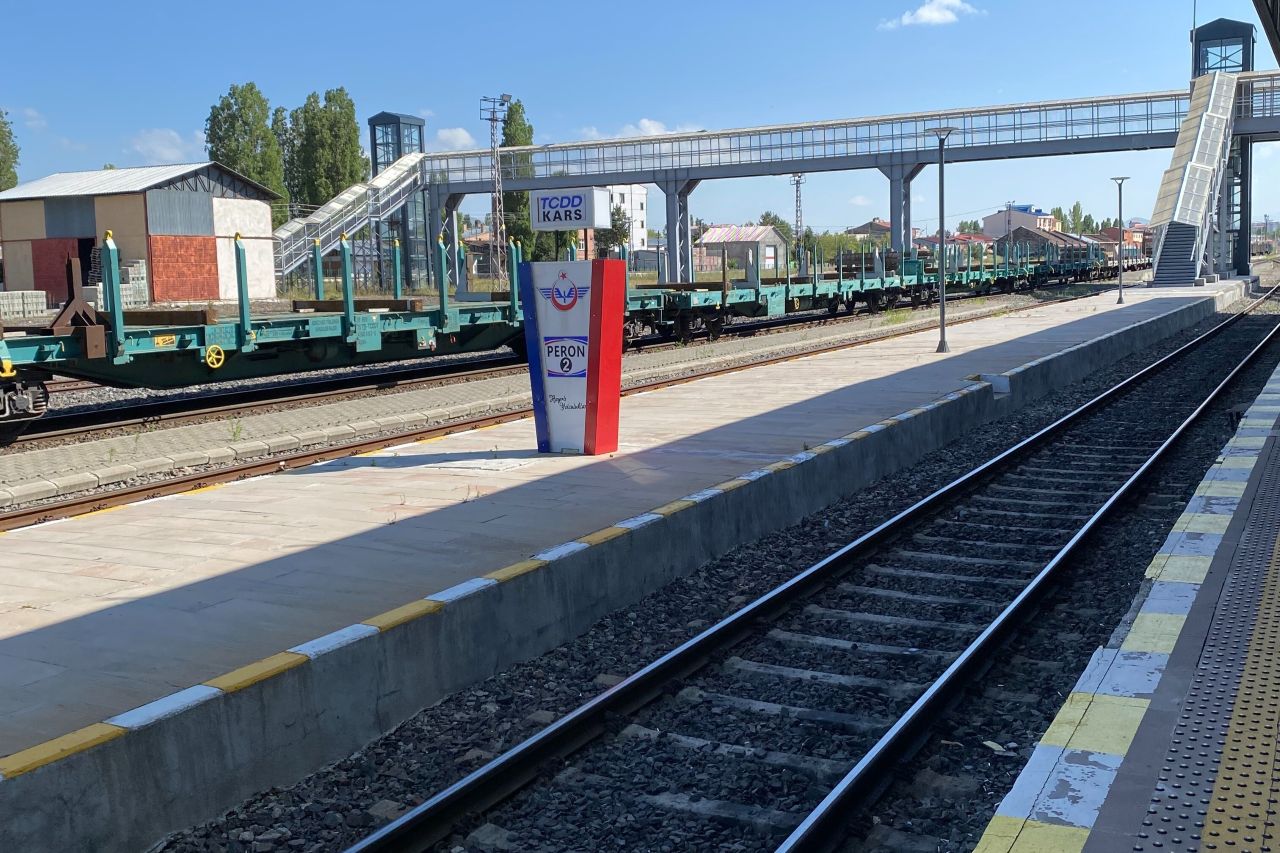
At the beginning of 2026, Armenian media reported that the border between Armenia and Turkey would open on 1 February to citizens of third countries and holders of diplomatic passports. The two countries’ special representatives had agreed on this in July 2022. However, the agreement has still not been implemented.
The Margara checkpoint on the Armenian side has been ready for operation since December 2023. Despite the agreements reached, however, the border remains closed.
At the same time, there have been occasional signs of limited progress. Since 1 January 2026, for example, Armenia and Turkey have simplified the visa process for citizens of the two countries who hold diplomatic, special or service passports. Those staying in the neighbouring country for no more than 21 days can obtain an electronic visa (e-visa) free of charge.
Armenian-Turkish business forum in Yerevan