Amnesty International, GYLA urge independent probe amid rising Georgian prison abuse claims


Violence in Georgian prisons
International human rights organisation Amnesty International and the Georgian Young Lawyers’ Association (GYLA) issued a joint statement calling on the Georgian authorities to ensure an independent investigation into reports of torture and other forms of ill-treatment in prisons, as well as to establish effective mechanisms to prevent violence.
According to the organisations, reports of torture and other forms of ill-treatment in Georgian penitentiary institutions have increased, including allegations of sexual violence, beatings and threats.
The organisations also expressed serious concern about the risk of reprisals against prisoners who speak out about such abuse.
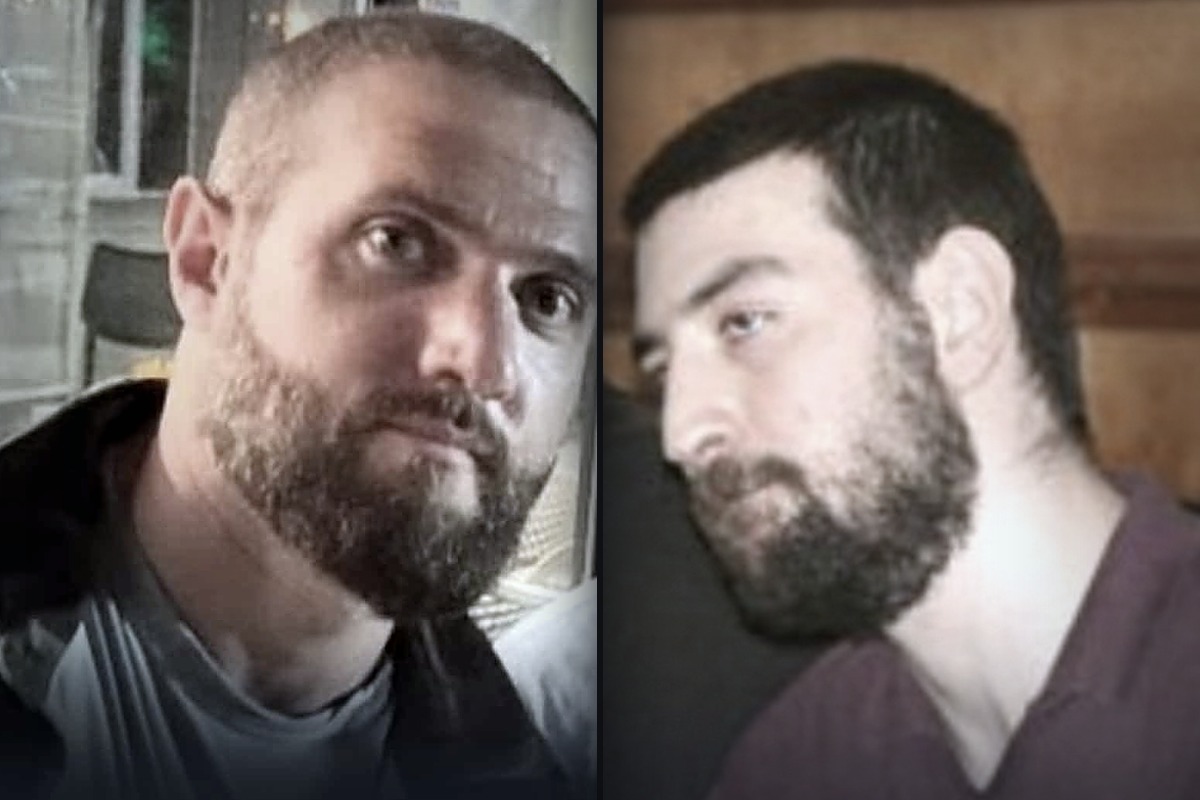
In their joint statement, the organisations cited the cases of Giorgi Davitadze, Giorgi and Davit Peikrishvili, Lasha Chachanidze and other prisoners.
The authors of the statement also noted that the authorities’ hasty denials, in the absence of proper investigations, raised serious questions. The organisations urged the authorities to “break the vicious cycle of impunity and establish an oversight mechanism capable of effectively and independently preventing violence”.

Giorgi Davitadze case and allegations of sexual violence
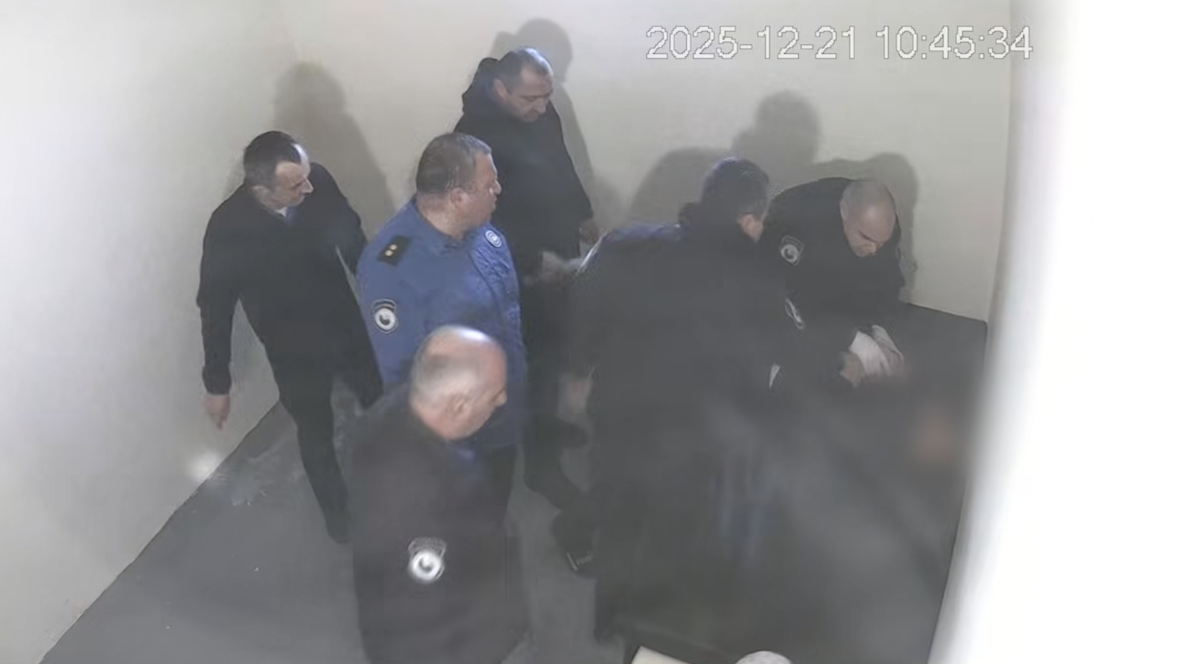
On 2 October 2026, a recording of a court hearing emerged in the media in which prisoner Giorgi Davitadze alleged that he had been subjected to sexual violence by penitentiary service staff. According to him, on 21 December 2025, in a de-escalation room at Prison No. 6 in Rustavi, one of the officers inserted a finger into his anus.
The Special Penitentiary Service rejected the allegations and released CCTV footage. The service said that a forced search had been carried out in accordance with established procedures after the prisoner refused to undergo a search and began insulting staff.
The footage, which has no audio, shows several officers restraining Davitadze, placing him face down on a bed and positioning themselves behind him. As the officers partially obstruct the view of the prisoner, it is impossible to fully assess their actions.
According to his lawyers, the penitentiary service released only a short excerpt from footage lasting approximately 20 minutes. A second camera was installed in the room, but prosecutors did not obtain its recording. According to the Public Defender’s Office, Davitadze’s lawyers reported the alleged abuse on 26 December 2025, and prosecutors launched an investigation on 29 December. Prosecutors say dozens of witnesses have been questioned, while Davitadze refused to undergo a forensic medical examination on 12 January 2026.
His lawyers explained that the proposed examination was aimed solely at identifying physical injuries and did not involve investigating the alleged rape itself.
Amnesty International and GYLA said the published footage did not clarify what had happened in the room. The human rights organisations stressed that, in cases involving allegations of sexual violence, the authorities were obliged to promptly arrange independent medical and psychological examinations.
According to his defence team, Davitadze was repeatedly subjected to humiliation and threats: half of his hair was shaved off, the heating in his cell was deliberately switched off, and threats were made against him and his family members. On 13 October, his lawyers reported that two officers had verbally abused the prisoner and confiscated his television.
According to representatives of the human rights organisations, the prison administration had not restricted access to Davitadze for the officers he accused of abuse. They demanded that the investigation examine not only the events of December but also all allegations of repeated threats and humiliation.
Alleged reprisals against prisoners
The organisations also highlighted the cases of prisoners at Prison No. 6 in Rustavi who expressed solidarity with Davitadze. According to reports, after Davitadze’s allegations became public, some prisoners staged protests, including by making noise in their cells. They were reportedly subsequently subjected to beatings, placed in de-escalation cells (isolation cells) and transferred to other penitentiary institutions.
On 5 October, the lawyer representing Lasha Chachanidze said prison officers had physically assaulted his client and four other prisoners in response to their protest. According to the lawyer, Chachanidze was beaten with batons on 2 October, with officers striking his arms and legs. Visible injuries were documented on his body when he was transferred to Prison No. 3 in Batumi.
On 16 October, another prisoner, Beka Tsertsvadze, reported that prison officers had beaten and verbally abused him while transferring him to a de-escalation cell, after which he was moved to another facility.
The Special Penitentiary Service rejected the allegations of beatings. The service said that placing at least four prisoners in de-escalation cells was a lawful security measure. According to the service, the measure was taken in response to attacks on prison staff on 2 and 4 October and was unrelated to the protests.
The service also released video footage showing two incidents in which prisoners attacked prison officers.
Amnesty International and GYLA noted that prison authorities were obliged to protect both staff and prisoners from violence. However, they stressed that alleged misconduct by prisoners did not justify the use of violence in retaliation.
The use of force is permissible only when strictly necessary and must be proportionate to the situation. Furthermore, restrictive measures must not become a means of punishing prisoners who file complaints or express solidarity with others.
The statement also cited an assessment by the European Committee for the Prevention of Torture (CPT). In a report published in February 2026, the committee expressed concern about the frequent and sometimes prolonged use of de-escalation cells in Georgian prisons. The CPT warned the authorities that, in practice, placing prisoners in such cells could amount to punishment. According to the committee, de-escalation cells should be used exclusively for prisoners who are agitated or displaying aggressive behaviour, for the shortest possible period and under medical supervision.
Davit Peikrishvili beating case
The case of Davit Peikrishvili has raised further concerns. On 20 October 2026, his lawyer, Paata Gogiashvili, reported that Peikrishvili had been repeatedly subjected to physical violence by fellow inmates at Gldani Prison No. 8 since 16 October.
According to the lawyer, the prisoner had been diagnosed with four fractured ribs, injuries to his skull and facial bones, and numerous bruises across his body. On 19 October, Peikrishvili was transferred to hospital, where medical staff confirmed that he had sustained multiple injuries.
On 19 October, the Special Penitentiary Service initially denied that Peikrishvili had been beaten. The following day, amid media reports and public criticism, the Justice Ministry announced the launch of a criminal investigation into his injuries. On 22 October, the Public Defender said that, according to Peikrishvili, prison officials had also participated in the beating. The Public Defender called on prosecutors to conduct an independent investigation.
On 26 October, prosecutors told journalists that the case had been transferred from the Justice Ministry’s General Inspectorate to the investigative department of Georgia’s Prosecutor General’s Office. Prosecutors also recommended the suspension of Giorgi Pataridze, director-general of the Special Penitentiary Service under the Justice Ministry.
Following the recommendation, Pataridze left his post, and a new head of the service was appointed.
According to human rights organisations, the developments surrounding Peikrishvili’s case have once again highlighted problems with the effective investigation of allegations of torture and other forms of ill-treatment in Georgia, as well as holding those responsible to account. They linked these concerns, in particular, to reports of violence against protesters detained since 2024.
Rights’ groups urge authorities to establish independent oversight mechanism
Amnesty International and GYLA insist that all credible allegations of torture and other forms of ill-treatment must be subject to prompt, thorough, independent and impartial investigations. They argue that the authorities must ensure that all relevant evidence is collected, victims of alleged abuse are protected, and those against whom there is sufficient evidence are held accountable.
The organisations also called on the authorities to review practices in penitentiary institutions, complaints procedures and mechanisms for protecting prisoners from ill-treatment.
“The Georgian authorities must break this vicious cycle of impunity by establishing an oversight mechanism genuinely capable of effectively and independently preventing violence, creating truly independent complaints procedures, and guaranteeing victims access to justice and compensation,” the organisations said in their joint statement.