'TRIPP project will move forward slowly': US discusses regional connectivity agenda






US discusses upcoming investments in the TRIPP project
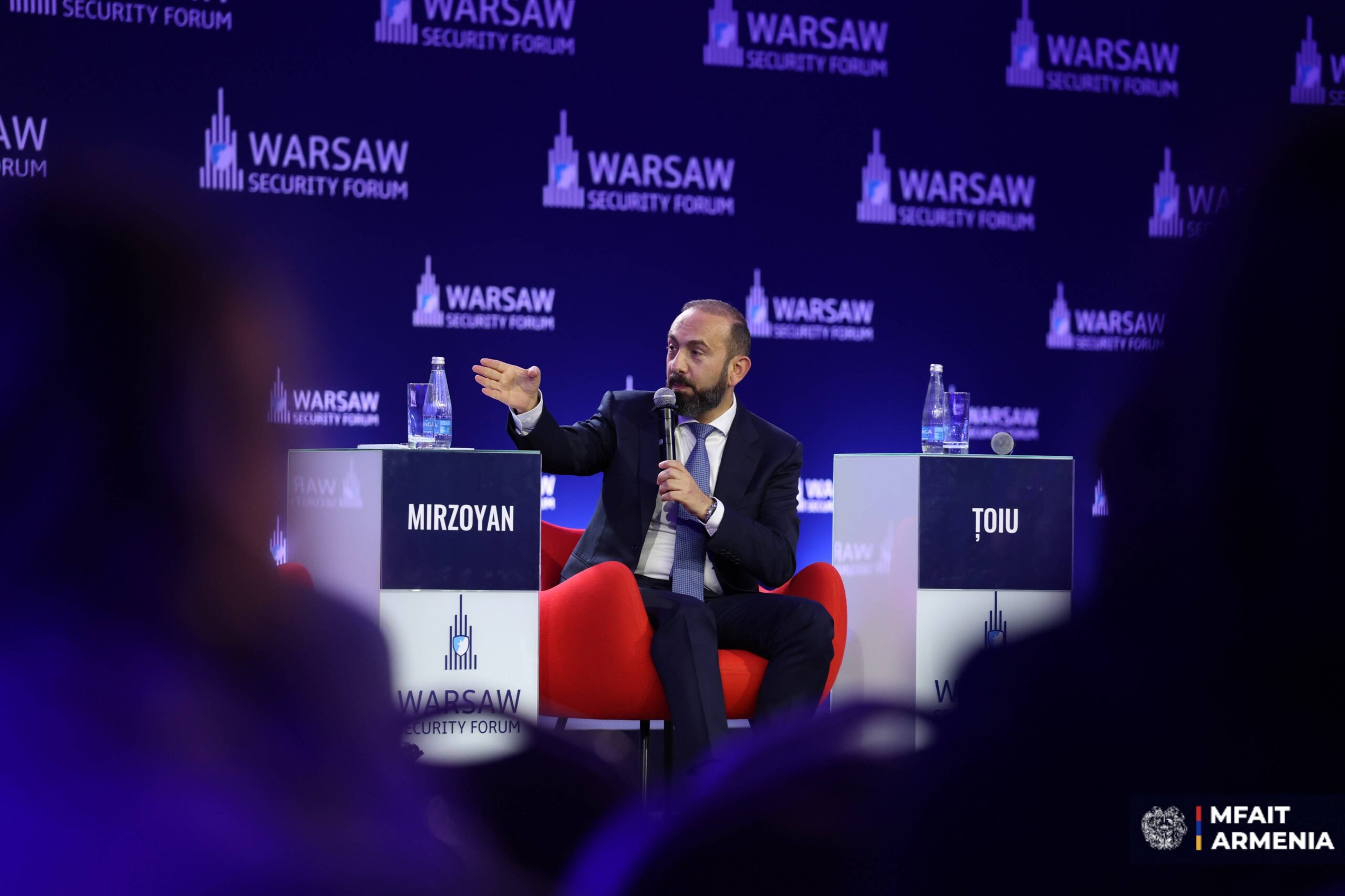
Discussions in New York focused on the peace agenda between Armenia and Azerbaijan, as well as regional connectivity. The US administration organised an event titled “Prosperity through Peace: Investing in the Trans-Caspian Trade Route and the TRIPP Initiative”.
The “Trump Route for International Peace and Prosperity” (TRIPP) is a road that will connect Azerbaijan with its autonomous exclave of Nakhchivan through Armenian territory.
For several years, Yerevan and Baku failed to reach an agreement on the issue. Azerbaijan demanded a road that it called the “Zangezur Corridor”. Armenia’s authorities said they were ready to unblock all roads but rejected the term “corridor”, which implies that the country would lose control over the territory and, therefore, its sovereign rights.
The two sides reached an agreement only on 8 August in Washington. They agreed that the road would remain under Armenia’s sovereign control, while the US would join the unblocking process as a business partner.
The project therefore took the name “Trump Route”, after the mediator. The road will be about 43km long. TRIPP also includes plans to build railway lines, energy infrastructure and digital communications networks. The US views TRIPP as a multimodal corridor designed to expand connectivity along the East-West axis, linking the South Caucasus, Central Asia and the West.
The speakers included the foreign ministers of Armenia and Azerbaijan, as well as Brendan Hanrahan, head of the US State Department’s Bureau of European and Eurasian Affairs. US special envoy for peace missions Steve Witkoff, representatives of Georgia and Central Asian countries also took part in the discussion.
According to Radio Azatutyun (Radio Liberty), Witkoff emphasised that, according to various estimates, the TRIPP route could cut delivery times for certain goods by 2.5 to three weeks:
“Witkoff’s key message was that the project’s potential benefits could extend beyond the two countries. It could create a new East-West transport artery, speed up the movement of goods, expand access to Central Asian markets and strengthen the role of American companies in this strategically important region — Eurasia.”
The Trump administration sees the project as a kind of test of whether the political momentum generated by the Armenia-Azerbaijan peace process can translate into tangible commercial infrastructure.
The official Yerevan statement on the event was brief. It said the speakers had discussed progress in the region since the Washington summit on 8 August 2025. They also discussed investment in the Trans-Caspian Enterprise Fund. The fund aims to attract private investment in projects along the wider Trans-Caspian trade route, also known as the “Middle Corridor”.
Armenian officials have repeatedly said that the fund has an “indirect and secondary” connection to the TRIPP initiative itself. The TRIPP Development Company will be specifically responsible for developing and implementing the project. Initially, the US will own 74% of the company’s shares, while Armenia will hold 26%. After the 49-year term expires, Armenia’s share will rise to 49% if the partners extend their agreement for another 50 years.
- Armenia to restore tracks near Turkish and Azerbaijani borders on its own despite Russian control of its railways
- ‘We are not discussing Trump Route project with Russia’ – Armenia’s deputy foreign minister
- Head of US-based TRIPP+ foundation holds talks in Armenia: Key takeaways
“The section running through Armenia is not yet ready for construction”
The event in New York focused on moving the TRIPP initiative towards practical implementation. The discussion covered issues such as financing, the creation of institutional mechanisms and infrastructure planning.
“Progress in the next phase will be measured not so much by diplomatic statements as by feasibility studies, investment commitments and, ultimately, construction itself,” US representatives said.
As part of engineering and feasibility studies, experts are currently examining the proposed railway route, taking technical, environmental and social factors into account.
The studies are expected to be completed in late 2026 or early 2027. The next steps will involve selecting companies to participate in the project and assessing investment opportunities.
According to US participants in the discussion, however, the territory through which the railway will run is not yet ready for construction. At the same time, they stressed that the United States takes the initiative seriously, pointing to the work already underway to advance TRIPP. They also warned that the project would not be completed overnight.
“TRIPP will move forward slowly, given the project’s technical complexity and geopolitical sensitivity,” said Andrew D’Anieri, deputy director of the Eurasia Center at the Atlantic Council.
He said the process would require engineering studies, regulatory decisions, funding and tenders. Only then would the “technically complex construction” phase begin. Preliminary estimates suggest that building the railway itself would also take considerable time — at least 18 months from the start of construction.
Pashinyan: “TRIPP will open a new era for our country and economy”
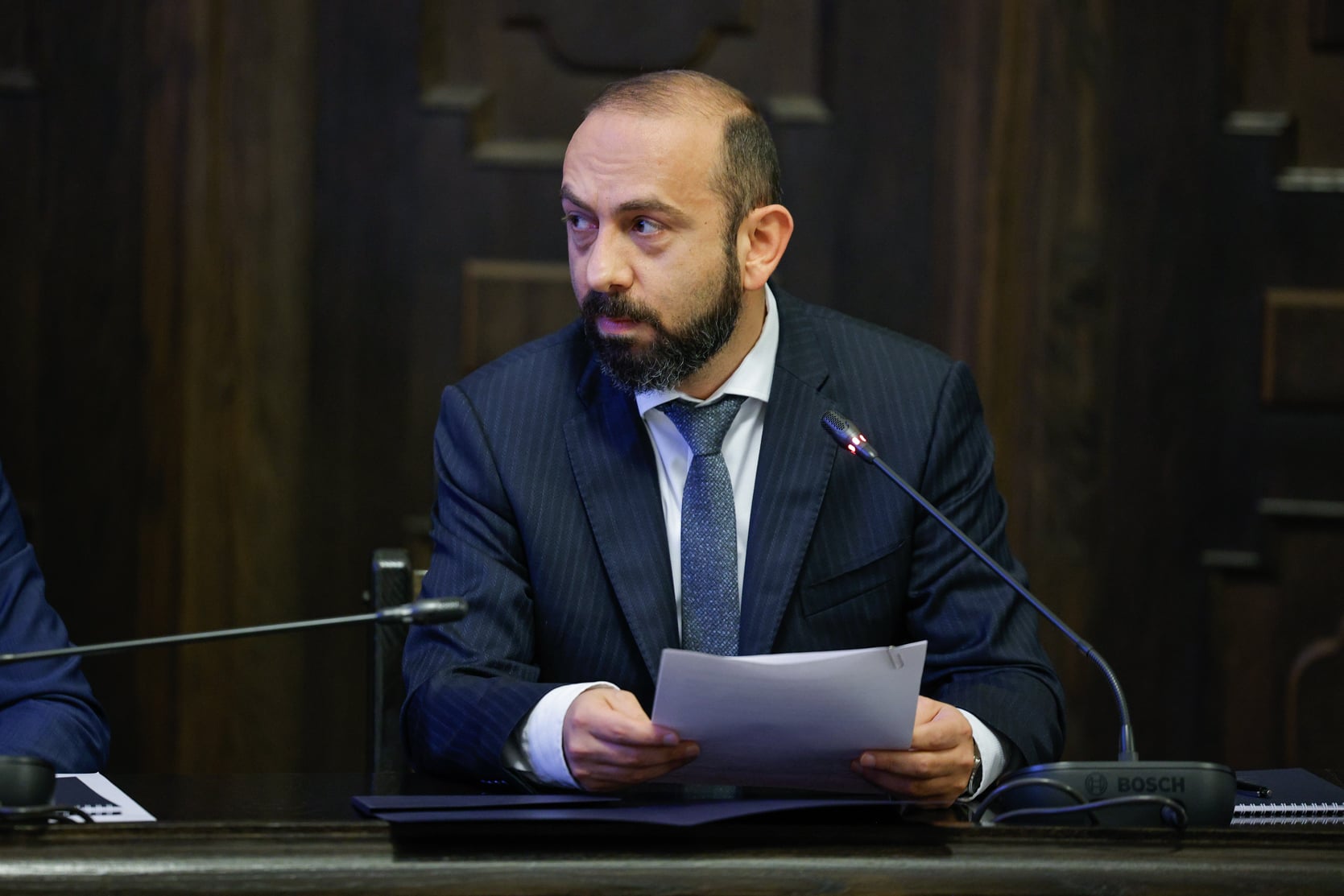
Armenian Prime Minister Nikol Pashinyan is also in the United States. In New York, he took part in a panel discussion at the Concordia Summit, held on the sidelines of the UN General Assembly.
Speaking about the peace established between Armenia and Azerbaijan and the opportunities it has created, he stressed that efforts are now focused primarily on implementing TRIPP. The project, he said, would unlock the full potential of regional connectivity.
“It will open a new era for our country and economy,” the prime minister said.
Alongside TRIPP, the Armenian government also intends to implement its Crossroads of Peace initiative, which aims to fully reopen the country’s transport links.
The prime minister’s office said that Pashinyan had discussed the implementation of TRIPP and the reopening of regional transport links with the Turkish president during his visit to the United States the previous day.
US discusses upcoming investments in the TRIPP project