Transparency International says arrests over pavement protests in Georgia violate the constitution






Rights groups on pavement protest arrests
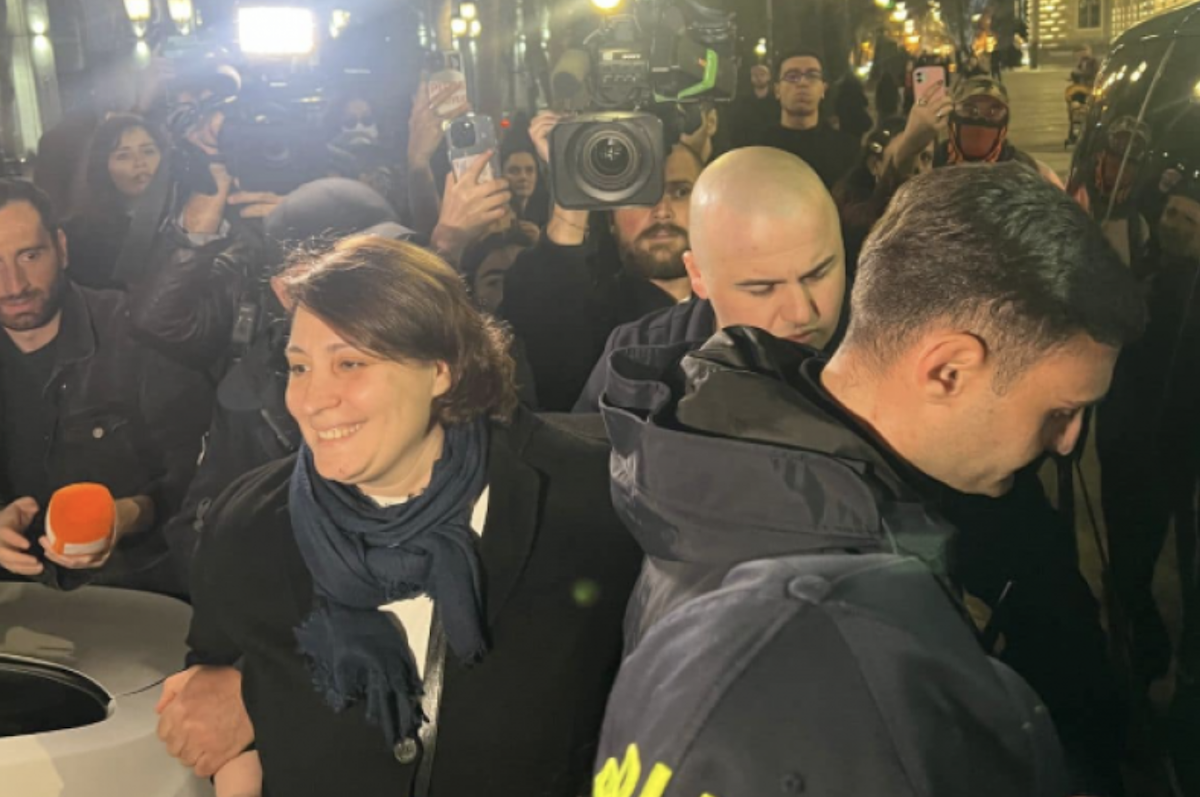
Transparency International Georgia has reacted to the arrest of protesters in Georgia for standing on a pavement.
The rights group said the decision violates both Georgia’s constitution and international human rights standards to which the country is a signatory.
On 23 January 2026, the Tbilisi City Court held a hearing in the case of several citizens accused of standing on a pavement during a protest. Judges Davit Makaradze, Zviad Tsekvava and Manuchar Tsatsua found all defendants guilty of breaking the law. Some received several days of administrative detention, while others were issued verbal warnings.

What Transparency International says
Transparency International Georgia says administrative detention for standing on a pavement marks a new reality. It argues that such practices resemble authoritarian regimes more than a democratic state.
“Freedom of assembly is protected by both the constitution and international conventions. Under these standards, punishing a citizen simply for expressing protest in a public place cannot withstand any criticism,” the organisation said in a statement.
The rights group added that judges had alternative legal options. They could have closed the cases due to the absence of a legal offence, or suspended the proceedings and referred the matter to the Constitutional Court of Georgia, as provided for by law.

Transparency International Georgia also criticises an argument frequently used to justify such rulings — that “this is what the law says”. The organisation argues that when violations of the constitution and international conventions are at stake, reliance on formal legal provisions cannot serve as a justification.
According to Transparency International, establishing such judicial practice not only violates the rights of those detained. It also sends a broader political message that peaceful protest can lead to administrative detention.

Legal disputes over freedom of assembly in Georgia have repeatedly sparked public debate in recent years. However, the arrest of citizens for standing on a pavement marks a new stage which, rights groups say, deals a serious blow to the country’s democratic reputation.
Rights groups on pavement protest arrests