'Some European leaders don’t want to be photographed with you' – Georgian PM’s visit to Brussels: what happened


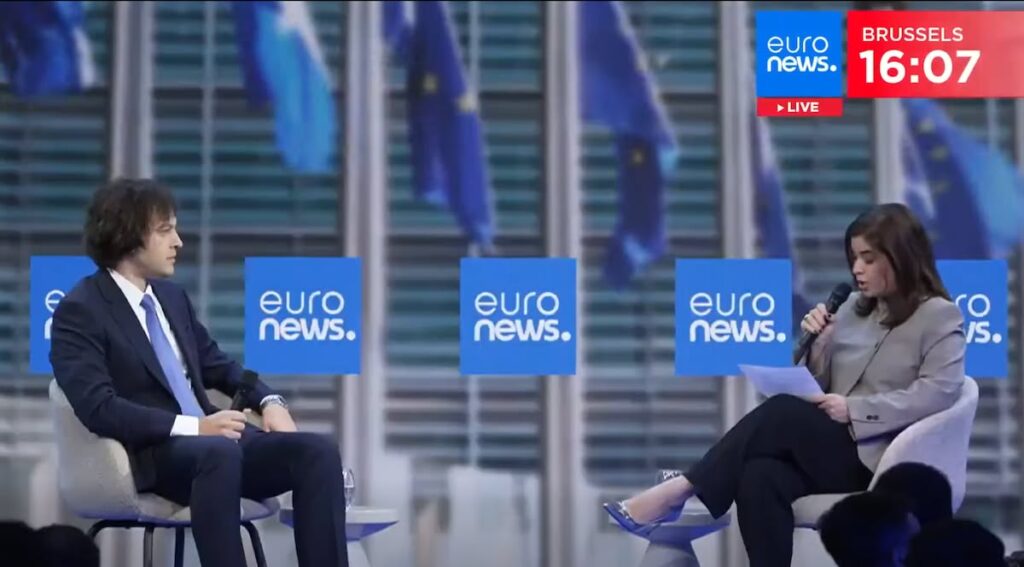
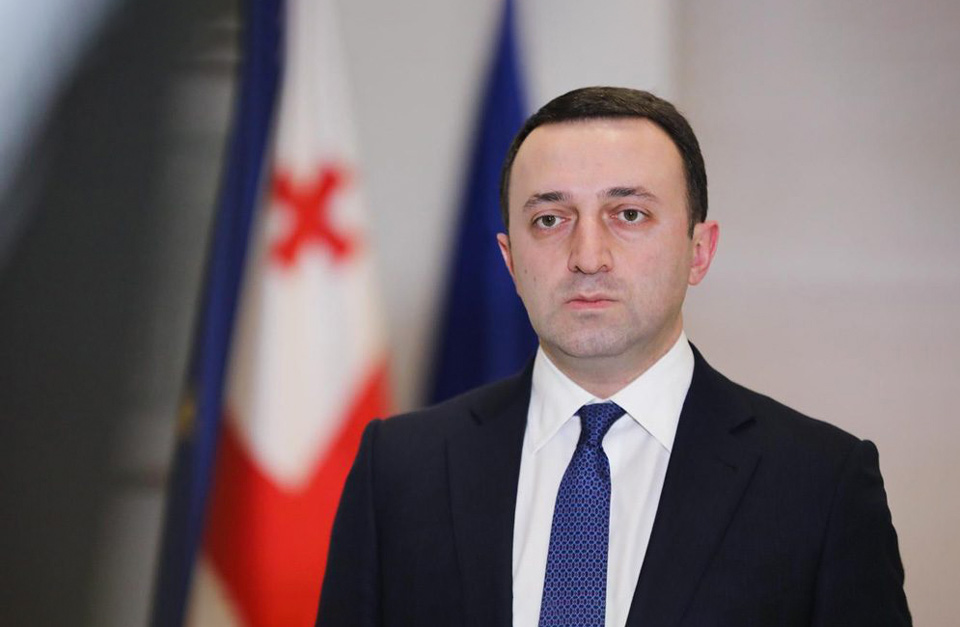
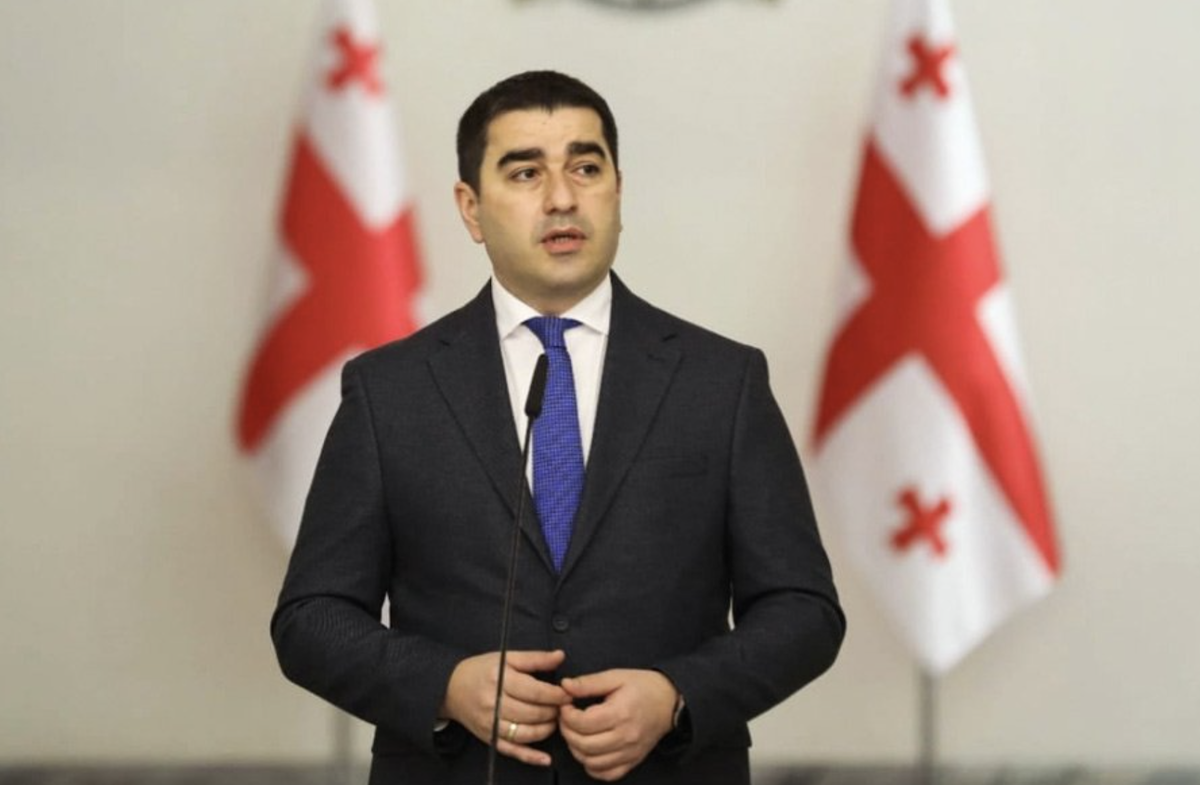
Georgia’s Prime Minister Irakli Kobakhidze took part in the second EU summit, organised by Euronews in Brussels. The summit focused on the prospects for EU enlargement, candidate countries’ integration into the bloc, and the political and economic challenges involved.
At the summit, Kobakhidze invited European Commission representatives to hold open, public debates on democracy, the rule of law, human rights, the economy and transparency.
He said the assessments in the European Commission’s forthcoming report did not reflect reality and described the report as politicised. Kobakhidze said the Georgian government was ready to discuss all contentious issues in public, but claimed that the European side was unwilling to engage in dialogue.
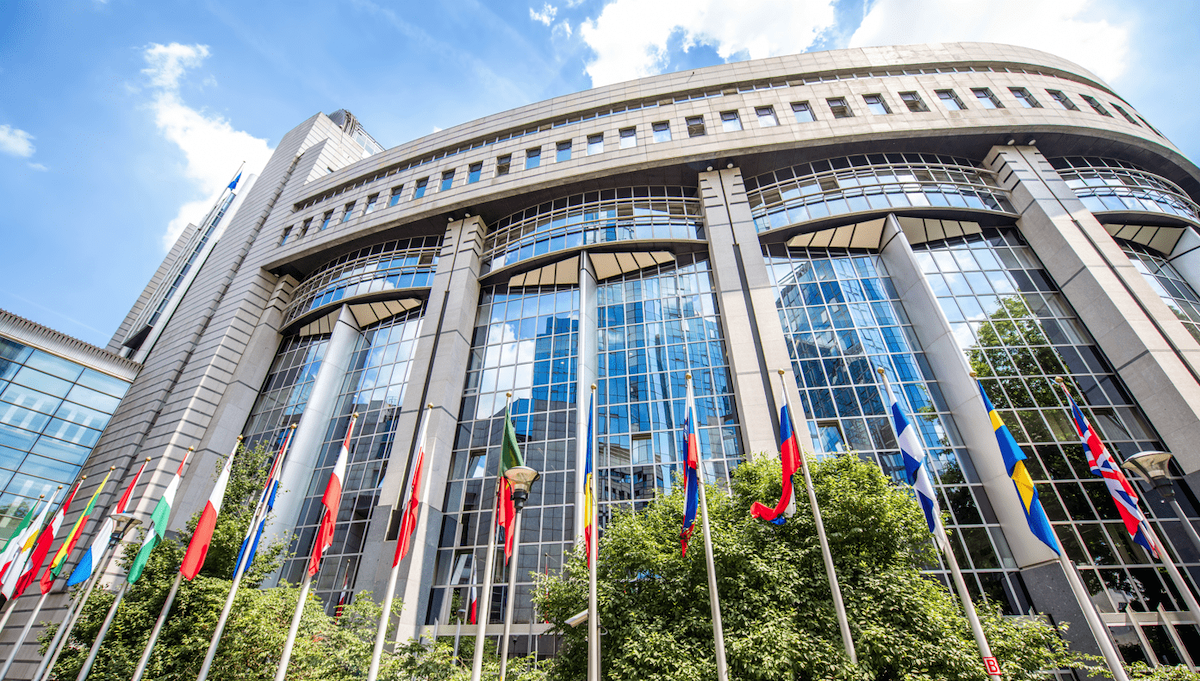
Kobakhidze made these remarks a day before the European Commission published its 2026 annual enlargement report. The report assesses the progress candidate countries have made towards EU membership against criteria including:
- Democratic institutions and elections;
- The rule of law and judicial independence;
- Human rights and media freedom;
- The fight against corruption;
- Economic conditions and reforms;
- Progress towards closer integration with the European Union.
What Irakli Kobakhidze said
The prime minister said the Georgian government disagreed with the assessments in the European Commission’s report and believed that issues concerning the country should be open to public debate.
“We criticise European bureaucrats. We are inviting European Commission representatives to take part in a public discussion, a public debate, because we believe that everything in the report does not reflect reality. But let’s debate it. Let’s hold a public debate with European Commission representatives. This is a politicised report,” Kobakhidze said.
He said the European Commission’s report drew on assessments by experts, but the Georgian government disagreed with their conclusions. According to the prime minister, Georgia is one of the most democratic countries among the EU candidates. He also claimed that the country upholds the rule of law and human rights and enjoys high rates of economic growth.
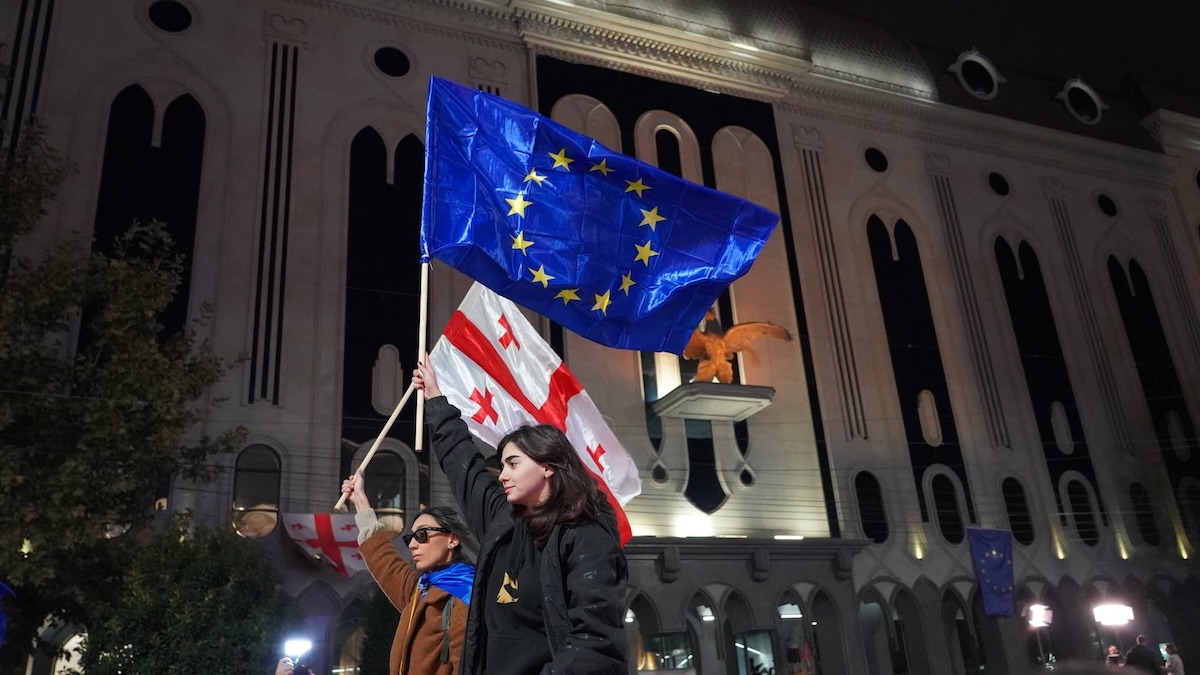
Kobakhidze said the Georgian government was proposing talks with EU representatives, but insisted that they should take place in public rather than behind closed doors. He said the public had a right to know which issues the two sides were discussing and what arguments each was putting forward.
Kobakhidze said the government was confident in its position and believed its decisions served to protect the country’s sovereignty and build a more developed, democratic and transparent state.
Speaking about relations with the European Union, the prime minister said Georgia could not change its behaviour without dialogue. If the European side had concerns about Georgian laws or specific government decisions, he said, it should raise them directly with the Georgian authorities.
“If anyone wants to change Georgia’s behaviour, they should talk to us. But the problem is that they do not talk to us. They are not ready to engage in dialogue,” Kobakhidze said.
The prime minister said Georgia had its own values, which he claimed were in line with those of the European Union. He listed sovereignty, democracy, the rule of law and judicial independence among them.
Kobakhidze also drew a comparison with the Soviet era, saying relations with Europe should not be based on one side giving orders to the other.
“We were part of the Soviet Union for 70 years. I was young at the time, and this is what happened: whatever Moscow said, Georgia had to do. That was not an appropriate approach in a democratic society. Europe needs to adopt a different approach, and we are optimistic that attitudes will change. We are not puppets,” the prime minister said.
Speaking about the attitude of European countries towards Georgia, Kobakhidze also referred to protests in France. He called on EU representatives to apply a consistent and unified approach when assessing Georgia’s laws and government actions.
The prime minister nevertheless expressed optimism that the EU’s attitude towards Georgia would change and that both sides would reconsider the current course of their relations.
At the summit, journalist Maria Tadeo asked Irakli Kobakhidze about the Georgian government’s attempt to ban five opposition parties.
“We have a very good example: Ukraine and Moldova. They have banned political parties and are much further ahead than we are. So we intend to catch up with them,” Kobakhidze replied.
Asked whether this could create problems if he wanted to continue talks with the EU, Kobakhidze said he was inviting “European bureaucrats to provide legal comments”.
“The case is before the Constitutional Court of Georgia. We have asked the court to rule on the constitutionality of certain political parties. This is a legal matter. We are inviting European bureaucrats to provide legal comments. But no one is offering legal comments; they are only making political statements. In doing so, they are interfering with Georgia’s independent judiciary, which goes against European standards,” Kobakhidze retorted.
Maria Tadeo also asked Kobakhidze about his relations with European leaders. In particular, she raised the widely held view that some European leaders would not want to be photographed with him. Kobakhidze replied that he had photographs with all of them.
Comment
According to Rikard Jozwiak, editor of Radio Free Europe/Radio Liberty’s Europe bureau, the EU’s 2026 enlargement report says the Georgian authorities have taken no steps to improve democracy or protect fundamental rights in the country.
Jozwiak says these problems prompted the European Union to suspend visa-free travel for holders of Georgian diplomatic passports. He warns that this also puts the country’s visa-free regime as a whole at risk.
The report also repeats last year’s assessment that Georgia remains an EU candidate “in name only” and continues to turn down the benefits that come with candidate status and the pre-accession process.
What is the Euronews EU Enlargement Summit?
The Euronews EU Enlargement Summit is an international political event organised by the European media outlet Euronews in Brussels. It was first held in 2025.
Its main purpose is to discuss the prospects for EU enlargement: how the process of admitting new member states should move forward and what political, economic and democratic reforms this requires.
The summit brings together representatives of EU institutions, leaders of EU member states, presidents and prime ministers of candidate countries, members of the European Parliament, and political and economic experts.
Discussions cover candidate countries’ progress, EU enlargement policy, security, democracy and economic cooperation. The event is broadcast on television and digital platforms.
However, this is not an official EU summit or a formal negotiating format organised by EU institutions. Rather, it is a high-level international forum for discussion.
Euronews EU Enlargement Summit